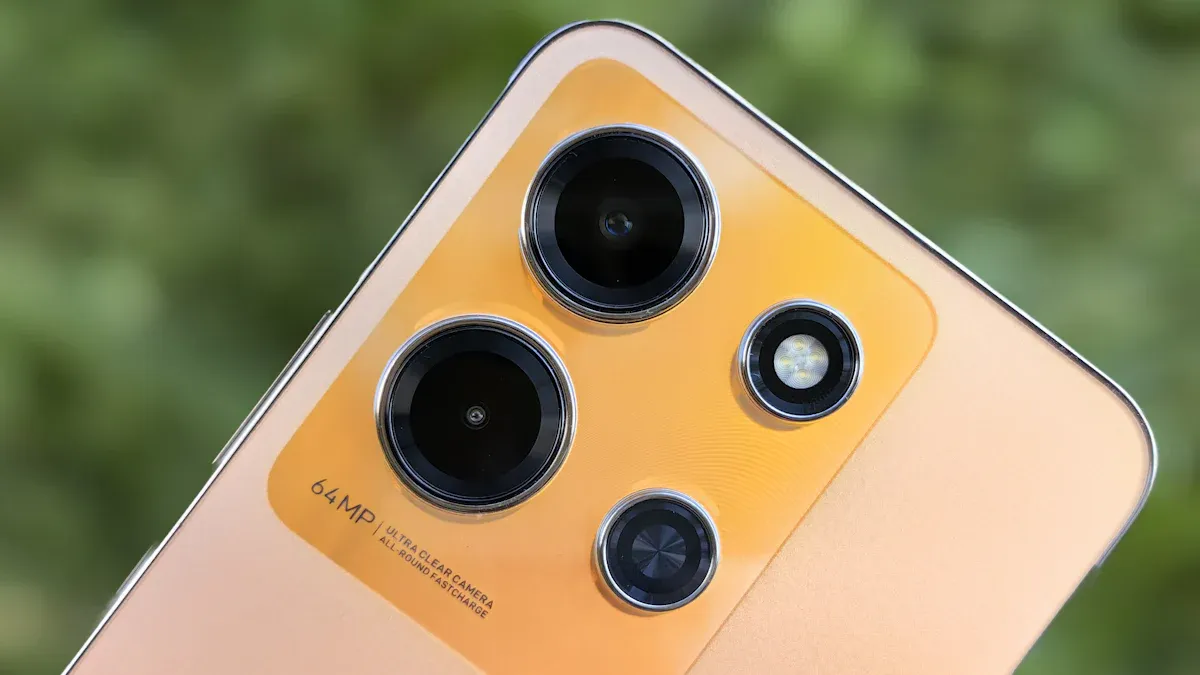
When it comes to smartphone camera technology, you might wonder whether megapixels or sensor size matters more for image quality. Many believe that a higher megapixel count guarantees better photos. However, this is a misconception. While more megapixels can enhance detail, a larger sensor captures more light, significantly impacting overall image quality. As industry experts note, a larger sensor often proves more crucial than pixel count alone. Understanding this balance can help you make informed choices in smartphone photography.
Key Takeaways
Higher megapixels do not always mean better image quality. A larger sensor often captures more light, leading to clearer photos.
When choosing a smartphone, prioritize sensor size over megapixels for improved low-light performance and dynamic range.
Understanding how megapixels and sensor size work together can help you select a smartphone that meets your photography needs.
Consider additional camera features like lens quality and night modes to enhance your photography experience.
Research and compare smartphone models to find the best balance of megapixels and sensor size for your photography style.
Megapixels Explained
The Role of Megapixels
A megapixel is defined as one million pixels. In the context of smartphone cameras, it refers to the number of physical pixels on the camera’s sensor. Each pixel gathers light and converts it into electronic information. Essentially, a megapixel serves as a quick reference to describe a camera’s resolution. Higher megapixels can enhance image detail, allowing for larger prints without losing clarity.
When you consider the relationship between megapixels and print size, it becomes clear how important this measurement is. For example, a 24MP image can produce a clear 40×26-inch print at 150 DPI. However, if you lack sufficient megapixels for a large print, you may encounter pixelation, resulting in a blocky appearance. Thus, understanding megapixels helps you appreciate how they affect your photography and printing needs.
Misconceptions About Megapixels
Many consumers fall victim to the megapixel myth, believing that a higher megapixel count directly correlates with superior image quality. This belief is misleading. While higher megapixels can increase the size of an image file, they do not guarantee improvements in detail, color accuracy, or performance in low-light conditions.
Smartphone manufacturers often market higher megapixel cameras to attract consumers. They emphasize these numbers, leading you to think that more megapixels mean better quality. However, other factors, such as sensor size and advancements in computational photography, play a more critical role in determining the actual quality of images.
For instance, flagship smartphones may boast impressive megapixel counts, but they can still produce inferior images if they use small, low-quality sensors. In fact, a well-designed 12MP or 48MP camera can outperform a 200MP sensor due to the importance of sensor size. This highlights the need for you to look beyond megapixels when evaluating smartphone camera technology.
Importance of Sensor Size

Sensor Size and Image Quality
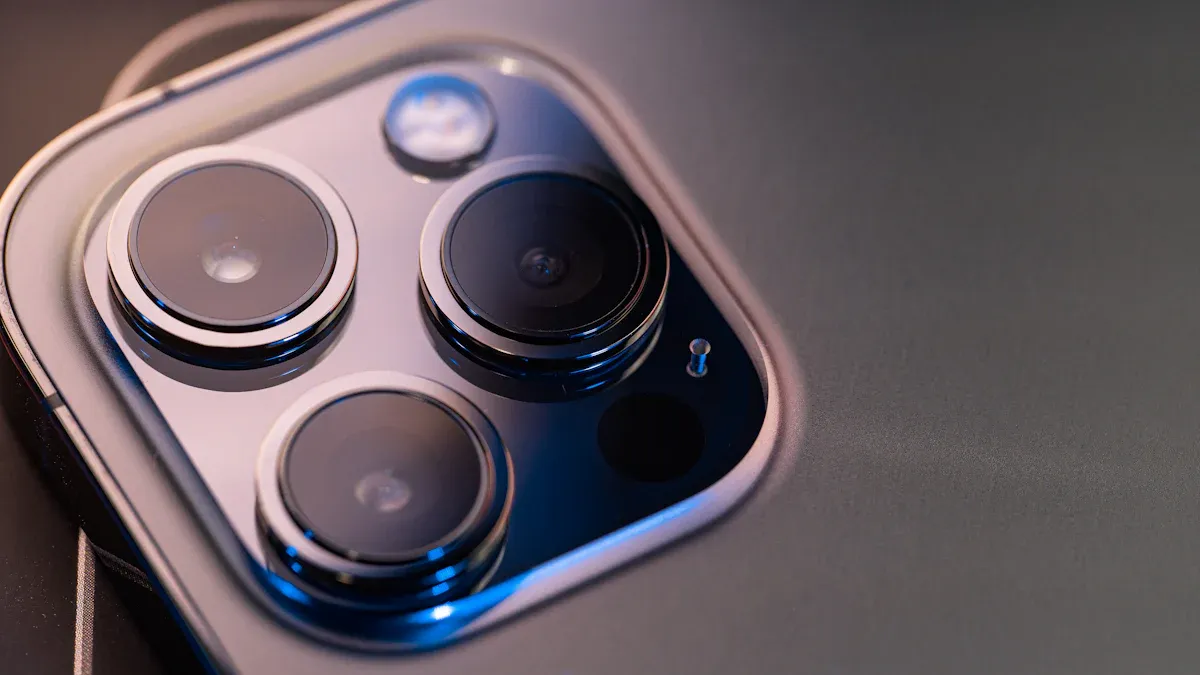
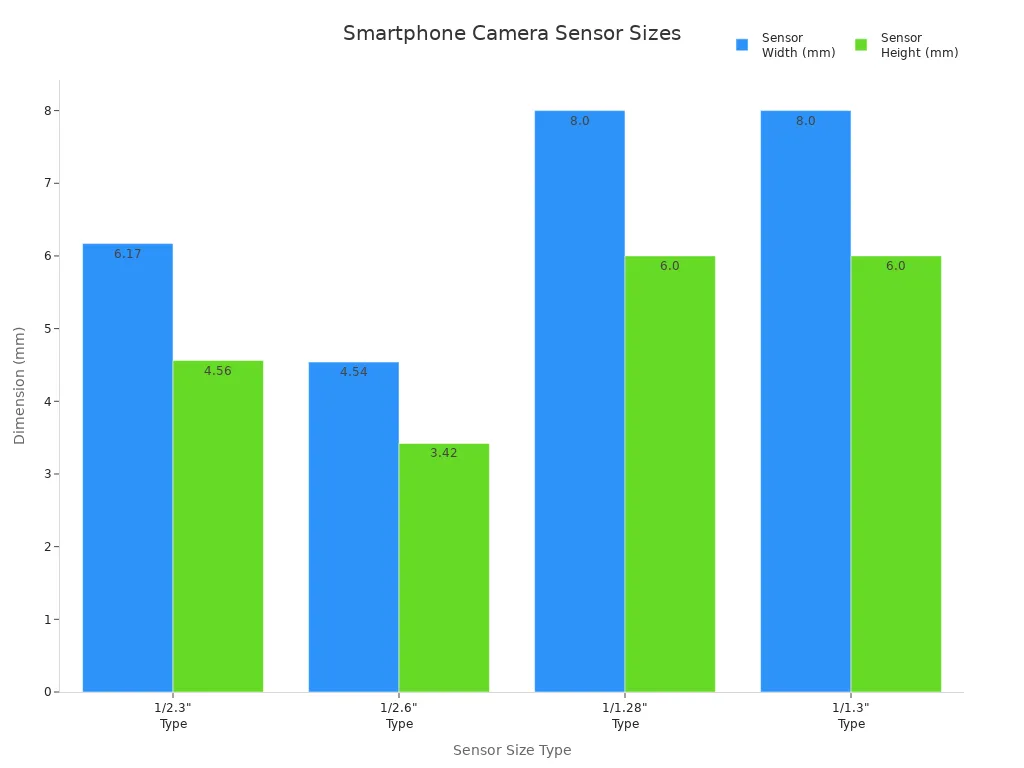
Sensor size plays a crucial role in smartphone camera technology. It refers to the physical dimensions of the camera sensor, which directly affects how much light the sensor can capture. Larger sensors have a greater surface area, allowing them to gather more light. This increased light capture significantly enhances image quality, especially in challenging lighting conditions.
To illustrate the typical range of sensor sizes found in modern smartphones, consider the following table:
Sensor Size Type | Dimensions (mm) | Common Usage |
|---|---|---|
1/2.3″ Type | 6.17 x 4.56 | Compact cameras |
1/2.6″ Type | 4.54 x 3.42 | Older smartphones |
1/1.28″ Type | 8.00 x 6.00 | High-end smartphones (e.g., iPhone 15 Pro) |
1/1.3″ Type | 8.00 x 6.00 | Premium smartphones (e.g., Samsung Galaxy S23) |
Larger sensors not only improve light capture but also enhance the overall dynamic range of images. This means you can see more detail in both the bright and dark areas of a photo. For example, when comparing the iPhone 12 Pro Max to the iPhone 15 Pro Max, the latter features a doubled sensor size. This upgrade results in significantly better light sensitivity, allowing for clearer textures and reduced noise in low-light photography.
Low-Light Photography Benefits
When it comes to low-light performance, larger sensors excel. They capture more photons, which leads to better image quality in dim environments. Here are some measurable benefits of larger sensor sizes for low-light photography:
Benefit | Description |
|---|---|
Improved Light Capture | Larger sensors collect more light, enhancing image quality in low-light conditions. |
Enhanced Dynamic Range | Increased sensor size allows for a broader range of light, resulting in better detail in highlights and shadows. |
Reduced Noise | More light capture leads to cleaner images with less grain, especially in dim environments. |
In addition to these benefits, larger sensors also improve the signal-to-noise ratio. This means that images taken in low light will have less grain and more clarity. The relationship between sensor size and image quality is vital for anyone interested in photography. A larger sensor can support higher pixel counts without sacrificing quality, making it an essential factor in smartphone camera technology.
Interaction of Megapixels and Sensor Size
Balancing Megapixels and Sensor Size
Understanding how megapixels and sensor size work together is essential for grasping smartphone camera technology. Larger sensors can hold more megapixels without losing image quality. This happens because larger sensors capture more light, leading to clearer images with less noise. You might think that higher megapixels always mean better photos, but that’s not the case. For example, a smartphone with a 12MP camera and a large sensor can outperform a 48MP camera with a smaller sensor. This shows the importance of balancing megapixels and sensor size.
When you look at pixel size, it becomes even clearer how these factors interact. Larger pixels can gather more light, which enhances image quality, especially in low-light conditions. This relationship affects noise levels and dynamic range. If you have a camera with smaller pixels, it may struggle to capture enough light, especially in dim environments. Therefore, the tradeoff between increasing megapixels and maintaining an optimal sensor size is crucial for achieving the best image quality.
Other Influencing Factors
While megapixels and sensor size are vital, other factors also impact smartphone camera performance. Here’s a quick overview of some key elements:
Factor | Description |
|---|---|
Lens Quality | Affects how accurately light reaches the sensor, impacting image clarity. |
Optical Image Stabilization | Reduces motion blur, leading to sharper images. |
Fast Aperture | Allows more light to enter, improving performance in low-light conditions. |
Accurate Focus System | Ensures images are in focus, preventing blurriness. |
In addition to these factors, advancements in computational photography have transformed how smartphones capture images. Techniques like merging multiple images enhance noise reduction and dynamic range. These improvements often surpass the benefits of simply increasing megapixels or sensor size.
By considering all these elements, you can better understand how to choose a smartphone that meets your photography needs.
In summary, both megapixels and sensor size play vital roles in smartphone camera performance. Higher megapixels can enhance detail, but a larger sensor often delivers better image quality, especially in low-light conditions. When selecting a smartphone for photography, consider the following:
Camera Features: Look for models with ultrawide and telephoto lenses for versatility.
Low-Light Performance: Choose smartphones with night modes for improved low-light photography.
Understanding Exposure Settings: Familiarize yourself with exposure settings to enhance photo quality.
Use of Tripods: Invest in a tripod for stability, especially in dim environments.
Approximately 70% of consumers prioritize camera quality when choosing a smartphone. By understanding these factors, you can make an informed decision that meets your photography needs.
FAQ
What is more important, megapixels or sensor size?
Sensor size is generally more important than megapixels. A larger sensor captures more light, improving image quality, especially in low-light conditions. Higher megapixels can enhance detail, but they don’t guarantee better photos without a good sensor.
How do megapixels affect print quality?
Megapixels determine how large you can print an image without losing clarity. More megapixels allow for larger prints. For example, a 24MP image can produce a clear 40×26-inch print at 150 DPI.
Can a smartphone with fewer megapixels take better photos?
Yes, a smartphone with fewer megapixels can take better photos if it has a larger sensor. The sensor’s ability to capture light and detail often outweighs the benefits of a higher megapixel count.
What role does computational photography play?
Computational photography uses software to enhance images. It improves noise reduction, dynamic range, and overall quality. This technology often compensates for limitations in megapixels and sensor size.
How can I choose the best smartphone camera for my needs?
Look for a smartphone with a balance of megapixels and sensor size. Consider features like low-light performance, lens quality, and additional camera modes. Research reviews to find models that suit your photography style.