Smart clothing represents a revolutionary shift in the fashion landscape. These garments integrate technology, allowing them to adapt to your needs and environment. As you wear these innovative textiles, they can monitor health, enhance performance, and even respond to weather changes. The smart clothing market is projected to grow significantly, with estimates suggesting it will reach USD 5.12 billion by 2025 and expand to USD 23.5 billion by 2034. This rapid growth highlights the potential for smart textiles to redefine how you experience fashion in the future.
Key Takeaways
Smart clothing integrates technology to monitor health and enhance performance, making it a game-changer in fashion.
These garments adapt to environmental conditions, providing comfort and safety, such as cooling in heat and insulation in cold.
Sustainability is a key benefit of smart textiles, as they reduce waste and resource consumption, promoting eco-friendly fashion.
Wearable technology in smart clothing allows for real-time health tracking, improving your well-being and lifestyle.
The future of smart clothing includes innovations like AI and IoT, enhancing functionality and user experience in everyday wear.
Smart Clothing Applications

Healthcare Innovations
Smart clothing has made significant strides in healthcare. These garments can monitor your health in real-time, providing valuable insights into your well-being. Here are some notable applications:
Wound-monitoring bandages detect infections and release medication as needed.
Smart sutures release therapeutic agents directly at the wound site and adjust tension automatically.
Compression garments with textile sensors track recovery in vascular grafts or muscular disorders.
Far-infrared fabrics stimulate circulation and reduce inflammation.
Biomedical textiles mimic the behavior of damaged ligaments and tendons for orthopedic applications.
Smart rehabilitation garments with embedded actuators assist in physiotherapy.
These innovations enable continuous, non-invasive monitoring, which significantly improves traditional methods. You can wear these garments comfortably for long periods, integrating them seamlessly into your daily life. Research shows promising results in health monitoring outcomes when using smart textiles compared to conventional approaches.
Everyday Wear Enhancements
Smart clothing also enhances your everyday wear. These garments offer features that improve comfort, convenience, and safety. Here’s how:
Feature | Description |
|---|---|
Health Monitoring | Comprehensive health tracking through wearable technology. |
Environmental Adaptation | Recommendations based on weather and air quality for optimal comfort. |
Style-Function Optimization | Ensures technology enhances fashion aesthetics without compromise. |
Advanced Connectivity Options | Seamless integration with other devices for enhanced user experience. |
Smart textiles adapt to changing environmental conditions. They provide cooling during heat and insulation in cold weather, enhancing your comfort throughout the day. Features like four-way stretch fabrics and seamless construction reduce strain and friction, improving overall mobility. Additionally, smart textiles can include heat sensors and gas detectors that alert you to potential hazards, significantly enhancing safety in hazardous work environments.
Fashion Industry Transformations
The fashion industry is undergoing a transformation with the integration of smart textiles. Luxury fashion brands are incorporating these innovations into their collections. Here are some ways they do this:
Smart textiles can change color, regulate temperature, or monitor vital signs.
Touch-sensitive textiles with embedded haptic feedback systems create interactive surfaces, enabling detailed sensory feedback.
Color-changing textiles respond to temperature, light, or electrical stimulation, creating dynamic aesthetic properties.
Energy harvesting technologies allow garments to generate electricity from body heat and movement.
Luxury brands now use thermoregulating fabrics that adapt to your body temperature, ensuring comfort across various climates. This innovation enhances functionality and aligns with the growing trend of sustainability in fashion. As a result, smart clothing not only elevates your style but also supports your health and well-being.
Technologies in Smart Textiles
Wearable Technology
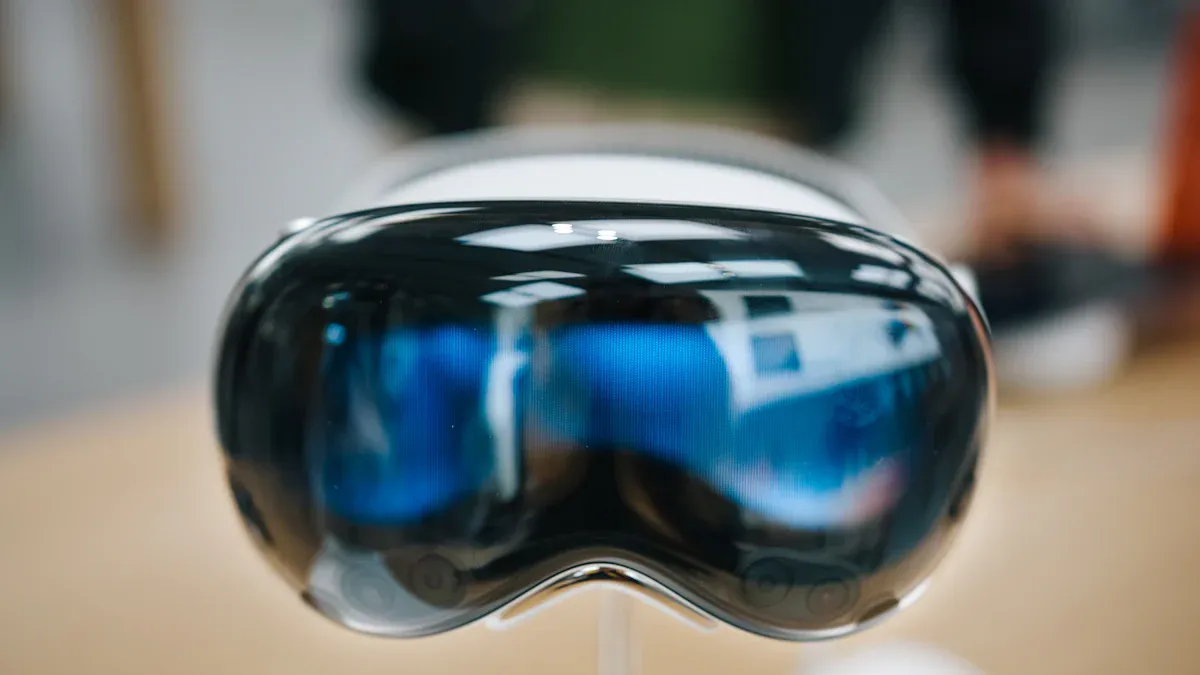
Wearable technology forms the backbone of smart textiles. You will find embedded sensors in garments that monitor various functions. These sensors maintain the ‘hand-feel’ of textiles while integrating technology seamlessly. Here are some key features of wearable technology in smart clothing:
Embedded Sensors: These sensors collect data on your health and activity levels.
Capacitive Sensing: This technology allows for natural integration into garments. It measures changes due to contact or deformation, providing strain-free tracking.
Data Acquisition Units (DAUs): These units connect to conductive patches, processing data and transmitting it via Bluetooth Low Energy.
Smart textiles can respond to thermal, chemical, mechanical, or magnetic stimuli. This combination of electronics and textiles enables functions like illumination, temperature regulation, and energy conservation.
Advanced Materials
The development of advanced materials is crucial for enhancing smart textiles. One notable innovation is the creation of smart core-sheath fibers. These fibers integrate multiple materials to improve mechanical, electrical, thermal, and biological properties. This design allows for applications in wearable electronics, biomedical systems, and protective clothing. The fibers exhibit enhanced durability and adaptability, making them suitable for various stresses.
Conductive fibers also play a significant role in smart clothing. They enable functionalities such as health monitoring and energy harvesting. Materials like graphene and carbon nanotube fibers enhance performance by providing temperature regulation and electromagnetic shielding.
Connectivity and Data Integration
Connectivity is vital for the functionality of smart textiles. You can expect to see various connectivity methods, such as Bluetooth and Wi-Fi, that enhance data transmission. Here’s how connectivity impacts smart textiles:
Aspect | Description |
|---|---|
Connectivity Method | Use of metamaterials to create surface waves that glide around the body, improving signal efficiency. |
Power Efficiency | Reduces power consumption by confining signals close to the body, allowing for weaker signals to be detected. |
Data Transmission | Enables perfect data transmission at power levels reduced by 1,000 times, enhancing data rates. |
Security | Confining signals within 10 centimeters increases privacy and reduces vulnerability to eavesdropping. |
Compatibility | Works with existing wireless devices without requiring changes. |
Artificial intelligence (AI) is also making its mark in smart clothing. AI enhances functionality by optimizing design and providing personalized user experiences. Machine learning algorithms analyze your behavior and preferences, allowing garments to adjust properties for comfort based on environmental data.
Benefits of Smart Textiles
Improved Functionality
Smart textiles offer numerous advantages that enhance your experience. These garments adapt to your needs, providing features that improve comfort and performance. Here are some key benefits:
Enhanced Personalization: Responsive fabrics adjust based on your body temperature and environmental conditions.
Intuitive Interfaces: You can control music or monitor health metrics through interactive features embedded in the fabric.
Seamless Integration: Technology blends with textiles, ensuring comfort and mobility without sacrificing style.
These innovations make smart clothing not just functional but also enjoyable to wear. You can experience a new level of convenience and adaptability in your daily life.
Sustainability in Fashion
Sustainability is a crucial aspect of smart textiles. These innovative materials contribute to a more eco-friendly fashion industry. Here are some ways smart textiles promote sustainability:
Self-Healing Textiles: These fabrics reduce waste by extending the lifespan of garments.
Lower Resource Consumption: Fewer replacements mean less water and energy used in production.
Wash-Durability: Smart textiles maintain performance through multiple wash cycles, decreasing the need for disposal.
Mass Customization: This approach minimizes waste associated with overproduction and unsold inventory.
Contribution Type | Description |
|---|---|
Less Waste | 4D printing reduces fabric scraps by producing garments from flat materials that morph into shape later. |
Lower Energy Use | Smart garments adjust to body heat, eliminating the need for ironing and saving energy. |
Longer Lifespan | Self-monitoring features extend clothing life, reducing replacements. |
Smarter Shopping | Digital tools like virtual try-ons minimize returns and excess inventory. |
Blockchain Transparency | Blockchain technology enables tracing materials in the supply chain, enhancing trust. |
By embracing smart textiles, you support a more sustainable future in fashion. These advancements not only enhance your wardrobe but also contribute to a healthier planet.
Challenges of Smart Clothing
Cost and Accessibility
Smart clothing faces significant challenges regarding cost and accessibility. The integration of technology into textiles raises production costs. Here are some key factors influencing these costs:
Cost Factor | Description |
|---|---|
High Production Cost | Integrating electronics into textiles can be expensive due to specialized materials and processes. |
Fabric Choice | Premium fabrics can significantly increase unit costs, especially with custom requirements. |
Labor Costs | Detailed and tailored garments require more skilled labor, increasing overall production costs. |
You may find that the price of smart clothing limits its accessibility. Many consumers hesitate to invest in these innovative garments due to their higher price tags. Additionally, awareness of smart textiles remains low in some regions. For example, in the Americas, consumers focus on sports performance and connected health services. In contrast, Europe emphasizes sustainability and compliance, while Asia-Pacific markets prioritize affordability and rapid innovation.
Privacy and Data Security
Privacy and data security pose significant concerns for smart clothing users. As these garments collect personal data, you may worry about how companies handle this information. Recent data breaches have highlighted vulnerabilities in wearable technology. For instance, a security incident exposed over 61 million fitness tracker records. Such breaches raise alarms about unauthorized access to sensitive data.
Here are some privacy risks associated with smart clothing:
Cybersecurity breaches leading to unauthorized access to sensitive data.
Data misuse by companies, such as insurers using health data for risk profiling.
Consent violations where users are not adequately informed about data usage.
Regulations like the EU’s General Data Protection Regulation (GDPR) aim to protect user data. These laws require manufacturers to implement secure data transmission protocols and user consent mechanisms. However, many consumers remain unaware of these protections, which can hinder the adoption of smart textiles.
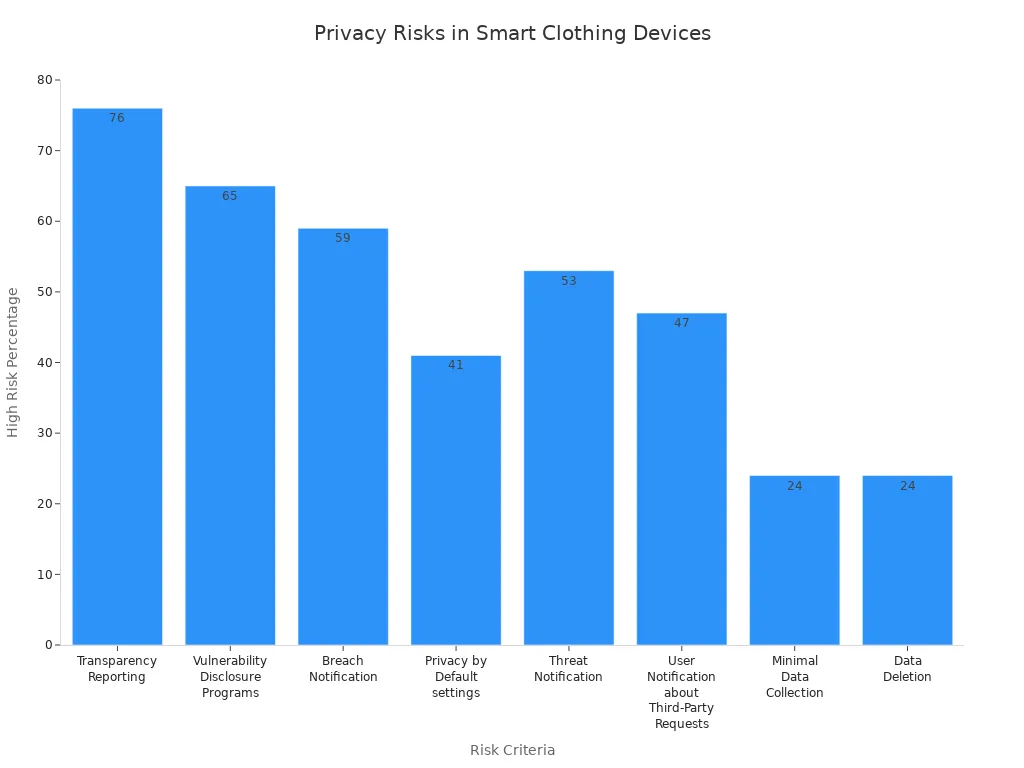
By understanding these challenges, you can make informed decisions about adopting smart clothing while advocating for better privacy practices in the industry.
Future of Smart Clothing
Innovations on the Horizon
The future of smart clothing looks promising, with many exciting innovations on the way. You can expect to see advancements that enhance functionality and user experience. Here are some key trends to watch for:
Healthcare: Smart clothing will enable continuous monitoring for chronic disease management. This feature will help you keep track of your health in real-time.
Fitness: Expect performance optimization through personalized feedback. Smart textiles will analyze your movements and provide insights to improve your workouts.
Military & Safety: Innovations will allow smart clothing to monitor stress and fatigue. This capability can prevent accidents in high-pressure environments.
In addition to these applications, smart textiles will incorporate cutting-edge technologies. For example, nanotechnology will enable features like temperature control and activity monitoring. You might also see 3D-printed fabrics that allow for bespoke designs, integrating functional elements directly into the fabric. Furthermore, IoT integration will enhance clothing with data-sharing capabilities, improving your overall experience.
Integration with Fashion Design
Fashion designers are increasingly integrating smart textile technology into their creative processes. This integration opens up new possibilities for innovative and interactive fashion items. Here are some ways designers are embracing smart textiles:
Smart textiles offer additional functionalities, allowing you to enjoy clothing that adapts to your needs.
Designers create interactive clothing items, such as jackets that adjust temperature or shirts that monitor heart rate.
Innovations in materials science lead to textiles that can change colors based on environmental conditions.
However, merging aesthetics with smart textile functionality presents challenges. Designers must ensure that smart textiles endure physical stresses without losing their functionality. Electronics embedded in fabrics can be vulnerable to damage from water and mechanical stress. Balancing the aesthetic appeal with the durability of smart clothing is a complex task.
Recent collaborations between research institutions and companies have accelerated advancements in smart textile technology. These partnerships focus on developing prototypes and conducting feasibility studies. For instance, researchers have created electrically conductive fibers and temperature-responsive materials. Such innovations enhance the functionality of textiles and pave the way for new applications in various sectors, including fashion.
The smart clothing market is projected to grow significantly. It is expected to expand from USD 5.585 billion in 2025 to USD 17.474 billion by 2030. This growth represents a compound annual growth rate (CAGR) of 25.63%. The Ultra Smart segment will likely be the fastest-growing category, driven by advancements in AI, IoT, and biometric technologies. As consumer attitudes evolve, you will find that perceived usefulness and compatibility play crucial roles in the acceptance of smart clothing.
Embracing these innovations will shape the future of fashion. Smart clothing will not only enhance your wardrobe but also improve your lifestyle.
Smart clothing and textile technology hold immense potential to transform the fashion industry. These innovations allow you to enjoy customizable designs with embedded LEDs and interactive features that respond to touch. You can experience continuous health monitoring through smart shirts that track vital signs and performance metrics.
Embracing these advancements is crucial for a sustainable future in fashion. Smart textiles can self-regulate temperature and adapt to environmental conditions, enhancing comfort while reducing waste. By integrating technology into clothing, you not only elevate your style but also contribute to a more functional and eco-friendly world.
FAQ
What is smart clothing?
Smart clothing integrates technology into textiles, allowing garments to monitor health, enhance performance, and adapt to environmental conditions. These innovations provide you with real-time data and improved functionality.
How does smart clothing monitor health?
Smart clothing uses embedded sensors to track vital signs, activity levels, and other health metrics. This data helps you manage your well-being and provides insights into your physical condition.
Are smart textiles sustainable?
Yes, many smart textiles promote sustainability. They can reduce waste through self-healing properties, lower resource consumption, and extend garment lifespan, contributing to a more eco-friendly fashion industry.
Can I wash smart clothing?
Most smart clothing is designed to withstand regular washing. However, always check the care instructions provided by the manufacturer to ensure you maintain the garment’s functionality and longevity.
How much does smart clothing cost?
Smart clothing prices vary based on technology and materials used. While some options may be more expensive due to advanced features, the investment often pays off in terms of functionality and durability.