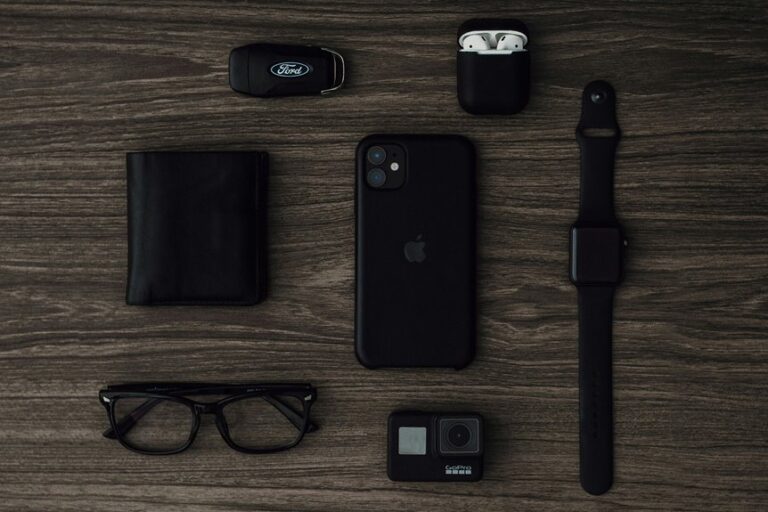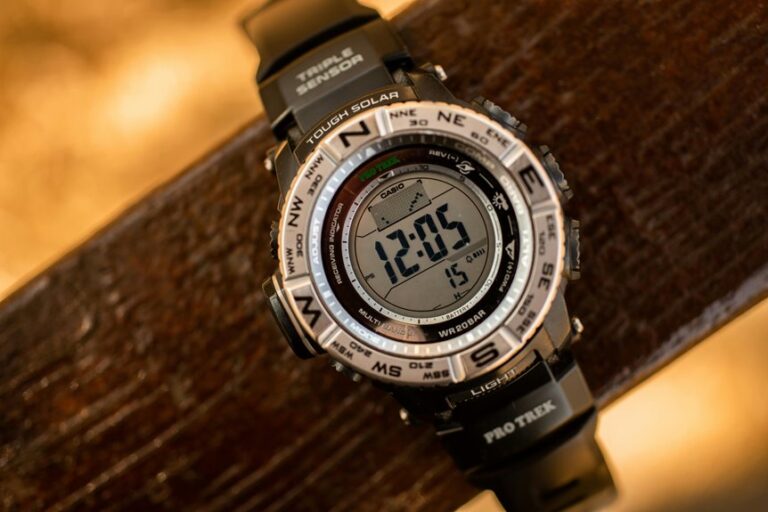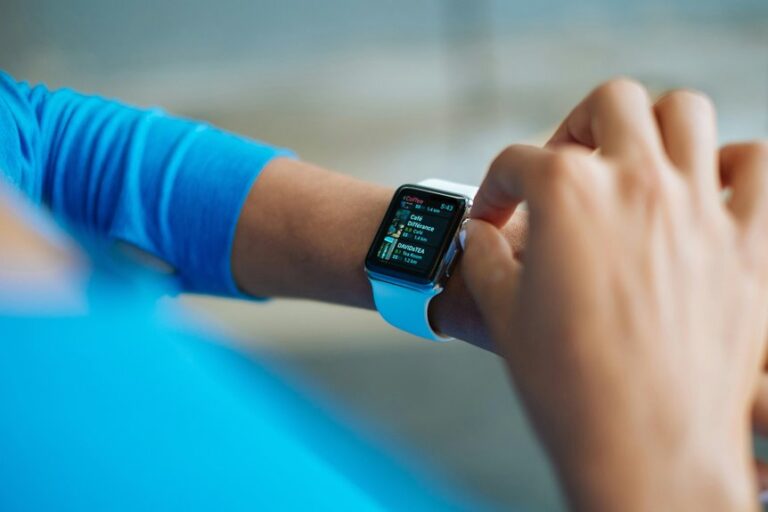
Sleep tracking technology can work like a night-vision lens for your rest, turning hidden patterns into measurable signals. You use wearables or bedside sensors to estimate sleep timing, awakenings, and continuity, then compare heart rate, movement, and breathing across nights. That data won’t diagnose problems, but it can expose routine flaws and guide better habits. The real value starts when you know which metrics matter most and how they fit together.
What Is Sleep Tracking Technology?
Sleep tracking technology uses wearable or bedside sensors to estimate when you sleep, how long you sleep, and how your sleep may be fragmented. You use sleep tracking basics to turn nightly movement, heart-rate shifts, and environmental data into readable sleep estimates, not exact measurements.
In this wearable technology overview, your device records inactivity, detects bedtime and wake time, and flags patterns that suggest awakenings or restless sleep. Some systems also infer sleep stages by analyzing changes in motion and autonomic signals.
You belong to a growing group of users who want clearer feedback on rest without clinical equipment. The result is a practical, data-driven view of your sleep that helps you compare nights, notice trends, and adjust habits with more confidence.
How Do Sleep Tracking Devices Monitor Your Rest?
Most sleep tracking devices monitor your rest by combining accelerometer data with algorithmic analysis to estimate when you’re inactive, asleep, or briefly awake. Their sleep monitoring sensors detect motion, and their software applies movement based rest estimation to convert patterns into likely sleep windows. Some wearables add heart rate or breathing inputs, but you still get inference, not direct brain-wave measurement.
| Signal | Role |
|---|---|
| Motion | Detects stillness and tossing |
| Heart rate | Refines rest estimates |
| Algorithms | Classify sleep periods |
You can trust these systems to map bedtime, wake time, and nightly interruptions with useful precision. They work best when you wear them consistently, because the model learns your personal baseline. That makes you part of a community using data-driven rest insights, even when the numbers remain approximate.
Sleep Metrics That Affect Rest Quality
When you look at rest quality, the most useful metrics are sleep duration, sleep continuity, and the amount of time spent in light, deep, and REM stages. You can read these values as a profile of how well your night supported recovery. Sleep efficiency compares total sleep time with time in bed, so higher values usually mean less fragmentation.
Wake episodes matter too, because repeated arousals reduce continuity even if your total duration looks normal. If your tracker shows more light sleep and less deep or REM sleep, you may feel less restored. By reviewing these metrics together, you can spot patterns that fit your routine and connect with others who optimize rest through data, not guesswork.
How to Choose a Sleep Tracker
To choose a sleep tracker, start by matching its sensing method to the level of detail you actually need. If you want reliable bedtime, wake time, and total sleep trends, an accelerometer-based wearable usually fits.
If you want stage estimates, pick a model that adds heart rate or respiration analysis, but remember it still estimates rather than measures sleep directly. Check device compatibility with your phone, health apps, and any shared dashboards your household uses, so your data stays accessible to the group.
Compare battery life carefully, because frequent charging breaks continuity and weakens trend analysis. Then evaluate comfort, display readability, and data export options. Choose a tracker that gives you enough precision to improve rest without pretending to deliver clinical sleep study results.
How to Set Up Sleep Tracking Accurately
To set up sleep tracking accurately, you should place the device at the manufacturer’s recommended wear position so its accelerometer and heart rate sensors can capture stable data.
Then you should calibrate the sleep settings to match your usual bedtime, wake time, and any relevant activity or environmental inputs.
You’ll also need to keep a consistent tracking routine, because uniform data collection improves the reliability of duration and pattern estimates.
Choose Optimal Wear Position
Where you wear a sleep tracker can affect how well it captures movement, heart rate, and breathing patterns during the night. You should choose a wear position that keeps sensors stable and close to skin contact, because loose contact weakens signal quality.
For wrist devices, place device placement just above the wrist bone, snug but not tight; this reduces motion artifact when you turn or flex. If you use a ring, keep it seated evenly so optical sensors stay aligned.
If you wear a headband or chest strap, center it consistently each night to preserve trend comparison. Small shifts in placement can change estimated sleep time and stage patterns, so staying consistent helps you belong to a reliable dataset and makes your results more trustworthy.
Calibrate Sleep Settings
Even with a well-chosen wear position, you still need to calibrate your sleep settings so the tracker can interpret your data correctly.
In device calibration, you match your device profile to your sleep window, dominant wrist, and activity baseline. Check sensor alignment so the accelerometer and heart rate sensor maintain stable contact without pressure points. Then review any sensitivity or sleep-start thresholds your app offers; these settings help the algorithm distinguish quiet wakefulness from actual sleep.
If your tracker supports manual bedtime entry, use it to anchor the first nights of data. You’re not aiming for perfection; you’re giving the system a clean reference so it can analyze your patterns with confidence. That setup helps you join a group of users who trust their data and refine rest decisions.
Maintain Consistent Tracking Routine
Consistency matters because sleep trackers estimate patterns from repeated nightly data, not from isolated readings. You’ll get better accuracy when you wear or place the device at the same time each night and keep the same nightly routine.
Start tracking after you brush your teeth, silence notifications, and charge the sensor before bed so gaps don’t distort the record. Keep wake time steady, since irregular mornings can blur sleep duration estimates and stage trends.
If your tracker asks for manual inputs, log caffeine, alcohol, exercise, and stress honestly; those variables improve analysis. For tracking consistency, avoid skipping nights unless travel or illness makes data unusable.
When you follow a stable schedule, you help the algorithm detect real changes, and you stay connected to a group of users building reliable sleep insight.
How to Read Sleep Data Without Overthinking It
When you read sleep data, focus first on the broad patterns the device measures well: bedtime, wake time, total sleep time, and repeated disruptions. Your goal is sleep data trends, not perfection. Use tracking score context to compare nights, but don’t treat a single low score as a verdict.
| Metric | What it suggests | How to use it |
|---|---|---|
| Bedtime | Routine consistency | Check shift size |
| Wake time | Morning stability | Compare weekdays |
| Total sleep time | Sleep opportunity | Track averages |
| Disruptions | Fragmentation | Note frequency |
| Score | Composite estimate | Read in context |
You belong with users who treat trackers as guides. Focus on direction, especially week-to-week, because algorithms estimate sleep from movement and heart rate, not brain waves. If the numbers diverge, trust the stable patterns you can repeat.
How to Spot Sleep Tracking Patterns
To spot sleep tracking patterns, compare several nights instead of reacting to one score, and look for repeats in bedtime, wake time, total sleep time, and disruption frequency.
You can use pattern recognition to separate noise from stable signals, so one unusual night doesn’t distort your view. Focus on trend spotting across at least a week: a later bedtime, shorter total sleep time, or more awakenings usually matters more than a single spike.
Check whether your tracker shows consistent sleep onset and morning wake timing, since consumer devices usually estimate these reliably through inactivity and movement data. If your readings cluster tightly, you’re seeing a real pattern. If they swing widely, the device may reflect irregular routines rather than a sleep issue.
How Sleep Tracking Can Improve Habits
Sleep tracking can improve habits by turning nightly behavior into measurable feedback you can act on.
You can compare bedtime, wake time, and total sleep across weeks to see whether sleep habit consistency is improving or slipping.
When the data shows later nights, more awakenings, or shorter rest after caffeine, stress, or bright light, you can make targeted adjustments instead of guessing.
This feedback loop helps you test bedtime behavior shifts one variable at a time, so you know what actually helps.
Over time, the pattern data can reinforce routines that fit your schedule and make you feel part of a group that values recovery, discipline, and better rest.
With regular use, you’ll spot trends early and maintain a steadier sleep profile.
Common Sleep Tracking Mistakes to Avoid
Even good sleep trackers can mislead you if you treat estimates like medical measurements. You avoid the biggest errors when you read trends, not single nights, and you remember that consumer devices infer sleep from movement and heart rate. Don’t let false alarms or data myths push you into overcorrection.
- Ignore one bad night; algorithms can’t resolve every wake-up.
- Don’t assume “deep sleep” labels are exact; they’re modeled stages.
- Keep sensors fitted properly, or inactivity data skews.
- Don’t compare your device with polysomnography as if they’re equal.
When you use your tracker as a shared tool for pattern awareness, you stay grounded with others who value evidence. That perspective keeps you from chasing noise and helps you trust the broader signal in your data.
How to Build Better Sleep Routines
Better sleep routines start with the patterns your tracker can actually measure: consistent bedtime, consistent wake time, and fewer interruptions across the night.
You should use those signals to tighten sleep routine consistency, then adjust one variable at a time.
Set a fixed alarm, expose yourself to morning light, and keep caffeine and heavy meals earlier in the day.
Build bedtime wind down habits that lower arousal: dim lights, reduce screen exposure, and repeat the same sequence nightly.
Your tracker can’t measure sleep directly, but it can show whether your routine reduces movement and wake after sleep onset.
Review weekly trends, not one bad night, so you can see whether your habits are working and feel aligned with others who train sleep the same way.
Frequently Asked Questions
Can Sleep Trackers Accurately Identify REM and Deep Sleep Stages?
Sleep trackers do not provide precise REM or deep sleep measurements. They estimate stages based on movement and heart rate, so they offer informative trends rather than an exact picture of your sleep architecture.
Do Sleep Trackers Detect Brief Awakenings During the Night?
Not reliably. Many trackers miss brief arousals, so sleep can appear less fragmented than it truly is. These devices report overall trends rather than each true wake event because most consumer sensors infer inactivity instead of measuring physiological signs of arousal.
Can a Sleep Tracker Diagnose Sleep Apnea or Other Disorders?
No. A sleep tracker cannot provide a clinical diagnosis. It can flag patterns or symptoms that suggest a problem, but confirming sleep apnea or another sleep disorder requires a formal sleep study called polysomnography and evaluation by a qualified clinician.
Which Sensors Improve Sleep Tracking Beyond Motion Detection?
Heart rate sensors and skin temperature measurement sharpen sleep analysis beyond simple motion. Blood oxygen readings, microphone data, and EEG signals add deeper insight. Together they detect REM stage transitions, brief awakenings, and breathing irregularities more accurately than accelerometers alone.
Do Environmental Factors Like Temperature Affect Sleep Tracker Readings?
Yes. Changes in room temperature and humidity can influence sleep tracker measurements because they affect how restlessness and awakenings are interpreted. Logging these environmental conditions alongside your sleep data produces clearer, more accurate insights.