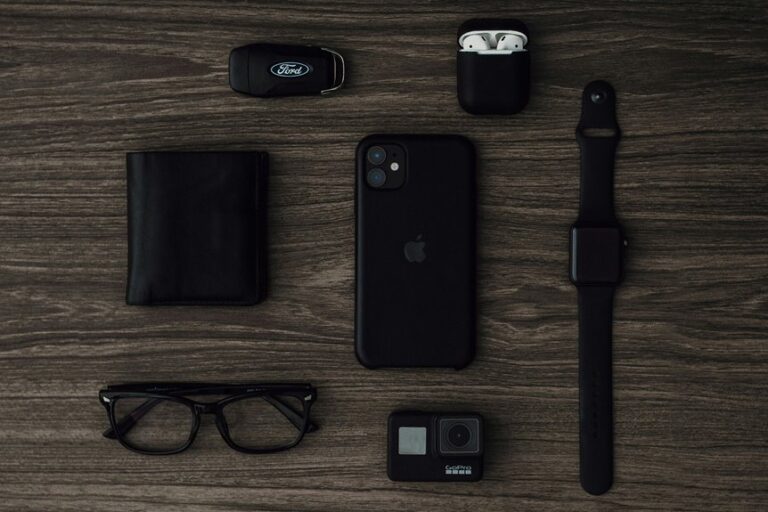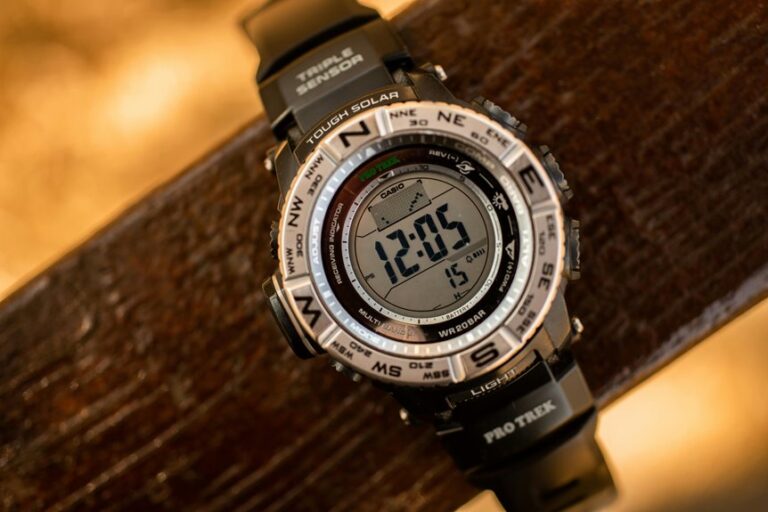
If you want to move more, sleep better, and stay more aware of your habits, a fitness tracker can help you do all three. You can see your steps, workouts, heart rate, and rest patterns in one place, which makes progress easier to track. Small reminders to stand, breathe, or keep going can shape better daily routines. The real value may be in how these features work together.
What Is a Fitness Tracker?
It gives you clear fitness basics, like steps, movement time, and recovery clues, so you can see where you stand each day. With simple dashboards, you’ll spot patterns, stay connected to your goals, and feel part of a community working toward better health.
When you check your data, you make smarter choices and build habits that support steady progress. It’s a practical tool that keeps you informed, encouraged, and ready to move.
Fitness Tracker Benefits for Daily Steps
Fitness trackers can give your daily steps a real boost by reminding you to move and showing your progress in real time. You’ll see each walk add up, which makes it easier to protect your daily step streaks and feel part of a group chasing healthier habits. Use the data to choose walking route variety and keep your routine fresh.
| Step Goal | What You See |
|---|---|
| 2,000 | A quick start |
| 5,000 | A lively midday boost |
| 10,000 | A strong finish |
When your tracker buzzes, you can stand, stroll, or take the stairs before your day slips away. Those small choices build momentum, support consistency, and help you belong to a crowd that moves with purpose.
How Fitness Trackers Boost Workout Motivation
When your tracker gives you real-time feedback, workout motivation feels immediate instead of distant. You see every rep, mile, and calorie, and that instant proof pushes you to keep going. Challenge streaks turn solo effort into a shared win, while reward badges celebrate milestones that matter to you.
- You set a clear goal and watch progress build.
- You earn badges that make effort feel recognized.
- You join challenge streaks that keep you accountable.
- You notice trends that prove your consistency.
That steady feedback helps you feel part of a group working toward better health. On low-energy days, your tracker reminds you that small steps still count, and each workout brings you closer to the version of yourself you want to become.
How Fitness Trackers Support Movement Breaks
Those same reminders that keep you motivated can also nudge you to move more throughout the day. Your tracker sends movement reminders and standing prompts that gently break up long sitting stretches, so you stay connected to your goals and your crew.
| Prompt | Action | Benefit |
|---|---|---|
| 30-minute alert | Stand up | Reset focus |
| Step nudge | Walk around | Add steps |
| Goal badge | Celebrate | Keep momentum |
When you answer these cues, you build a steadier rhythm. A quick lap, a stretch, or a few stairs can fit between tasks and still count. You don’t need a perfect routine; you just need small wins that add up. With each prompt, you’re joining a healthier pace that feels doable, shared, and supportive.
Fitness Tracker Benefits for Sleep Tracking
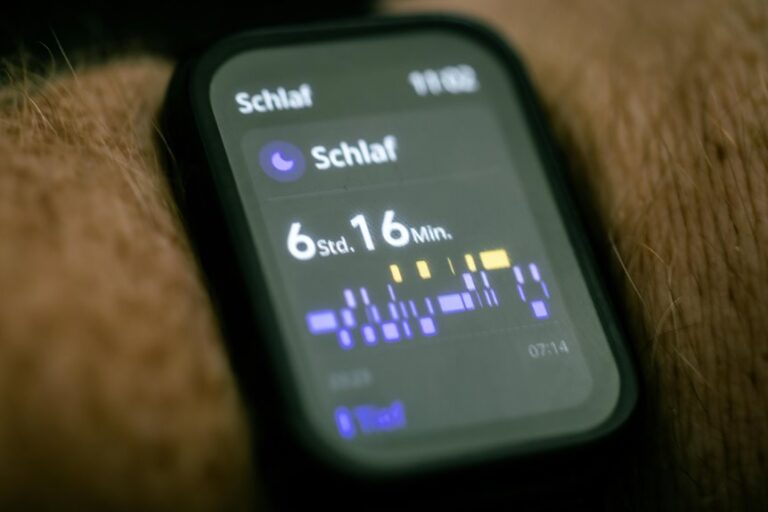
Your fitness tracker can show you clear sleep pattern insights, so you can spot when you’re getting enough rest and when you’re not.
It also helps you monitor recovery by linking sleep data with your activity, making it easier to see how your body responds to effort.
With rest quality tracking, you can make smarter daily choices that support better sleep and stronger performance.
Sleep Pattern Insights
Even while you’re focused on exercise, a fitness tracker can reveal how well you’re sleeping by showing sleep patterns, efficiency, and cycles through movement data. You’ll spot bedtime consistency and sleep disruption patterns that quietly shape your energy. That insight helps you join a community of people who improve together, one night at a time.
- Check when you fall asleep.
- Compare total sleep across nights.
- Notice restlessness and wake-ups.
- Adjust habits for steadier routines.
When you review these trends, you can make smarter choices and feel more in control. Small changes, like a calmer evening and a regular bedtime, can build momentum. Your tracker keeps you informed, supported, and ready to belong to a healthier daily rhythm.
Better Recovery Monitoring
When you use a fitness tracker to monitor sleep, you can see how well your body is recovering each night, not just how long you slept.
You get a clearer picture of muscle repair and can spot when hard workouts are still affecting you.
Your tracker also shows your recovery heart rate, helping you know when your body is ready for another strong session.
That means you can plan training with confidence instead of guessing.
When you see steady recovery trends, you’ll feel more connected to your progress and your fitness community.
You’re not just collecting data; you’re building smarter habits that support energy, strength, and consistency.
With each night tracked, you can recover better, train better, and keep moving forward with others.
Rest Quality Tracking
- Check bedtime consistency
- Review restless periods
- Notice wake-up energy
- Adjust habits that help
When your tracker shows poor rest, you can respond with better routines, lighter evenings, and more recovery-focused choices.
You’re not guessing alone; you’re part of a smarter, more supportive approach to health.
With clearer sleep data, you can show up stronger tomorrow and keep building momentum with your group.
How Heart Rate Data Improves Exercise
Heart rate data helps you train smarter by showing how hard your body is working in real time. You can match effort to your goal instead of guessing, whether you want an easy recovery walk or a strong push.
When you watch heart rate zones, you learn where fat-burning, endurance, and peak effort live, so each session feels purposeful. This feedback also sharpens cardio intensity, helping you stay steady enough to build fitness without overdoing it.
If your pulse climbs too fast, you can ease up; if it stays low, you can add pace or resistance. Over time, you’ll notice stronger workouts, quicker recovery, and more confidence. You’re not training alone—you’re training with clear data on your side.
How Activity Goals Build Better Habits
Activity goals turn vague intentions into daily action by giving you a clear target to work toward. You’re not guessing anymore; you’re building a routine that fits your life and your crew’s shared energy. When you see progress, you keep showing up.
- Set a step count you can hit most days.
- Watch habit streaks grow, so momentum feels real.
- Celebrate goal milestones with badges or quick wins.
- Adjust your target when consistency gets easier.
Each success teaches your brain that movement belongs in your day. Small wins add up, and your tracker helps you notice them before they fade. That steady feedback keeps you connected, accountable, and proud of the habits you’re making.
Fitness Tracker Benefits for Weight Management
Those same daily habits can also help you manage weight more effectively. When you wear a fitness tracker, you see how your steps, workouts, and calories burned affect calorie balance each day. That clear feedback helps you make smarter choices without guessing.
You can pair movement goals with portion control, so your meals support, not fight, your progress. Small wins matter: an extra walk, stairs instead of sitting, or meeting your step target can all add up.
Your tracker keeps you accountable, shows trends, and reminds you that you’re part of a community working toward healthier routines. With steady tracking, you’ll spot what works, stay motivated, and build lasting habits that fit your life and your goals.
Fitness Tracker Benefits for Stress Awareness
When stress starts to build, a fitness tracker can help you notice the signs earlier and respond with healthier choices. You’ll build stress awareness by watching heart rate changes, movement, and recovery patterns throughout your day. With tension monitoring, you can spot moments when your body needs a reset, not more pressure.
- Notice spikes after meetings or messages.
- Compare calm and busy periods.
- Use reminders to stand, breathe, or walk.
- Review patterns that show what drains you.
That insight helps you feel less alone and more in control, because your data reflects real life. Small adjustments—slower breathing, a short walk, or a pause—can ease tension before it snowballs. Over time, you’ll learn what keeps you steady and supported.
Choosing the Right Fitness Tracker
A good fitness tracker should fit your goals, your routine, and your comfort level, so you’ll actually use it every day. Choose one that tracks the metrics you care about most, whether that’s steps, heart rate, sleep, or workouts.
Check battery life so you won’t feel stuck charging it when you’re ready to move. Pay close attention to device comfort, because a tracker that feels light and secure stays with you through work, walks, and sleep.
Look for clear notifications, easy app syncing, and social features that let you join challenges and feel part of a motivated community. When you pick a tracker that matches your life, you make progress easier, and every small win starts to feel shared.
Frequently Asked Questions
How Accurate Are Fitness Tracker Calorie Burn Estimates?
Calorie estimates are approximate: expect a practical ballpark rather than laboratory precision. Trackers calculate burn from motion, heart rate, and your personal profile, so they are best for spotting trends, keeping you motivated, and comparing progress with others.
Can Fitness Trackers Improve Long-Term Exercise Consistency?
Yes. Use a fitness tracker as a clear guide for your routines: set specific goals, enable habit reminders, and review measurable progress. The tracker provides timely prompts and objective feedback that increase accountability and help you maintain workouts when motivation wanes.
Do Fitness Trackers Help Reduce Sedentary Behavior at Work?
Yes. Fitness trackers can reduce sedentary time at work by sending scheduled standing alerts and short activity prompts. These interruptions help you stand or take brief walks, which breaks prolonged sitting, increases alertness, and can encourage coworkers to adopt similar short movement habits.
How Do Fitness Trackers Support Better Sleep Habits?
You might not expect a small wrist device to improve sleep, but it can. By monitoring light, deep, and REM sleep stages and sending bedtime routine reminders, it reveals patterns, helps you establish consistent sleep habits, and gives personalized guidance so you can sleep more restfully.
What Heart Rate Zones Should I Use During Workouts?
Use a moderate to vigorous heart rate zone, about 60 to 85 percent of your maximum heart rate, for most training sessions. Include interval sets with short higher intensity bursts to improve fitness and support fat loss. Use your tracker to monitor progress and stay motivated.