Your watch may notice stress before you do, and that can change how you handle anxiety. When you set a baseline, watch heart rate, HRV, sleep, and breathing trends, and compare them with caffeine, exercise, and busy days, you start to see what truly throws you off. Small alerts can then become calm reminders to pause, breathe, and reset—if you know what pattern to watch for next.
What Wearable Stress Tracking Measures
Wearable stress trackers look at a mix of body signals to spot when you’re under strain.
With device sensors explained, you can see how heart rate, HRV, skin temperature, EDA, respiration, and sleep data work together.
This stress biometrics overview helps you notice patterns like shallow breathing, tense recovery, or restless nights before stress feels overwhelming.
Your watch, ring, or band may also send alerts, scores, or gentle buzzes when your body shifts into a stressed state.
That doesn’t mean you’re doing anything wrong; it means your device is giving you a caring nudge.
You belong in the process, and your signals matter.
When you understand what’s being measured, you can trust yourself more and respond with calmer, kinder choices.
Set a Stress Baseline First
Before you can tell whether your stress tracker is helping, you need a baseline that shows what “normal” looks like for you. Spend a few calm days gathering data during work, rest, and sleep, then note your baseline calibration. This normal range check helps you spot when stress, not just a busy schedule, is shaping your day.
You’re not chasing perfection; you’re learning your own pattern, and that can feel grounding.
- You deserve clarity, not guesswork.
- You’re allowed to notice changes without judging yourself.
- You belong in a process that fits your life.
When you know your usual range, alerts feel less scary and more useful. If numbers drift, treat them as a gentle nudge to pause, breathe, and check in with yourself.
Track Heart Rate and HRV Trends
Start by watching your heart rate and HRV over time, not as isolated numbers, but as clues to how your body’s handling stress.
When you review HRV trend tracking, look for steady rises, dips, and recovery days, not one-off spikes. Heart rate variability patterns can show when you’re getting overwhelmed, under-rested, or bouncing back well. You don’t need perfect data; you just need enough consistency to notice what’s normal for you.
If your heart rate stays higher than usual and HRV drops for several days, treat that as a gentle nudge to slow down, breathe, and check in with yourself. You’re not behind or broken. You’re learning your body’s language, and that awareness can help you feel more grounded, supported, and connected.
Spot Stress Patterns in Sleep Data
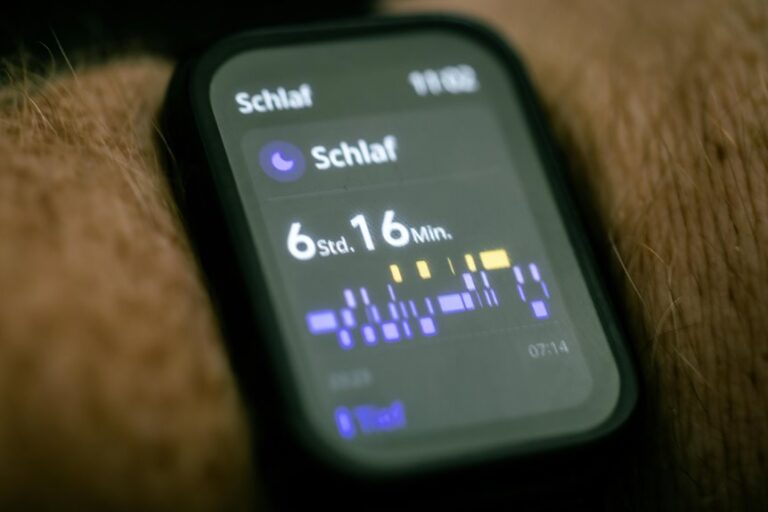
When your sleep data shows lighter sleep, more awakenings, or shorter recovery windows, it can be a quiet sign that stress is building. You don’t need to panic; look for sleep stage clues that repeat across nights. Notice whether your bedtime recovery patterns improve after calmer evenings or slip when you feel tense.
- You may feel tired, even after a full night.
- You may wake up wired, not rested.
- You may feel relieved to see a pattern, because it means you’re not imagining it.
Use these signals as gentle awareness, not judgment. When the trend stays off, protect your evenings with slower routines, less scrolling, and a steadier wind-down. Your body’s trying to tell you something, and you’re allowed to listen with kindness.
Find Your Biggest Daily Stress Triggers
You can start by noticing when your stress tends to spike during the day, like during meetings, commutes, or busy afternoons.
Your wearable can help you spot those peak times and show whether your heart rate, HRV, or breathing changes in a consistent pattern.
Once you see the repeats, you’ll have a clearer picture of what’s most likely setting you off, and that can feel surprisingly relieving.
Identify Peak Stress Times
Even if stress feels random, your wearable can help you spot the pattern by showing when your heart rate, HRV, sleep quality, or respiration shift most during the day. You can look for peak stress windows and build stress timing maps that reveal when you need extra care. That data doesn’t judge you; it simply helps you feel less alone and more prepared.
- Morning rushes may leave you tense before you notice it.
- Work meetings can quietly drain your energy.
- Evening overload can make rest feel far away.
When you know your hardest hours, you can plan a pause, breathe, or step outside before overwhelm grows. Small adjustments can protect your mood, and you deserve that support.
Track Trigger Patterns
Once you’ve spotted your stress-heavy hours, the next step is figuring out what sets them off. Use trigger mapping to note what happened right before your wearable buzzed: a meeting, crowded commute, skipped lunch, or poor sleep. Then compare the number with context clues like location, calendar events, and who you were with.
| Trigger | Context clue | Next step |
|---|---|---|
| Email flood | Desk, noon | Close inbox for 10 minutes |
| Tough call | Calendar block | Breathe slowly |
| Short sleep | Low HRV | Slow down today |
You’re not overreacting; you’re learning your pattern. When you see repeats, you can plan kinder responses, ask for support, and protect your energy before stress builds.
Use Breathing Reminders When Stress Spikes
When your wearable flags a stress spike, set breathing alerts so you get a gentle reminder to slow down.
Pause for a moment, even if you’re busy, and let the signal help you step out of the surge.
A few slow breaths can steady your body and help you reset with more calm.
Set Breathing Alerts
If your wearable flags a stress spike or shallow breathing, let it prompt you to pause and take a few slow breaths. Set breathing alerts so guided breathing cues and respiratory reset prompts arrive right when you need them, not after the moment has passed. You’re not failing; you’re learning to listen sooner.
- A gentle buzz can steady your chest and remind you that you’re safe.
- A short breathing pattern can help you feel less alone in the rush.
- A calm alert can turn a hard minute into a shared reset.
Choose settings that feel kind, then let the device support you with easy, repeatable reminders.
Over time, these nudges can build confidence, helping you trust your body and stay connected to yourself.
Pause During Peaks
During a stress peak, let your wearable interrupt the rush with a quick breathing reminder so you can pause before things spiral. You’re not failing; you’re catching the moment early.
When the buzz comes, take a beat, drop your shoulders, and use mindful microbreaks to step back from the pressure. A brief cue can help you notice racing thoughts, tight hands, or a clenched jaw before they take over.
Treat the alert like a friendly nudge from your team, not a demand. Then try quick grounding exercises: feel your feet, name three things nearby, or relax your grip.
These small pauses won’t fix everything, but they can help you stay present, steady, and connected to yourself when stress climbs.
Reset With Slow Breaths
As soon as your wearable prompts you, slow your breathing down and let the exhale run a little longer than the inhale. That simple shift can turn a spike into a slow breathing reset, helping your body feel less alone in the moment.
When stress rises, answer the alert with a guided breath break: inhale for four, exhale for six, and repeat until your chest loosens.
- You may feel your shoulders drop.
- You may notice your thoughts soften.
- You may remember you can get through this.
Your watch or ring isn’t judging you; it’s nudging you back to yourself. Trust the cue, breathe with it, and let the rhythm remind you that calm is still within reach.
Check Stress Scores at Consistent Times
Check your stress score at the same times each day so you can spot real patterns instead of reacting to normal ups and downs.
Choose consistent morning check ins before your day gets busy, and take fixed evening stress snapshots after you’ve settled down.
When you compare like with like, your wearable’s numbers feel less confusing and more useful.
You’ll notice what’s steady, what shifts, and when you may need extra care.
If a score looks higher than usual, pause and breathe instead of judging yourself.
You’re not chasing perfection; you’re building a kinder picture of how your body moves through the day.
That steady rhythm helps you feel informed, grounded, and part of your own support system.
Compare Stress With Caffeine and Exercise
When you compare stress readings with caffeine and exercise, you start to see what’s driving the spikes instead of assuming every alert means the same thing. A caffeine sensitivity comparison helps you notice whether coffee, tea, or energy drinks raise your heart rate or lower HRV more than usual. Your exercise stress response may look similar at first, but it often settles faster after a walk or workout. That distinction can feel reassuring when you’re trying to fit in, not fail.
- You’re not overreacting; your body’s just talking.
- You can spot what truly unsettles you.
- You can trust patterns without judging yourself.
Track both side by side, and let your wearable remind you that your reactions make sense.
Turn Wearable Data Into Better Habits
Instead of letting stress alerts pile up, use them as small prompts to change what happens next. When your watch flags rising heart rate or shallow breathing, pair that cue with one simple action: stand, stretch, sip water, or take three slow breaths.
That’s habit stacking, and it makes behavior change feel natural, not forced. You’re not trying to fix everything at once; you’re teaching your body a new response.
Track patterns across a week, then choose one trigger and one helpful move. If evenings spike, set a guided breathing break before dinner. If meetings drain you, walk after them. Small wins build confidence, and confidence helps you stay connected to your own needs and your people.
Frequently Asked Questions
Which Wearable Has the Best Stress Detection Accuracy?
No single wearable is universally best. Choose the device whose sensor locations and measurements match your body and routine after comparing stress metrics. Rely on heart rate variability, electrodermal activity, sleep data, and overall comfort together.
Can Wearable Stress Tracking Help With Panic Attacks?
Yes. Wearable stress trackers can identify patterns that precede panic attacks and provide early alerts. They offer timely prompts to slow your breathing, take a moment, and regain composure, which can reduce isolation and increase a sense of control.
Do Stress Alerts Work Better During Work or Sleep?
Stress alerts tend to be more effective during the workday because they can detect typical work-related stress patterns and prompt timely action. During sleep the signals are often noisier, but alerts can still reveal problems with recovery.
Should I Use a Wearable if I Already Journal My Anxiety?
Yes. A wearable provides continuous, objective data such as heart rate changes and sleep quality while your journal captures thoughts, triggers, and coping strategies. Using both helps you identify specific patterns more quickly and gives a clearer picture of what precedes anxiety episodes, reducing isolation and helping you test which techniques actually work.
Can Stress-Tracking Wearables Be Used With Meditation Apps?
Yes. Wearables can connect with meditation apps; one study reported a small increase in stress awareness after 15 days of monitoring. Integrated features often include synchronized meditation sessions and real-time breathing feedback, which can help users feel more supported and calmer.