
Alls In One Pc setups suit you when desk space matters but you still want a proper screen, keyboard, and dependable Windows machine in one place. This roundup leans toward home offices, shared family desks, study corners, and small workspaces where cable clutter gets old fast. You’ll also see one mini PC in the mix, since some setups need the same compact spirit without the built-in display. The focus here is practical fit, not flash.
The Shortlist At A Glance
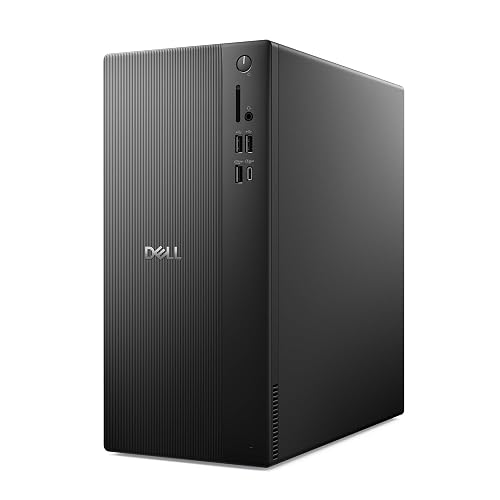
Dell Tower Desktop, Intel Core Ultra 7-265, 32GB RAM, ECT1250
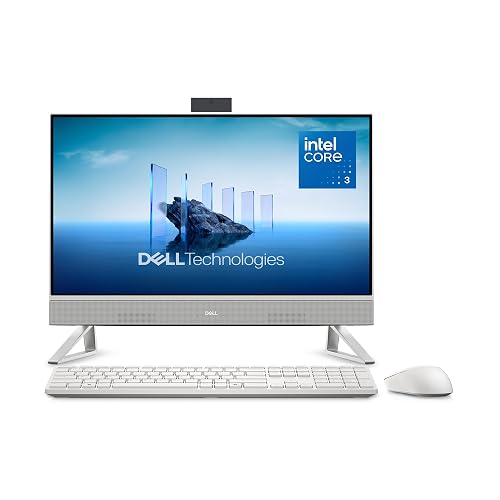
Dell 23.8″ All-in-One Desktop, FHD, Intel Core 3 100U, EC24250
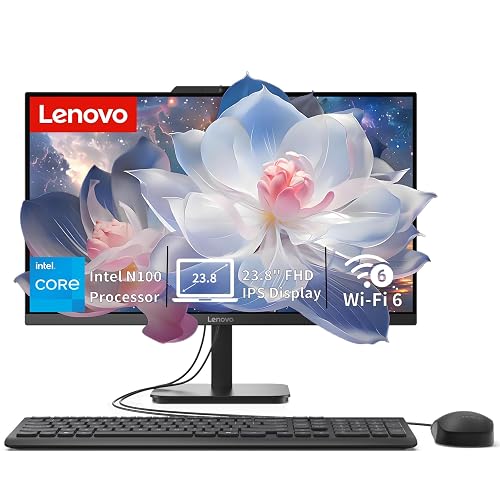
Lenovo IdeaCentre All-in-One Desktop Computer, 8GB RAM 512GB SSD
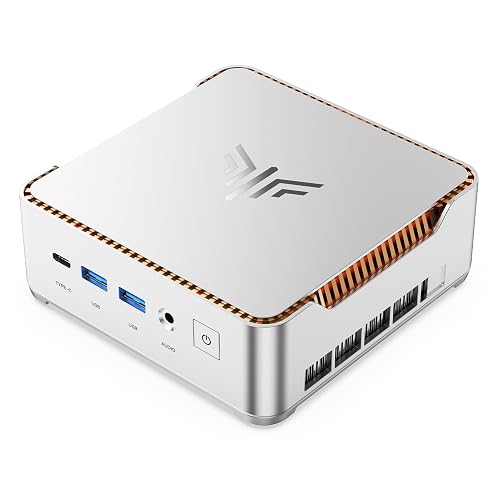
KAMRUI Hyper H2 Mini PC, Core i5-14500HX, 16GB RAM, 512GB SSD

Lenovo IdeaCentre 24 All-in-One Desktop Computer Intel 16GB 512GB SSD AIO

Lenovo IdeaCentre 24″ FHD All-in-One Desktop, 16GB RAM 512GB SSD
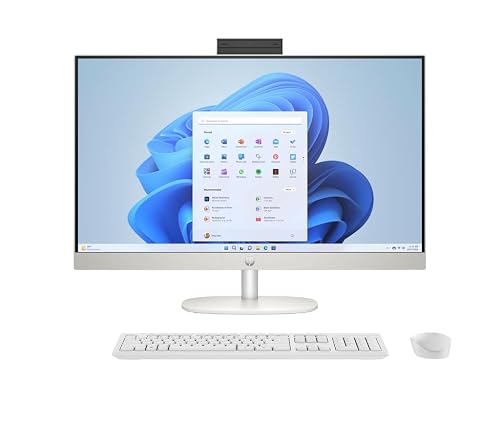
HP 27 inch All-in-One Desktop PC, FHD Touchscreen, AMD Ryzen 5 7520U
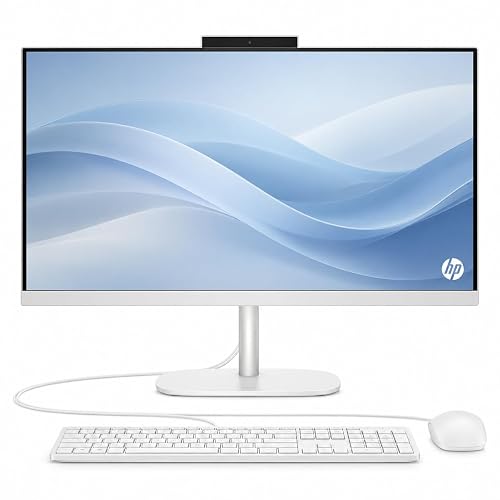
HP OmniStudio 24″ Full HD All-in-OneDesktop Computer, 16GB DDR5 RAM
More Details On Our Top Picks
This Dell takes a different route from the all-in-one crowd, since you get tower flexibility instead of an attached screen. The Intel Core Ultra 7-265, 32GB of memory, and 1TB PCIe NVMe solid-state drive give you a roomy setup for heavy browser work, office apps, and lots of open tabs. That solid-state drive, often called an SSD, loads files faster than a spinning hard drive and keeps the system feeling quick in daily use.
The trade-off is obvious, it takes more desk space than the all-in-one picks above, and you’ll need to place your own monitor. In a home office where you already own a good display, that’s a fair exchange for the stronger headroom and the bundled keyboard and mouse. For power users who dislike a cramped chassis, this one makes sense.
Strong Points
- Core Ultra 7 power suits demanding multitasking without feeling strained.
- 32GB memory helps keep large spreadsheets, calls, and tabs open together.
- 1TB SSD gives you plenty of room for files and software.
- Wi-Fi 6 and Bluetooth cover modern wireless desk setups.
- Keyboard and mouse are included, so first setup stays simple.
Things To Consider
- It needs a separate monitor, which adds cost and desk planning.
- The tower shape suits a side cabinet better than a tiny desk.
- Intel UHD graphics fit everyday work better than graphics-heavy play.
Feature Snapshot
Who It Suits Best
You’ll appreciate this most in a work-from-home setup where speed matters more than saving every inch of desk space.
A Better Fit Elsewhere
Dell 23.8″ All-in-One Desktop, FHD, Intel Core 3 100U suits you better when you want the screen and system combined in one clean footprint.
This Dell all-in-one is built for the kind of desk that needs to stay tidy without feeling stripped down. A 23.8-inch full HD screen gives you enough space for work documents, schoolwork, and streaming, while the Core 3 100U and 8GB memory point to light everyday use rather than demanding creative work. The included keyboard and mouse keep the setup clean from the start.
Dolby Atmos speakers are a nice touch for video calls and casual viewing, though they won’t replace a separate speaker system for anyone chasing fuller sound. Compared with the Dell tower above, this machine is the neater choice, and it’s easier to live with in a shared room or apartment desk. The honest read is that it fits everyday tasks best, not heavy workloads.
Highlights
- 23.8-inch full HD panel gives you a balanced everyday workspace.
- All-in-one design reduces cable clutter and keeps the desk simple.
- Keyboard and mouse are bundled, so setup feels straightforward.
- Wi-Fi 6E gives you a current wireless option for busy homes.
Minor Gripes
- 8GB memory suits light use more than heavy tab hoarding.
- Dolby Atmos speakers help, though external audio still has an edge.
- The larger display surface needs a bit more desk width than a compact mini PC.
Quick Facts
Who Will Love This
You’ll get the most from this in a family room, dorm corner, or home office where simple setup matters more than maximum horsepower.
Look Elsewhere When
Lenovo IdeaCentre 24″ FHD All-in-One Desktop, 16GB RAM 512GB SSD suits you better if you want more memory headroom for heavier multitasking.
Lenovo leans into the middle ground here, and that’s useful for many homes. The 24-inch full HD anti-glare IPS display, meaning an in-plane switching panel that keeps colors and viewing angles steady, helps in bright rooms where screen reflections can be distracting. You also get Wi-Fi 6 and Bluetooth 5.2, which make a modern wireless desk easier to manage.
The 8GB memory and 512GB SSD keep it in the comfortable everyday lane, much like the Dell all-in-one above, though Lenovo’s anti-glare screen gives it an edge for window-lit spaces. For study sessions, family browsing, and weekday admin, the trade-offs stay reasonable. It’s the kind of setup that feels calm rather than demanding.
Upsides
- Anti-glare IPS screen helps reduce reflections in brighter rooms.
- 24-inch size gives you a useful working area without crowding a desk.
- Wi-Fi 6 and Bluetooth 5.2 support modern accessory habits.
- 512GB SSD keeps startup and app loading quick for routine use.
Points To Note
- 8GB RAM is fine for light multitasking, though not roomy for heavier work.
- The 4-core processor fits everyday jobs more than intensive editing.
- Shared desks may still feel a little tight around a 24-inch screen.
Details At A Glance
Built With In Mind
You’ll like this most in a bright household office or a student desk that needs a calm, dependable machine.
Where A Sibling Pick Shines
Dell 23.8″ All-in-One Desktop, FHD, Intel Core 3 100U suits you better if bundled speakers matter more than screen treatment.
The KAMRUI keeps the desktop footprint tiny, which is the whole point of a mini PC. A Core i5-14500HX, 16GB memory, and PCIe 4.0 SSD make it a stronger fit than many basic compact boxes, especially for office work and multi-monitor setups. PCIe 4.0 is a faster storage interface, so file access and startup tend to feel snappier than older designs.
Triple 4K display support stands out right away, and that matters in a workspace with several windows open at once. Compared with the Dell tower, you’re giving up full-size flexibility for a much smaller shell, so cable management becomes the main job. That trade-off suits desks that need breathing room.
Standout Traits
- Very small body fits neatly behind a monitor or under a desk.
- Core i5-14500HX gives you strong office-class speed for the size.
- Triple 4K output support helps serious multi-monitor layouts.
- HDMI, DisplayPort, USB-C, and Ethernet make connection planning easier.
- PCIe 4.0 SSD keeps everyday loading quick and tidy.
Areas To Watch
- You still need your own monitor, keyboard, and mouse.
- The small case can make port access feel tighter than on a tower.
- Office and business use suit it more naturally than couch-side family browsing.
Core Details
Right Fit For
You’ll get the most from this at a desk where a small box and separate monitor make more sense than an all-in-one screen.
Another Choice May Suit
Lenovo IdeaCentre 24 All-in-One Desktop Computer Intel 16GB 512GB SSD AIO suits you better if you want the display built in from day one.
This Lenovo is made for households that want one tidy machine to cover several jobs. The 24-inch all-in-one format saves room, and the 16GB memory gives it more breathing space than the 8GB models above, which matters once several apps are open at the same time. In a work-study corner, that extra headroom feels useful very quickly.
Wi-Fi 6 keeps the wireless side current, and Windows 11 Home gives you the familiar desktop layout most people already know. Compared with the Dell 23.8-inch option, this one feels more ready for mixed use, especially in a shared family space. The Ebony Black finish is a quiet touch, nothing flashy, just easy to place almost anywhere.
Bright Spots
- 16GB RAM gives you more room for multitasking than entry-level 8GB setups.
- Space-saving all-in-one build keeps the desk from feeling crowded.
- Wi-Fi 6 suits modern home networks and streaming habits.
- Works well for work, study, browsing, and family use in one machine.
Room For Improvement
- The all-in-one design still limits upgrade flexibility compared with a tower.
- It’s a better generalist than a specialist for demanding creative work.
- The screen size works well for most desks, though wider layouts may want more panel room.
Feature Rundown
Whose Shelf It Belongs On
You’ll like this most in a shared household desk, especially where several people use the same computer for everyday tasks.
Skip It When
KAMRUI Hyper H2 Mini PC suits you better if you already own a monitor and want a smaller base unit.
This Lenovo sits in a very familiar sweet spot: enough memory for daily multitasking, enough storage for a practical home library, and an all-in-one shape that keeps cords under control. The 24-inch full HD screen gives you room to work without turning the desk into a command center. For most homes, that balance matters more than chasing the flashiest spec sheet.
Compared with the previous Lenovo all-in-one, this model adds Bluetooth 5.2, which helps when you plan to connect wireless accessories or earbuds around the desk. The Intel 4-core processor keeps it in everyday territory, so it’s best matched to browsing, schoolwork, email, and streaming. The blue finish gives it a bit more personality than the blacker options nearby.
Best Bits
- 16GB RAM gives you comfortable room for several open tasks.
- 512GB SSD keeps loading quick and storage practical.
- Wi-Fi 6 and Bluetooth 5.2 support a current desk setup.
- 24-inch full HD screen fits well on a typical home workstation.
Softer Spots
- It still suits general use more than intense creative work.
- The all-in-one form leaves less room for future hardware changes.
- The color finish is a style point, not a performance advantage.
Feature Card
Made For
You’ll appreciate this most as a family desk computer or a steady home office station that doesn’t need extra fuss.
Reach For A Different Pick When
HP 27 inch All-in-One Desktop PC, FHD Touchscreen, AMD Ryzen 5 7520U suits you better if a larger panel and touch input matter more.
A 27-inch all-in-one gives you more room to spread out, and this HP leans into that idea with a touchscreen panel and a full 1TB SSD. That combination works especially well for mixed household use, where one person may be browsing while another handles photos, documents, or video calls. The Ryzen 5 7520U and 16GB memory keep it in a stronger everyday class than the smaller 8GB models.
Built-in speakers and Windows 11 Pro add practical value, especially for shared workspaces that need a little more polish. The larger display is the obvious draw, though it also asks for a wider desk and a bit more viewing distance. Compared with the Lenovo all-in-ones above, this HP feels more spacious and a bit more versatile for touch-first use.
Reasons To Buy
- 27-inch screen gives you extra space for multitasking and media.
- Touchscreen input can feel handy for casual navigation and shared use.
- 1TB SSD gives you roomy local storage for files and media.
- 16GB RAM helps the system handle everyday multitasking more comfortably.
- Built-in speakers reduce the need for extra desk accessories.
Small Caveats
- The larger footprint needs more desk width than the 24-inch models.
- Touch use is convenient, though not everyone relies on it day to day.
- The bigger panel may feel more than you need for a tight corner.
Core Details
The Right Fit
You’ll get the most from this in a room with enough space for a larger screen and a more hands-on style of use.
Swap It Out When
Dell 23.8″ All-in-One Desktop, FHD, Intel Core 3 100U suits you better if you want a smaller desk footprint and simpler everyday use.
The OmniStudio feels aimed at someone who wants a tidy desktop with a more polished look. DDR5 memory, which is a newer memory standard, should help the system feel responsive in routine work, and the bundled keyboard and mouse keep setup simple. For light productivity, school tasks, and casual household use, that cleaner package matters a lot.
The 128GB SSD is the clear constraint here, so this suits a lighter software load and a modest file library. Compared with the Lenovo and Dell all-in-ones above, this HP trades storage room for a neater entry-point setup. That makes it more of a focused everyday desk machine than a catch-all computer.
Positives
- DDR5 memory adds a newer, responsive foundation for daily work.
- 24-inch full HD screen fits neatly on smaller home desks.
- Keyboard and mouse are included for a quick setup.
- Wi-Fi 6 supports current home networking habits.
Worth Noting
- 128GB SSD fills up faster than the 512GB and 1TB options above.
- It suits lighter software loads more than bigger local libraries.
- The compact package is tidy, though storage management takes more attention.
Key Specs
Who Should Grab It
You’ll like this most for a light-use desk where storage needs stay modest and a neat look matters.
Where Another Pick Suits Better
Lenovo IdeaCentre 24 All-in-One Desktop Computer Intel 16GB 512GB SSD AIO is the safer fit for anyone who wants more storage room from the start.
How To Choose The Right Alls In One Pc
Start With The Desk, Not The Spec Sheet
Desk size decides more than most people expect. A 23.8-inch or 24-inch all-in-one usually fits a home office or bedroom corner without crowding everything else, while a 27-inch model asks for more width and a little more viewing distance. Mini PCs skip the built-in screen altogether, so they suit you best only when a monitor is already part of the plan.
That detail matters because the whole point of an all-in-one is reducing clutter. A larger panel can feel comfortable, but it also needs room for speakers, notebooks, and a coffee mug without turning the setup into a traffic jam.
Match Memory And Storage To Real Use
RAM, short for random access memory, affects how many things stay open comfortably at once. Eight gigabytes works for browsing, schoolwork, and lighter family use, while 16GB gives you more breathing room for multitasking and a steadier feel across the day. Thirty-two gigabytes is better suited to heavier office loads, lots of tabs, and busier home workstations.
Storage matters just as much. A 512GB SSD fits a typical everyday machine well, but 128GB fills quickly, especially once photos, downloads, and several apps pile up. A 1TB SSD is easier to live with for long-term use, especially when you’d rather keep files local instead of constantly managing space.
Think About Screen Features And Sound
Full HD is enough for most home desks, but the panel type still changes the feel. IPS screens usually keep the image more consistent from side angles, and anti-glare finishes help in bright rooms where reflections can get annoying. Touchscreens help in shared spaces, though they’re more of a convenience than a necessity for many setups.
Audio is easy to overlook until you sit through a long call or stream a show after work. Built-in speakers can be enough for casual use, while Dolby Atmos branding or larger chassis designs may offer a fuller everyday sound profile. Still, separate speakers or headphones remain the safer route for anyone who cares a lot about audio.
Look At The Extras That Change Daily Use
Wireless support, included keyboard and mouse sets, and port layout all shape how smooth setup feels. Wi-Fi 6 and Bluetooth are the more current baseline here, and they help with stable networking plus wireless accessories. HDMI, USB-C, DisplayPort, and Ethernet matter most on a mini PC, where your monitor and peripherals are chosen separately.
The smarter move is to match the machine to the room, not to chase the biggest number on the page. In a shared household, a tidy all-in-one often beats a stronger but messier tower. In a dedicated office, a mini PC or tower can make more sense because the rest of your gear is already in place.
What To Weigh Before You Decide
Common Shopping Slip Ups
Plenty of people fixate on screen size and forget storage or memory. That usually leads to a machine that looks roomy but feels cramped once a few apps, browser tabs, and files are open.
Another easy miss is assuming every all-in-one handles the same workload. A light-use model works fine for browsing and school tasks, while a more powerful tower or mini PC makes more sense for heavier multitasking.
What The Higher Tier Buys
More expensive models usually bring better processors, more memory, larger SSDs, or bigger and more flexible displays. That extra headroom shows up in smoother multitasking, fewer storage headaches, and a setup that feels less boxed in over time.
Paying up makes the most sense when the computer is central to your day. A home office, a shared family station, or a desk that stays busy from morning to night is where that upgrade earns its keep.
Frequently Asked Questions
What does Alls In One Pc mean?
It refers to a computer that puts the display and core hardware into one housing. You get a cleaner desk and fewer separate pieces to arrange.
Is 8GB RAM enough for everyday use?
For browsing, email, documents, and light school work, 8GB can be enough. More memory helps once you keep several apps and tabs open at the same time.
Do all of these include a keyboard and mouse?
Several of the all-in-one models do, and the mini PC can depend on your own accessories. The product page is the safest place to confirm what’s bundled.
Should you choose a 24-inch or 27-inch screen?
Twenty-four inches works well for most desks and keeps the footprint manageable. Twenty-seven inches suits you better when you want more room for side-by-side work and have the desk width for it.
Why pick a mini PC instead of an all-in-one?
A mini PC fits a tighter footprint and gives you more freedom to choose your own monitor. That route is better when you already have display gear you like.
Closing Thoughts
The right Alls In One Pc comes down to how much room you have and how hard the machine will work each day. A 24-inch model usually gives you the easiest balance, while a 27-inch screen feels more generous and a mini PC gives you the most setup freedom. Dell and Lenovo cover the everyday sweet spot well, HP leans into bigger-screen comfort, and the KAMRUI makes sense for a compact desk with separate gear. Choose the setup that matches your room first, and the rest tends to fall into place.