
You need the right cable for the job, not just a fast-sounding label. Some setups call for short patch leads behind a desktop or router, while others need long in-wall runs, plenum-rated cable, or a heavier jacket for a game room rack.
That split matters more than people expect. The eight picks below cover home desks, small office switches, network closets, and long cable pulls, so you can match the cable to the space instead of forcing one shape to do everything.
Quick Look At The Shortlist
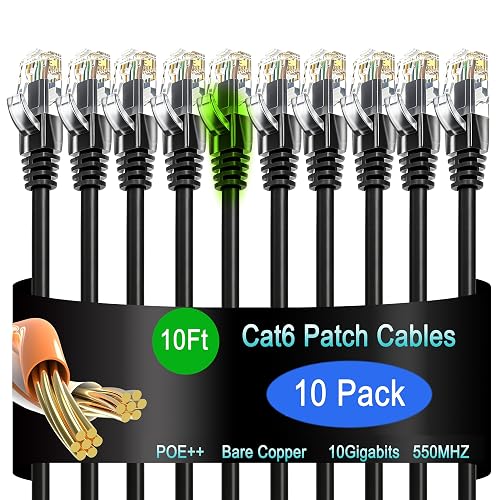
Lysymixs Cat6 Ethernet Patch Cable 10 ft (10 Pack)
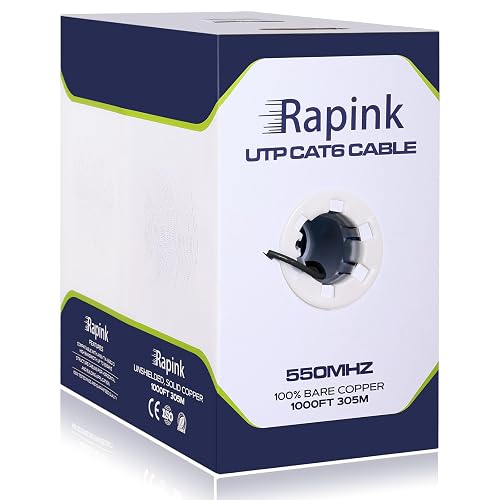
Rapink Cat6 Ethernet Cable 1000ft
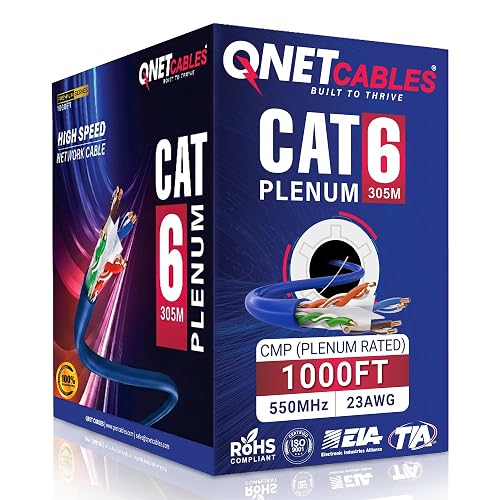
QNET CABLES Cat6 Plenum Cable 1000ft
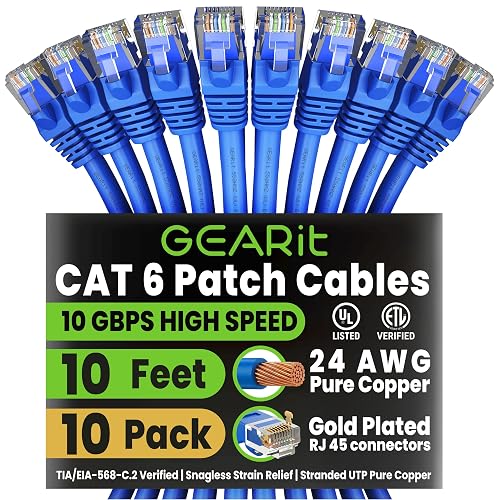
GEARit Cat6 Patch Cables 10 ft 10-Pack Blue
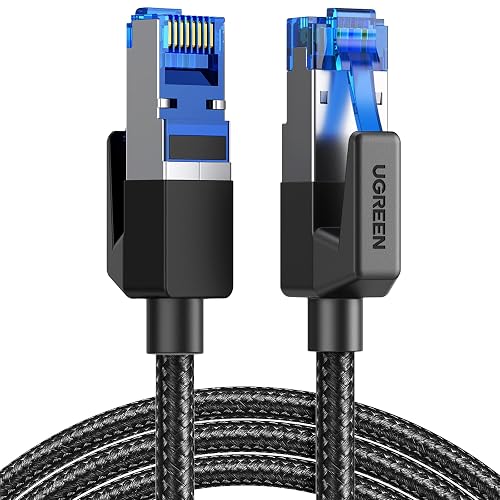
UGREEN Cat 8 Ethernet Cable 10FT
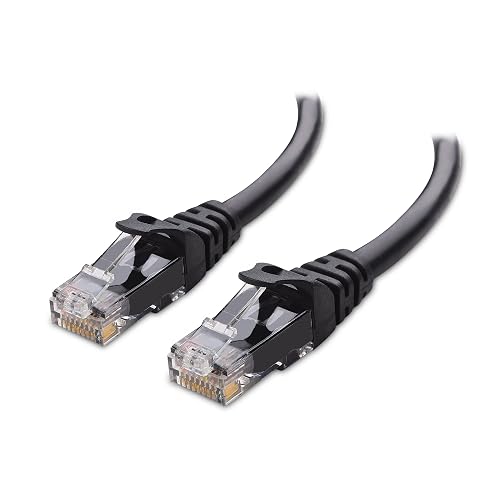
Cable Matters 10Gbps Snagless Cat 6 Ethernet Cable 25ft
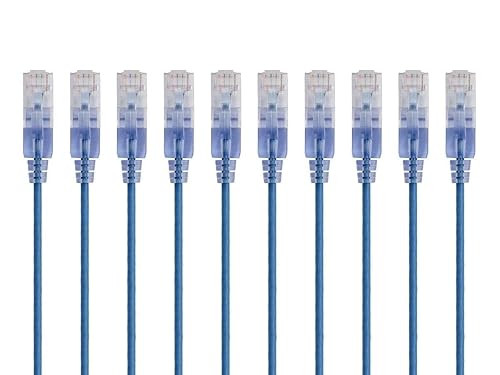
Monoprice Cat6A Ethernet Patch Cable SlimRun Series 10-Pack
UGREEN Cat 8 Ethernet Cable 6FT
More Details On Our Top Picks
The 10-pack format suits desks, media shelves, and small rack cleanups where you need several equal-length leads at once. The 26AWG, or 26-gauge, conductor gives you a thinner cable body than heavier patch cords, which helps around crowded gear, though it can feel less substantial than the bulkier options later in this list.
You get a straightforward Cat6 patch cable with 10-foot length and pure copper construction, which is the kind of setup that makes sense for home offices and light enterprise use. The honest read is that it favors tidy routing over flashy extras, so it’s a sensible fit for people who want a simple bundle and not a lot of fuss.
What We Like
- Ten matching cables keep a small network consistent.
- 10-foot length reaches a desk to a wall jack cleanly.
- Pure copper conductors suit steady daily use in mixed home and office setups.
- Thin 26AWG build helps in tight spaces behind switches or cabinets.
Small Caveats
- The slimmer cable profile gives you less of that thick, hefty feel.
- Ten feet is handy for many runs, but some workspaces need shorter or longer links.
Feature Snapshot
Who It Suits Best
Home office setups, small server racks, and desk clusters benefit most from this bundle.
A Better Fit Elsewhere
GEARit Cat6 Patch Cables 10 ft 10-Pack Blue suits you better when you want a similar bundle with gold-plated RJ45 connectors and a slightly more hardware-forward feel.
This spool is built for people handling long custom runs, not quick plug-and-play swaps. The 23AWG wire, meaning a thicker conductor than the 26AWG cable above, helps explain why installers often favor this kind of cable for structured work across offices, shops, or large homes.
UTP means unshielded twisted pair, and that matters because it keeps the cable simpler and easier to manage, though it also leaves shielding duties to the installation environment. You gain 1000 feet of material to cut exact lengths, which is excellent for planned jobs and a little much for casual patching.
Highlights
- 1000-foot spool gives you room for multiple long runs.
- 23AWG conductor size suits heavier-duty installs.
- Solid bare copper construction fits structured cabling work.
- UTP design keeps the cable straightforward to route and terminate.
- 550MHz rating supports high-throughput network planning.
Areas To Watch
- The spool format makes sense for installers, but it’s more than most homes need.
- Solid cable is less forgiving of rough bends than patch cords.
- Cutting, terminating, and labeling add setup work.
Core Details
Who Should Grab It
Network installers, office cablers, and careful DIYers with large routing plans will get the most value here.
Reach For A Different Pick When
Cable Matters 10Gbps Snagless Cat 6 Ethernet Cable 25ft fits you better for a single long room-to-room link without spool work.
The plenum-rated jacket is the key reason this spool stands apart from Rapink’s more general-purpose 1000-foot cable. Plenum cable is designed for air-handling spaces in buildings, so it belongs on careful installs where route planning and building code concerns matter.
The easy-pull box and foot markings add a practical touch, especially when the cable leaves the box and moves through long paths, attics, or wall channels. You may find it especially useful on commercial-style jobs, because the blue jacket helps trace a run quickly during maintenance.
Reasons To Buy
- CMP rating makes it fit more demanding building routes.
- 1000-foot length supports larger projects without piecing together multiple spools.
- Foot markings help you measure runs as you pull cable.
- Easy-pull box keeps the spool manageable on site.
- 23AWG, 4-pair construction fits structured networking installs.
Points To Note
- Plenum cable usually makes sense only where that jacket type is needed.
- It asks for more planning than a simple patch lead.
- The spool is less convenient for casual desktop cable swaps.
Feature Rundown
Built With In Mind
Commercial spaces, in-wall routes, and careful whole-home network projects are the best match here.
Another Choice May Suit
Rapink Cat6 Ethernet Cable 1000ft suits you better for simpler long runs where plenum-rated cable is not part of the plan.
GEARit feels like the tidy middle ground in this lineup, especially beside Lysymixs’ slimmer 26AWG bundle. Here you still get a 10-pack of 10-foot patch cords, but the 24AWG, or 24-gauge, wire is a touch thicker, which often appeals to people who want a more substantial feel behind a router or server shelf.
The gold-plated RJ45 connectors matter because they’re common on cables meant for steady plug cycles, and the snagless shape helps reduce catch points when you route them around clips or tight backs of gear. The blue jacket is easy to spot in a crowded network stack, which is useful during maintenance or swaps.
Upsides
- Ten matched cords help you keep a room or rack uniform.
- 24AWG wire gives a sturdier feel than thinner patch leads.
- Snagless boots help the cable move more smoothly around gear.
- Gold-plated connectors fit frequent disconnect and reconnect use.
- Blue color makes cable tracing easier in busy setups.
Trade Offs
- The bundle format is useful, but it’s more cable than a single-device setup needs.
- Blue is practical for visibility, yet it may not blend into darker furniture as quietly as black.
- The 10-foot length can leave slack in very small media cabinets.
Feature Card
Right Fit For
Home networks, server shelves, and small office switch banks suit this bundle well.
Swap It Out When
Lysymixs Cat6 Ethernet Patch Cable 10 ft (10 Pack) fits you better for lighter, slimmer cable management in a crowded desk area.
Cat 8 is the jump-up pick here, and the spec sheet makes that clear before you even think about cable routing. The braided jacket, shielded build, and 10-foot length give it a tougher, more finished feel than the Cat6 patch cords above, though that extra armor can make it a little stiffer behind tight equipment.
The 40Gbps and 2000MHz markings place it in the high-capacity part of this roundup, which suits gaming PCs, consoles, routers, and modem runs where you want a more aggressive spec margin. You may find it overbuilt for basic browsing, but in a busy entertainment cabinet that extra material can be reassuring.
Best Bits
- Braided jacket adds a tougher outer layer.
- Shielded construction suits more demanding signal paths.
- 10-foot length works cleanly between nearby devices.
- High-rated bandwidth and speed figures suit heavier network loads.
- Fits gaming rigs and mixed home entertainment stacks.
Room For Improvement
- The more armored build can feel less flexible than simpler Cat6 cords.
- It may be more cable than a basic laptop-to-router link needs.
- The heavier jacket can take a little extra care during storage.
Details At A Glance
Who Will Love This
Gaming setups, media cabinets, and high-traffic home networks benefit most from this cable.
Look Elsewhere When
Cable Matters 10Gbps Snagless Cat 6 Ethernet Cable 25ft suits you better for a simpler, softer-feeling run across a room.
This is the most versatile middle-distance cable in the group, which is exactly why it lands near the center of the roundup. The 25-foot length gives you room to reach a wall jack across a living room, tuck behind furniture, or run from an office desk to a distant switch without feeling rushed.
24AWG bare copper, gold-plated RJ45 connectors, and PoE++ support give it a more complete hardware profile than the simpler patch bundles earlier in the list. The trade-off is obvious, though, since the longer length creates more slack to manage, so neat routing matters here more than it does on a 10-foot lead.
Standout Traits
- 25-foot length helps in bigger rooms and shared workspaces.
- Snagless design reduces snags behind furniture and gear.
- 24AWG bare copper fits a solid everyday networking profile.
- Gold-plated RJ45 connectors suit regular insertion and removal.
- PoE++ support broadens usefulness for powered network devices.
Honest Caveats
- The extra length creates more slack to coil and manage.
- Black blends in well, but it can be harder to trace at a glance than colored cables.
- It is more cable than a tight desk corner usually needs.
Technical Sheet
Whose Shelf It Belongs On
Work-from-home desks, family rooms, and compact office layouts fit this cable especially well.
Skip It When
Monoprice Cat6A Ethernet Patch Cable SlimRun Series 10-Pack suits you better for short, slim cable management inside a rack or panel.
Monoprice leans into slim cable management, and that shows up fast in tight racks and patch panels. The 30AWG wire is thinner than the 24AWG and 26AWG cords above, so it’s easier to route in bundles, though the trade-off is a lighter, less substantial feel.
The Cat6A label matters because it pushes this pick into the higher-spec side of the Cat6 family, while the 10-pack format keeps it practical for organized installs. For people cleaning up a network cabinet or a media wall, it feels a bit like swapping a bulky backpack for a neat shoulder bag, just without the drama.
Bright Spots
- Slim profile helps keep crowded panels manageable.
- 30AWG wire is easier to bend and dress neatly.
- 10-pack format helps you keep every run matched.
- Snagless RJ45 ends reduce catch points during installation.
- Pure bare copper construction suits dependable networking use.
Worth Noting
- The slim build is useful, but it feels less heavy than thicker patch cords.
- Ten feet is a set length, so it won’t solve every routing problem.
- Blue stands out visually, which is helpful in racks but not always subtle in living spaces.
Core Details
The Right Fit
Patch panels, network closets, and compact equipment stacks suit this cable best.
Where A Sibling Pick Shines
GEARit Cat6 Patch Cables 10 ft 10-Pack Blue works better for you when you want a thicker 24AWG feel instead of Monoprice’s slim profile.
The 6-foot length makes this the tidiest UGREEN cable in the group, especially for modem-to-router jumps or a console sitting close to the TV cabinet. It carries the same braided, shielded Cat 8 build language as the 10-foot version, so you get the tougher construction in a shorter run that is easier to dress neatly.
That short length is the main reason to choose it, because it helps reduce clutter in entertainment stands and desk corners where extra slack becomes annoying fast. The flip side is simple: you give up reach, so this works best for close-quarters setups rather than room-spanning layouts.
Standout Traits
- 6-foot length keeps short runs tidy.
- Braided exterior adds a more substantial finish.
- Shielded Cat 8 construction suits dense device clusters.
- Works neatly for modem, router, and console placement.
Minor Gripes
- The shorter reach rules it out for wider rooms.
- It can be more cable than simple background-network use needs.
- Braided construction may need a little more care during storage.
Feature Rundown
Built With In Mind
Console cabinets, modem shelves, and short desk-to-router runs suit this cable well.
Where A Sibling Pick Shines
UGREEN Cat 8 Ethernet Cable 10FT suits you better when your setup needs the same family of cable with more reach.
How To Choose The Right 10g Ethernet Cables
Cable Type Sets The Shape Of The Job
Cat6, Cat6A, and Cat8 all show up here, but they solve slightly different problems. Cat6 patch cords fit most home and office links, Cat6A adds more headroom for denser runs, and Cat8 pushes into heavier-spec territory with shielding and higher ratings.
The right choice depends on distance, device density, and how neat you want the install to look. Short patch leads help behind desks and entertainment centers, while bulk cable belongs in planned routes or structured cabling jobs.
Wire Gauge Changes The Feel
Gauge is the thickness of the conductor, and that affects flexibility, stiffness, and handling. 30AWG and 26AWG cables are easier to tuck behind gear, while 24AWG and 23AWG options usually feel more substantial and suit more permanent or long-run work.
Thinner cable is friendlier in crowded spaces, but thicker wire often gives you a sturdier hand during installation. That trade-off is worth thinking about before you fill a rack or wall panel with the wrong kind of lead.
Length Should Match The Space
A 6-foot cable works cleanly between nearby components, a 10-foot cable fits desks and small rooms, and a 25-foot cable reaches across bigger spaces without strain. Bulk spools make sense only when you plan to cut custom lengths.
Extra length looks harmless on paper, then turns into coils behind furniture or inside a cabinet. Shorter is usually neater, while longer is safer for reach, so the honest answer is to measure the run before you shop.
Jacket, Shielding, And Connector Details Matter
Braided jackets add a tougher outer layer, snagless boots help cables glide past ports and brackets, and shielded constructions can suit noisier equipment clusters. Gold-plated RJ45 connectors are common on more polished patch cords because they’re made to handle repeated plugging.
Plenum-rated cable belongs where building requirements call for that jacket type, and PoE++ support matters for powered network devices. Those features add cost and sometimes stiffness, but they also make the cable fit a more specific job instead of a generic one.
Things Worth Knowing First
Common Shopping Slip Ups
Many people grab the wrong length first, then spend the next week staring at a coil of extra slack. A second common miss is buying a bulk spool for a task that only needs a few patch cords.
Connector style, jacket type, and gauge are easy to skim past, but those details change how the cable behaves behind furniture and inside panels. Measure the route, then match the cable to that route instead of guessing.
Where The Extra Money Goes
Higher-tier cables often cost more because they use heavier conductors, more involved jackets, or more precise build choices. Shielding, braided exteriors, plenum-rated material, and premium connectors all add to the final bill.
You usually pay up for cleaner routing, tougher materials, or a more specific install need. That makes the upgrade sensible in game rooms, racks, or building routes, while a simple patch cord still fits many everyday setups.
Frequently Asked Questions
What length works best for a desk setup?
Ten feet covers a lot of home office layouts without leaving a mess of slack. Six feet fits tighter desk-to-router paths even better.
Do you need Cat8 for a home network?
Cat8 makes sense for heavier-spec setups and short high-demand links. Many homes are served just fine by Cat6 or Cat6A patch cables.
Why choose plenum cable?
Plenum cable belongs in spaces where that jacket type is required by the building route. It is a planning choice, not a casual swap.
What does AWG mean?
AWG is the wire gauge system, and a smaller number means a thicker conductor. Thicker conductors usually feel sturdier, while thinner ones route more easily.
Is shielded cable always better?
Shielded cable helps in some dense or noisy installations, but it is not necessary for every setup. For a basic desk or living room run, simple unshielded cable often makes more sense.
Closing Thoughts
Your best choice depends on the space in front of you, not on the biggest number on the page. A short Cat8 run can be the neat answer for a console cabinet, while a 1000-foot plenum spool belongs in a planned install with real route demands. Match gauge, length, and jacket type to the job, and the cable fades into the background, which is exactly what you want.