
You’re probably here because space matters, but cramped cases can turn a simple build into a knuckle-busting chore. The right Atx Small Cases give you room for graphics cards, sensible airflow, and cleaner cable routing without swallowing your desk or floor space. That balance matters for gaming rigs, work PCs, and tidy home setups that still need serious hardware support.
Quick Look at the Shortlist

DARKROCK EC2 ATX Mid Tower Gaming Computer PC Case Type-C Ready
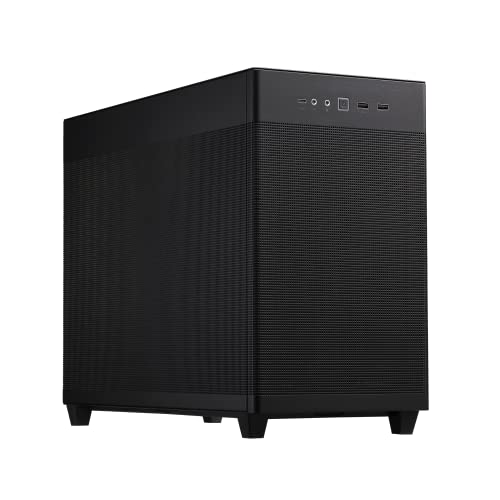
ASUS Prime AP201 Micro ATX PC Case, SFF Ready Compact Design

JONSBO/JONSPLUS Z20 Black Micro-ATX Mini Tower PC Case
TGDGAMER MATX Micro ATX Case, High Airflow Slim PC Case Black

JONSBO D32 PRO Micro-ATX PC Case, High Compatibility Mini Desktop Case

Okinos Genuine Walnut Wood Micro ATX Case, MATX PC Case Black
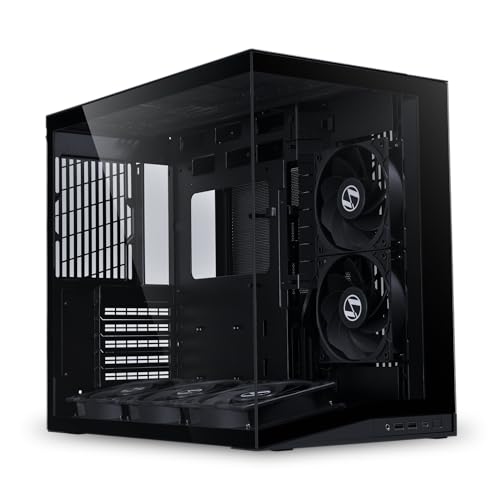
Lian Li O11D MINI V2 Flow-ATX Mid-Tower PC Case Black O11DMIV2FX
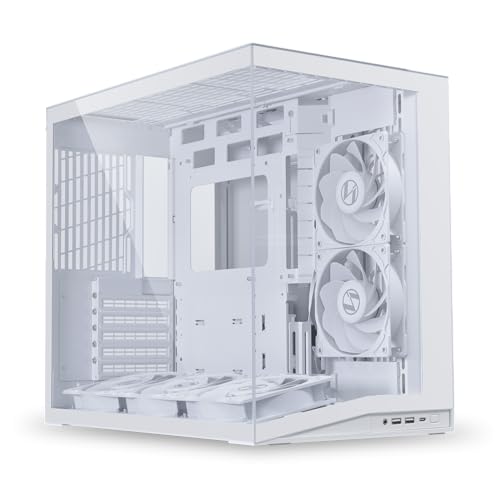
Lian Li O11D Mini V2 Flow Case White O11DMIV2FW
More Details On Our Top Picks
The DARKROCK EC2 gives you the sort of room that makes a gaming build feel less cramped from the start. A tempered glass side panel keeps the internals visible, while support for up to eight 120mm fans and a 360mm radiator points to serious airflow planning.
That extra volume matters for a setup with a larger graphics card, especially since this case is meant to handle current high-end card sizes without forcing awkward compromises. The trade-off is simple, it sits in the mid tower category rather than the ultra-compact end, so desk footprint still deserves a quick check before you commit.
Strong Points
- Eight-fan support gives you room to tune airflow for a warmer room or a higher-wattage build.
- A 360mm radiator option helps you plan liquid cooling without jumping to a much larger chassis.
- The Type-C front connection keeps newer peripherals easier to plug in at the front panel.
- Tempered glass suits a display-focused build and makes cable routing more worth doing neatly.
Things To Consider
- The larger footprint is not ideal for narrow desks or tucked-away floor placements.
- Glass panels tend to show dust and fingerprints, so occasional wiping becomes part of ownership.
- The single pre-installed fan means most performance-focused builds will still want extra case fans.
Core Details
Who It Suits Best
You’re the right fit for this one if you want an ATX case that can handle a roomy gaming build and still leave space for future cooling changes.
A Better Fit Elsewhere
ASUS Prime AP201 Micro ATX PC Case fits better for someone who wants a smaller chassis for a tighter desk or a cleaner office setup.
The AP201 is the kind of micro ATX case that makes sense for a desk-friendly build without feeling cramped inside. Mesh panels help air move through the chassis, and the tool-free side panels matter more than they sound like they do once you’re opening the case for upgrades or dusting.
You also get support for a 360mm radiator, a GPU up to 338mm, and an ATX power supply, which gives the case more parts flexibility than many small-format boxes. The trade-off is that you still need to plan your parts carefully, because compact space rewards tidy cable work and sensible component choices.
What We Like
- Mesh construction helps the case breathe well in a compact layout.
- Tool-free side access makes routine upgrades and cleaning less annoying.
- Support for a 360mm radiator gives you cooling options that are rare in small cases.
- ATX PSU compatibility broadens parts choices for mainstream builds.
- The included fan gives you a head start on basic airflow.
Small Caveats
- The compact layout asks for careful part matching, especially with thicker cooling hardware.
- Mesh designs often need regular dust care to stay looking tidy.
Feature Snapshot
Made For
You’ll like this most for a small desk build, a neat living-room PC, or a compact system where airflow still matters.
Where A Sibling Pick Shines
DARKROCK EC2 ATX Mid Tower Gaming Computer PC Case is the better match for a larger graphics card and a roomier interior.
The Z20 feels built for people who move systems around, whether that means a LAN night, a studio desk swap, or a compact home setup. The detachable carrying handle is the clue here, and it changes the daily reality of a small case more than a flashy side window ever could.
Its mini tower size keeps the footprint under control, while support for a 240AIO and a 160mm cooler gives you practical thermal room for midrange parts. The trade-off is the usual one for portable cases, you gain mobility and lose some of the spacious working room found in the DARKROCK or Lian Li options.
Highlights
- The handle makes transport less awkward for frequent moves.
- Mini tower sizing helps it fit smaller work areas and bedroom setups.
- Support for a 240 AIO keeps liquid cooling on the table.
- A 160mm cooler limit leaves room for many tower air coolers.
Points To Note
- The smaller interior can slow down first-time cable routing.
- Portable cases often benefit from extra care during moves so panels and hardware stay aligned.
- That compact shell may feel tight beside the roomier AP201 or D32 PRO.
Quick Facts
Whose Shelf It Belongs On
You’re the right match for this case if portability matters as much as size, especially for a micro-ATX gaming build that leaves the house now and then.
Swap It Out When
JONSBO D32 PRO Micro-ATX PC Case fits better for someone who wants more room for large hardware and back-connect motherboard support.
Some small cases chase style first, but this TGDGAMER model puts the emphasis on a slim footprint and straightforward airflow. The included 80mm fan helps it get started, and the front USB 3.0 port keeps everyday desk use simple.
It’s also unusual in this group for mentioning compatibility with mini-ITX boards and ATX power, which can make part planning easier for budget-minded or repurposed builds. The honest read is that a slim chassis like this asks you to accept less breathing room than the AP201 or DARKROCK, so part choice matters more.
Best Bits
- The slim shape can suit a narrow desk or a simple office corner.
- One included fan gives you a starting point for airflow.
- USB 3.0 on the front is handy for daily accessories and storage drives.
- ATX power support adds some flexibility for common power supplies.
Areas To Watch
- The slim profile can limit how much internal room you have for larger hardware.
- Smaller chassis usually demand cleaner cable work to keep airflow open.
- The single-fan starting point means many builds will need extra cooling planning.
Details At A Glance
Perfect Match For
You’re looking at a good fit for a compact office PC, a modest gaming machine, or a build where desk space is tight.
A Better Fit Elsewhere
ASUS Prime AP201 Micro ATX PC Case suits you better if you want a more open-feeling compact chassis with mesh airflow.
The D32 PRO is the kind of case that rewards a parts-forward builder. A/B mode for the motherboard layout, support for back-connect and BTF boards, and compatibility with ATX or SFX power supplies give it a lot of flexibility for a small footprint design.
It also makes sense for a showcase build, because the tempered side glass and cable-management cover are aimed at hiding the mess that can turn compact systems into a visual tangle. Compared with the TGDGAMER, this feels far more adaptable, though the broader feature set asks you to spend a little more time planning the layout.
Upsides
- The A/B motherboard layout adds flexibility for different build approaches.
- Back-connect and BTF support help with cleaner cable routing.
- Support for a 365mm GPU gives you room for larger graphics cards.
- A 240AIO and 163mm air-cooler allowance cover many common cooling choices.
- Tempered side glass suits a cleaner display build.
Room For Improvement
- The extra compatibility can make the planning stage more involved for first-timers.
- Glass and cable covers are great for looks, but they also mean more parts to keep clean.
Core Details
The Right Fit
You’re a strong match for this case if you want a compact build with modern motherboard support and room for a serious GPU.
Look Elsewhere When
Lian Li O11D MINI V2 Flow-ATX Mid-Tower PC Case suits a builder who wants a more open, panoramic layout with a showcase feel.
The Okinos case stands apart because the walnut wood front changes the tone of the whole build. That works especially well in a living room setup, a creative workstation, or any desk where you want hardware to feel more furniture-like than flashy.
Four pre-installed 120mm fans give it a strong starting point for airflow, and the tempered glass side panel keeps the internal hardware visible. The trade-off is that the design focus may matter more to you than raw expandability, so it suits style-conscious builders best.
Bright Spots
- The walnut front gives the case a warmer, more finished look than plain steel boxes.
- Four pre-installed fans reduce the need to assemble airflow from scratch.
- Tempered glass helps you show off a tidy interior.
- Type-C support keeps the front I/O more current for newer devices.
Softer Spots
- The decorative finish can make dusting feel a little more deliberate.
- Style-first cases often ask for more care in matching the rest of the build.
- The source data centers on appearance and cooling, so expansion planning deserves an extra look.
Feature Card
Built With In Mind
You’ll get the most from this one in a polished desktop setup where appearance matters just as much as cooling.
Where Another Pick Suits Better
ASUS Prime AP201 Micro ATX PC Case is the safer fit for someone who wants a more neutral, all-purpose compact shell.
The O11D MINI V2 Flow is aimed at people who want their PC to look deliberate from every angle. The panoramic side view and the included five 120mm reverse-blade fans help the case feel built around both airflow and presentation, not just raw size.
That combination gives it a different personality from the more practical ASUS AP201 or the fabric-and-wood Okinos model. The catch is that showcase cases usually ask for a little more planning with cable placement and internal layout, especially once you start adding larger hardware.
Reasons To Buy
- The panoramic layout makes it a strong fit for a visual build.
- Five included reverse-blade fans reduce the amount of cooling hardware you need to source separately.
- Cable management support helps the interior stay cleaner behind the scenes.
- The mid-tower shape leaves more room than the smallest cases in this roundup.
Minor Gripes
- Showcase layouts usually need more patience during assembly than plain boxes.
- Glass-heavy styling can mean more frequent dust care.
- The size is still something you need to plan around before choosing a desk or shelf.
Technical Sheet
Who Should Grab It
You’re the best match for this case if you want a showcase gaming build with airflow already accounted for.
Reach For A Different Pick When
TGDGAMER MATX Micro ATX Case suits a more understated desk build where slim size matters more than display styling.
The white version of the O11D Mini V2 Flow keeps the same panoramic, airflow-first layout but shifts the visual tone to something brighter and cleaner. That makes it a strong match for white-themed components, lighted interiors, or a setup that sits in plain view.
It still includes five 120mm reverse-blade fans and cable management support, so the practical story stays close to the black model. The real choice here is color and presentation, which is why it fits a different kind of workspace rather than a different level of hardware ambition.
Standout Traits
- The white finish suits lighter builds and brighter rooms.
- Panoramic styling keeps the showcase look intact.
- Five included fans give the case a strong airflow baseline.
- Cable management support helps the build look finished from the outside.
Honest Caveats
- White surfaces can show marks more readily, so upkeep matters a bit more.
- The visual style works best when your parts match the color theme.
- Like the black model, the layout rewards careful assembly.
Feature Rundown
Built With In Mind
You’re the best fit for this one if your build is meant to be seen and you want the white finish to shape the whole room’s feel.
Another Choice May Suit
Lian Li O11D MINI V2 Flow-ATX Mid-Tower PC Case Black O11DMIV2FX makes more sense for someone who wants the same layout in a darker finish.
How To Choose The Right Atx Small Cases
Match The Case To Your Board And Power Plan
Start with motherboard size, because micro ATX, ATX, and mini-ITX each change the shape of the build. A compact chassis like the ASUS Prime AP201 can feel roomy for a micro ATX board, while a larger mid tower such as the DARKROCK EC2 gives you more slack for bigger graphics cards and cable loops.
Power supply support matters just as much. Cases that accept ATX or SFX units, like the JONSBO D32 PRO, give you more sourcing flexibility, while a portable mini tower such as the JONSBO/JONSPLUS Z20 asks for a more deliberate fit check.
Cooling Support Tells You How Far You Can Push It
Fan count and radiator support tell you whether a case can handle warmer parts without turning into a cluttered box of compromises. A 360mm radiator option suits a higher-output build, but a case with one included fan usually expects you to add more cooling hardware later.
Also pay attention to fan size and cooler height. A 160mm or 163mm air-cooler limit sounds small, yet it still covers plenty of mainstream tower coolers, while a design with four pre-installed fans, like the Okinos Walnut Wood model, starts you farther ahead on airflow.
Think About Desk Space, Access, And Daily Handling
Small cases are not just about size on paper, because daily use changes the story. Tool-free side panels, detachable handles, and front USB-C ports can save you time in a busy room or a system that gets moved between spots.
Showcase cases reward neat cable work, while slim cases reward careful part selection. That’s why the Lian Li O11D MINI V2 Flow series feels suited to display builds, and the TGDGAMER slim case makes more sense for a straightforward office or secondary PC.
What To Weigh Before You Commit
Hidden Buying Traps
A common mistake is choosing a small case for the footprint alone, then discovering the GPU length or cooler height is too close for comfort. Another is forgetting that glass panels, mesh fronts, and tight interiors usually need more regular dust care.
You also want to check whether the case supports the motherboard style you plan to use, especially with newer back-connect layouts. The JONSBO D32 PRO handles that better than most of the group, while simpler shells may ask for more cable patience.
The Upgrade Payoff
Higher-tier cases usually cost more because they bundle better materials, more included fans, cleaner cable routing, and more flexible layouts. You can see that in the Lian Li O11D MINI V2 Flow models, where the panoramic design and five included reverse-blade fans shape both the look and the airflow story.
It’s worth spending up when the case sits in plain view, carries hotter hardware, or needs to last through several upgrades. For a basic office tower, that extra spend can be hard to justify, but for a showcase gaming system or a long-term build plan, the roomier engineering often pays off in day-to-day ease.
Frequently Asked Questions
What makes an ATX small case different from a full tower?
You get a smaller footprint, but you usually give up some working room for easier building. The trade is worth it when your desk space matters and your parts fit the interior limits.
Are mesh panels better than solid fronts?
Mesh usually helps air move more easily through the chassis. Solid fronts can look cleaner, but they often put more pressure on fan planning.
Do you need extra fans right away?
Many compact cases start with one or a few included fans, which is enough for a basic system. Warm parts or a glass-heavy build often benefit from a more complete fan layout.
Is tempered glass hard to live with?
It looks sharp, but it also shows dust and fingerprints more clearly. A quick wipe now and then keeps it presentable.
Which case type suits a first build best?
A roomy micro ATX case with tool-free panels and good cable space is usually the calmest starting point. The ASUS Prime AP201 and JONSBO D32 PRO both fit that general idea well.
Closing Thoughts
Your best match depends on how much space you have, how often you plan to open the case, and whether the build is meant to blend in or stand out. The DARKROCK EC2 and Lian Li O11D MINI V2 Flow models lean toward larger, more ambitious setups, while the ASUS Prime AP201 and TGDGAMER keep things tighter and simpler. The JONSBO D32 PRO is the flexible middle ground, and the Okinos brings the most character. Choose the case that fits your parts and your desk, and the rest of the build feels easier from there.
