
Case fans look simple until your PC starts running warm, dusty, or louder than you’d like. The right set makes a daily build feel calmer, whether your tower sits under a desk, beside a gaming station, or in a small room that traps heat. This roundup focuses on fan size, speed control, bearing design, daisy-chain convenience, and how much assembly hassle each option saves. You get a cleaner path to the kind of airflow that fits your case, your noise tolerance, and your upgrade plans.
Quick Look At The Shortlist
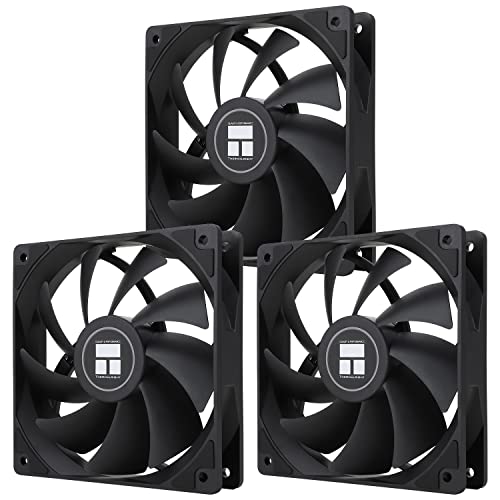
Thermalright TL-C12C-S X3 120mm ARGB Fan Trio
Thermalright TL-C12C X3 120mm PWM Fan Trio

be quiet! Pure Wings 3 120mm PWM Triple Pack

ARCTIC P14 Pro PST 140 mm 5-Pack

Thermalright TL-C12C-S 120mm ARGB 5-Pack

AsiaHorse COSMIQ 120mm Reverse Fan Trio

Jungle Leopard Galaxy 120mm ARGB PWM Fan Trio

Thermalright TL-C12C X5 120mm Unlit Fan
More Details On Our Top Picks
Thermalright’s three-pack makes sense for a mid-tower refresh, especially when you want matching fans without overcomplicating the build. The 120mm size is the common sweet spot for front intake or rear exhaust, and the PWM control lets motherboard curves manage speed instead of running full tilt all the time.
The S-FDB bearing is the kind of detail that usually matters after the novelty wears off, since smoother bearings tend to suit long daily sessions better than rougher budget designs. Compared with the simpler TL-C12C X3 below, this version adds ARGB lighting, so it fits a showier desk setup without changing the basic footprint.
Strong Points
- Three matched 120mm fans make a front intake set or full starter layout easier to plan.
- PWM support helps the fans ramp with load instead of staying loud during light work.
- S-FDB bearing design usually appeals to users who want smoother long-term behavior.
- ARGB adds visible flair for glass-panel cases without changing the fan size or fit.
Things To Consider
- ARGB only matters on a case where the lighting will actually be visible.
- Three fans can be more than you need for a very small office tower.
- Dust cleanup still depends on your case filters and room conditions.
Feature Snapshot
Who It Suits Best
You fit this pick best when you want a dependable 120mm trio for a gaming tower, home office rig, or glass-panel case that still needs restraint.
A Better Fit Elsewhere
Thermalright TL-C12C X5 suits you better when you want the same general platform in a plain black, unlit look for a cleaner build theme.
This is the straightforward sibling to the ARGB version, and that makes it easier to live with in a plain build. The 120mm format keeps compatibility broad, while PWM control gives you a practical way to let the motherboard quiet things down during browsing, light office work, or media use.
The S-FDB bearing matters here because a fan pack often gets judged by how it behaves months later, not just on day one. Compared with be quiet! Pure Wings 3, this Thermalright set leans more toward simple value and less toward refined framing or fan blade tuning.
What We Like
- Three 120mm fans cover a lot of common case layouts.
- PWM control helps keep the noise profile tied to system load.
- S-FDB bearing construction is a sensible detail for regular everyday use.
- Plain black styling suits builds that do not need lighting at all.
Room For Improvement
- Unlit styling is clean, but it will not suit a showcase case.
- Three fans can leave a little waste in compact mini towers.
- Dust management still depends on the case design around it.
Core Details
Who Will Love This
You fit this set best when you want a simple airflow upgrade for a no-frills desktop or a secondary system that needs solid cooling without visual extras.
Skip It When
Thermalright TL-C12C-S X3 makes more sense for a showcase build where ARGB lighting has a real job to do.
be quiet! aims this trio at people who care about airflow without wanting a noisy personality in the case. The 4-pin PWM setup gives you automatic speed control, while the optimized frame and reworked blades are there to help the fan move air with less fuss.
For gaming PCs that sit close to where you work or stream, that calmer tuning can matter just as much as raw speed. Compared with the Thermalright pairs above, this pack reads as a more polished choice for someone who wants controlled performance and a slightly more premium feel.
Upsides
- Three fans cover a common front-and-rear cooling layout.
- PWM control supports quieter operation during light desktop use.
- The frame and blade redesign point toward more considered airflow behavior.
- The pack suits gaming PCs that need strong cooling without a busy look.
Softer Spots
- The styling is restrained, so it may not satisfy RGB-focused builds.
- Triple packs still make more sense in a mid-size case than a compact one.
- Top-end speed is useful, but higher output usually brings more fan noise.
Details At A Glance
Made For
You fit this pack best when your PC lives in a gaming setup, home office, or shared room where fan noise needs to stay in the background.
Where A Sibling Pick Shines
ARCTIC P14 Pro PST suits larger cases better, especially when a 140mm format and higher airflow ceiling matter more than compact fit.
ARCTIC takes a different route here, starting with the larger 140mm size that usually fits roomy cases better than the 120mm packs above. The wide speed range, along with the 0 RPM behavior below 5% PWM, gives you a setup that can stay still at very low demand and ramp hard when the chassis needs air.
The included Y-cable splitter also makes cabling less awkward in a multi-fan layout, which helps in a system with a lot of front-panel intake. In a big tower, this one feels especially practical, though it is less flexible than the smaller Thermalright options in tighter enclosures.
Best Bits
- 140mm format can move more air across a larger opening.
- Very wide speed range helps match idle and load conditions.
- Zero-RPM behavior at low PWM keeps idle periods quieter.
- Five fans give you a strong base for a larger build.
- Y-cable splitter reduces the clutter of multi-fan hookup.
Areas To Watch
- 140mm fans need the right case clearance and mounting support.
- Five units are more than many compact or mid-size cases need.
- Higher speeds usually trade some noise for stronger airflow.
Feature Card
Best Suited To
You fit this pack best when your case has room for 140mm fans and you want strong airflow across a larger chassis.
Look Elsewhere When
be quiet! Pure Wings 3 is a better fit for a 120mm-only case where a smaller frame is the safer choice.
This five-pack makes the most sense for a full case refresh, especially when you want every fan to match visually and mechanically. The 120mm size keeps it easy to place on front, top, or rear mounts, while PWM control gives the system a sensible way to manage speed across changing loads.
Compared with the three-pack Thermalright ARGB set, this version simply gives you more coverage, which can matter in larger towers or in builds that want spare units for future swaps. The honest read is that five fans only pay off when you actually need five fans, otherwise the extras just sit in a drawer.
Reasons To Buy
- Five matched fans simplify a full airflow plan.
- 120mm sizing keeps installation flexible across many case zones.
- PWM control helps the system avoid unnecessary full-speed running.
- ARGB support suits a coordinated look in glass-sided builds.
- S-FDB bearing design is a practical detail for regular use.
Small Caveats
- Five fans can be more than a small case actually needs.
- ARGB is best used where the lighting can be seen.
- Extra units only make sense when you have a clear layout plan.
Core Details
Whose Shelf It Belongs On
You fit this pack best when you are building a full-size tower and want a matched set with lighting across several mounting points.
Swap It Out When
Thermalright TL-C12C X3 is the safer call for a smaller build where three fans are enough and extra units would go unused.
AsiaHorse leans hard into appearance here, starting with the infinity mirror look and the reverse-fan layout. Reverse fans move air while presenting a different visual face, which is useful in cases where you want the same side of the fan visible across a row of intake or side mounts.
The 2000 RPM ceiling and 68.5 CFM airflow figure point to a stronger output profile than the more restrained Thermalright packs above, though that kind of ceiling rarely matters at idle. The small controller and daisy-chain setup make wiring less chaotic, which helps in show builds where clean routing matters almost as much as airflow.
What We Like
- Infinity mirror styling gives the case a more dramatic look.
- Reverse fan layout helps with visual consistency in certain mounts.
- 2000 RPM ceiling gives you room for strong cooling headroom.
- 68.5 CFM airflow rating points to a serious output focus.
- Daisy-chain setup and small controller can simplify cable routing.
Points To Note
- The styling matters most in a case with a window or open view.
- Higher-speed fans can be more noticeable at full output.
- Three fans may not cover every mounting point in a large tower.
Technical Sheet
Perfect Match For
You fit this trio best when your case is a showcase build and you want the airflow hardware to look as deliberate as the rest of the system.
Another Choice May Suit
be quiet! Pure Wings 3 is a calmer fit for a subtle gaming build where visual drama matters less than restrained operation.
The Galaxy trio leans into lighting and cable convenience, with ARGB, PWM, and a daisy-chain style layout working together for a tidier build. The axle-core double-ring module description suggests a more decorative visual profile, so this is the kind of set that makes sense in a system where the side panel is part of the experience.
Compared with the simpler Thermalright trio, this one asks more of the visual side of your build and less of your patience for plain hardware. The trade-off is straightforward, more features and a busier aesthetic often mean more attention during planning and setup.
Highlights
- ARGB lighting supports a coordinated visual theme.
- PWM control gives the fans a practical speed curve.
- Daisy-chain layout can reduce cable clutter in a crowded case.
- Three fans provide a unified look across a section of the chassis.
Worth Noting
- The decorative profile will matter most in visible cases.
- Feature-heavy fan sets usually need a little more planning up front.
- Three fans may be enough for a front row, but not for every layout.
Feature Rundown
The Right Fit
You fit this pack best when you want the fan layout to do visual work in a glass-sided gaming build or a desk rig with plenty of visible interior space.
Reach For A Different Pick When
Thermalright TL-C12C X3 suits you better for a plainer build where the priority is basic airflow without a lot of visual extras.
Thermalright keeps this one stripped back, and that is exactly the point for a lot of plain black builds. The unlit format avoids the visual noise of RGB, while the 1550 RPM ceiling gives the fan enough headroom for case airflow or liquid cooler support in a standard desktop setup.
Compared with the ARGB TL-C12C-S packs, this version is better for anyone who wants a cleaner interior and fewer lighting cables to manage. In most office towers and understated gaming rigs, that simplicity can be easier to live with than extra effects you never plan to use.
Positives
- Unlit styling keeps the interior clean and understated.
- 120mm sizing works across many common chassis layouts.
- 1550 RPM ceiling gives useful airflow room.
- PWM support helps the fan respond to temperature changes.
- Black finish blends in with minimalist system builds.
Minor Gripes
- Plain styling is a poor match for lighting-focused cases.
- The single-fan approach is less convenient than a matched pack.
- Higher speed ranges usually matter more in warmer, denser builds.
Quick Facts
Built With In Mind
You fit this fan best when you want a low-drama part for a dark case, a work PC, or a build where every visible cable already has to earn its space.
A Better Fit Elsewhere
Thermalright TL-C12C-S X3 suits you better if you want the same overall family with ARGB lighting and a full trio for a more complete refresh.
How To Choose The Right Case Fans
Size, Mounting, And Case Clearance
Fan size sets the starting point. A 120mm fan fits most standard cases, while 140mm models like the ARCTIC P14 Pro PST suit larger openings and can move air with a broader sweep.
Clearance matters just as much as size on paper. A compact mini tower can force you toward slimmer layouts, while a roomy mid-tower or full tower gives you more freedom for front intake, top exhaust, and cable routing.
PWM, Speed Range, And Daily Noise
PWM, or pulse-width modulation, lets the motherboard vary fan speed instead of running every fan at a fixed pace. That matters on a desk PC that spends part of the day idling and part of it under heavier load.
A wide RPM range gives you more control, but the trade-off is simple, higher top speed usually means more noise at the upper end. For a quiet work system, restrained tuning often feels better than raw ceiling numbers.
Lighting, Cabling, And Build Style
ARGB fans suit glass panels and show builds, while unlit fans make more sense in stealthier systems. Reverse-fan designs can also help when the visible side of the fan matters in a mirrored layout.
Daisy-chain connections and included splitters can save time in a crowded case, especially when you want fewer separate headers to manage. That convenience becomes more useful as the fan count rises.
Bearing Type And Long-Term Fit
Bearings shape how a fan feels over months of daily use. S-FDB and fluid dynamic bearing designs often appeal to people who want smoother behavior and less fuss in a machine that runs often.
The trade-off is usually cost, since better bearing and frame design often sit above the plainest entry-level packs. For a build you use every day, that extra polish can feel easier to live with than flashy extras.
What To Weigh Before You Buy
Mistakes Worth Dodging
Many people focus on RGB first and forget the case layout. A lighting-heavy set can look awkward in a closed office tower, while a 140mm fan simply will not help much if the case only accepts 120mm mounts.
Another easy miss is buying more fans than the chassis can actually use. Three matched fans are enough for plenty of mid-size builds, and five only make sense when you have the mounting points to match.
The Upgrade Payoff
Higher-tier fans often earn their keep through smoother bearings, better frame shaping, smarter cable options, or stronger airflow at the same size. That usually shows up as easier setup and less annoyance during regular use, not magic.
Spending up makes the most sense in a gaming tower, a hot room, or a system that runs for long stretches each day. For a light office PC, a simpler pack often covers the job just fine.
Frequently Asked Questions
How many case fans do you actually need?
Most standard builds work well with a front intake pair and a rear exhaust fan. Larger cases or hotter components can justify adding top fans or a full matched set.
Should you choose 120mm or 140mm fans?
120mm fans fit more cases and are easier to place. 140mm fans make more sense in roomy enclosures where the mounting points support them.
Does PWM matter for a case fan?
Yes, because PWM helps the system adjust speed based on heat instead of running flat out. That usually gives you better control over noise during light use.
Are RGB fans worth the extra complexity?
They are worth it in a glass-sided build where lighting is part of the look. In a closed or understated system, unlit fans are often the cleaner choice.
What should you check before ordering a fan pack?
Check the fan size, connector type, and the number of mounting spots in your case. That keeps you from ending up with a set that looks good on paper but does not match the chassis.
Closing Thoughts
The right case fans make a build feel easier to live with, whether you want cleaner airflow, less noise, or a more polished look behind a glass panel. Thermalright covers the straightforward side well, be quiet! brings a more refined feel, and ARCTIC gives you a serious option for larger cases. For show builds, AsiaHorse and Jungle Leopard add visual flair without giving up control. Match the fan size and style to your case first, and the rest tends to fall into place.
