
Compact computer cases make sense when your desk is short on room, your living area doubles as a workstation, or you just want a build that feels tidy instead of sprawling. The picks below focus on practical layouts, cooling potential, and the little details that matter once cables, drives, and graphics cards start filling the shell. You’ll see a mix of very small frames, airy mesh designs, and a few cases that give you more breathing room without becoming bulky. That mix helps you match the case to your desk, parts, and long-term upgrade plans.
Quick Look At The Shortlist

Cooler Master N200 Mini Tower Case

DARKROCK EC2 ATX Mid Tower Gaming Case
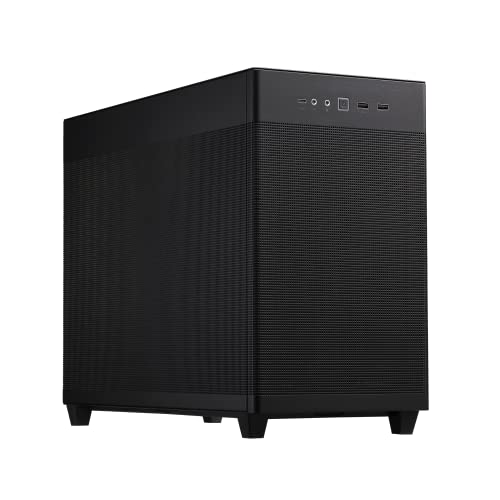
ASUS Prime AP201 Micro ATX PC Case

JONSBO/JONSPLUS Z20 Black Micro-ATX Mini Tower PC Case
TGDGAMER MATX Micro ATX Case

JOYJOM Micro ATX Case PC Case
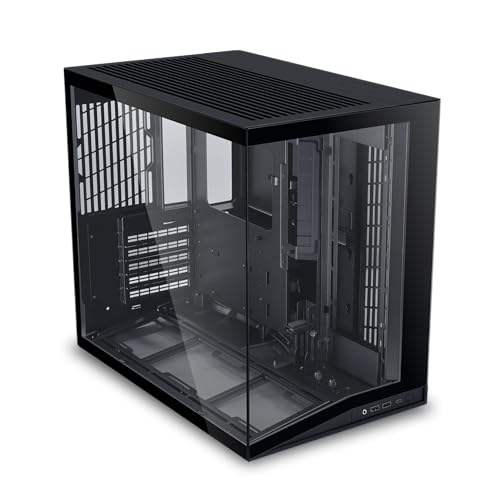
LIAN LI O11D MINI V2-ATX Mid-Tower PC Case
Lian Li A3-mATX Computer Case 26.3L
More Details On Our Top Picks
The Cooler Master N200 keeps things simple, and that works in its favor for a compact desk build or a modest home office tower. The fully meshed front panel helps airflow move through the case more freely, which matters when your parts sit close together and heat has less room to wander.
You get support for mATX and Mini-ITX boards, so the case stays focused on smaller builds instead of trying to cover everything. The trade-off is obvious, though, because you are choosing restraint over expansion, and that suits a neat everyday system better than a parts-heavy showcase.
Strong Points
- Meshed front design encourages steady intake airflow.
- Small footprint helps on crowded desks or under-shelf placements.
- mATX and Mini-ITX support keeps the layout focused and tidy.
- Straightforward shell makes routine cable routing less fussy.
Things To Consider
- Smaller case volume leaves less room for oversized part plans.
- Mesh fronts gather dust, so periodic cleaning stays part of ownership.
Technical Sheet
Who It Suits Best
You’re a good match for this case if you want a compact everyday tower for work, light gaming, or a small media setup.
Where A Sibling Pick Shines
ASUS Prime AP201 Micro ATX PC Case suits you better when you want a more open mesh design with broader upgrade headroom.
The DARKROCK EC2 has a bigger, more flexible feel than the Cooler Master N200, which makes it easier to picture in a gaming desk setup with a larger graphics card and more cooling hardware. Tempered glass on the side panel gives you a clean view of the build, while the Type-C front connection keeps modern peripheral use in step with newer gear.
You also get room for up to eight 120mm fans and a 360mm radiator, so this case speaks to builders who care about airflow planning. The flip side is that a taller, feature-heavy mid tower takes more space than a truly compact shell, so it fits best where desk depth isn’t tight.
Upsides
- Room for larger graphics cards supports more ambitious builds.
- Tempered glass side panel shows off internal parts neatly.
- Type-C front port suits newer peripherals and drives.
- Fan and radiator support gives you cooling flexibility.
- Included fan helps the case start with a basic airflow path.
Small Caveats
- Mid-tower size asks for more floor or desk clearance.
- Glass needs regular wiping to keep fingerprints from standing out.
Feature Rundown
Best Suited To
You’re the right match here if you want a gaming case with room for bigger parts and a visible interior.
Another Choice May Suit
Cooler Master N200 fits you better when desk space is tighter and you want a simpler, smaller shell.
The ASUS Prime AP201 feels like the middle ground done properly, especially for a compact build that still needs real cooling flexibility. Its mesh paneling and tool-free side panels make the case friendlier for regular maintenance, which matters once you start swapping parts or dusting out the interior.
You also get support for a 360mm radiator, GPU length up to 338mm, and ATX PSU compatibility, so this small frame doesn’t box you in as quickly as some mini towers. The honest read is that it suits builders who want a tidy mATX system without giving up too much headroom.
Highlights
- Mesh panels help keep airflow moving through the chassis.
- Tool-free side access makes cleaning and part swaps easier.
- Supports a 360mm radiator for broader cooling plans.
- GPU room up to 338mm leaves space for many modern cards.
- ATX PSU compatibility widens parts matching options.
Areas To Watch
- Compact dimensions still ask for careful cable planning.
- Open mesh styling means dust control needs regular attention.
Feature Snapshot
Who Will Love This
You fit this case well when you want a compact mATX build that still feels easy to work in.
Look Elsewhere When
JONSBO/JONSPLUS Z20 Black Micro-ATX Mini Tower PC Case suits you better when a carrying handle and smaller footprint matter more.
The JONSBO/JONSPLUS Z20 stands out because it’s built around a very small frame and a detachable carrying handle, so it makes more sense than bulkier cases for people who move a PC between rooms or events. That portability doesn’t erase its hardware focus, since it still supports a 240AIO, which is shorthand for a 240mm all-in-one liquid cooler.
The catch is that portable convenience usually asks for tighter planning inside the case, and this one is no exception. It suits careful builders who like a compact machine that feels easy to move without looking plain.
What We Like
- Detachable handle makes carrying the system more manageable.
- Mini size keeps the footprint very modest.
- 240AIO support broadens cooling options for a small chassis.
- H160mm cooler clearance helps with air-cooling choices.
Points To Note
- Tight interior space rewards careful part selection.
- Portable hardware can mean more attention during setup and transport.
Core Details
The Right Fit
You’re a strong match for this case if you want a small mATX build that you can move without much fuss.
Reach For A Different Pick When
ASUS Prime AP201 Micro ATX PC Case suits you better when you want a less portable case with easier internal access.
The TGDGAMER MATX case leans into airflow first, which makes it interesting for a slim chassis that still needs to handle everyday heat from office work or light gaming. The included 80mm fan gives the case a starting point out of the box, and the USB 3.0 front port is handy for quick drive or accessory connection.
You may find the slimmer layout a good fit for a desk where width matters more than raw expansion room. The compromise is predictable, because slim cases usually ask you to be disciplined about component size and cable routing.
Positives
- High-airflow design suits compact setups that still need cooling.
- Included fan gives the build an immediate baseline.
- USB 3.0 front access is convenient for daily peripherals.
- Works for both office use and light gaming desks.
Minor Gripes
- Slim cases can feel cramped during full assembly.
- Component size planning matters more than it does in roomier towers.
Quick Facts
Built With In Mind
You suit this case best if you want a slim micro ATX shell for a compact workstation or lighter gaming setup.
Swap It Out When
LIAN LI O11D MINI V2-ATX Mid-Tower PC Case fits you better when you want a larger, more display-focused build.
The JOYJOM case is the sort of compact shell that makes sense for a simple desktop build with a mix of small-board options. Its support for Micro ATX, MATX, DTX, and ITX boards gives you room to work with different platform sizes, and the USB3.0 front connection keeps day-to-day use straightforward.
The 3.5-inch hard drive support matters too, especially for a basic storage-heavy setup where you still want room for a traditional drive. The trade-off is that this kind of compact all-rounder often asks for deliberate planning, so it suits practical builds more than flashy showcase systems.
Best Bits
- Broad motherboard support helps with more build combinations.
- 3.5-inch drive support can suit file storage or backup use.
- USB3.0 front access keeps the front panel useful.
- Compact size works well for a plain desktop footprint.
Worth Noting
- Flexible compatibility does not replace careful internal planning.
- Hard drive installation can add a little more setup time.
Feature Card
Who Should Grab It
You’re a good fit for this case if you want a no-nonsense compact desktop with flexible drive and board support.
A Better Fit Elsewhere
ASUS Prime AP201 Micro ATX PC Case suits you better when you want a more refined mesh layout and easier side access.
The LIAN LI O11D MINI V2 is less about hiding hardware and more about showing it with a clean panoramic layout. Fully ventilated airflow, pillar-less styling, and adjustable I/O make it a strong fit for a polished desk build where the case itself is part of the presentation.
The trade-off is that style-forward cases can demand more planning around cable routing and component arrangement, especially once you start filling the interior with fans and larger parts. You may find it most satisfying when you want the system to look intentional from every angle.
Reasons To Buy
- Panoramic viewing suits showcase-style desktops.
- Pillar-less layout keeps sightlines clean through the side.
- Fully ventilated design helps the case breathe well.
- Adjustable I/O gives you more placement flexibility.
- Mid-tower format gives you more working room than very small cases.
Room For Improvement
- Showcase styling can take more effort to wire neatly.
- Mid-tower size is still larger than the smallest compact options here.
Details At A Glance
Whose Shelf It Belongs On
You’ll like this case most if your compact build still needs a polished, display-ready presence.
Skip It When
Cooler Master N200 Mini Tower Case fits you better when you want a simpler, less showy shell for a smaller footprint.
The Lian Li A3-mATX takes a modular route, and that’s useful for you if you like building around your own cooling plan instead of accepting a fixed setup. At 26.3L, it stays compact without shrinking down into the most restrictive class, and support for mATX and ITX boards keeps it practical.
No fans are included, so this case asks you to think ahead about airflow rather than rely on a packaged start. That makes it a sharper fit for a custom build, especially one centered around a 360mm AIO, while casual builders may prefer a more ready-to-go option like the ASUS Prime AP201.
Positives
- 26.3L size keeps the footprint compact but workable.
- Supports 360mm AIO cooling for stronger thermal planning.
- mATX and ITX support keeps board choices focused.
- Modular layout suits custom builders who like control.
Softer Spots
- No fans included, so you’ll need to plan airflow from the start.
- Modular builds can take more thought during assembly.
Spec Overview
Built For In Mind
You’re the right match for this case if you want a compact custom build and don’t mind choosing each cooling part yourself.
Another Choice May Suit
ASUS Prime AP201 Micro ATX PC Case suits you better when you want a similar compact footprint with a fan already in place.
How To Choose The Right Compact Computer Cases
Start With Board Size And Internal Room
Motherboard fit decides a lot before you even think about looks. mATX and Mini-ITX cases work well for smaller desks, but the real question is how much room you need for your graphics card, storage, and cooler.
A Mini-ITX build can feel neat and efficient, while mATX usually gives you a little more breathing room. That extra space often makes cable routing easier and reduces the feeling that every millimeter matters.
Match Cooling To Your Parts
Mesh fronts, fan mounts, and radiator support all shape how well a compact case handles heat. A 360mm radiator support spec sounds generous, but you still need to check whether your other parts leave enough clear space around it.
For a gaming tower or a warmer CPU, stronger airflow options are worth more than a purely decorative shell. For a quiet office build, a simpler layout may be enough, especially when the case already includes a fan.
Think About Access, Maintenance, And Cable Work
Tool-free side panels, detachable handles, and adjustable I/O sound minor on paper, then turn into daily conveniences once you open the case a few times. Cases that are easier to access tend to make dusting and part swaps less annoying.
Cable management matters even more in compact builds because extra wire length has less room to disappear. A tidy layout doesn’t just look better, it also makes the inside easier to service later.
Choose For Your Real Setup, Not Your Wishlist
A showpiece mid tower like the LIAN LI O11D MINI V2 suits a polished desktop. A smaller shell like the Cooler Master N200 or JONSBO/JONSPLUS Z20 makes more sense for workstations, small rooms, or systems you move around.
Think about where the case will sit, how often you’ll open it, and whether you value portability, cooling room, or a cleaner look. That decision usually points you to the right model faster than chasing the longest spec sheet.
A Quick Reality Check Before You Choose
Common Shopping Slip Ups
Shoppers often focus on size alone and forget to check cooler height, GPU length, or radiator room. That’s how a case that looks compact on a page turns awkward once the parts arrive.
Another common miss is overlooking airflow paths. A small case can still run well, but only when the front intake, exhaust, and internal layout match the hardware you plan to use.
What The Higher Tier Buys
More expensive cases usually spend the money on thicker panels, better finish work, smarter cable paths, and more flexible cooling support. You also tend to get nicer access features, which makes the build process less frustrating.
That upgrade is worth it when your system will sit in plain view, or when you plan to swap parts often. For a simple office machine, a well-judged midrange case can still be the smarter move.
Frequently Asked Questions
What Size Motherboard Fits Best In A Compact Case?
mATX and Mini-ITX are the most common fits in this category. mATX usually gives you a little more room for expansion.
Do Compact Cases Run Hotter Than Larger Ones?
They can, because parts sit closer together and airflow has less space to move. Good mesh intake and sensible fan placement help a lot.
Is A Glass Side Panel Good For Small Builds?
It works well when you want to show the parts clearly. It also means you’ll notice dust and fingerprints more easily.
Should You Choose A Case With Included Fans?
Included fans make setup simpler and can help you get started faster. A fan-free case gives you more control, but it asks for more planning.
What Matters Most For A Desk-Friendly Build?
Footprint, cable routing, and front-port access usually matter most. A case that is easy to open and easy to place tends to feel better long term.
Closing Thoughts
The right compact computer case depends on how you actually use your system, not just how small you want it to be. For a tidy work machine, the Cooler Master N200 and ASUS Prime AP201 make strong practical sense. For a gaming build or showcase layout, the DARKROCK EC2 and LIAN LI O11D MINI V2 offer more room and a sharper visual presence. Pick the one that matches your parts, your desk, and how often you plan to work inside the case, and the rest gets much easier.
