
Airflow cases matter most when your parts run hot, your desk sits in a warm room, or you want a build that does not feel cramped after the second upgrade. The right case gives you space for larger graphics cards, room for radiators, and a cleaner path for front-to-back cooling, which can make daily use feel calmer and less crowded. This roundup keeps the focus on practical fits, not spec-sheet noise.
Quick Look At The Strongest Airflow Cases

MONTECH XR Panoramic High Airflow ATX PC Case

DARKROCK EC2 ATX Mid Tower Gaming PC Case

Lian Li V100-ATX Mid-Tower PC Case Black V100RX

CORSAIR 4000D RS Frame Modular High Airflow Mid-Tower PC Case

CORSAIR 3500X RS ARGB Panoramic Mid-Tower PC Case

Antec Flux Pro Full-Tower E-ATX PC Case
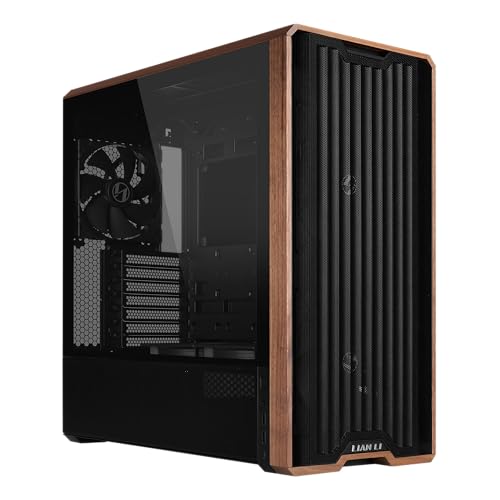
Lian Li LANCOOL 217 ATX Mid-Tower PC Case

MUSETEX Y6 PC Case
More Details On Our Top Picks
MONTECH leans hard into airflow here, with support for a 420mm graphics card, a 360mm radiator, and up to nine fans. The dual tempered glass panels give you a more display-friendly look than the usual steel side wall, but that also means you’ll want to stay on top of dust filter cleaning.
For a gaming setup that runs long sessions or a living-room style PC that sits in view, the built-in USB-C and three ARGB PWM fans make the case feel ready out of the box. Reverse blade fans can help keep the clean side of the build visible, though cable planning still matters because a packed layout leaves less room for sloppy routing.
What We Like
- Strong fan capacity gives you room to tune airflow for hotter parts.
- 420mm graphics card support helps with large modern GPU installs.
- 360mm radiator support leaves room for a substantial liquid cooler.
- USB-C on the front panel keeps modern accessories easy to plug in.
- Magnetic dust filters make routine cleaning less of a chore.
Points To Note
- Dual glass panels show the interior, so cable management matters more than on a closed case.
- High fan capacity can tempt overbuying fans you may not actually need.
- A more open layout can mean more visible dust buildup over time.
Feature Snapshot
Who It Suits Best
You get the most from this case if you want a roomy ATX build with strong airflow and a front-panel USB-C port.
Where Another Pick Suits Better
Lian Li LANCOOL 217 ATX Mid-Tower PC Case suits you better if you want a softer wood-accented look with a more restrained display-first feel.
DARKROCK keeps things simple, which suits a first gaming build or a workstation that just needs sensible clearance. The tempered glass side panel gives you a clean view of the internals, while the single pre-installed fan means you start with basic airflow instead of a blank shell.
The case also supports current-generation large graphics cards and a 360mm radiator, so it has enough room for a serious parts list without jumping into a larger chassis. The trade-off is obvious, though: you’ll likely add fans to reach the cooling level that heavier builds deserve, and that raises the final cost a bit.
Highlights
- Type-C readiness keeps the front I/O useful for newer accessories.
- Supports large graphics cards, which helps with modern gaming hardware.
- 360mm radiator support leaves room for liquid cooling plans.
- Mid-tower sizing is easier to place on or under a desk.
Small Caveats
- Only one fan is included, so a fuller airflow setup needs extra parts.
- Glass side panels look sharp, but they also show cables and dust more easily.
- Cooling performance depends more on your fan plan than on the shell alone.
Quick Facts
Whose Shelf It Belongs On
You fit this case best if you want a straightforward ATX shell and plan to build out cooling in stages.
Swap It Out When
MONTECH XR Panoramic High Airflow ATX PC Case is the better match for you if you want more fan support from the start.
This Lian Li case is built for the person who wants the PC to look finished the moment the side panel goes on. Four 120mm ARGB PWM fans, an LED strip, and a display platform give it a more styled presentation than the simpler DARKROCK EC2, and the tempered glass keeps that interior visible.
The honest read is that it leans into appearance as much as airflow, so cable routing and dust care still matter. For a desk setup that sits in a visible spot, though, the mix of lighting and airflow hardware makes the case feel considered rather than busy.
Best Bits
- Four pre-installed fans save setup time and get airflow moving early.
- ARGB lighting and an LED strip help the build look cohesive.
- The display platform gives you a spot for a figure or small accent piece.
- Tempered glass keeps the interior visible from the side.
Areas To Watch
- The visual focus can make cable management feel less forgiving.
- Lighting-heavy cases tend to show fingerprints and dust sooner.
- Display features add style, but they do not replace smart fan planning.
Core Details
Perfect Match For
You’re the right fit for this case if you want your airflow build to double as a display piece.
Look Elsewhere When
CORSAIR 4000D RS Frame Modular High Airflow Mid-Tower PC Case suits you better if upgrade flexibility matters more than lighting extras.
Some cases just house parts, and this one is built to evolve with them. CORSAIR’s FRAME modular system lets the shell act more like a platform, so the appeal is not only airflow but also the chance to change pieces such as the motherboard tray or front I/O later on.
That flexibility makes the 4000D RS Frame a smart fit for builders who dislike replacing a full case every time their setup changes. The reverse connector motherboard compatibility and multiple 360mm radiator support points make it especially appealing for tidy, upgrade-minded rigs.
Upsides
- Modular construction gives you room to adapt the case over time.
- Three RS fans provide a ready-made cooling starting point.
- InfiniRail mounting helps make hardware placement more flexible.
- Reverse connector motherboard support can help with a cleaner interior layout.
- Multiple 360mm radiator fit points leave room for serious cooling plans.
Room For Improvement
- Modularity is useful, but it also adds complexity for first-time builders.
- More customization usually means more parts to think about later.
- The premium focus makes it a stronger fit for upgrade-minded builds than bare-bones systems.
Technical Sheet
Built With In Mind
You’re the right fit for this case if you like a chassis that can change as your build changes.
Another Choice May Suit
MONTECH XR Panoramic High Airflow ATX PC Case is a simpler match for you if you want straightforward airflow without modular extras.
The 3500X RS sits in a very usable middle ground, especially for a gaming PC that needs room to grow without jumping to a huge enclosure. Its panoramic look pairs with three pre-installed fans and a spacious interior, so the case feels aimed at builders who want airflow and tidy hardware presentation together.
GPU anti-sag support is a useful touch for heavier cards, and reverse connection motherboard compatibility can help keep the inside cleaner. Compared with the modular 4000D RS Frame, this one looks more immediately ready, while the Antec Flux Pro gives you a more full-tower feel than most desks actually need.
Standout Traits
- Three included fans give you a practical cooling base right away.
- Spacious interior makes cabling and part placement less cramped.
- GPU anti-sag support is helpful for heavier graphics cards.
- Panoramic styling suits builds meant to be seen on a desk.
Softer Spots
- The open look means cable tidiness matters more than in a closed tower.
- Lighting and glass surfaces can show dust sooner than simpler shells.
- It feels more polished than basic cases, so casual builds may not need all of it.
Feature Rundown
Who Should Grab It
You fit this case best if you want a clean-looking mid-tower with enough room for a serious gaming setup.
Where A Sibling Pick Shines
Lian Li LANCOOL 217 ATX Mid-Tower PC Case is a better fit for you if wood accents and larger stock fans matter more than a panoramic look.
Antec’s Flux Pro feels aimed at large, hot-running systems that need more breathing room than a typical mid-tower can offer. Six PWM fans, a walnut wood front panel, a 90-degree rotated PSU mount, and 420mm radiator support give it a very specific mix of utility and style.
That 90-degree power supply mount shifts the power supply orientation, which can make the internal layout feel less conventional but often cleaner for certain builds. For a workstation with big graphics hardware or a high-output cooling plan, the CPU and GPU temperature display is a welcome touch, though the full-tower size will be more case than some desks want to host.
Reasons To Buy
- Six included fans give you a strong starting airflow setup.
- Full-tower space suits large component lists and easier cable routing.
- 420mm radiator support leaves room for substantial cooling hardware.
- Walnut wood front panel adds a warmer look than plain metal fronts.
- CPU and GPU temperature display offers handy at-a-glance feedback.
Trade Offs
- Full-tower sizing takes up more desk or floor space.
- The rotated PSU layout may feel unfamiliar during installation.
- Wood accents look distinctive, but they may not suit every setup style.
Details At A Glance
Who Will Love This
You suit this case best if you’re building a large desktop with serious cooling demands and extra interior space.
Not Your Match When
DARKROCK EC2 ATX Mid Tower Gaming PC Case is the lighter fit for you if you want something simpler and easier to place.
Lian Li gives this case a more furniture-like feel than the usual black-box tower, and that matters in a room where the PC sits in plain sight. The pair of 170mm fans, two 120mm fans, and one 140mm fan add up to a cooling setup that feels unusually generous for a mid-tower, while the genuine wood panels soften the look.
Back-connect readiness is the kind of feature that rewards careful builders, because it can help the inside look cleaner once the motherboard and cables are in place. Flexible PSU mounting adds another layer of setup freedom, though the broader layout may feel slightly more involved than a basic mid-tower.
Positives
- Five pre-installed fans give you a very full cooling base.
- Large 170mm fans can move a lot of air with less clutter.
- Genuine wood panels create a warmer, more finished desk presence.
- Back-connect readiness can help reduce visible cable mess.
- Flexible PSU mounting gives you more installation options.
Honest Caveats
- The larger stock fans may limit how compact the interior feels.
- Wood finishes ask for a bit more care when cleaning around edges.
- Back-connect support is useful, but it makes board choice more important.
Core Details
The Right Fit
You fit this case best if you want a mid-tower that looks calmer than a full RGB showcase but still has serious airflow hardware.
Reach For A Different Pick When
MUSETEX Y6 PC Case suits you better if you want the brightest fan-heavy presentation in this group.
MUSETEX goes big on the visual side, and the seven pre-installed infinity mirror ARGB fans make that obvious the moment the case is powered on. The 270-degree tempered glass view lets you see more of the interior than on a standard side-panel design, so this is a strong fit for a gaming setup that lives on display.
The trade-off is that the case’s visual personality leaves less room for a minimal look, and fan-heavy builds need deliberate cable routing to stay neat. Front USB-C is useful for newer devices, though the real appeal here is how much airflow hardware arrives already fitted.
Bright Spots
- Seven included fans give you a very strong starting airflow package.
- Infinity mirror styling adds a vivid visual layer.
- 270-degree glass opens up the interior from more than one angle.
- USB-C keeps the front panel practical for newer gear.
Minor Gripes
- The full visual effect works best in a setup that embraces lighting.
- More glass means fingerprints and dust can stand out more quickly.
- Seven fans can make the interior busier during cable management.
Feature Card
Built With In Mind
You fit this case best if you want a showpiece build with lots of pre-installed lighting and cooling hardware.
A Better Fit Elsewhere
MONTECH XR Panoramic High Airflow ATX PC Case is the calmer option for you if you want strong airflow without quite so much visual intensity.
How To Choose The Right Computer Cases For Airflow
Match Case Size To Your Parts List
Airflow starts with space. An ATX mid-tower works for many gaming systems, but a full-tower like the Antec Flux Pro gives you more breathing room for E-ATX boards, larger radiators, and thicker cable bundles.
Graphics card length matters just as much. Cases that list 420mm or similar GPU clearance give you more freedom with current large cards, and that extra room helps keep the front section from feeling packed.
Count Fans, Then Think About Fan Quality
More fans can help, but the layout matters more than raw quantity. A case with three good fans and sensible intake paths can make more sense than a flashy shell full of mismatched extras.
PWM fans, or pulse-width modulation fans, can adjust speed more precisely than simple fixed-speed models. That matters in a quiet office or bedroom setup, because you can usually keep airflow moving without the constant drone that comes from running every fan flat out.
Look Closely At Cooling Support
Radiator support tells you how much liquid-cooling hardware the case can take, and 360mm or 420mm support opens the door to larger cooling plans. For hot GPUs or high-core-count CPUs, that kind of headroom can make the whole build easier to live with.
Front-panel USB-C, reverse connector compatibility, and back-connect support are not cooling features in the strict sense, yet they shape how clean the build feels once everything is installed. Cleaner cable paths usually help airflow, because fewer loose bundles block the route from intake to exhaust.
Balance Looks With Maintenance
Tempered glass, wood accents, and panoramic panels give a case personality, but they also make dust and fingerprints more visible. That does not make them bad choices, just ones that ask for a little more care from time to time.
Magnetic dust filters and easy-access panels matter in a real home setup, especially for desks that sit near carpet or pet hair. A case that opens cleanly and wipes down quickly tends to stay more pleasant over the long run.
A Quick Reality Check
Mistakes Worth Dodging
Shoppers sometimes chase fan count and ignore the shape of the airflow path. A case can have plenty of fans and still feel awkward if the radiator space, cable room, or front intake are poorly arranged.
Another common miss is choosing a shell that is too small for the graphics card. That leads to tighter cable bends, harder installation, and more frustration later when you upgrade a part.
The Upgrade Payoff
Higher-tier airflow cases often cost more because they bundle more fans, stronger materials, and extra layout flexibility. You also pay for things like modular panels, larger radiator support, and cleaner cable-routing options that can make later upgrades far easier.
That extra spend makes the most sense for a hot-running gaming rig, a daily workstation, or a build you expect to keep and modify for years. A simpler mid-tower still works fine for lighter systems, but premium frames tend to age better once your parts list grows.
Frequently Asked Questions
What makes a computer case good for airflow?
Good airflow usually comes from a clear path for intake and exhaust, plus enough fan support for the hardware inside. Larger radiator support and sensible panel design also help.
Do more fans always mean better cooling?
Not always. Fan placement, case layout, and the heat from your parts matter just as much as the number of fans.
Is tempered glass a problem for airflow cases?
Tempered glass is not a problem by itself, but it can make cleaning and cable neatness more important. A glass side panel mainly changes the way the build looks and feels.
Should you choose a mid-tower or full-tower?
A mid-tower works well for most mainstream gaming systems. A full-tower makes more sense for E-ATX boards, larger cooling loops, and bigger upgrades.
Do front USB-C ports matter on a case?
They do for newer laptops, external drives, and accessories that use the newer connection shape. They also help a case feel more current without changing airflow performance directly.
Closing Remarks
The best airflow case for you is the one that matches your parts list, your desk space, and how much upkeep you want to handle. MONTECH XR is a strong all-round fit, while the Antec Flux Pro makes sense for larger builds that need more room and more fan hardware. Lian Li and CORSAIR bring more personality and refinement, and MUSETEX leans hardest into a display-first gaming look. Pick the shell that fits your build today, with a little space left for tomorrow.
