
Expensive computer cases make sense when you want more than a shell around your parts. You’re usually paying for stronger materials, smarter layout choices, easier cable routing, and the kind of airflow that keeps a high-end build from feeling cramped.
This roundup focuses on cases that suit gaming rigs, showcase builds, and workstations with serious hardware. You’ll see options for people who want lots of cooling, a cleaner desk presence, or a case that makes assembly less frustrating.
Quick Look At The Standout Cases

HYXN H2 (2026) ATX PC Case

Antec Flux Pro Full-Tower E-ATX PC Case

HYTE Y70 Touch Infinite Gaming PC Case

Lian Li O11 Vision Compact ATX Mid Tower Case
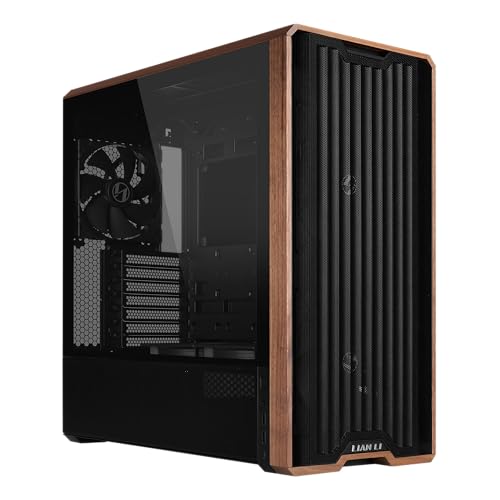
Lian Li LANCOOL 217 ATX Mid-Tower PC Case

MUSETEX Y6 ATX Mid Tower PC Case

Okinos Genuine Walnut Wood PC Case

More Details On Our Top Picks
HYXN goes after airflow first, which makes sense for a case that already arrives with eight fans, including six 140mm units and two 120mm units. The dual-chamber layout helps separate the hardware side from the cable side, so your build can feel less cluttered in a busy gaming setup.
The 420mm radiator support gives you room for a serious liquid-cooling loop, and the USB Type-C 3.2 port is handy for newer peripherals. The trade-off is straightforward, the size and fan count make it a stronger fit for people who want a full-featured tower rather than a simple desk box.
Strong Points
- Eight pre-installed fans give you a head start on cooling without extra parts piling up in your cart.
- The dual-chamber design keeps cables and storage out of the main view, which helps the build look cleaner.
- 420mm radiator support gives you flexibility for large cooling hardware.
- USB Type-C 3.2 suits newer devices and front-panel convenience.
Things To Consider
- The large frame can feel bulky on a tight desk or in a shallow cabinet.
- All those fans mean more dusting over time, especially in a room that runs warm.
Feature Rundown
Who It Suits Best
People building a high-airflow gaming tower with a long-term cooling plan will get the most out of it.
A Better Fit Elsewhere
The Lian Li LANCOOL 217 ATX Mid-Tower PC Case suits you better when you want strong stock cooling with a slightly more restrained footprint.
Compared with HYXN’s more fan-heavy approach, the Antec Flux Pro feels more like a full-size workstation shell with styling that leans upscale. The walnut wood front panel gives it a warmer look, and the rotated power-supply mount, which turns the PSU 90 degrees, helps the internal layout work around larger parts more gracefully.
That CPU and GPU temperature display is the kind of detail that matters in a serious build, especially in a room where your tower sits out in the open. The honest read is that this case makes more sense for someone who values structure, spaciousness, and a polished finish than for someone chasing the smallest possible footprint.
What We Like
- Six included PWM fans give you a solid cooling base.
- The walnut front panel softens the usual all-metal full-tower look.
- Rotated PSU mounting can make component layout feel more open.
- Temperature readout gives you a quick status glance during long sessions.
- 420mm radiator support leaves room for larger cooling gear.
Areas To Watch
- A full-tower frame takes more desk or floor space than compact mid-towers.
- The warmer wood styling may not suit a strictly minimalist setup.
- More internal space can also mean more surface area to keep clean.
Core Details
Built With In Mind
Workstation builders and enthusiasts who want a large, composed case with visual polish will appreciate it most.
Swap It Out When
The Lian Li O11 Vision Compact ATX Mid Tower Case suits you better when you want a smaller showcase build with a cleaner mid-tower shape.
The HYTE Y70 Touch Infinite is the kind of case people notice before they even hear the fan curve. Its integrated 2.5K LCD touchscreen display gives the front of the build a very different personality, and the dual-chamber layout keeps the hardware presentation from feeling crowded.
Compared with Antec’s warmer, more traditional look, this one is built for a display-first desk setup or a showcase corner in a room. You may find the visual payoff strongest when the rest of the system is cleanly lit and the cabling stays disciplined, because the case itself asks for a neat build.
Highlights
- The built-in touchscreen adds a practical display element, not just decoration.
- Dual-chamber design helps separate cables from the main hardware view.
- Ten-fan capacity leaves room for an ambitious cooling plan.
- The included PCIe 4.0 riser cable supports a more flexible GPU presentation.
Softer Spots
- The display-first design naturally asks for a higher level of cable tidiness.
- With so much visual surface, fingerprints and dust can be more noticeable.
- Its style works best in a setup that can showcase the side and front angles.
Technical Sheet
Whose Shelf It Belongs On
Showcase builders who want the case itself to be part of the visual story will get the most from it.
Look Elsewhere When
The HYXN H2 (2026) ATX PC Case is the more practical fit for you when airflow and fan count matter more than a display panel.
After HYTE’s display-heavy styling, the Lian Li O11 Vision Compact feels calmer and more architectural. Steel and tempered glass give it a polished look, while back-connect support helps the build stay visually tidy by moving cable clutter out of sight.
That makes it a strong fit for someone who cares about how a system looks from the outside but still wants sensible internal structure. The trade-off is that a glass-forward case rewards careful assembly, so it suits builders who don’t mind taking a little extra time on cable routing.
Positives
- Tempered glass gives the build a clean showcase presence.
- Back-connect support helps reduce visible cable clutter.
- Steel construction adds a more substantial feel than very light shells.
- The compact mid-tower shape works well on a normal desk setup.
Minor Gripes
- Glass-heavy designs need more attention during assembly and cleaning.
- The compact footprint leaves less forgiveness for oversized cable runs.
Feature Snapshot
Who Should Grab It
Clean-build enthusiasts who want a compact showcase case without going full-tower will appreciate this one most.
Where A Sibling Pick Shines
The MOROVOL MATX PC Case V3 fits better for smaller systems where micro-ATX size and a tighter footprint matter more.
The LANCOOL 217 sits in a nice middle lane between the sculpted Lian Li O11 Vision Compact and the more dramatic HYXN tower. Five PWM fans, including two 170mm units, two 120mm units, and one 140mm unit, give it a cooling setup that already feels thought through for real-world gaming use.
Genuine wood panels and back-connect readiness make it feel more polished than a plain utilitarian case, but it still stays practical. The flexible PSU mounting helps during installation, and that matters when you’d rather spend time on the build than fight the layout.
Reasons To Buy
- Five pre-installed PWM fans reduce the need for extra cooling purchases.
- The mixed fan sizes can help create strong airflow without chasing a flashy look.
- Genuine wood panels add a warmer touch to the exterior.
- Back-connect readiness gives you room to plan a tidier build.
- Flexible PSU mounting can make installation less awkward in many setups.
Room For Improvement
- Wood panels are a style choice, so the look won’t suit every desk.
- The larger fans and broader body can take more space than a basic tower.
Details At A Glance
Perfect Match For
Gamers and general PC builders who want strong cooling without giving up a more thoughtful exterior design will like it.
Reach For A Different Pick When
The Antec Flux Pro Full-Tower E-ATX PC Case suits you better when your build needs more space for very large components.
MUSETEX leans into the visual side of PC building with seven infinity-mirror ARGB fans and a 270-degree tempered-glass view. After the more restrained Lian Li cases, this one feels much more show-oriented, so it suits someone who wants the interior to be part of the room.
The Type-C port adds some modern convenience, and the ATX mid-tower size keeps it more manageable than a giant showpiece chassis. The trade-off is that the glass-heavy presentation makes cable tidiness and dust care more noticeable, though that’s part of the appeal for many themed builds.
Upsides
- Seven pre-installed ARGB fans create a very complete visual package.
- Infinity mirror styling gives the lighting a layered look.
- The 270-degree glass view helps the hardware feel open and visible.
- Type-C support adds practical front-panel convenience.
Points To Note
- Glass and lighting draw attention to cable management, so the build process matters.
- The bold styling may feel loud in a room that favors plain finishes.
- Owners often end up cleaning visible glass more often than on closed-panel cases.
Quick Facts
Who Will Love This
RGB-focused builders who want the case to act like a display stage will get the strongest match here.
A Better Fit Elsewhere
The HYXN H2 (2026) ATX PC Case makes more sense for you when airflow takes priority over lighting drama.
Okinos takes the wood-panel idea and gives it a quieter, more home-friendly look than MUSETEX’s lighting-heavy style. With four 120mm PWM fans already in place and support for a 360mm radiator on top, it lands in a practical middle ground for builders who want cooling and design in the same package.
The magnetic tempered-glass side panel is a nice touch for regular access, especially during upgrades or routine dusting. The Type-C port keeps the front panel current, and the black finish helps the walnut detail stand out without turning the case into a showpiece that dominates the room.
Best Bits
- Walnut wood gives the case a warmer, more lived-in appearance.
- Four PWM fans provide a sensible starting point for airflow.
- Top 360mm radiator support opens up liquid-cooling options.
- The magnetic glass side panel makes access less fussy.
- Type-C support adds modern front-panel usefulness.
Small Caveats
- The wood finish will appeal more to some setups than others.
- Magnetic glass panels are handy, but they still invite fingerprints during handling.
Core Details
The Right Fit
People who want a stylish ATX case for a living room, office, or calm gaming desk will appreciate the balance here.
Skip It When
The MUSETEX Y6 ATX Mid Tower PC Case fits better for you when visual impact from lighting matters more than a subdued finish.
MOROVOL is the small-footprint option in this group, and that matters in real rooms where desk space is already spoken for. The 270-degree panoramic tempered-glass panel gives the case a wide-open view without pushing into the larger tower sizes used by HYXN or Antec.
Three pre-installed fans and USB 3.0 make it a practical starting point for a Micro-ATX system, especially for someone assembling a compact gaming PC or a tidy dorm-room setup. The trade-off is plain enough, you give up the roomier expansion feel of bigger cases, but you gain easier placement and a lighter visual presence.
Standout Traits
- The Micro-ATX size fits smaller builds and tighter furniture layouts.
- The 270-degree glass panel gives the build a broad viewing angle.
- Three included fans supply a useful cooling baseline.
- USB 3.0 keeps front-panel connectivity familiar and practical.
Worth Noting
- Smaller cases leave less room for oversized hardware and future expansion.
- Tempered-glass surfaces tend to show smudges more quickly than closed panels.
Feature Card
Made For
Micro-ATX builders who want a compact tower with a strong visual panel and simple placement needs will get the best fit here.
Another Choice May Suit
The Lian Li LANCOOL 217 ATX Mid-Tower PC Case suits you better if you want a larger frame with more cooling headroom.
How To Choose The Right Expensive Computer Cases
Cooling, Size, And Layout Come First
Big cases can hide weak planning, but they can’t fix it. You want to match the chassis size to your board, cooler, and GPU length, because a roomy shell still feels cramped when the internal layout fights your parts.
Look at radiator support, fan count, and where the power supply sits. A rotated PSU mount or dual-chamber layout can make cable routing easier, while a glass-heavy showcase case asks for more patience during assembly.
Materials Shape The Daily Experience
Steel feels different from a lighter shell, and tempered glass changes how the case looks and how often you’ll notice fingerprints. Wood accents, like the walnut panels on several picks here, add warmth but also set a very specific style direction.
That matters more than people expect, because the case sits in view every day. A polished tower that fits your room and desk can feel satisfying long after the novelty of the parts inside fades.
Stock Cooling Can Save Time
Cases with several pre-installed fans help you get a build running without hunting for extras right away. PWM fans are especially helpful because their speed can respond more precisely to heat, which is useful in a gaming room or a workstation that stays active for hours.
The catch is maintenance. More fans and more glass usually mean more dusting, so a strong cooling setup pays off best for people who want the airflow advantage and don’t mind regular upkeep.
Choose For The Room, Not Just The Parts
A full-tower with a display or bold RGB styling suits a showcase desk, while a smaller Micro-ATX case works better in a bedroom, dorm, or tight office corner. The right choice depends as much on where the tower sits as on what’s inside it.
That’s the real filter for premium cases: visual design, installation comfort, and long-term usability all matter together. You’ll be happier with a case that matches the room and the build plan than with one that simply looks expensive.
A Quick Reality Check
Mistakes Worth Dodging
Many people focus on looks first and discover later that the case is too large, too small, or awkward for cable management. A glass-and-lighting tower can also turn into a dust magnet in a room with heavy use, so visual flair should never be the only reason you choose.
Another common misstep is ignoring radiator clearance or front-panel needs. A premium case should make the build easier to live with, not just more dramatic to look at.
The Upgrade Payoff
Higher-tier cases usually spend money on stronger materials, more thoughtful internal structure, and better included cooling. That’s where the extra cost tends to go, along with nicer front panels, display features, or back-connect support that makes the inside look cleaner.
The upgrade is worth it when you’re building a high-end gaming rig, a workstation, or a display PC that stays visible every day. It makes less sense when your system is basic, hidden under a desk, or unlikely to need the extra airflow and layout flexibility.
Frequently Asked Questions
Do expensive computer cases improve performance by themselves?
No, the case doesn’t raise component performance on its own. It can still help your parts stay cooler and make the build easier to manage.
Is tempered glass harder to live with than steel?
Tempered glass looks great in a showcase build, but it does show smudges and dust more readily. Steel tends to be less demanding day to day.
Are pre-installed fans worth paying for?
They can be, especially in a new build where you want airflow right away. They also cut down on separate fan shopping and planning.
What size case works best for a gaming desktop?
An ATX mid-tower suits many gaming builds because it balances space and desk fit well. Larger full-towers work better for bigger boards or more complex cooling plans.
Why do some premium cases use wood accents?
Wood accents soften the industrial look of a PC tower and help it blend into a room. That style fits especially well in living rooms, offices, and calm desk setups.
Closing Thoughts
Your best expensive computer case is the one that matches your hardware, your room, and the amount of build effort you want to spend. HYXN and Antec lean hard into cooling capacity, HYTE and Lian Li focus more on presentation and structure, and MOROVOL gives you a compact path without losing the premium feel. Choose the balance that fits your desk life, not just the spec sheet. A good case should make your build feel settled for years, not just impressive on day one.
