
Graphics cards have grown heavier, longer, and less forgiving of a shaky case layout, so a good support bracket now feels less like a nicety and more like simple build sense. These eight picks cover different case heights, mounting styles, and visual preferences, whether you want a discreet stand under a large card or a cleaner match for a white build. The honest trade-off is that no single bracket fits every chassis, so the right choice comes down to card thickness, case clearance, and how much adjustability you want.
Quick Look At The Shortlist
EZDIY-FAB 309EZ GPU Holder Brace

Uyubao GPU Support Bracket L 74-120mm

JOYJOM GPU Support Bracket 35-120mm
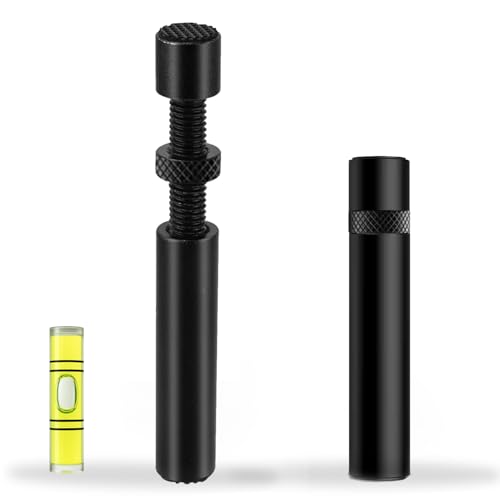
California JOS GPU Support Bracket Large

upHere G276WT White GPU Brace Support

JOYJOM Adjustable Aluminum GPU Support Bracket 19cm

acer GPU Support Bracket L 70-120mm

acer GPU Support Bracket S 25-50mm
More Details On Our Top Picks
The EZDIY-FAB 309EZ leans toward a longer support style, which helps under bigger cards that hang low in the case. Its bent structure and rubber contact points make it a sensible fit for builders who want the brace to stay out of the way while still taking pressure off the PCIe slot.
Compared with the more compact Uyubao and acer picks, this one feels better suited to roomy layouts where height and reach matter more than a tiny footprint. The aluminum alloy body should also age better than a softer plastic stand, though the trade-off is that you still need enough open space under the card for placement.
Strong Points
- Lengthened form suits larger graphics cards.
- Bent support profile keeps the contact point centered.
- Rubber pads help reduce metal-on-metal scuffing.
- Aluminum alloy construction suits long-term case use.
- Helpful for preserving PCIe slot alignment in heavier builds.
Things To Consider
- Needs enough clearance beneath the card.
- The longer shape may feel a little busy in compact cases.
- Careful placement matters so the brace does not crowd nearby cables.
Feature Snapshot
Who It Suits Best
Builders with mid-tower or full-tower cases and a heavy, low-slung card will get the most from this layout.
A Better Fit Elsewhere
JOYJOM’s 19cm aluminum bracket suits you better when you want a sleeker metal finish and a more premium-looking support piece.
This Uyubao stand is built for the kind of build where every millimeter matters. The magnet base and non-slip sheet make it easier to set in place on metal surfaces, so it works well in clean layouts where you want support without a bulky footprint.
Compared with the EZDIY-FAB 309EZ, this bracket is the more space-conscious option, though its tighter range means it suits a narrower band of case gaps. You may find it especially handy in a modest tower or a tidy gaming PC where the support should disappear into the background.
Highlights
- 74 to 120 mm span covers many common setups.
- Magnet base helps anchor it on metal case parts.
- Non-slip sheet adds a bit of grip where it sits.
- Low-profile shape keeps the case interior cleaner.
Areas To Watch
- Works best on surfaces that accept the magnet base.
- The smaller profile leaves less room for adjustment than wider stands.
- Owners with very tall case layouts may need a longer-range option.
Core Details
Built With In Mind
You’ll get the most from this in a tidy build with a standard gap under the graphics card and a steel surface nearby.
Where A Sibling Pick Shines
JOYJOM’s adjustable aluminum bracket is the better fit for you when you want a broader height range and a more solid metal body.
JOYJOM’s 35 to 120 mm bracket gives you a broader fit window than the Uyubao stand, so it makes sense for mixed systems and heavier cards that sit at different heights. The bottom adhesive base adds another layer of placement support, which can help in cases where a simple loose stand might shift around too easily.
In a busy gaming tower, that extra range matters more than a prettier profile. The trade-off is that adhesive setup tends to be a little less forgiving during repositioning, so this option works best once you’re fairly sure about the final layout.
What We Like
- 35 to 120 mm adjustment range offers useful flexibility.
- Adhesive base helps keep the support in place.
- Fits heavier cards with more room for setup changes.
- Good match for builds that use a 4090-class card profile.
- Works well when you want a firmer, fixed position.
Small Caveats
- Adhesive mounting is less convenient to move later.
- Final placement takes a bit more planning than a simple magnet stand.
Feature Card
Right Fit For
PC builders who want a wide adjustment span and a steadier fixed placement will appreciate this bracket most.
Swap It Out When
Uyubao’s magnet-base stand is the cleaner choice for you when you want easier repositioning and a smaller visual footprint.
The California JOS two-pack makes sense for builders who want extra coverage, whether that means two cards, two systems, or simply a spare support on hand. The large size points to a more substantial use case, and that fits well in cases where the graphics card has enough length to justify a dedicated brace.
Compared with the single-stand options above, this gives you more flexibility in how you place support across one build or more. The catch is that a two-pack only earns its keep when you have a real need for both pieces, since a small case will not use that extra capacity gracefully.
Upsides
- Two-pack layout gives you more than one support piece.
- Large size suits substantial graphics cards.
- Height adjustment helps match different case interiors.
- Useful for builders who like to keep a backup stand available.
Points To Note
- The larger format is not the leanest choice for small cases.
- Two supports make the purchase more than a single-use add-on.
- Placement planning matters more when you want both units to sit neatly.
Details At A Glance
Whose Shelf It Belongs On
You’ll get the most value here in a larger case or a multi-PC setup where both supports can be used.
A Better Fit Elsewhere
acER’s S 25-50mm bracket is the smarter choice for compact builds that only need a short support range.
The white finish makes this upHere bracket feel right at home in pale or monochrome cases, where a black stand would stand out more than you want. Adjustable length and height also help it blend into different interior layouts, which is useful in builds that value a cleaner visual line.
Compared with the heavier-looking EZDIY-FAB and JOYJOM aluminum options, this one leans more toward visual coordination than rugged presence. You may find it especially fitting in a showcase rig, though white surfaces can show dust more readily, so upkeep is worth keeping in mind.
Reasons To Buy
- White finish pairs well with light-colored builds.
- Adjustable length and height improve placement flexibility.
- Clean shape helps the support stay visually subtle.
- Good match for showcase cases with side windows.
Worth Noting
- White surfaces can call for a bit more cleaning attention.
- Visual appeal matters here as much as pure function.
- The holster-style shape may not suit every interior layout.
Core Details
The Right Fit
You’ll like this most in a white PC build where the support should match the rest of the case.
Look Elsewhere When
JOYJOM’s 19cm aluminum bracket is the better call for you when material feel and a more rigid body matter more than color matching.
This JOYJOM bracket reads like the more serious hardware-focused choice in the group, thanks to its hard-anodized aluminum alloy body and CNC machining. In plain terms, that means a denser finish and a cleaner cut, which matters in a system you expect to keep for a while.
The hidden magnet in the base helps it settle onto metal case surfaces with less fuss, and the 10 to 190 mm height span is a big reason this pick stands apart from the smaller acer stands. The trade-off is simple, though, you still need to confirm your case has enough room, because a broad adjustment range does not erase bad clearance planning.
Best Bits
- Hard-anodized aluminum alloy feels more substantial.
- CNC processing gives it a cleaner, more finished build.
- Hidden magnet base helps installation on metal surfaces.
- 10 to 190 mm adjustment range is unusually broad.
- Good fit for heavier builds that need a firmer support piece.
Honest Caveats
- The wide height span still depends on available case clearance.
- You’ll want to measure before pairing it with crowded interiors.
Technical Sheet
Who Should Grab It
Builders who want a metal-bodied support stand with a broad adjustment range will get the most from this one.
Another Choice May Suit
upHere’s G276WT white brace is the better fit for you when visual matching matters more than a harder aluminum body.
The acer L-size bracket keeps setup simple, and that matters in a case where you’d rather spend time on cable routing than on fiddly hardware. Its magnet base and non-slip surface give it a practical feel, and the tool-free style is a real plus for upgrades that you do not want to overcomplicate.
Compared with the JOYJOM 19cm aluminum model, this one feels more approachable and less industrial. For most mid-size cases, that makes it a sensible everyday support, though the 70 to 120 mm range does set a limit on how much vertical reach you get.
Positives
- Tool-free setup keeps installation simple.
- Magnet base helps the stand settle quickly.
- Non-slip base improves day-to-day placement confidence.
- 70 to 120 mm span suits many mid-size cases.
Room For Improvement
- The height range is narrower than some higher-adjustment stands.
- Very tall interiors may call for a longer option.
Feature Rundown
Made For
PC owners who want a straightforward, no-fuss support stand for a standard mid-height card will appreciate this model.
Reach For A Different Pick When
acER’s S-size 25-50mm bracket is the smarter match for you in very compact cases with short clearance gaps.
This S-size acer bracket is the one to watch for low-clearance builds, because the 25 to 50 mm range is clearly aimed at short gaps. That makes it especially useful in compact cases or layouts where the GPU sits close to the base and a taller support would get in the way.
It follows the same tool-free, magnet-base approach as the L model, but the shorter range is the whole point here. Compared with the acer L 70-120mm bracket, this version is more specialized, which is useful for tight builds and a little limiting everywhere else.
Bright Spots
- 25 to 50 mm range works for low-clearance setups.
- Tool-free install keeps setup simple.
- Magnet and non-slip base help it stay positioned.
- Small form makes it easier to fit into cramped interiors.
Softer Spots
- Short range narrows the number of cases it suits.
- Not the right call for taller card gaps.
Feature Rundown
Best Suited To
You’ll like this most in a compact case where the card sits close to the floor of the chassis.
Where A Sibling Pick Shines
acer’s L 70-120mm bracket is the better fit for you when your case has more vertical room and a longer support span.
How To Choose The Right Graphics Card Brackets
Measure The Gap First
The first thing to check is the space between the GPU and the case floor or nearby shroud. A short bracket like the acer S 25-50mm suits low-clearance builds, while longer-range options such as the JOYJOM 10 to 190 mm model cover a much wider span.
That measurement also tells you how much flexibility you have for cable routing and fan clearance. Skipping this step usually leads to a stand that technically fits, but feels cramped in daily use.
Match The Base To Your Case
Magnet bases work best on metal surfaces, which is why models from Uyubao and acer are easy to settle into place. Adhesive bases, like the JOYJOM 35-120mm bracket, can feel firmer after placement, but they ask for a more committed setup.
Builders who change components often tend to prefer a magnet or tool-free stand. For a final build that rarely changes, adhesive support can be a reasonable trade.
Think About Material And Finish
Aluminum alloy brackets, such as the EZDIY-FAB and JOYJOM models, usually feel more substantial than lighter-looking plastic stands. That extra rigidity matters most under heavy cards, especially in a system that sees a lot of transport or desk movement.
Finish matters too, especially in showcase cases. White options like the upHere G276WT can disappear into a light theme, while black metal stands blend more naturally into darker interiors.
Choose For The Build, Not Just The Card
A tall, roomy case can handle a longer brace with room to spare, but a compact tower needs a smaller footprint and a shorter support path. That is why the acer L and S models split so neatly by case size, while the California JOS two-pack makes more sense for larger builds or multiple systems.
Look at the whole interior, not just the graphics card itself. The right bracket should support the card without fighting the rest of the layout.
Things Worth Knowing First
Mistakes Worth Dodging
Many setups fail at the measurement stage, not at the product stage. A bracket can be well made and still be the wrong fit for your case height, cable path, or card thickness.
Another common slip is choosing a style that looks clean but does not anchor well on your case material. Magnet bases need the right surface, and adhesive pieces reward careful placement from the start.
The Upgrade Payoff
Higher-tier brackets usually spend more on material quality, machining, and more adaptable support range. That is why the JOYJOM aluminum model feels more refined than a basic stand, and why the EZDIY-FAB’s longer support structure can make sense for heavier cards.
The upgrade is worth it when your card is large, your case is visible, or you plan to keep the same build for a long time. For a modest system with easy access under the GPU, a simpler bracket often does the job without extra expense.
Frequently Asked Questions
What does a GPU support bracket actually do?
It holds up the outer edge of a graphics card so the slot and card body do not carry the full weight alone. That matters most with long, heavy cards in vertical or low-mounted positions.
Do magnet-base brackets work in every case?
No, they need a metal surface to grab onto. In plastic-heavy or awkward interiors, a magnet base can be less useful than adhesive or a stand with a broader footing.
How do you choose the right height range?
Measure from the case floor to the underside of the card, then leave room for airflow and cable bend. The range should match that space with a little margin, not sit at the edge of its adjustment.
Are longer brackets better than shorter ones?
Not always, because longer brackets can be harder to place in tight cases. Shorter models make more sense for compact layouts, while longer ones suit bigger interiors and heavier cards.
Does the material really matter?
Yes, because aluminum alloy usually feels firmer and more durable than lighter materials. The main benefit shows up in heavier builds where the stand has to stay composed over time.
Closing Thoughts
The right graphics card bracket is the one that fits your case first and your card second. A compact tower points you toward short models like the acer S or Uyubao, while larger rigs benefit from longer and sturdier choices such as the EZDIY-FAB or JOYJOM aluminum stand. Match the base style to your case surface, keep an eye on clearance, and the result feels calm instead of crowded. That’s the kind of upgrade that quietly earns its place.
