
High-end cases are about more than looks, because the right chassis keeps a build organized, cool, and easier to live with over time. You may be putting together a showpiece with RGB and glass, or a quieter tower with room for large parts and cleaner airflow. Either way, the case shapes how painless the build feels on day one and how tidy it stays months later.
Here are eight standouts that cover different priorities, from display-ready designs to full towers built for heavy hardware. You’ll see where each one shines, where the trade-offs land, and which kind of setup it suits best.
Quick Look at the Shortlist

Lian Li V100-ATX Mid-Tower PC Case Black V100RX

Antec Flux Pro Full-Tower E-ATX PC Case Black

HYTE Y70 Touch Infinite Gaming PC Case Snow White

Lian Li O11 Vision Compact ATX Mid Tower Case White O11VPW

NZXT H9 Flow RGB+ Dual-Chamber ATX PC Case Black
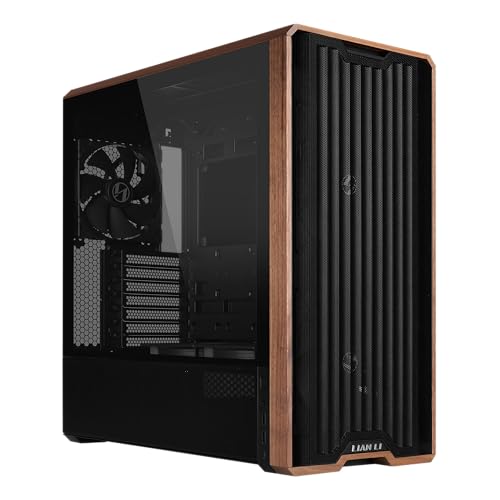
Lian Li LANCOOL 217 ATX Mid-Tower PC Case Black Walnut Wood


Fractal Design Define 7 XL Black E-ATX Silent Modular Full Tower
More Details On Our Top Picks
The V100RX leans into presentation without feeling flimsy. Four 120mm ARGB PWM fans, where PWM means pulse-width modulation for steadier fan control, give you a strong starting point for a visible build.
The tempered glass and display platform make sense for anyone who wants the machine itself to be part of the room. It’s a smart fit for RGB-heavy systems, though the styling does ask you to keep cable work neat so the view stays clean.
Strong Points
- Preinstalled fans reduce the usual first-day parts hunt.
- ARGB lighting and the LED strip help the case look finished right away.
- Tempered glass suits display builds with tidy internals.
- The display platform gives you a place for a figure, badge, or small showpiece.
Things To Consider
- Glass panels ask for regular dust care to keep the finish sharp.
- The showcase layout rewards careful cable management more than a hidden-build case would.
- People who prefer a plain office tower may find the styling too busy.
Feature Snapshot
Who It Suits Best
You’ll like this most as a showcase build for a gaming desk or media room, especially with RGB parts and a tidy interior.
Where A Sibling Pick Shines
NZXT H9 Flow RGB+ suits you better if you want a more coordinated dual-chamber layout with deeper lighting integration.
Compared with the Lian Li V100RX, this one goes bigger and cooler rather than louder and flashier. A full-tower frame, six PWM fans, and a high-airflow layout point toward serious parts and long sessions at a desk.
The walnut wood front panel softens the industrial look, which helps it blend into a home office as well as a gaming space. The 90-degree rotated PSU mount, meaning the power supply sits turned for a different airflow and cable path, should appeal to people who like a cleaner inside layout.
What We Like
- Six included fans give you a strong cooling base.
- The full-tower size leaves room for larger hardware and less cramped cable runs.
- Wood on the front panel adds a warmer, furniture-like finish.
- CPU and GPU temperature readout keeps key thermals visible at a glance.
- 420mm radiator support suits larger liquid-cooling setups.
Softer Spots
- Full-tower cases take more desk or floor space than mid-towers.
- The larger footprint can make moving the case around a bit awkward.
- The style leans premium, so plain minimalists may prefer something simpler.
Core Details
Built With In Mind
You’re the best match for this case if you run power-hungry hardware and want a spacious chassis that still looks polished in a main room.
Another Choice May Suit
Fractal Design Define 7 XL fits you better if your main priority is quieter operation and a more restrained full-tower shell.
Few cases in this group lean into display hardware as hard as the Y70 Touch Infinite. The integrated 2.5K LCD touchscreen adds a second layer of use beyond the PC itself, which makes sense for hobbyists who like status readouts or custom visuals.
The dual-chamber layout helps separate the main components from the cable and power area, so the inside can look more open than a traditional single-box tower. Since it supports up to 10 fans and includes a PCIe 4.0 riser cable, the trade-off is a more involved build that suits patient builders more than quick swaps.
Highlights
- The touchscreen sets it apart in a very real way.
- Dual-chamber layout helps keep the main side visually open.
- 10-fan capacity gives you room for an ambitious cooling plan.
- The included PCIe 4.0 riser cable saves an extra accessory purchase.
- Snow White finish works well in bright themed setups.
Areas To Watch
- The screen adds complexity, so setup takes more attention than a plain case.
- White finishes tend to show dust more clearly in a busy room.
- The visual focus may feel excessive for a work-only desk.
Details At A Glance
Who Will Love This
You’re the right match here if you want the case itself to be part of the build story, not just a shell around the parts.
Look Elsewhere When
Lian Li O11 Vision Compact is the better fit for you if you want a cleaner tempered-glass showcase without the added screen complexity.
The O11 Vision Compact keeps the clean, display-forward look the series is known for, but in a smaller mid-tower footprint. Steel and tempered glass give it a solid, composed feel, and the back-connect support matters most for builders who want cables hidden away from the main view.
Compared with the HYTE Y70 Touch Infinite, this one is less about a built-in screen and more about visual restraint. That makes it a strong match for careful builders, though the compact size still asks you to plan part placement before you start tightening screws.
Upsides
- Compact mid-tower size suits cleaner desks and shelves.
- Back-connect support helps keep front-facing cable clutter low.
- Tempered glass makes the interior easy to show off.
- Steel construction gives the shell a solid, grounded feel.
Small Caveats
- Compact sizing can make layout planning more important during assembly.
- Glass surfaces need routine wiping to stay presentable.
- The look is controlled and polished, not especially flashy.
Technical Sheet
Perfect Match For
You’ll appreciate this most if you like tidy, modern builds and want the inside to look deliberate rather than crowded.
Where A Sibling Pick Shines
NZXT H9 Flow RGB+ suits you better if you want a larger dual-chamber layout with a more aggressive lighting setup.
The H9 Flow RGB+ feels built for people who want the lighting, fan control, and layout to arrive already coordinated. Seven RGB fans and the preinstalled NZXT Control Hub reduce the usual sorting-out stage, so the first day of ownership feels more organized.
CAM support ties the lighting together, which helps a lot in a room where your PC is part of the visual setup. The trade-off is straightforward, you’re paying attention to ecosystem-style control rather than keeping things bare-bones, so it suits builders who like software-managed polish.
Bright Spots
- Seven included RGB fans create a strong visual base.
- The preinstalled control hub simplifies lighting and fan coordination.
- Dual-chamber architecture helps the main compartment stay clean-looking.
- CAM compatibility makes the lighting system feel tied together.
Points To Note
- The software-first approach may feel like extra setup for minimalist builders.
- Dual-chamber cases usually reward careful cable work.
- The styling is bold, so it may overpower a very plain desk.
Feature Rundown
Right Fit For
You’re the best match for this case if you want a polished RGB build with less piecing together of extra control parts.
A Better Fit Elsewhere
Lian Li V100-ATX Mid-Tower PC Case Black V100RX makes more sense if you want a lively showcase case without leaning so hard into software control.
After the feature-heavy NZXT, this Lian Li feels more grounded and practical. The mix of genuine wood panels and five preinstalled fans makes it a pleasant middle path for someone who wants substance without turning the whole case into a light show.
The fan mix, with two 170mm units, two 120mm units, and one 140mm unit, suggests a focus on broad airflow coverage rather than a single visual trick. Back-connect readiness and flexible PSU mounting round out the experience, though the size and fan layout are better appreciated by builders who enjoy planning the inside from the start.
Best Bits
- The wood finish adds character without feeling overdone.
- Five included fans provide a solid starting point for airflow.
- Back-connect readiness helps with cleaner cable presentation.
- Flexible PSU mounting can make layout decisions easier.
Minor Gripes
- The mixed fan sizes may matter more to planning-minded builders than to casual assemblers.
- Natural wood accents invite a bit of extra care during cleaning.
- The look is tasteful, but less dramatic than the more glass-heavy picks here.
Core Details
The Right Fit
You’re in the sweet spot for this case if you want a premium-looking mid-tower that still feels straightforward to live with.
Swap It Out When
Antec Flux Pro suits you better if your build needs a bigger chassis and a stronger cooling-first approach.
The Y6 is the most visibly energetic pick in the group, and the seven infinity-mirror ARGB fans make that clear the moment you picture it on a desk. The 270-degree full-view tempered glass design turns the case into a stage for the hardware inside, which suits builders who like that kind of presence.
The Type-C port is a useful modern touch, especially for people who plug in newer drives and accessories often. The flip side is simple, the mirrored-fan style is attention-grabbing, so it fits best in a setup that welcomes a little drama rather than a quiet office corner.
Reasons To Buy
- Seven preinstalled ARGB fans create a very full visual effect.
- 270-degree glass gives the interior a wide viewing angle.
- Type-C support helps with newer peripherals and storage accessories.
- The case suits themed gaming builds that need visual energy.
Room For Improvement
- So much glass means fingerprint and dust care matters more.
- The design style is bold, which narrows its appeal in quiet spaces.
- Mirror-heavy lighting can be a lot for plain, understated setups.
Feature Card
Whose Shelf It Belongs On
You’ll get the most from this case if your PC lives where people can actually see it and you want the hardware to feel like part of the décor.
Skip It When
Fractal Design Define 7 XL is the better fit if you want your tower to stay quieter in appearance and less visually busy.
Among these cases, the Define 7 XL takes the least flashy path and probably the most serious one for quiet-focused setups. The brushed aluminum and steel build gives it a restrained look that feels more like a furniture-grade tower than a showcase shell.
It’s modular, full-tower, and sized for E-ATX boards, so you get room to organize a large system without turning the interior into a tangle. That said, the silent-first personality suits studios, offices, and tucked-away rigs more than glassy gaming desks.
Standout Traits
- The muted exterior fits professional or home office spaces well.
- Modular layout gives you more flexibility during assembly.
- Full-tower room helps with large boards and broad cooling plans.
- Brushed aluminum and steel give it a solid, understated feel.
Worth Noting
- The subdued styling will feel too plain for some gaming setups.
- Large full-tower dimensions ask for committed floor space.
- The quiet-first approach trades visual drama for restraint.
Quick Facts
Who Should Grab It
You’re the right match here if your priority is a large, calm, and highly organized tower rather than a case that shouts for attention.
Where Shoppers Go Wrong
NZXT H9 Flow RGB+ is the better fit if you want a more visual build with integrated lighting and a showier interior.
How To Choose The Right High End Computer Cases
Size Sets The Tone
Start with the motherboard size and the parts you already know you want. ATX mid-towers suit many gaming and general-purpose builds, while full towers make more sense for E-ATX boards, multiple drives, or larger cooling hardware.
Space matters outside the case too. A full tower like the Antec Flux Pro or Fractal Design Define 7 XL can feel effortless once installed, but it asks more from your desk or floor plan.
Cooling Is More Than Fan Count
Fan count matters, but airflow path matters just as much. A case with preinstalled fans, like the Lian Li V100RX or NZXT H9 Flow RGB+, saves setup time, while radiator support and fan placement tell you how far the cooling setup can grow later.
Think about your parts under normal use, not just on paper. A gaming rig with a hot graphics card benefits from roomier airflow, while a quieter workstation may favor steadier, less showy cooling choices.
Materials Change The Feel
Tempered glass, steel, aluminum, and wood all change how a tower lives in your room. Glass cases such as the HYTE Y70 Touch Infinite and Lian Li O11 Vision Compact turn hardware into the visual focus, while wood accents on the Antec Flux Pro and Lian Li LANCOOL 217 soften the look.
That’s not just about style. Heavier materials often feel sturdier, but they also add weight and can make dust care more noticeable, especially on black or white finishes.
Think About Build-Day Convenience
Back-connect support, dual-chamber layouts, and flexible PSU mounting can save a lot of frustration during assembly. They help hide cables, open up space around the main chamber, and make the inside easier to work in.
For a first serious build, those details are worth real attention. For a long-term upgrade path, they can matter just as much as raw aesthetics, because a tidy interior is easier to maintain later.
What To Weigh Before You Start Shopping
Mistakes Worth Dodging
It’s easy to focus on glass and lighting while forgetting fit. Check motherboard support, radiator room, and GPU clearance before you fall for a particular front panel or touchscreen.
Another common slip is ignoring cable space. Cases like the Lian Li O11 Vision Compact reward planning, while a showpiece layout without enough cable thought can turn build day into a longer project than expected.
The Upgrade Payoff
Higher-tier cases cost more because they usually bring stronger materials, smarter internal layouts, and more thoughtful included hardware. Preinstalled fans, control hubs, wood accents, and modular interiors all add real build-time convenience and a more finished look.
That upgrade makes the most sense when the case will stay in view every day. A quiet office tower and a showcase gaming PC both benefit, but for different reasons: one values calm and order, the other wants a polished visual presence.
Frequently Asked Questions
What makes a high-end computer case worth it?
You usually get better materials, smarter cable routing, and more room for large parts. The ownership experience also tends to feel more polished on day one.
Do preinstalled fans matter that much?
They matter a lot when you want a simpler first build and solid airflow out of the box. They also help you avoid choosing every fan one by one.
Is tempered glass hard to live with?
It’s not hard, but it does ask for regular dust and fingerprint care. That matters most in bright rooms and showcase builds.
Should you choose a full tower over a mid-tower?
A full tower makes sense for larger boards, more storage, or bigger cooling plans. A mid-tower usually works better for a smaller room or a simpler build.
What’s the point of a dual-chamber layout?
It separates the visible hardware area from the cables and power parts. That often makes the main compartment look cleaner and easier to enjoy.
Closing Thoughts
The right high-end case depends on whether you want the PC to disappear into the room or become part of the room’s character. Lian Li, NZXT, HYTE, Antec, and Fractal Design all take different routes, from quiet utility to full display builds. Match the shell to your parts, your space, and how much visual attention you actually want. That’s the choice that tends to age well.
