
Small-form-factor PC building asks for patience, clean cable routing, and a clear plan for cooling. The right case makes that easier, whether you’re fitting a gaming rig onto a desk, chasing a portable LAN setup, or just trying to keep a tidy footprint in a tight room.
These eight picks span wood-accented showpieces, airflow-first towers, and carry-friendly shells. You’ll see where each one shines, where the trade-offs land, and which build style suits it best.
Quick Shortlist For Compact Builds

Fractal Design Terra Jade Mini ITX Case

JONSBO/JONSPLUS Z20 Black Micro-ATX Mini Tower PC Case
S300 Mini-ITX PC Gaming Case
S300 Gaming Case Front I/O USB-C
JOYJOM Aluminum Mini ITX Case
darkFlash ITX PC Case C275P Black

NZXT H2 Flow Mini-ITX 20.7L PC Case

HYTE Revolt 3 Small Form Factor ITX Case
More Details On Our Top Picks
The Terra makes sense for a desk that needs a clean look without feeling plain. The walnut front panel and anodized aluminum panels give it a calmer, furniture-adjacent feel, while the PCIe 4.0 riser cable keeps the graphics card layout practical in a very compact shell.
You’ll notice the trade-off in its narrow, style-first design, which leaves less room for bulky parts than a Micro-ATX case like the JONSBO Z20. For a living room setup, a studio corner, or a gaming build that has to look intentional, that restraint is the point rather than a drawback.
Strong Points
- Walnut and aluminum materials give the case a more refined presence than plain steel boxes.
- The compact format suits small desks, media shelves, and apartments where space is tight.
- PCIe 4.0 riser support helps keep a modern GPU layout workable inside the slim footprint.
- USB Type-C on the front makes day-to-day device swaps feel less fussy.
Things To Consider
- Space is deliberately limited, so part selection needs more care than with larger mini towers.
- The premium materials look sharp, but they also make fingerprints and dust more noticeable.
- Careful cable routing matters here, especially with thicker GPU power leads.
Feature Snapshot
Whose Shelf It Belongs On
You’ll get the most from this case as a style-conscious Mini-ITX builder who wants a small footprint and a polished finish.
Where A Sibling Pick Shines
JONSBO/JONSPLUS Z20 Black Micro-ATX Mini Tower PC Case suits you better once you want more room for hardware and a carry handle.
The Z20 feels aimed at people who want a smaller tower without giving up the breathing room that makes building easier. A detachable carry handle helps a lot for moving a system between rooms, and the support for a 240 AIO, meaning a 240 mm all-in-one liquid cooler, gives you more flexibility than the slimmer cases above it.
Compared with the Fractal Terra, this one leans less into décor and more into function. That extra headroom is useful for a gaming setup in a dorm, a LAN party rig, or a home office that needs to move once in a while.
What We Like
- Micro-ATX support opens the door to more motherboard choices than a strict Mini-ITX shell.
- The detachable handle makes transport easier for frequent moves between desks or events.
- Compatibility with a 240 AIO gives you a stronger cooling path for hotter parts.
- Support for a 160 mm cooler helps standard air cooling fit more comfortably.
- The mini tower shape stays more manageable than a full-size case while still feeling usable.
Room For Improvement
- The carrying handle is handy, though it does make the case look more utilitarian than decorative.
- Micro-ATX support means a larger footprint than the smallest ITX-only options.
- As with most compact towers, cable planning still matters once you add a graphics card and front-panel leads.
Core Details
Built With In Mind
This case suits you best as a portable Micro-ATX builder who values flexibility and easier transport more than ultra-small size.
Skip It When
Fractal Design Terra Jade Mini ITX Case makes more sense for a smaller, style-driven desk setup that does not need Micro-ATX room.
The S300 leans hard into the needs of a compact gaming build, especially for someone who wants modern front I/O without a lot of visual clutter. The front USB 3.0 Type-C port helps daily plug-ins feel current, and the cable management system matters more here than in a roomy tower because every lead has less room to disappear.
Compared with the Z20, this is the tighter, more purpose-built option for Mini-ITX systems. It makes sense for a small desk rig, a living room setup, or a travel-friendly machine that still needs a proper graphics card path through the included PCIe 3.0 x16 riser cable.
Highlights
- Front USB Type-C keeps the case convenient for newer peripherals and external storage.
- The included PCIe 3.0 x16 riser cable helps simplify the vertical GPU layout.
- SFX power supply support gives you a practical route for compact power hardware.
- The cable management system should make a small build feel less cramped once assembled.
Small Caveats
- Mini-ITX space leaves less margin for oversized parts and thick cabling.
- PCIe 3.0 is fine for many builds, though it sits behind newer riser options in bandwidth.
- Small cases reward patience during assembly, especially around the power supply and GPU area.
Details At A Glance
Right Fit For
You’ll like this most as a Mini-ITX builder who wants current front connectivity and a tidy, compact gaming setup.
Another Choice May Suit
darkFlash ITX PC Case C275P Black works better for you when visual presentation and pre-installed fans matter more than keeping the shell as lean as possible.
This version of the S300 keeps the same practical, compact personality, just with a slightly different presentation. The front USB 3.0 Type-C port and SFX power supply support make it feel ready for a modern small build, while the cable management system helps keep the interior from turning into a knot.
Compared with the first S300 listing, the feel here is very similar, so the real decision comes down to the exact layout and listing detail you prefer. It suits a straightforward gaming tower or a compact desktop that needs to stay easy to live with.
Upsides
- Front USB-C adds convenience for day-to-day device swaps.
- SFX PSU compatibility keeps the power section aligned with compact builds.
- Cable management support helps a small enclosure stay serviceable after the build is finished.
- The Mini-ITX focus keeps the footprint sensible for tight spaces.
Points To Note
- This is still a compact chassis, so larger coolers and roomy cable loops are out of reach.
- Maintenance can take a little more patience than in a mid-tower because access is tighter.
- The similar naming makes it worth checking the exact listing details before you settle on one version.
Core Details
The Right Fit
This suits you well as a Mini-ITX user who wants a clean, no-drama compact shell for daily use.
Look Elsewhere When
JONSBO/JONSPLUS Z20 Black Micro-ATX Mini Tower PC Case fits better for you once portability and broader motherboard support matter more.
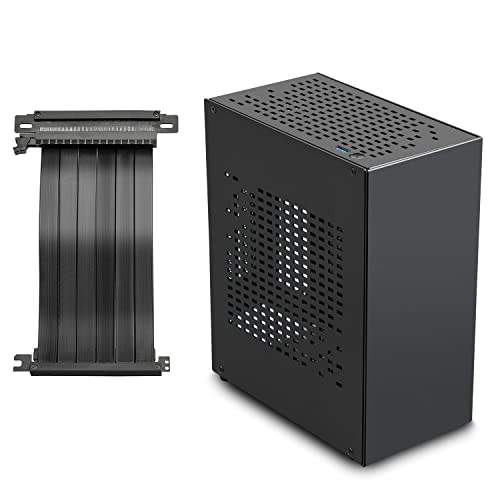
The JOYJOM case keeps the formula simple: aluminum construction, Mini ITX sizing, and a PCIe 3.0 riser to make a compact GPU layout possible. That mix feels most useful for a smaller gaming build where you care about material quality and space savings more than extra interior volume.
It sits closer to the S300 than the Terra in spirit, but the aluminum shell makes the overall feel more utilitarian than decorative. For a budget-conscious setup, an entry SFF build, or a desk that already has enough visual noise, that plain approach can be exactly right.
Positives
- Aluminum construction gives the case a solid, lightweight-feeling shell.
- The Mini ITX format helps keep the system footprint small on a crowded desk.
- PCIe 3.0 riser support makes a vertical graphics-card layout workable.
- Its restrained look blends easily into an office or gaming corner.
Softer Spots
- PCIe 3.0 is serviceable, though newer riser options offer more headroom on paper.
- The pared-back design gives you fewer visual extras than the darkFlash case or the Fractal Terra.
- Compact aluminum cases usually reward careful assembly, especially around cable bends and GPU length.
Feature Rundown
Perfect Match For
This is a strong fit for a practical Mini-ITX builder who wants a straightforward aluminum shell and a compact desktop footprint.
Where A Sibling Pick Shines
NZXT H2 Flow Mini-ITX 20.7L PC Case is the better move for you once airflow and included fans matter more than a stripped-back shell.
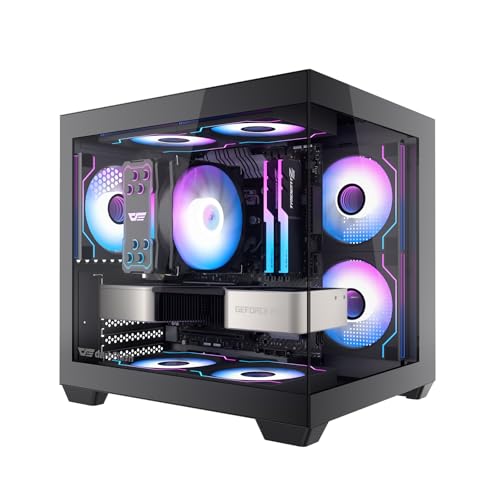
The darkFlash C275P is for someone who wants the case to be part of the show, not just the shell around the hardware. Three pre-installed PWM ARGB fans, meaning addressable lighting with adjustable fan speed, plus dual tempered glass panels give it a much louder visual personality than the Terra or JOYJOM picks.
That presentation comes with the usual glass-case trade-off, because fingerprints and interior cable work stay visible. For a showcase gaming desk or a compact room setup where lighting matters, though, the built-in fan package saves you from piecing together that look one part at a time.
Best Bits
- Three pre-installed fans reduce the need for immediate add-on cooling.
- PWM control helps the fans adapt more gracefully to workload changes.
- Dual tempered glass panels let the interior parts take center stage.
- The mini size still keeps it friendlier to smaller desks than a full tower.
- Support for a 240 mm AIO broadens cooling options for hotter builds.
Areas To Watch
- Glass sides look sharp, but they put cable routing and dust management on display.
- The feature-heavy layout can feel busier than simpler cases during assembly.
- Fans and lighting add visual drama, though not everyone wants that much presence on a desk.
Technical Sheet
Whose Shelf It Belongs On
This suits a style-driven Mini-ITX builder who wants lighting, glass, and built-in fans without a full-size chassis.
Swap It Out When
JOYJOM Aluminum Mini ITX Case is the calmer fit for you once you want a simpler shell with less visual upkeep.
The H2 Flow is built for compact systems that still need proper breathing room. Two included 120 mm top fans and a PCIe 5.0 riser, meaning the newer high-bandwidth graphics-cable standard, give it a more modern cooling and layout story than the smaller, style-first cases around it.
At 20.7 liters, it stays compact without feeling like a puzzle box in the way some ultra-tight ITX cases do. For a performance-minded gaming rig, a workstation with a hot graphics card, or a long-term upgrade path, that extra airflow focus is the real reason to consider it.
Reasons To Buy
- Two included top fans give you a head start on airflow.
- The 20.7 liter size keeps the case compact while still leaving usable space for hardware.
- PCIe 5.0 riser support gives the layout a more current backbone.
- The airflow-first design is well suited to warm GPUs and sustained gaming sessions.
- Black finish keeps the look simple enough for most desks or media setups.
Worth Noting
- The airflow focus makes it less decorative than the Fractal Terra or darkFlash glass model.
- Compact still means compact, so part clearance deserves attention during planning.
- Top-fan dust maintenance is part of the normal ownership routine for any airflow-heavy case.
Core Details
Who Should Grab It
This fits a performance-focused Mini-ITX builder who wants airflow headroom without jumping to a much larger case.
Reach For A Different Pick When
Fractal Design Terra Jade Mini ITX Case makes more sense for you when visual warmth and a smaller footprint matter more than cooling emphasis.
The Revolt 3 takes a portable, metal-first approach that fits well for people who move a system more than once in a while. The carry handle helps, and the broad compatibility note makes it easier to plan around mainstream parts instead of forcing a very narrow build list.
It sits between the minimalist JOYJOM style and the more feature-packed darkFlash route, but with a sturdier, more transport-friendly feel. For a living room gaming setup, a compact LAN rig, or a setup that gets carried between rooms, that design focus makes sense fast.
Plus Points
- Metal construction gives the case a sturdier, more substantial feel.
- The carry handle makes transport simpler than on handle-free compact cases.
- Compatibility is pitched broadly, which helps with part planning.
- The small form factor keeps the system easy to place on or under a desk.
Minor Gripes
- Portable designs still need careful internal cable work to stay neat after moving.
- The case-only version asks you to plan the rest of the power setup separately.
- Metal cases can show scuffs over time, so handling it with care pays off.
Feature Card
Built With In Mind
This suits you best as a portable ITX builder who wants a strong shell and easier carrying.
Consider Something Else When
NZXT H2 Flow Mini-ITX 20.7L PC Case is the better match for you when airflow and included fans matter more than transport-first design.
How To Choose The Right Itx Cases
Start With The Board And Cooler
Mini-ITX cases reward careful part matching. A board that fits on paper still needs room for cable bends, graphics-card length, and cooler clearance, so the case dimensions matter more than the badge on the front panel.
Micro-ATX mini towers, such as the JONSBO Z20, give you more flexibility than the strict ITX shells here. That extra room helps if you want a standard tower cooler, a larger board, or simpler assembly.
Match The Case To The Room
A living room PC, a desk rig, and a travel system all ask for different things. A walnut front panel feels at home on a visible desktop, while a metal case with a carry handle makes more sense for frequent movement.
Cooling also changes the equation. Airflow-first cases suit warm GPUs and longer gaming sessions, while glass-heavy showpieces fit better when visual presentation matters more than thermal headroom.
Don’t Ignore Front I/O And Riser Layouts
Front USB-C is a small convenience that adds up fast, especially with newer headsets, drives, and phone cables. Riser cables matter too, because they decide how the graphics card sits inside a cramped shell.
PCIe 4.0 and PCIe 5.0 risers give you more current layout options than older designs, while PCIe 3.0 remains a workable choice for many compact builds. The practical question is simple, do you want the latest layout path, or do you just want the card mounted cleanly?
Think About Everyday Maintenance
Compact cases make dust, cable access, and fan cleaning more noticeable. A front panel with wood or glass looks great, but it can ask for a little more care than a plain steel tower.
You’ll be happiest with a case that fits the way you actually live with the system, not just the way it looks on the first day. That’s the quiet difference between a case you admire and one you enjoy owning.
What To Weigh Before You Decide
Common Shopping Slip Ups
Many small-case headaches start with part mismatch. A GPU that fits a tower case can still be awkward in a compact shell once the riser, front connectors, and power leads are factored in.
Another common miss is buying for looks alone. A glass-sided case or wood-accented model can be lovely, but a warm gaming build still needs enough airflow and sensible fan placement.
What The Higher Tier Buys
More expensive ITX cases often spend that extra money on material quality, better layout engineering, and included extras. You see that in aluminum panels, carry handles, pre-installed fans, or more polished internal routing.
That upgrade makes sense for a visible desktop, a portable build, or a system you plan to keep for years. For a tucked-away office PC, a simpler shell often does the job just fine.
Frequently Asked Questions
What makes an ITX case different from a larger tower?
An ITX case is built around a much smaller motherboard and a tighter internal layout. That smaller footprint saves desk space, but it asks for more careful part planning.
Are compact cases harder to build in?
Usually, yes, because cable space and component clearance are tighter. A good layout and a patient build process make the job much easier.
Do I need a riser cable in an ITX case?
Many small cases use a riser cable to position the graphics card cleanly. It helps the card fit in a compact layout without forcing a clumsy angle.
Which case style fits a portable gaming setup best?
A case with a handle and a sturdy shell usually fits that role best. The HYTE Revolt 3 and JONSBO Z20 are the clearest examples in this group.
What should you prioritize first, cooling or size?
Cooling should come first for warm gaming hardware, especially in smaller rooms. Once thermal needs are covered, size and appearance become the next deciding factors.
Closing Thoughts
The right ITX case depends on how you actually use your PC, not just how small you want the box to be. A style-forward build feels better in the Fractal Terra, while the NZXT H2 Flow makes more sense for airflow and the HYTE Revolt 3 leans into portability. You’ll get the best result by matching the shell to the parts you already plan to use and the room where the system will live. That keeps the build practical, and that’s usually what lasts.
