
Big PC builds live or die on layout, airflow, and how painless the final cable run feels. You’re here because a cramped shell can make a strong parts list feel awkward fast, especially with long graphics cards, tall coolers, or a stack of drives. The picks below focus on large towers, roomy mid-towers, and a couple of travel-capable cases for people who move desktops between rooms, events, or workspaces.
Some lean hard into airflow and fan count, while others favor storage, glass, or a cleaner everyday footprint. A few are clearly built for serious upgrade headroom, and a couple make more sense for transport than for a permanent desk setup. The right choice comes down to your parts list and how often you plan to open the case later.
Quick Shortlist for Large Tower Shoppers

HYXN H2 (2026) ATX PC Case 8-Fan
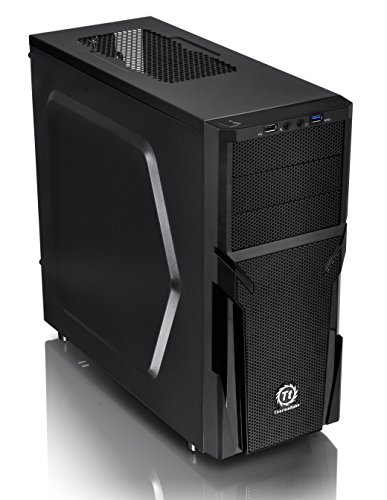
Thermaltake Versa H21 SPCC ATX Mid Tower Chassis

MUSETEX Y6 PC Case 4-Fan Black

CURMIO PC Carrying Case Desktop Travel Bag

DARKROCK EC2 ATX Mid Tower Gaming PC Case

Antec Flux Pro Full-Tower E-ATX PC Case

DARKROCK Classico Storage Master ATX NAS Case

Trunab Computer Desktop Tower Carry Case Backpack
HYXN leans into airflow with a large dual-chamber layout, which keeps the messy side of a build separated from the show side. That split helps when you’re routing cables for a stronger-looking desk setup, and the pre-installed fan count gives it a head start for hot gaming hardware.
The 420mm radiator support is the big clue here, because it opens the door to very large liquid-cooling hardware without squeezing the top end of the case. The trade-off is that a case this ambitious can feel more like a project platform than a simple starter shell, so you’ll appreciate it most when your parts list already skews large.
Strong Points
- Eight pre-installed fans give you a strong starting point for airflow and reduce the amount of extra shopping later.
- Dual-chamber layout helps separate cables and storage clutter from the main view, which makes finished builds look tidier.
- 420mm radiator support suits larger cooling plans, so you’re not boxed in by the chassis on future upgrades.
- Type-C 3.2 support adds a modern front-panel connection for newer peripherals and external drives.
- Large internal format works well for high-heat graphics cards and broader cooling paths.
Things To Consider
- The footprint is substantial, so desk space and floor space both matter.
- More fans can mean more cable management, especially during first assembly.
- Cleaning dust filters and fan blades becomes part of normal upkeep in a high-airflow case.
Feature Snapshot
Who It Suits Best
You’ll like this most if you’re building a heat-heavy gaming PC and want lots of breathing room from the start.
Where A Sibling Pick Shines
DARKROCK EC2 makes more sense for a simpler gaming tower with fewer fans and a less imposing footprint.
Thermaltake’s Versa H21 takes a much calmer route than HYXN’s fan-heavy approach. It’s an SPCC steel mid-tower, and that material usually points to a straightforward, no-drama chassis for everyday desktop builds.
That makes it a sensible fit for someone who wants a basic enclosure rather than a showpiece. The honest read is that you won’t get the dramatic styling or built-in cooling story of the newer picks, but you may prefer the simpler path for a first build or a low-fuss office setup.
What We Like
- SPCC steel gives the case a familiar, sturdy-feeling foundation for routine use.
- ATX mid-tower sizing supports common desktop layouts without forcing you into a larger footprint.
- Black finish keeps the look plain and flexible, which suits workstations as well as gaming desks.
- Straightforward chassis design usually makes assembly less intimidating for a first-time builder.
Points To Note
- Cooling is not the headline here, so airflow planning depends more on the parts you install.
- The styling is plain next to MUSETEX Y6 and HYXN H2.
- Older layouts can feel less accommodating for oversized, modern components than newer large towers.
Details At A Glance
Whose Shelf It Belongs On
This suits a straightforward PC build for someone who values simple hardware placement over flashy styling.
Another Choice May Suit
MUSETEX Y6 fits better for anyone who wants more visual presentation and a broader glass showcase on the desk.
MUSETEX Y6 is built for people who want the components on display, not hidden away. The 270-degree full-view tempered glass design wraps the build in a wide visual frame, so it works especially well on a desk where the tower pulls double duty as part of the room.
The four pre-installed non-LED fans keep the look cleaner than the RGB-heavy route taken by HYXN H2. That quieter visual approach makes the case easier to pair with neutral hardware, though you’ll still want to think through cable placement because the glass panel leaves little room for messy runs.
Upsides
- 270-degree tempered glass creates a wide viewing angle for show builds.
- Four pre-installed fans give basic airflow support right out of the box.
- Type-C support helps the front panel feel current for newer accessories.
- Black finish keeps the case visually restrained, which helps the glass stand out.
Areas To Watch
- Glass-heavy panels tend to need more frequent fingerprint wiping.
- Non-LED fans suit a cleaner look, but they offer less visual flair than lit alternatives.
- Showcase cases reward tidy cable management, so first-time assembly can take a little patience.
Core Details
Built With In Mind
This fits gamers and desk builders who want a cleaner showcase tower with visible hardware and a modern front connection.
A Better Fit Elsewhere
Antec Flux Pro suits you better if you want a larger full-tower platform with more serious internal space and six fans included.
CURMIO takes the idea of a large computer case tower in a different direction, because this is really about moving a desktop safely rather than housing components permanently. The shoulder straps and bag-style layout make more sense for LAN parties, studio moves, or anyone carrying an entire tower from home to work.
It’s also built to hold accessories alongside the tower, including a keyboard, mouse, cables, and earphones, which makes it feel more like a portable station than a simple shell. That convenience comes with a trade-off, since a travel bag will not replace a hard-sided chassis for mounting hardware inside.
Highlights
- Shoulder straps make transport easier than wrestling a bare desktop tower.
- Room for keyboard, mouse, cables, and earphones helps keep everything together.
- ATX and M-ATX fitment broadens compatibility for common desktop layouts.
- Soft-sided design is handy for regular moves between rooms or venues.
Small Caveats
- This is a carry solution, not a structural PC enclosure.
- Padding and bag care matter more here than panel cleaning or fan maintenance.
- Desktop towers with unusual shapes may need extra attention to fitment.
Feature Rundown
Who Should Grab It
You’ll appreciate this most for frequent desktop transport, especially around events, offices, or shared workspaces.
Look Elsewhere When
DARKROCK EC2 is the better path for a permanent gaming tower that needs case structure, fan support, and upgrade room.
DARKROCK EC2 sits in the middle ground in a useful way, especially for gaming desks that need modern compatibility without the bulk of a full showcase chassis. The tempered glass side panel keeps the look current, while the Type-C-ready front helps the case feel less dated than simpler budget shells.
Support for up to eight 120 mm fans and a 360 mm radiator gives you room to shape the airflow around your parts rather than the other way around. That said, it starts with one pre-installed fan, so the finished setup depends on how much extra cooling hardware you plan to add.
Bright Spots
- Supports modern large graphics cards, which matters for current gaming builds.
- Tempered glass side panel gives the tower a cleaner showcase look.
- 360 mm radiator support leaves room for stronger cooling plans.
- Type-C readiness helps the front panel stay useful for newer gear.
Worth Noting
- Only one fan is included, so extra cooling may need to be added later.
- More glass and more airflow openings mean routine dust care matters.
- Enthusiast builds can fill the case quickly, so cable planning still counts.
At A Glance
The Right Fit
This suits a gamer who wants a modern, flexible tower and plans to build out cooling over time.
Skip It When
HYXN H2 makes more sense for anyone who wants far more included cooling right away.
Antec Flux Pro feels like the largest, most feature-dense case in this group, and the full-tower E-ATX size tells you exactly who it’s for. You get six PWM fans, which means pulse-width modulation control for fan speed, plus a walnut wood front panel that gives the chassis a less industrial look than HYXN or DARKROCK.
The rotated PSU mount and CPU and GPU temperature display make this one especially appealing for a high-end workstation or a heavy gaming rig where layout and monitoring both matter. The trade-off is obvious, though, because a tower this large asks for more room and a more deliberate build plan.
Reasons To Buy
- Full-tower E-ATX size leaves generous room for large builds and future changes.
- Six PWM fans support controlled airflow without relying on guesswork.
- Walnut wood front panel softens the look and helps it stand apart from plain black towers.
- Rotated PSU mount can make internal layout feel more deliberate.
- CPU and GPU temperature display adds quick at-a-glance status for active systems.
Softer Spots
- The large footprint calls for a serious amount of desk or floor space.
- Premium features usually mean more time spent planning the build order.
- The wood front panel may appeal more to some setups than to others.
Feature Card
Made For
This suits serious builders who want a full-size enclosure with both strong cooling and a more polished front design.
Reach For A Different Pick When
Thermaltake Versa H21 fits better for a simpler, less space-hungry desktop build.
DARKROCK’s Classico Storage Master is the clearest storage-first choice in the group. Ten 3.5-inch hard-drive bays and three 2.5-inch SSD positions give it a very different job from MUSETEX Y6 or DARKROCK EC2, because this case is built around drive count rather than visual drama.
That makes it especially useful for a home server, archive box, or NAS-style system that stays on longer than it gets opened. The vertically mounted GPU option and support for top and front radiators add some flexibility, though a storage-focused case can feel more specialized than a general-purpose gaming tower.
Best Bits
- Ten 3.5-inch bays suit high-capacity storage builds very well.
- Three 2.5-inch SSD mounts give you room for mixed storage layouts.
- Included four 120 mm fans help the case start with practical airflow.
- Top and front 360 mm radiator support adds cooling flexibility.
- Vertical GPU mounting can help with layout options inside specialized systems.
Trade Offs
- Drive-focused designs tend to favor utility over visual simplicity.
- Managing many drives means more cables, more connectors, and more planning.
- Storage-heavy systems need careful airflow and regular dust cleaning.
Technical Sheet
Built With In Mind
You’ll get the most from this if your desktop doubles as a storage hub or a small home server.
Swap It Out When
Antec Flux Pro is the better match for a premium all-purpose tower with more polished materials and a broader enthusiast feel.
Trunab is the smaller, more mobile cousin to CURMIO, and the backpack-style format makes that obvious right away. It’s aimed at carrying a desktop tower safely, not housing one permanently, so it fits people who move systems between offices, classrooms, or temporary workstations.
Padded protection and space for a keyboard, mouse, cables, and earphones help keep a full setup together in one place. That convenience is real, though a soft travel bag asks for more care around bumps and stacking than a rigid case would.
Positives
- Backpack format makes transporting a desktop easier to manage by hand.
- Padded protection gives the bag a more reassuring travel profile.
- Space for common peripherals helps keep the full setup together.
- ATX and M-ATX fitment covers common tower sizes.
Honest Caveats
- Soft travel protection is not the same as a hard case shell.
- Frequent hauling may call for careful packing and regular inspection of straps.
- Not suited to internal PC mounting, since it’s a carry bag only.
Core Details
Right Fit For
This is best for anyone who carries a desktop often and wants the setup bundled into one padded pack.
Consider Something Else When
CURMIO is the better choice for shoulder-strap transport and a slightly more bag-like carry style.
How To Choose The Right Large Computer Case Towers
Start With Internal Space, Not Style
Large towers only help when the interior matches your hardware. A long graphics card, tall cooler, or thick front radiator can turn a pretty case into a cramped one very fast.
Measure your parts list first, then compare the case’s radiator support, fan count, and drive layout. The bigger shell should solve a fit problem, not create one.
Match The Case To Your Cooling Plan
Airflow matters more in heat-heavy gaming rigs, workstation builds, and storage boxes packed with drives. Cases like HYXN H2 and Antec Flux Pro make sense because they arrive with strong cooling support already in mind.
More fans are useful, but they also mean more cables, more dust to clear, and more noise potential. A cleaner tower with fewer included fans can still work well, as long as your parts and room conditions are modest.
Decide How Often You’ll Move It
A full tower on a desk is one thing, but a desktop you carry to events is another. CURMIO and Trunab solve transport better than traditional chassis models because they focus on straps, padding, and accessory storage.
For a fixed setup, hard panels and a structured frame matter more. For a mobile setup, comfort and secure packing matter more than glass, wood, or extra fan mounts.
Choose Storage, Showcase, Or Simplicity
DARKROCK Classico suits drive-heavy systems, MUSETEX Y6 suits show builds, and Thermaltake Versa H21 suits a plain, low-friction build path. Those are different jobs, and forcing the wrong case into the wrong role usually shows up later during cable routing or drive expansion.
The best large tower for you is the one that matches your build style today and leaves just enough breathing room for the next upgrade. That’s the balance worth paying attention to.
A Quick Reality Check Before You Decide
Common Shopping Slip Ups
Many people focus on exterior size and forget about internal clearance. That’s how a case ends up looking roomy while still fighting a long GPU or a front radiator.
Another common miss is ignoring how much maintenance a high-airflow or glass-heavy tower asks for. More openings, more panels, and more fans usually mean more dusting and more cable care.
Where The Extra Money Goes
Higher-tier towers usually spend the money on materials, layout flexibility, and cooling hardware. Walnut accents, PWM fan control, full-tower volume, and display features all add cost because they add parts and design work.
That upgrade makes sense for large gaming rigs, storage machines, or workstations that stay in service for years. For a simple office PC, a plainer mid-tower often covers the job with less fuss.
Frequently Asked Questions
What makes a case tower “large” for PC builds?
Usually, it means more room for long cards, bigger coolers, extra fans, or more drive bays than a compact shell provides. The exact size still depends on the tower’s internal layout, not just the outside shape.
Do large towers always cool better?
Not automatically. Good airflow depends on fan placement, radiator support, and how open the front and side panels are.
Is a full-tower case worth it for a gaming PC?
Yes, when your hardware stack is large or you want room for future upgrades. It can feel excessive for a modest build, though.
What should you check before adding a radiator?
Check supported radiator size and the exact mounting position. A case that supports 420 mm in one spot may still be tighter elsewhere.
Do travel bags replace normal PC cases?
No, they serve a different job entirely. Travel bags help you move a desktop safely, while a chassis holds the components themselves.
Closing Thoughts
The best large computer case towers make your build easier to live with, not just easier to admire. HYXN and Antec lean into serious cooling headroom, MUSETEX gives you a cleaner showcase look, and DARKROCK’s storage model serves a very different kind of desktop altogether. CURMIO and Trunab shift the category toward transport, which is useful for mobile setups, while Thermaltake keeps things simple. Choose the tower that fits your hardware, your space, and how often you’ll open the case later.
