
When your mouse feels awkward, every small task gets old fast. The right shape, button layout, and connection style can make long workdays, school sessions, and travel setups feel far less fussy.
This roundup keeps the focus on comfort, hand position, and everyday usefulness. You get a mix of classic shapes, vertical designs, and trackballs, so you can match the mouse to your desk space and wrist habits.
Quick Look at the Shortlist
PHILIPS Ergonomic Wireless Mouse, Multi-Device Bluetooth (USB-A/C)

SABLUTE Wireless Mouse for Laptop, Quiet, Compact & Portable, M41

ProtoArc EM02 Wireless Trackball Mouse, Gray

Logitech Signature Comfort Plus M850 L Wireless Mouse Bluetooth, Graphite

ProtoArc EM11 NL Wireless Ergonomic Vertical Mouse, Rechargeable, Black

Logitech Ergo M575S Wireless Bluetooth Trackball Mouse, Graphite Blue Ball
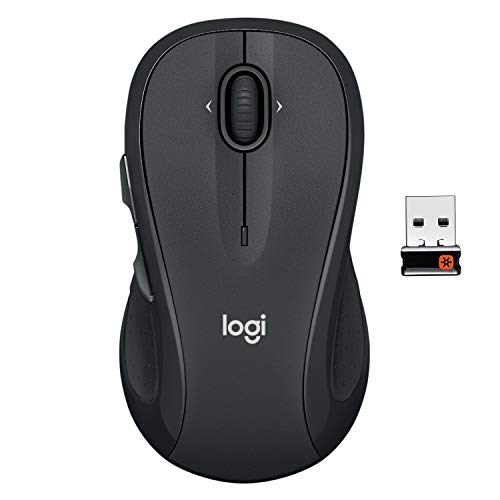
Logitech M510 Full Size Ambidextrous 2.4 GHz Wireless Mouse

Anker 2.4G Wireless Ergonomic Mouse, Right Hand Vertical Mouse USB Receiver
More Details On Our Top Picks
That side scroll and rechargeable setup give this PHILIPS model a more desk-focused feel than the smaller SABLUTE. It suits a workday split between laptop, Mac, and desktop because the USB-A and USB-C support reduces dongle juggling.
The silent button design is handy in shared spaces, and the right-handed shape aims for a more relaxed grip during long sessions. The trade-off is that right-hand ergonomics make it a poor fit for left-handed use, so the shape matters more than the feature list here.
What We Like
- Bluetooth plus USB-A and USB-C support gives you more setup flexibility across mixed devices.
- Silent clicking keeps distraction down in open offices, coffee shops, or late-night home work.
- Side scroll adds a practical touch for spreadsheets, timelines, and wide documents.
- Rechargeable power means you avoid the steady drip of disposable batteries.
- 5-level DPI lets you tune pointer speed for fine edits or faster desktop movement.
Things To Consider
- The right-handed shape narrows the audience, so left-handed use is out.
- Side-scroll controls take a little adjustment before they feel natural.
- Multi-device convenience helps most when you regularly jump between computer setups.
Feature Snapshot
Who It Suits Best
You get the most value from this mouse in a mixed-device desk setup where quiet clicks and side scrolling matter more than compact size.
A Better Fit Elsewhere
The Logitech M510 Full Size Ambidextrous 2.4 GHz Wireless Mouse suits shared desks and left-handed use more naturally, especially when you want a simpler shape.
The SABLUTE leans hard into portability, and that makes sense beside the fuller PHILIPS shape. Its slim body and USB-C adapter suit a backpack, a dorm desk, or a laptop sleeve without taking much room.
The 3-level DPI range gives you a few cursor-speed choices, while sleep mode helps with battery conservation during stop-and-start days. You may find the smaller form less relaxed for all-day desktop use, but for travel and study it’s a practical little package.
Positives
- Slim profile slips into a travel bag without much bulk.
- Quiet clicking works well in libraries, shared tables, and late-night hotel rooms.
- USB-C adapter improves compatibility with newer laptops.
- Sleep mode helps stretch idle time between sessions.
Minor Gripes
- Small mice can feel less relaxing during long desktop stretches.
- The compact shell gives up some palm support.
- You may need a steadier grip on larger hands.
Core Details
Made For
You get the best fit here for commuting students, frequent travelers, and anyone who wants a small mouse beside a thin laptop.
Swap It Out When
ProtoArc EM02 Wireless Trackball Mouse suits desk-based work better when you want to keep your hand anchored and your desk clear.
After the SABLUTE’s small travel shape, this trackball feels built for a steadier desk life. The thumb ball keeps pointer movement under your hand instead of across the desk, which can make cramped setups feel less busy.
The 0 to 15 degree adjustable angle matters more than it sounds, since wrist position often decides whether a mouse feels merely usable or genuinely comfortable. In a home office with limited desk depth, that adjustability and three-device support can be a quiet relief.
Strong Points
- Thumb-based control keeps arm motion low.
- Adjustable angle helps you tailor wrist position.
- Three-device support suits a laptop, desktop, and tablet mix.
- Rechargeable power avoids routine battery swaps.
- Trackball design can free space on crowded desks.
Areas To Watch
- Trackballs take a short adjustment period for new users.
- Thumb control feels different from a standard mouse, so muscle memory needs time.
- The learning curve is real for fast, casual switching.
At A Glance
Right Fit For
You suit this mouse best when desk space is tight, wrist position matters, and you don’t mind learning a trackball’s different feel.
Another Choice May Suit
Logitech M510 Full Size Ambidextrous 2.4 GHz Wireless Mouse works better for anyone who wants a more familiar hand shape and less adaptation time.
Where the ProtoArc EM02 bends toward a more specialized grip, the M850 L stays closer to a familiar full-size mouse. The palm cushion gives it a softer landing for long document sessions, and that can matter a lot during an ordinary workweek.
Bluetooth support keeps the desk cleaner, while customizable buttons let you tune a few shortcuts to your habits. The 24-month battery claim stands out on paper, though the practical win is simple, less interruption for maintenance and fewer changes to keep track of.
Bright Spots
- Palm cushion adds a relaxed feel during long use.
- Customizable buttons can speed up repeated tasks.
- Bluetooth pairing keeps USB ports available.
- Long battery life reduces routine upkeep.
Worth Noting
- The larger body is less pocketable than compact travel mice.
- It suits right-handed comfort thinking more than ultra-simple ambidextrous use.
- Custom button setup takes a little time at the start.
Details At A Glance
Best Suited To
You fit this mouse well if you want a familiar, full-size shape for office work, home documents, and long stretches at the keyboard.
Where A Sibling Pick Shines
PHILIPS Ergonomic Wireless Mouse, Multi-Device Bluetooth (USB-A/C) fits better when you want side scrolling and broader port compatibility.
The EM11 NL goes more all-in on hand position than the M850 L. Its 58-degree vertical stance changes the grip angle enough that many desks feel less cramped, and that can be useful for long editing days or steady spreadsheet work.
It also connects to three devices and recharges over USB-C, which keeps the setup tidy. One thing worth considering is that vertical mice rarely feel instant, so the comfort payoff usually comes after a short adjustment period rather than on day one.
Upsides
- 58-degree vertical angle promotes a more upright hand position.
- Three-device support helps a multi-machine desk stay organized.
- USB-C charging makes top-ups simpler for newer setups.
- Rechargeable design cuts down on battery swapping.
Small Caveats
- Vertical mice ask for a habit change at the start.
- The taller shape can feel unusual beside a standard mouse.
- People who switch constantly between mouse styles may prefer a simpler shape.
Key Specs
Built With In Mind
You suit this mouse best when wrist angle matters more than keeping a traditional mouse shape, especially in a stationary office setup.
Look Elsewhere When
Logitech Ergo M575S Wireless Bluetooth Trackball Mouse is the better fit for desk workers who want less arm motion without changing grip angle as much.
Compared with the ProtoArc EM11 NL, this Logitech keeps the trackball idea but avoids the taller vertical stance. The thumb-controlled ball is the main appeal, since it reduces how much the mouse has to move across the desk and keeps your workspace calmer.
Bluetooth and the included Logi Bolt USB receiver give you two connection paths, which is useful in mixed PC and Mac setups. The honest read is that trackballs reward patience, so you may need a little time before the movement feels second nature.
Best Bits
- Thumb control keeps pointer work in a small footprint.
- Bluetooth plus included receiver widens setup options.
- Precise tracking suits spreadsheet work and careful editing.
- PC and Mac support makes it broadly useful.
Honest Caveats
- Trackball handling takes practice for smooth day-to-day use.
- The shape is more specialized than a standard mouse.
- People who prefer sweeping arm motion may not warm to it.
Feature Rundown
Whose Shelf It Belongs On
You benefit most here when your desk is crowded, your pointer work is detailed, and you like a mouse that stays mostly in place.
Where Another Pick Suits Better
Logitech M510 Full Size Ambidextrous 2.4 GHz Wireless Mouse is better for people who want a plain, familiar layout with no trackball learning curve.
Right after the trackball options, the M510 feels refreshingly straightforward. Its full-size ambidextrous shape gives you a familiar grip without committing to a vertical posture or a thumb ball, which is exactly why many home setups still make room for it.
The tilt-to-scroll function is the practical bonus here, especially for spreadsheets or long web pages. The 2-year battery life and USB-A nano receiver also keep the ownership side simple, although the design is more plain than the more comfort-driven picks above it.
Reasons To Buy
- Ambidextrous shape works for either hand.
- Tilt-to-scroll helps with wide pages and documents.
- Long battery life lowers routine maintenance.
- USB-A receiver keeps the connection simple.
- Full-size body feels familiar for everyday use.
Room For Improvement
- The shape is conservative rather than specialized.
- It does not offer the angled grip of ergonomic designs.
- People wanting extra comfort features may want a more shaped option.
Technical Sheet
The Right Fit
You suit this mouse best when you want a no-drama, full-size everyday mouse that works cleanly on shared home or office computers.
Reach For A Different Pick When
PHILIPS Ergonomic Wireless Mouse, Multi-Device Bluetooth (USB-A/C) is a stronger match when you want quieter clicks and broader device flexibility.
Ending with the Anker makes sense because it keeps the vertical-mouse idea simple. You get a right-hand shape, a USB receiver, and three DPI settings, so the appeal is straightforward for a desk that needs comfort without extra bells and whistles.
The 5-button layout helps with basic control, and the 800, 1200, and 1600 DPI levels give you workable pointer speeds for everyday use. Batteries are required, so upkeep is a little more hands-on than the rechargeable options above, but the trade-off is a familiar, low-friction setup.
Highlights
- Vertical shape gives the hand a more upright position.
- Three DPI settings help you adjust cursor speed.
- Five buttons cover common shortcuts and simple navigation.
- USB receiver keeps setup easy on many desktops and laptops.
Points To Note
- Batteries are required, so you need to keep spares in mind.
- The right-hand design excludes left-handed use.
- Vertical mice can feel unusual during the first few days.
Core Details
Who Should Grab It
You suit this mouse best when you want an affordable vertical shape for a right-handed desk and don’t mind using replaceable batteries.
Skip It When
ProtoArc EM11 NL Wireless Ergonomic Vertical Mouse is the cleaner choice for anyone who wants a rechargeable vertical design with three-device support.
How To Choose The Right Comfortable Computer Mouses
Shape Comes Before Extras
Hand fit decides more than branding or button count. A full-size ambidextrous mouse like the Logitech M510 feels familiar, while a vertical model such as the ProtoArc EM11 NL shifts your wrist into a more upright hold.
Trackballs move the control point to your thumb, which changes the whole feel again. That works well on crowded desks, though the learning curve is real, so the comfort payoff depends on how much adaptation you want.
Connection Style Should Match Your Desk
Bluetooth keeps USB ports open, which helps on thin laptops and mixed-device desks. Receiver-based 2.4G mice are still useful when you want a simple plug-in setup and steady everyday use.
Multi-device pairing matters most in home offices where you switch between a laptop, desktop, and tablet. A mouse that supports both Bluetooth and a receiver gives you more room to shape the setup around the way you work.
Comfort Features Need A Real Use Case
Silent clicks, side scroll, tilt-to-scroll, and customizable buttons sound similar on paper, but each one solves a different annoyance. Side scroll helps wide sheets, while customizable buttons matter more for repeated tasks and shortcuts.
For travel, compact size and sleep mode make more sense than extra hand support. For long desk sessions, palm cushions, vertical grips, and thumb trackballs usually earn their place more quickly.
Power And Maintenance Shape Ownership
Rechargeable mice reduce the need to keep spare batteries around, while battery-powered models stay simple for people who only use a mouse part of the day. Both approaches work, but the better fit depends on how often you want to think about charging.
Cleaning also matters. A trackball needs a different kind of upkeep than a smooth-shell mouse, and a larger body may need more desk space than a travel mouse, so the most comfortable option is often the one that fits your routine without friction.
Things Worth Knowing First
Hidden Buying Traps
Many people focus on DPI alone and miss the shape. That usually leads to a mouse that moves fast enough but still feels wrong in your hand after an hour.
Another common miss is ignoring port type. A USB-C laptop, a USB-A desktop, and a tablet dock each steer you toward a different connection style, so check the whole setup, not just the mouse.
Where The Extra Money Goes
Higher-tier mice often spend more on ergonomics, richer connection options, and lighter daily maintenance. A palm cushion, vertical angle, or multi-device support usually costs more because it asks for a more specialized body and more internal hardware.
Spending up makes sense for all-day office work, shared computers, or anyone who wants fewer hand adjustments during the day. For occasional use, a plain full-size mouse often does enough without asking for a bigger commitment.
Final Thoughts
Your best comfortable mouse depends on how you hold it, how much you move, and how many devices sit on your desk. The PHILIPS, Logitech M850 L, and ProtoArc EM11 NL cover the comfort-first end of the field, while the SABLUTE and Logitech M510 keep things simpler for travel or general use. Pick the shape that matches your routine, not just the spec sheet, and you’ll feel the difference every day.
