
Hand strain shows up fast during long spreadsheets, design work, or a full day of remote meetings, and the right mouse can make that grind feel less punishing. This roundup focuses on shapes that support a more natural hand position, plus features that matter in real use, like multi-device pairing, quiet clicks, and rechargeable power. You get a clear look at what suits small desks, shared workstations, travel bags, and heavier desktop workflows. No fluff, just the practical differences that matter once the workday starts.
Quick Look At the Shortlist

SABLUTE MAM1 Pro Trackball Mouse

Anker 2.4G Wireless Ergonomic Mouse

Logitech Lift Vertical Ergonomic Wireless Mouse

Logitech MX Master 4 Ergonomic Wireless Mouse

TECKNET Ergonomic Mouse 4800 DPI Wireless Bluetooth Vertical

Amazon Basics Portable Wireless Computer Mouse

ProtoArc EM11 NL Wireless Ergonomic Vertical Mouse
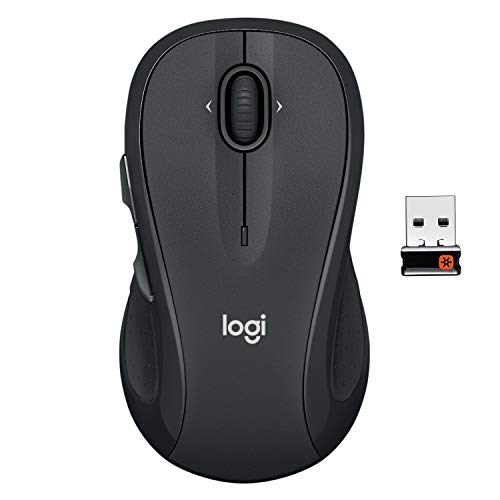
Logitech M510 Full Size Ambidextrous 2.4 GHz Wireless Mouse
More Details On Our Top Picks
The thumb-controlled trackball keeps your hand still while the cursor moves, which makes this SABLUTE model feel different from the vertical shapes later in the list. The 0° and 18° angles give you two posture options, so the fit can be more relaxed during long desk sessions or late-night spreadsheet work.
Quiet clicks suit shared spaces, and the Bluetooth plus USB receiver setup helps when you bounce between laptops or desktops. The trade-off is that trackballs ask for a short adjustment period, and the gray ball design leans more specialized than casual.
Strong Points
- Thumb control keeps movement tight on crowded desks.
- Two angle settings help you settle into a calmer wrist angle.
- Quiet clicks suit offices, libraries, and late work sessions.
- Bluetooth and receiver support give you flexible pairing options.
- Rechargeable power trims battery swaps for regular desk use.
Things To Consider
- Trackball control feels unfamiliar at first, especially after years with standard mice.
- The learning curve can slow you down during the first few workdays.
- It suits a desk setup better than a grab-and-go travel pouch.
Feature Snapshot
Who It Suits Best
Desk workers who want less arm movement and a more contained pointing style will get the most from this one.
Where A Sibling Pick Shines
Logitech Lift Vertical Ergonomic Wireless Mouse suits you better if you want a more traditional pointer feel with a vertical grip instead of a trackball.
This Anker vertical mouse keeps the shape simple, and that plain approach works for office days where comfort matters more than extra bells. The right-hand orientation gives your palm a more upright posture, which can feel easier during routine document work or long browsing sessions.
Three DPI steps let you tune pointer speed, and the five-button layout gives you enough control without turning the body into a crowded control deck. It does need batteries, so you trade recharge convenience for a straightforward setup that suits a work laptop or desktop.
What We Like
- Vertical shape supports a more neutral hand angle.
- 800, 1200, and 1600 DPI options give you simple pointer tuning.
- Five buttons cover common actions without clutter.
- 2.4 GHz wireless keeps the setup uncomplicated for a desk.
Minor Gripes
- Batteries are part of the routine, so you need spares on hand.
- The design is right-hand only, which narrows the fit.
- It feels more basic than the Logitech Lift or MX Master 4.
Technical Sheet
Made For
Office users who want a no-drama vertical mouse for standard computer work will find the fit easy to understand.
A Better Fit Elsewhere
TECKNET Ergonomic Mouse 4800 DPI Wireless Bluetooth Vertical suits you better if you want multi-device switching and more DPI headroom.
The Lift sits in a sweet spot between the simpler Anker and the more complex MX Master 4, because it keeps the vertical grip but stays compact. That makes it a smart match for smaller hands, smaller desks, or mixed laptop-and-monitor setups where every inch matters.
Bluetooth and the included Logi Bolt USB-A receiver give you two connection paths, and the quiet clicks are a plus in open offices or at home after hours. Four customizable buttons out of six total add useful control, though you will want to spend a little time setting them up the way you work.
Highlights
- Vertical profile encourages a more upright grip.
- Compact shape fits smaller hands and tighter desk spaces.
- Bluetooth plus USB-A receiver support adds pairing flexibility.
- Quiet clicks suit shared rooms and late work sessions.
- Customizable buttons let you map frequent actions.
Worth Noting
- Smaller size may feel cramped for very large hands.
- Button customization takes a little setup time.
- It asks for more adjustment than a standard flat mouse.
Core Details
Best Suited To
Smaller-handed professionals and students who want a compact vertical mouse for everyday work will appreciate this shape quickly.
Swap It Out When
Logitech MX Master 4 Ergonomic Wireless Mouse with Haptics suits you better if scrolling speed and deeper control matter more than compact size.
This one feels built for people who spend all day shuttling between tabs, timelines, and documents. Haptic feedback gives you tactile response, so actions feel more deliberate, while the ultra-fast scrolling helps long pages move without the same wrist churn you get from simpler office mice.
USB-C charging keeps the power side more modern, and the Windows plus macOS compatibility helps in mixed-platform workspaces. The honest read is that this is more mouse than some desks need, but for heavy computer users, the extra control can feel worth the size and complexity.
Reasons To Buy
- Haptic feedback adds a tactile layer to interactions.
- Ultra-fast scrolling helps you move through long files and pages.
- USB-C charging fits modern desk setups.
- Works across Windows and macOS workstations.
- Strong fit for demanding daily computer use.
Small Caveats
- It asks for more desk space than compact vertical mice.
- Extra functions can feel busy for simple browsing.
- People who want a basic pointer may find it more than they need.
Details At A Glance
The Right Fit
Power users, analysts, editors, and anyone living in spreadsheets or large browsers will get the most from this feature-rich shape.
Look Elsewhere When
Amazon Basics Portable Wireless Computer Mouse suits you better if you want a simpler, lighter everyday pointer without the added control layers.
TECKNET gives you a lot of control without pushing into the more premium price tier of the MX Master 4. The vertical layout, three-device switching, and six DPI levels make it a practical match for people who jump between a laptop, desktop, and tablet-style setup during the same workday.
Quiet clicks keep the desktop calmer, and the 2.4G plus Bluetooth 5.0 support broadens pairing options. Battery power does mean another maintenance item, yet the right-hand shape and high DPI ceiling make this feel especially handy for multitaskers who want flexibility over polish.
Upsides
- Three-device switching helps busy desks feel less tangled.
- Six DPI levels give you finer pointer tuning.
- Bluetooth 5.0 and 2.4G cover common connection needs.
- Quiet clicks suit shared rooms and late work.
- Six-button layout adds practical control without excess bulk.
Areas To Watch
- Battery power means you need to keep replacements nearby.
- Right-hand design narrows the fit.
- The denser feature set can feel busy for very simple tasks.
Feature Card
Built With In Mind
Multitaskers, hybrid workers, and anyone moving between several devices in one day will find the TECKNET shape easy to put to work.
Another Choice May Suit
Logitech Lift Vertical Ergonomic Wireless Mouse suits you better if you want a smaller, more polished vertical mouse with a simpler feel.
Sometimes simple is the point, and this Amazon Basics mouse leans hard into that idea. The ergonomic shape and portable size make sense for a carry bag, a guest workstation, or a home office where you just want a dependable pointer without learning a new grip.
2.4 GHz optical wireless keeps the connection straightforward, and adjustable DPI adds a little control over cursor speed. It does not chase the richer feature set you get from Logitech Lift or MX Master 4, so the trade-off is plain: less refinement, less fuss.
Positives
- Portable size suits bags, drawers, and shared desks.
- Ergonomic shape gives you a more comfortable everyday hold.
- Adjustable DPI helps you dial in pointer speed.
- 2.4 GHz wireless keeps the setup uncomplicated.
Softer Spots
- It leaves out the extra control features seen on pricier models.
- People who want a vertical grip will need another option.
- It feels more basic than the Lift or TECKNET.
Core Details
Whose Shelf It Belongs On
Occasional home-office users, students, and anyone who wants a plain carry-friendly mouse will get along with it quickly.
Reach For A Different Pick When
Logitech M510 Full Size Ambidextrous 2.4 GHz Wireless Mouse suits you better if you want a larger body, tilt scrolling, and left-or-right hand flexibility.
The ProtoArc EM11 NL takes a more pronounced vertical angle than the Lift, and that 58° stance is the kind of detail that matters to people who prefer a hand position that feels upright right away. It also stays useful across changing setups, since it can connect to three devices over Bluetooth or 2.4G USB-A.
A 500mAh battery and USB-C charging make it easier to keep in step with modern laptops and travel bags. The shape is still a vertical mouse, so there is some adjustment, but frequent commuters and hybrid workers may appreciate how self-contained it feels.
Bright Spots
- 58° vertical angle supports a more natural hand posture.
- Three-device support helps with mixed-device work.
- Bluetooth and 2.4G give you flexible pairing paths.
- USB-C charging fits current carry setups.
- Rechargeable power cuts down on battery swaps.
Room For Improvement
- The steeper shape may take time to get used to.
- Very large hands may want a bigger shell.
- It feels more specialized than a flat everyday mouse.
At A Glance
Perfect Match For
Commuters, freelancers, and anyone who carries a mouse between home, office, and hotel desk will get good use from this shape.
Where Shoppers Go Wrong
Logitech Lift Vertical Ergonomic Wireless Mouse can suit you better if you want a gentler vertical profile and a slightly more compact footprint.
The M510 feels like the familiar middle ground in this lineup, with a full-size body that should suit shared workstations and traditional desk setups. The ambidextrous shape matters more than it sounds, because it makes the mouse easier to hand off or keep in rotation across different desks.
Tilt-to-scroll adds a small but useful touch for wide spreadsheets or long browser pages, and the Nano receiver keeps the wireless side tidy. Two-year battery life is the kind of detail that reduces routine maintenance, though the mouse stays more conventional than the ergonomic vertical picks above it.
Best Bits
- Ambidextrous shape works for either hand.
- Full-size body feels familiar on a normal desk.
- Tilt scrolling helps with wide documents and spreadsheets.
- Long battery life reduces day-to-day upkeep.
- Nano receiver keeps the USB side compact.
Areas To Watch
- It is less posture-focused than the vertical models in this list.
- People wanting a softer ergonomic tilt may want a different shape.
- The full-size body takes more room than the smaller portable option.
Feature Rundown
Who Should Grab It
People who want a familiar full-size mouse with little upkeep and easy handoff across workstations will find it appealing.
Skip It When
ProtoArc EM11 NL Wireless Ergonomic Vertical Mouse suits you better if posture support matters more than a traditional body shape.
How To Choose The Right Ergonomic Wireless Mouses
Shape Comes First
Start with the grip, not the feature list. Vertical mice like the Logitech Lift, TECKNET, and ProtoArc EM11 NL rotate your hand into a more upright posture, while the SABLUTE trackball keeps your arm still and shifts control to the thumb. A flat mouse such as the Amazon Basics or Logitech M510 feels more familiar, which matters when you need comfort without a learning curve.
Hand size changes the story. Compact shells usually suit smaller hands or tighter desk spaces, while full-size bodies feel steadier for long desktop sessions. The safest choice is the shape that lets your hand relax without forcing your wrist to twist or your fingers to stretch.
Connection Style Affects Daily Friction
Bluetooth helps you move between laptops, tablets, and office machines without tying up a USB port. A 2.4 GHz receiver is often simpler and steadier for a single desk, especially on a work laptop where you want quick pairing and less fuss. The TECKNET and ProtoArc go further by supporting multiple devices, which helps in hybrid setups.
That flexibility has a trade-off. More connection paths can mean more setup choices and a slightly longer first-day routine, while a single-receiver mouse stays easy to understand. For mixed-device work, the extra flexibility usually earns its keep.
Buttons, DPI, and Scrolling Change How Much You Reach
DPI, which stands for dots per inch, is the sensitivity setting that controls how far the pointer moves as your hand moves. Higher numbers can feel quicker on large screens, while lower steps help with fine control in spreadsheets or design tools. The Anker keeps things simple with three DPI levels, while the TECKNET gives you six.
Buttons and scroll behavior matter just as much. Customizable buttons can shave off little repetitive moves, and tilt scrolling helps wide documents feel less awkward. The MX Master 4 is the most feature-heavy pick here, so it suits heavier workflows more than casual browsing.
Power And Maintenance Are Easy To Overlook
Rechargeable models reduce battery swaps, which matters more than you expect once the mouse becomes part of your daily rhythm. The trade-off is one more charging habit, while battery-powered models ask for spare cells instead. For travel bags and shared offices, that difference can shape your routine more than the shell design.
Also think about cleaning and storage. Trackballs need occasional attention around the ball area, and larger mice take more room in a sleeve or laptop bag. A simple body can be easier to keep tidy, but a more advanced mouse often pays you back with better control.
Things Worth Knowing First
Mistakes Worth Dodging
Many people chase features before shape, then wonder why the mouse still feels wrong after a week. A vertical body helps some hands, while others want a trackball or a standard full-size shell. Matching the shape to your desk habits matters more than chasing the longest spec list.
Another common miss is ignoring connection and power. A battery-powered mouse can fit office life just fine, but it adds upkeep. A rechargeable model keeps the routine cleaner, though you still need to remember the cable.
What The Higher Tier Buys
Higher-end ergonomic mice usually spend the extra money on better scrolling, more buttons, stronger materials, and more polished software support. The MX Master 4 shows that pattern clearly with haptics, fast scrolling, and USB-C charging, while the Lift gives a simpler version of ergonomic comfort. You are paying for smoother control and fewer annoyances, not magic.
That upgrade makes the most sense for heavy computer work, repeated shortcut use, or a desk setup you rely on every day. For lighter browsing or a school laptop, a simpler mouse can cover the job without piling on features you won’t use.
Final Thoughts
The right ergonomic wireless mouse feels less like a gadget and more like a small work habit that quietly improves the day. The SABLUTE trackball, Logitech Lift, and ProtoArc EM11 NL each suit a different kind of posture, while the MX Master 4 is the clear fit for heavier desk work. For something simpler, the Anker, Amazon Basics, and Logitech M510 keep things straightforward. Match the shape to how you actually work, and you’ll make a much better choice.
