
You want a monitor that keeps motion clean without turning your desk into a cluttered science project. That means looking past headline refresh numbers and toward panel type, screen size, port mix, and whether the stand fits your space. The seven picks below cover desk-friendly 22-inch and 24-inch models, plus a larger 24.5-inch option for more aggressive gaming setups. They’re a strong match for students, home offices, console setups, and PC gamers who want smoother on-screen movement without drifting into overkill.
The Shortlist At A Glance
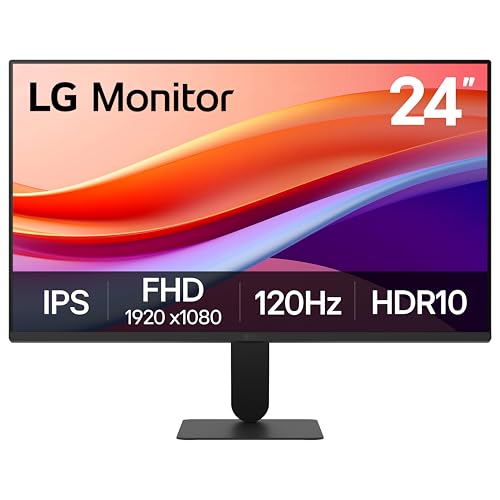
LG 24U411A-B 24-inch Full HD IPS Monitor 120Hz

ArcticPro 22 Inch Gaming Monitor 144Hz FHD

LG 24G411A-B 24-inch Ultragear Full HD IPS Gaming Monitor

Sceptre 24.5-inch Gaming Monitor 240Hz 1ms E255B-FWD240

ArcticPro 24 Inch Monitor 120Hz IPS 1ms

ArcticPro 22 Inch Monitor 144Hz 120Hz FHD

Sceptre New 22-Inch Gaming Monitor FHD 1080p E225W-FW144
More Details On Our Top Picks
A 24-inch IPS panel with 1080p resolution gives this LG a familiar desk footprint, and the 120Hz refresh rate keeps scrolling and lighter gaming motion cleaner than a basic 60Hz screen. HDR10 and Flicker Safe add a bit of polish for mixed work and play, while Reader Mode makes long document sessions feel less harsh.
The slim stand base matters more than it sounds, especially on a packed home-office desk where every inch counts. The trade-off is simple, this is a modest-speed all-rounder rather than a feature-stuffed gaming tower, so you get a calmer setup instead of aggressive extras.
What We Like
- IPS viewing angles keep the image more consistent across the panel, which helps shared desks and casual couch viewing.
- 120Hz is a real step up for smoother cursor movement and less choppy motion in everyday use.
- Reader Mode is useful for long stretches of spreadsheets or articles, since it shifts the screen toward a softer look.
- The slim stand base leaves more room for a keyboard, notebook, or dock.
Things To Consider
- HDMI is the listed connection here, so desktop shoppers with older hardware may need to confirm cable compatibility.
- It stays in the mainstream lane on speed, which is fine for general play but not aimed at serious competitive setups.
- Glossary-free note, HDR10 support can improve supported content, yet it does not turn every image into a dramatic upgrade.
Feature Snapshot
Who It Suits Best
Desk users who split time between work documents, streaming, and lighter gaming will get the most from this one.
Where A Sibling Pick Shines
LG 24G411A-B 24-inch Ultragear Full HD IPS Gaming Monitor suits competitive play better, since it brings 144Hz, 1ms MBR, and both G-Sync Compatible and FreeSync support.
This 22-inch ArcticPro keeps the footprint tight, which helps on dorm desks and smaller gaming setups where a 24-inch panel can feel a little wide. The 105% sRGB rating points to broader color coverage than a bare-bones panel, and the 4000:1 contrast figure suggests deeper separation between dark and bright areas.
The 3-sided frameless design and ultra-slim body give it a cleaner look than bulkier budget screens. The honest read is that it trades sheer screen space for desk efficiency, so it suits you best when space and color matter more than a larger panel.
Highlights
- 22-inch size fits narrow desks and makes it easier to keep peripherals within reach.
- 144Hz refresh supports smoother movement for faster play and general scrolling.
- 105% sRGB coverage is appealing for color-aware work, such as casual photo editing or design studies.
- VESA support opens the door to wall or arm mounting, which helps clear desk clutter.
- HDMI and VGA give you more connection flexibility than a single-port monitor.
Areas To Watch
- The smaller screen may feel tight for split-screen work or long editing timelines.
- VGA is handy for older gear, though most modern desks will lean on HDMI.
- Ultrathin frames usually look tidy, but they can make handling during setup feel a bit more delicate.
Core Details
Made For
Compact gaming spaces, student desks, and shoppers who want stronger color coverage without moving up to a bigger monitor.
Another Choice May Suit
ArcticPro 24 Inch Monitor 120Hz IPS 1ms is the better fit for you if you want more screen room for split windows and all-day desk work.
This LG leans harder into fast play than the 24U411A-B above, and the difference shows in the 144Hz overclocked refresh rate, 1ms MBR, and both G-Sync Compatible and FreeSync support. That mix is useful for PC gamers who care about cleaner motion and a steadier feel during quick camera movement.
HDR10 and DisplayPort round out the package, while the slim stand keeps the footprint sensible for a gaming desk. The catch is that the better speed focus comes with a more game-first profile, so it makes less sense than Item 1 for mixed office use.
Strong Points
- 144Hz overclocked refresh gives you extra headroom for fluid motion.
- 1ms MBR, or motion blur reduction, targets cleaner-looking fast action.
- G-Sync Compatible and FreeSync help the monitor pair more smoothly with supported graphics hardware.
- IPS tech keeps the image stable from different viewing angles, useful on shared gaming desks.
- DisplayPort is included, which matters for desktop rigs that prefer that connection.
Points To Note
- The gaming-first feature mix is more than many everyday office setups need.
- Motion blur reduction modes can suit competitive sessions, though some people prefer the look with them off.
- HDR10 support is useful, but it still depends on the content and source device.
Quick Facts
Best Suited To
Fast-action PC gamers who want a 24-inch screen with stronger motion features and flexible sync support.
Skip It When
LG 24U411A-B 24-inch Full HD IPS Monitor 120Hz fits better for mixed work and play, because it puts comfort and simplicity ahead of gaming extras.
This Sceptre steps beyond the 120Hz crowd with a 240Hz panel, so it makes sense for faster competitive play where motion responsiveness matters more than desktop simplicity. The 24.5-inch size gives you a bit more room than the 22-inch models without jumping into a much larger footprint.
Dual DisplayPort and dual HDMI inputs make it easier to juggle a PC and console, and the built-in speakers can keep a secondary setup tidy. The trade-off is that this is the most gaming-forward pick so far, which means it’s overbuilt for basic office work.
Upsides
- 240Hz refresh is aimed at very smooth motion in fast-paced titles.
- 24.5-inch size gives a little more presence than the smaller 22-inch options.
- Two DisplayPort inputs and two HDMI inputs offer generous connection flexibility.
- Built-in speakers can simplify a spare-room or bedroom setup.
- 100% sRGB is useful for color-aware gaming and general media use.
Minor Gripes
- The gaming focus makes it less balanced for day-long document work.
- Built-in speakers are convenient, though many desks still sound better with separate audio.
- The 24.5-inch size is still manageable, but it takes more room than a 22-inch monitor.
Details At A Glance
Right Fit For
Competitive gamers and multi-device setups that need a higher refresh rate and plenty of input options.
A Better Fit Elsewhere
LG 24G411A-B 24-inch Ultragear Full HD IPS Gaming Monitor makes more sense for you if you want a smaller, more balanced gaming screen with adaptive sync support.
Compared with the tighter ArcticPro 22-inch model, this 24-inch version feels like the more relaxed desk choice. The IPS panel, 99% sRGB coverage, and Adaptive Sync support make it a sensible middle ground for work, streaming, and casual gaming.
The 3-sided frameless look keeps the screen visually light, and the ultra-slim body helps it sit neatly in a shared room or home office. One thing worth considering is that the anti-blue light note points toward comfort-oriented use, but you still get the most out of it when the desk is already set up at a sensible viewing distance.
Positives
- 24-inch size gives you more room for side-by-side windows than a 22-inch screen.
- 120Hz keeps motion smoother than a standard office monitor.
- 99% sRGB suits everyday creative work and more accurate-looking media.
- Adaptive Sync helps make supported gaming sessions feel steadier.
- HDMI and VGA cover modern and older devices.
Room For Improvement
- The feature mix is practical, though it doesn’t chase the extreme speeds of the Sceptre 240Hz model.
- Ultra-slim monitors can look clean, but they may feel less substantial during setup than chunkier builds.
- VGA remains useful for older gear, yet most desks will lean on HDMI.
Core Details
Whose Shelf It Belongs On
Home-office users and casual gamers who want a balanced 24-inch monitor with cleaner styling and enough motion speed for everyday use.
Look Elsewhere When
LG 24G411A-B 24-inch Ultragear Full HD IPS Gaming Monitor suits you better for fast competitive sessions where sync support and blur reduction matter more.
This ArcticPro keeps things smaller at 22 inches, but it still brings both 144Hz and 120Hz positioning in the title, which makes it a flexible-feeling option for compact gaming desks. The 99% sRGB figure and 4000:1 contrast ratio help it stand out from basic entry screens, especially where color and tonal separation matter.
VESA support and tilt adjustment make placement easier, and the LowBlue mode adds a comfort-oriented touch for long evenings at the desk. The trade-off is the same one that shows up with many 22-inch panels, you get a neater setup, yet less room for side-by-side work than the 24-inch picks above.
Bright Spots
- Small footprint suits narrow desks and bedroom setups.
- VESA support gives you the option to mount it and free up surface space.
- Tilt adjustment helps you angle the screen without extra accessories.
- 99% sRGB and 4000:1 contrast offer a stronger spec mix than plain entry-level displays.
- HDMI and VGA provide broad connection coverage.
Small Caveats
- The 22-inch size is tidy, but it can feel cramped for long spreadsheet sessions.
- LowBlue mode is useful for comfort, though it doesn’t change the basic screen size limit.
- Users who prefer a larger workspace may find Item 5 more comfortable day to day.
Technical Sheet
The Right Fit
Small-desk gamers and secondary-screen users who want a compact footprint with more color and contrast than the bare minimum.
Reach For A Different Pick When
ArcticPro 24 Inch Monitor 120Hz IPS 1ms makes more sense for you if your desk has room for a larger screen and split-window use.
This Sceptre keeps the formula straightforward, a 22-inch Full HD screen with up to 144Hz, HDMI, DisplayPort, and built-in speakers. That combination works well in a starter gaming room or a spare desk where you want fewer extras to manage.
Compared with the 24.5-inch Sceptre above, this one feels more restrained and easier to place in small spaces. The honest read is that it looks like a tidy utility monitor first, gaming screen second, which is exactly what some setups need.
Best Bits
- 22-inch size keeps the footprint modest.
- Up to 144Hz supports smoother motion than basic office displays.
- HDMI and DisplayPort give you two common connection routes.
- Built-in speakers help reduce the need for extra desk gear.
- The straightforward feature set makes setup feel less fussy.
Worth Noting
- The smaller panel is practical, though it gives you less room for multitasking.
- Built-in speakers are useful for simple setups, but many gaming rooms still benefit from separate audio.
- It feels less expansive than the 24.5-inch Sceptre when you want a larger visual field.
Feature Rundown
Built With In Mind
Smaller rooms, starter setups, and workstations that need a simple monitor with gaming-friendly motion support.
Swap It Out When
Sceptre 24.5-inch Gaming Monitor 240Hz 1ms E255B-FWD240 is the better move for you if faster competition play and a larger screen matter more.
How To Choose The Right 120 Fps Monitors
Refresh Rate Should Match The Rest Of The Build
A 120Hz panel only pays off when the rest of your setup can keep up reasonably well. A console setup, a midrange laptop, or a desktop with modest graphics output can still benefit from smoother menus and scrolling, but a weak cable, poor port match, or mismatched output setting can hold the screen back. The right move is to pair the monitor with the device you use most, not the device on the spec sheet that looks flashiest.
Screen Size Changes How The Desk Feels
Twenty-two inches suits tight desks and shared rooms, while 24 inches usually gives you better breathing room for split windows and everyday work. A 24.5-inch gaming display adds a little more presence without becoming bulky, and that middle ground works well for fast play. The catch is simple, larger screens demand more depth, so the stand and the viewing distance matter just as much as refresh rate.
Panel Type And Color Coverage Shape The Image
IPS panels are a smart call for mixed use because they keep the picture more consistent from the side. sRGB coverage is the color-space spec you’ll see most often here, and higher coverage generally suits content that needs fuller, more even color. You still need to balance that against your use case, since a color-leaning monitor may not feel as aggressive in motion as a pure gaming screen.
Ports, Stands, And Mounting Decide Daily Convenience
HDMI covers most living-room and office gear, while DisplayPort is useful for desktop PCs that need a sturdier connection path. VESA mounting, which means a standardized mounting hole pattern, matters a lot on cramped desks because it opens the door to monitor arms and wall mounts. A slim stand helps too, though it can also mean less adjustability than a bigger ergonomic base.
What To Weigh Before You Click
Common Shopping Slip Ups
A lot of people focus on refresh rate and ignore the physical fit, which is how a screen ends up overpowering a narrow desk. Another common miss is buying a fast gaming panel for basic office use, then realizing the extra motion features don’t help document work much. The safer approach is to start with space, device type, and how many hours you’ll sit in front of it.
Where The Extra Money Goes
Higher-tier 120Hz class monitors usually spend the added cost on better motion control, broader color handling, stronger port options, and cleaner stand design. In this group, that can mean the jump from a simple 22-inch screen to a 24.5-inch model with 240Hz, speakers, or adaptive sync support. The upgrade makes sense for fast games, shared desks, or workspaces where the monitor sits at the center of the room, not in a corner.
Frequently Asked Questions
Is 120Hz enough for gaming?
Yes, 120Hz already feels smoother than a standard 60Hz panel for many games and everyday motion. Faster panels still help competitive play, but 120Hz is a solid middle ground.
Do IPS monitors work well for gaming?
IPS monitors work well for mixed gaming and desk use because they hold color and viewing angles together nicely. They may not feel as motion-focused as the fastest gaming panels, though.
Should you choose 22 inches or 24 inches?
Twenty-two inches suits tight spaces and secondary screens. Twenty-four inches usually gives you more comfort for work, browsing, and split-screen use.
Does sRGB coverage matter for a gaming monitor?
Yes, especially for color consistency in games, media, and creative work. Higher sRGB coverage usually means fuller-looking color, though it does not guarantee better motion.
Is VESA mounting useful on a small desk?
Very much so, because it frees up surface space and makes arm placement easier. That can matter as much as refresh rate in a cramped room.
Closing Thoughts
A good 120Hz monitor should feel easy to live with, not just impressive on a spec line. The LG 24U411A-B is the calm all-rounder, the LG 24G411A-B suits faster play, and the Sceptre 24.5-inch model pushes hardest into gaming speed. For tighter desks, the 22-inch ArcticPro options keep the footprint sensible without giving up the basics that matter. Choose the size and port mix that match your room first, then let refresh rate do the rest.
