
You want 1440p OLED gaming monitors that match fast play without crowding your desk. The right pick depends on panel size, refresh rate, stand adjustment, and whether you care more about deep contrast or a wider field of view for racing and sim work. This roundup keeps the focus on the details that matter once the box is open and the stand is on the desk.
The Shortlist At A Glance

INNOCN 40C1R Ultrawide Monitor 40″ WQHD 3440 x 1440p 144Hz

ASUS ROG XG27AQDMG 27 Inch 1440p 240Hz Glossy OLED Gaming Monitor

LG 27GX704A-B 27-inch Ultragear QHD OLED Gaming Monitor 240Hz
Samsung 27″ Odyssey OLED G5 (G50SF) Series QHD & QD-OLED Gaming Monitor
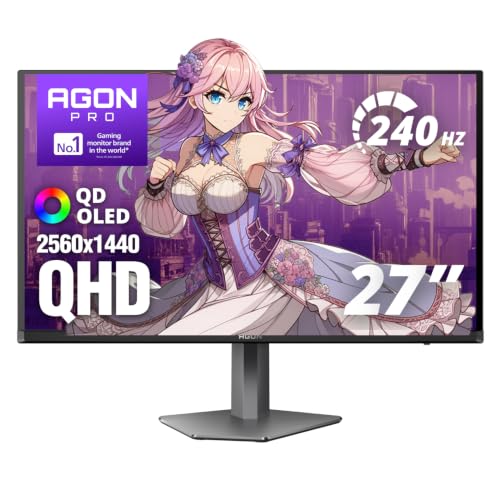
AOC Agon Pro 27 Inch Gaming Monitor QD OLED 240Hz, AG276QZD2

ASUS ROG Strix 26.5″ 1440P QD-OLED Gaming Monitor (XG27ACDNG)

LG 27GS93QE 27-inch Ultragear OLED Gaming Monitor QHD 1440p 240Hz
More Details On Our Top Picks
The 40-inch ultrawide format gives you more horizontal room than a standard 27-inch 1440p panel, so your timeline, side panels, and game HUD can live without feeling stacked on top of each other. On a busy desk, that extra width matters more than flashy extras, especially for sim racing, strategy games, and day-to-day work in split windows.
Its IPS panel brings wide viewing angles, while 500 nits of brightness and HDR400 support help the image hold up in brighter rooms. The trade-off is obvious, though, because a monitor this wide asks for a deep desk and enough distance to keep the edges from feeling too far out.
Strong Points
- 3440 x 1440 resolution spreads content out without dropping into a cramped view.
- 144Hz refresh rate suits fast desktop motion and smoother game response.
- USB-C, HDMI, and height adjustment make desk setup easier to adapt.
- 95% DCI-P3 coverage helps color-rich work and games hold more saturation.
- Mountable design gives you more placement options than a fixed-foot stand.
Things To Consider
- The 40-inch ultrawide shape needs real desk depth, not a shallow corner.
- IPS contrast will not match the deeper blacks of OLED models below.
- Large curved or wide panels can take a little extra cleaning and cable planning behind the desk.
Feature Snapshot
Who It Suits Best
Desk-heavy gamers, multitaskers, and sim fans who want one wide display instead of two smaller screens will get the most from it.
A Better Fit Elsewhere
ASUS ROG XG27AQDMG 27 Inch 1440p 240Hz Glossy OLED Gaming Monitor suits you better when you want deeper contrast and a smaller footprint for a tighter desk.
The glossy OLED finish gives this ASUS a more vivid look than the matte screens in the rest of the group, and that can be especially appealing in a darker room. The 27-inch size keeps it sane for most desks, while 240Hz and 0.03ms response time place it squarely in the fast-play camp.
Anti-flicker support, uniform brightness control, and the custom heatsink point to a monitor that is built around sustained gaming sessions rather than just spec-sheet swagger. The trade-off is the glossy surface, which can pull in reflections from lamps and windows, so placement matters more here than on the LG entries.
What We Like
- 240Hz refresh rate gives fast motion a very fluid feel.
- 0.03ms response time suits twitch-heavy play and quick camera movement.
- Uniform brightness helps the image stay more even across changing scenes.
- Glossy OLED finish adds pop in a controlled lighting setup.
- G-SYNC compatibility helps align the monitor with capable PC hardware.
Worth Noting
- The glossy screen can be distracting in bright, window-filled rooms.
- 27 inches feels focused, but it leaves less room for multitasking than the INNOCN ultrawide.
- A reflective panel needs more careful wipe-downs to keep fingerprints from showing.
Details At A Glance
Who Will Love This
Competitive PC gamers with controlled lighting and a 27-inch preference will get the most from its fast, vivid setup.
Where A Sibling Pick Shines
LG 27GS93QE 27-inch Ultragear OLED Gaming Monitor suits you better if you want a more conventional matte-style daily setup with strong all-round balance.
LG keeps this one tightly aimed at PC gaming, and the 240Hz panel paired with 0.03ms response time makes that clear from the start. Compared with the ASUS glossy model above, this LG leans more toward broad compatibility and a steadier daily feel than visual flair.
G-Sync compatibility, FreeSync Premium Pro, DisplayPort, and HDMI 2.1 give you a flexible connection set for modern hardware. The honest read is that the screen size stays conventional, so you gain speed and features rather than the extra room that comes with the INNOCN ultrawide.
Highlights
- 240Hz refresh rate helps fast titles feel smooth and responsive.
- Dual adaptive-sync support broadens fit across PC setups.
- DisplayPort and HDMI 2.1 keep it ready for newer graphics cards and consoles.
- 27-inch QHD sizing is easy to place on a normal desk.
Small Caveats
- The 27-inch format gives up the expansive workspace of a wide monitor.
- OLED care habits still matter, especially for static desktop layouts.
- The black finish is practical, though it can show dust under bright light.
Core Details
Built With In Mind
PC gamers who want speed, clean compatibility, and a straightforward 27-inch footprint are the best match for this LG.
Look Elsewhere When
ASUS ROG Strix 26.5″ 1440P QD-OLED Gaming Monitor (XG27ACDNG) suits you better if you want even higher refresh headroom for a more aggressive competitive setup.
This Samsung sits in a calmer spot than the higher-refresh ASUS models, which makes it a sensible match for mixed use rather than pure speed chasing. QD-OLED brings the color layer and OLED contrast together, and 180Hz still leaves plenty of room for smooth gaming without pushing your hardware as hard as 240Hz or 360Hz panels.
The dedicated support line, power-surge coverage, and use of Samsung parts and technicians point to a stronger service story than many plain-display options. One thing worth considering is that the wording leans heavily toward support coverage, so the actual monitor experience depends on the rest of your setup and stand ergonomics.
Bright Spots
- QD-OLED panel tech gives you rich color and deep contrast.
- 180Hz refresh rate still feels quick for general gaming.
- 0.03ms response time supports crisp motion handling.
- Service coverage details stand out for owners who value after-purchase support.
Areas To Watch
- 180Hz sits below the 240Hz and 360Hz options in this list.
- Support-focused extras do not change the core desk footprint.
- Bright-room placement may still need some care, as with most OLED-style screens.
Feature Rundown
The Right Fit
You fit this Samsung best when you want vivid image quality, solid gaming speed, and a service-first package for a 27-inch desk setup.
Skip It When
LG 27GX704A-B 27-inch Ultragear QHD OLED Gaming Monitor 240Hz suits you better if you want the more aggressive refresh rate and broader PC gaming focus.
AOC leans into desk convenience as much as image speed, and that gives this model a practical edge for mixed-use setups. Built-in speakers, height adjustment, VESA mounting, and HDR TrueBlack 400 make it feel less barebones than some display-first rivals.
It sits close to the LG 27GX704A-B on gaming pace, but the AOC adds speaker integration and a more adjustable physical setup. That makes it a smart fit for small rooms, though the built-in audio will still suit casual use more than a dedicated sound system.
Best Bits
- 240Hz refresh rate fits fast gaming and high-frame PC use.
- Height adjustment helps you line up the panel more comfortably.
- Built-in speakers reduce the need for extra desk gear.
- VESA support gives you wall or arm mounting flexibility.
- HDR TrueBlack 400 is a useful spec for dark-scene detail.
Softer Spots
- Built-in speakers are useful, but they rarely replace a dedicated audio setup.
- The 27-inch format does not deliver the wide workspace of the INNOCN.
- Height adjustment helps ergonomics, though cable routing still takes a little attention.
Spec Overview
Whose Shelf It Belongs On
Shoppers who want a 27-inch OLED monitor with practical stand flexibility and basic speaker support will find the AOC easy to live with.
Another Choice May Suit
ASUS ROG XG27AQDMG 27 Inch 1440p 240Hz Glossy OLED Gaming Monitor fits you better if image pop matters more than extra stand convenience.
This Strix model is the most aggressive speed play in the group, with 360Hz pushing well past the 240Hz class used by the LG, AOC, and ASUS XG27AQDMG. For serious competitive gaming, that extra headroom matters more than almost anything else here, though it also asks more from the PC feeding it.
Custom Heatsink, OLED Care+, DisplayWidget, and AI Gaming features point to a display built with long sessions and tuning flexibility in mind. The trade-off is simple: you are paying for a lot of ceiling, and the benefits show most clearly when your frame rates can actually keep up.
Reasons To Buy
- 360Hz refresh rate gives this model the most motion headroom in the lineup.
- 0.03ms response time suits fast-click competitive play.
- OLED Care+ and the custom heatsink add useful longevity-minded support features.
- DisplayWidget and AI Gaming tools make picture tuning easier.
- G-SYNC compatibility supports smooth gameplay with capable PC hardware.
Room For Improvement
- 360Hz makes sense only for systems that can produce high frame rates.
- 26.5 inches gives you less screen area than the 27-inch and 40-inch picks.
- The feature stack is deep, so setup can take a little more attention than a simpler display.
Technical Sheet
Best Suited To
Competitive PC gamers who already know they want a high-refresh OLED with tuning tools and compact dimensions fit this ASUS best.
Where Shoppers Go Wrong
LG 27GX704A-B 27-inch Ultragear QHD OLED Gaming Monitor 240Hz suits you better if 360Hz feels excessive for your current PC or play habits.
This LG looks like the most balanced all-rounder in the set, because it pairs 240Hz with a more traditional 27-inch footprint and a stand that tilts, raises, and pivots. That last point matters more than it sounds, since rotation and height control are what keep a gaming monitor usable through long work sessions and evening play.
DisplayHDR True Black 400, FreeSync Premium Pro, G-SYNC compatibility, HDMI 2.1, and DisplayPort cover the obvious performance bases. The honest read is that it does not chase the flash of the ASUS glossy model or the sheer scale of the INNOCN, but that restraint helps it fit into more rooms.
Positives
- 240Hz refresh rate keeps motion fast and smooth.
- Tilt, height, and pivot adjustment make placement easier to dial in.
- HDMI 2.1 and DisplayPort improve compatibility with current gear.
- DisplayHDR True Black 400 adds useful contrast support for dark scenes.
- FreeSync Premium Pro and G-SYNC compatibility widen the hardware match.
Points To Note
- The 27-inch format stays practical, but it does not give you the broad workspace of the ultrawide INNOCN.
- OLED care habits still matter for static desktop use.
- The stand is versatile, though it still takes some desk planning to get the viewing height right.
At A Glance
Perfect Match For
You fit this LG best when you want a dependable 27-inch OLED display that can handle games, desktop work, and a more conventional room layout.
Reach For A Different Pick When
AOC Agon Pro 27 Inch Gaming Monitor QD OLED 240Hz, AG276QZD2 suits you better if built-in speakers and VESA mounting matter more than this LG’s stand flexibility.
How To Choose The Right 1440p Oled Gaming Monitors
Panel Size And Desk Fit
Screen size changes the whole experience. A 27-inch panel keeps the image centered and easy to place, while a 40-inch ultrawide like the INNOCN opens up room for split windows, racing gauges, and wider game views.
Desk depth matters just as much as the diagonal. Wider panels feel great on a deep desk, but they can crowd a shallow setup fast.
Refresh Rate And Response Time
Refresh rate tells you how many frames the display can show each second, and higher numbers help motion look smoother in fast games. Response time, usually measured in milliseconds, describes how quickly the pixels change, so lower figures help reduce blur in rapid movement.
For most PC gaming, 240Hz already feels very quick, while 360Hz is for systems that can consistently push a lot of frames. The upgrade only pays off when the rest of your hardware can keep pace.
OLED Type, Color, And Lighting
OLED panels deliver deep contrast because each pixel lights itself, while QD-OLED adds a layer aimed at stronger color volume. That combination makes dark scenes look cleaner and bright accents stand out without a washed look.
Lighting still changes the equation. A glossy screen can look striking in a dim room, while a more restrained finish tends to fit better near windows and lamps.
Ports, Stand, And Daily Use
HDMI 2.1 and DisplayPort matter because they make the monitor easier to pair with current graphics cards and consoles. Height adjustment, tilt, and pivot also matter more than many shoppers expect, since comfort comes from the stand as much as from the panel itself.
Built-in speakers, VESA mounting, and USB-C can also shape the final choice. They do not change gaming performance, but they can make the monitor easier to live with every day.
Things Worth Knowing First
Hidden Buying Traps
Many shoppers focus on refresh rate and ignore room fit. A large ultrawide or a glossy panel can be the wrong match for a shallow desk or bright office.
Another common miss is skipping the stand details. Height, pivot, and mounting support can matter as much as pixel count once the monitor sits in place.
The Upgrade Payoff
Higher-tier models usually cost more because they pair faster refresh rates with OLED or QD-OLED panels, more careful thermal design, and extra convenience features. That often means better motion handling, richer contrast, and a more polished daily setup.
The extra spend makes sense for serious competitive play, shared setups, or rooms where stand flexibility and connection options matter. For casual gaming, the middle of the list already covers a lot of ground.
Frequently Asked Questions
What size suits a 1440p OLED gaming monitor best?
A 27-inch panel is the easiest fit for most desks. A wider screen works better for sim racing and multitasking.
Does 240Hz matter for console gaming?
It helps, but only when the console and game support it. Many console setups still benefit more from strong contrast and low response time than from the highest refresh number.
What does QD-OLED add over standard OLED?
QD-OLED mixes OLED contrast with a quantum-dot layer for richer color output. That often gives bright colors a little more presence without flattening dark scenes.
Do I need HDMI 2.1 for a 1440p OLED display?
HDMI 2.1 is useful for current consoles and newer graphics cards. It gives you a cleaner path for high refresh use and broader compatibility.
Which pick is easiest to live with every day?
The LG 27GS93QE 27-inch Ultragear OLED Gaming Monitor QHD 1440p 240Hz is the most balanced daily option here. Its stand adjustments and familiar 27-inch size make it easy to place and use.
Closing Thoughts
You have a clear spread here, from the INNOCN’s wide desk-friendly format to the ASUS Strix model’s extreme refresh headroom. For most setups, the sweet spot sits in the 27-inch LG and AOC models, while the Samsung offers a calmer service story and the ASUS glossy display leans hardest into visual punch. Match the panel size to your desk, then decide how much speed and stand flexibility you really need. That simple order keeps the choice sane.
