
You’re here because 240Hz and 1440p sit in a sweet spot: fast enough for competitive gaming, sharp enough for long sessions, and easier to drive than 4K. The monitor mix here includes OLED, QD-OLED, and Fast IPS options, so you can match motion clarity, contrast, and desk size to your setup. That matters whether you game after work, split time with console play, or want a screen that also handles everyday desktop use without feeling oversized. The trade-off is simple, better panels usually cost more, and some choices favor speed while others favor richer image depth.
Quick Look At The Shortlist

Acer Nitro XV272U W2bmiiprx 27in QHD 240Hz IPS Monitor

ASUS ROG XG27AQDMG 27 Inch 1440p 240Hz Glossy OLED Monitor

INNOCN 24.5-inch 1440P 240Hz Gaming Monitor 25G2S

KTC H27F7 27 Inch 240Hz 1080P Fast IPS Monitor

LG 27GX704A-B 27-inch Ultragear QHD OLED 240Hz Monitor
Samsung Odyssey OLED G5 G50SF 27-inch QHD QD-OLED Monitor
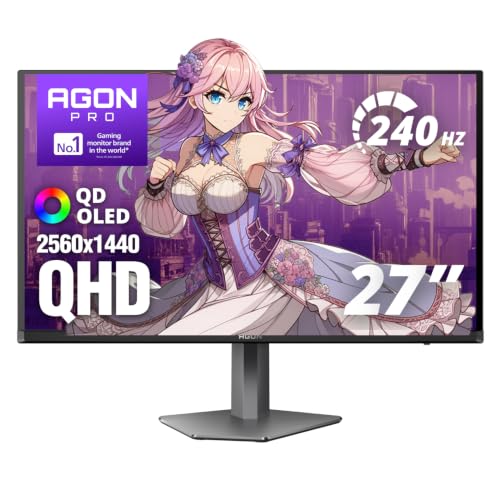
AOC Agon Pro AG276QZD2 27 Inch QD-OLED 240Hz Monitor
More Details On Our Top Picks
A 27-inch IPS panel like this suits you when you want fast motion without committing to OLED pricing. The 240Hz ceiling, 0.5ms response claim, and AMD FreeSync Premium make it a practical fit for competitive sessions, while the Ergo stand helps on a desk that gets shared between play and work.
The trade-off is familiar: IPS gives steadier everyday behavior and broad compatibility, but it won’t match OLED for black depth or contrast drama. You also get two HDMI ports, DisplayPort, VESA HDR400, built-in speakers, and VESA mounting, which makes this the most conventional pick in the group.
Strong Points
- 240Hz refresh support keeps fast titles feeling responsive.
- FreeSync Premium helps smooth out variable frame pacing.
- Ergo stand adds useful desk flexibility for long sessions.
- HDMI, DisplayPort, and VESA mount support broaden placement options.
- Built-in speakers help when you want a simpler setup.
Things To Consider
- IPS contrast stays behind the OLED models in this roundup.
- HDR400 is modest, so high-impact HDR expectations should stay grounded.
- Built-in speakers usually cover basics, not room-filling sound.
Feature Snapshot
Who It Suits Best
You’re the right fit for this monitor if you want a straightforward 27-inch gaming screen with strong speed and no OLED maintenance concerns.
Where A Sibling Pick Shines
ASUS ROG XG27AQDMG suits you better when OLED contrast and glossy image depth matter more than panel practicality.
Glossy OLED changes the feel of a monitor fast, especially in dim rooms where contrast carries most of the image. This ASUS model pairs that look with a custom heatsink, anti-flicker support, and uniform brightness, so it reads like a premium desk centerpiece rather than a plain utility screen.
You also get 240Hz, 0.03ms response, G-SYNC compatibility, and 99% DCI-P3 coverage, which suits players who notice color volume and clean motion side by side. The catch is that glossy finishes can reflect more ambient light, so bright offices are a tougher match than controlled lighting.
What We Like
- OLED contrast gives dark scenes a richer, more layered look.
- 0.03ms response suits twitch-heavy play and quick camera pans.
- Uniform brightness helps the image feel more even across content.
- Custom heatsink support points to thoughtful thermal design.
- G-SYNC compatibility widens fit for NVIDIA-based systems.
Room For Improvement
- Glossy finish can pick up room reflections.
- OLED care matters more than on the IPS choices here.
- Best results usually come from controlled lighting around the desk.
Core Details
Made For
You should look here if you game in a darker room and want OLED contrast with a polished, high-end feel.
Swap It Out When
Acer Nitro XV272U W2bmiiprx makes more sense for bright offices or for desks where you want a simpler IPS panel.
Smaller 24.5-inch screens make sense for esports-style play because your eyes travel less distance across the panel. That’s where this INNOCN lands well, with Fast IPS, HDMI 2.1, DP, up to 0.5ms response, and FreeSync plus G-SYNC compatibility for flexible PC or console setups.
The size is the main story, and it’s a good one for tight desks or players who like a centered, no-frills layout. The built-in speaker is handy for simple setups, though the smaller panel gives up some immersion compared with the 27-inch OLED models above.
Highlights
- 24.5-inch sizing stays easy to place on small desks.
- HDMI 2.1 support broadens console and PC compatibility.
- Fast IPS keeps the image practical for long sessions.
- FreeSync and G-SYNC compatibility improve system flexibility.
- Built-in speaker adds a simple audio fallback.
Softer Spots
- Smaller screen size feels less cinematic than the 27-inch class.
- Fast IPS won’t deliver OLED-style black depth.
- Built-in audio usually suits casual use more than serious sound.
Details At A Glance
Right Fit For
You’re a strong match here if desk space is tight and you want 240Hz in a smaller footprint.
Another Choice May Suit
LG 27GX704A-B suits you better if you want a larger 27-inch OLED canvas for more immersive play.
This KTC takes a different path from the 1440p models, because it focuses on 1080p speed at 240Hz instead of higher pixel density. For esports-heavy play, that can be a smart trade, since a lower resolution is easier for midrange GPUs to drive at high frame rates.
The stand is more flexible than many budget screens, with tilt, pivot, and height adjustment, plus vertical orientation support and VESA mounting. The honest read is that image sharpness trails the QHD choices above, so this one suits performance-first setups more than detail-focused desktop use.
Upsides
- 240Hz and 1ms MPRT suit quick competitive sessions.
- 1080p eases the load on many gaming systems.
- Tilt, pivot, and height adjustment improve desk ergonomics.
- Vertical orientation support adds flexibility for work or chat panes.
Minor Gripes
- 1080p lacks the extra detail of the 1440p monitors here.
- Fast IPS keeps the panel practical, not premium-looking.
- Gamers chasing rich image depth may prefer an OLED model.
Quick Facts
Whose Shelf It Belongs On
You should choose this monitor if you want a 240Hz screen for esports and care more about frame rate than pixel density.
Where Shoppers Go Better
INNOCN 25G2S makes more sense if you still want 240Hz but prefer a sharper 1440p panel.
LG’s 27GX704A-B sits in the part of the lineup where gaming speed and image depth meet cleanly. You get QHD, OLED, 240Hz, 0.03ms response, HDMI 2.1, DisplayPort, and both NVIDIA G-SYNC compatibility and AMD FreeSync Premium Pro, which makes it feel especially adaptable for mixed PC and console use.
The DisplayHDR TrueBlack 400 label tells you this model leans into richer dark-scene presentation than the IPS options. That said, OLED owners usually keep an eye on varied content and static desktop habits, so it fits best when gaming is the main job and the desk stays active.
Reasons To Buy
- OLED panel gives strong contrast and deep shadow detail.
- 240Hz and 0.03ms support fast, fluid movement.
- HDMI 2.1 helps it pair well with newer consoles.
- FreeSync Premium Pro and G-SYNC compatibility broaden system fit.
- DisplayHDR TrueBlack 400 signals a darker-scene emphasis.
Points To Note
- OLED care habits matter more than with IPS monitors.
- Its strengths show most clearly in games and films, not plain office work.
- The premium feature set usually makes it a step up from basic 240Hz screens.
Feature Rundown
The Right Fit
You’ll appreciate this model most if you want a 27-inch OLED screen that handles both high-speed games and a broader media mix.
A Better Fit Elsewhere
Acer Nitro XV272U W2bmiiprx makes more sense if you want a lower-maintenance IPS panel for work-heavy days.
This Samsung takes a slightly different route from the 240Hz models above, because its 180Hz refresh rate sits lower while still keeping the QD-OLED image character. QD-OLED combines quantum dots with OLED tech, which is mainly about strong color and contrast together, and that helps this monitor feel lively in games and media.
The included support plan details are unusually specific, with onboarding help, surge coverage from day one, and service handled through genuine Samsung parts and certified technicians. The honest read is that the monitor itself looks like a polished daily driver, while the support language adds confidence for people who want a more structured ownership path.
Best Bits
- QD-OLED should bring vivid color and deep blacks together.
- 0.03ms response suits rapid motion and fast aim tracking.
- G-SYNC compatibility and FreeSync support widen setup compatibility.
- Support coverage details are unusually thorough for ownership peace of mind.
Areas To Watch
- 180Hz is lower than the 240Hz leaders in this roundup.
- OLED care and static-content habits still deserve attention.
- The support plan detail is strong, but the monitor itself remains a premium purchase.
Feature Card
Built With In Mind
You should look here if you want a polished OLED screen for mixed gaming and daily desktop use, not just the highest refresh spec.
Look Elsewhere When
ASUS ROG XG27AQDMG suits you better if a full 240Hz target matters more than Samsung’s support package.
AOC rounds out the list with another QD-OLED option, but this one pushes back toward the full 240Hz target and adds a height-adjustable stand. The built-in speakers and VESA mount support make it friendlier for a tidy desk than some flashy gaming screens, though the core appeal still sits in the panel itself.
Compared with Samsung’s 180Hz model, this one makes a more direct case for fast competitive play without stepping away from OLED contrast. That balance is useful for you if the monitor has to feel premium in games and still stay practical for daily desk life.
Bright Spots
- QD-OLED brings strong contrast and vivid color together.
- 240Hz keeps it aligned with the fastest monitors in this group.
- Height adjustment helps with posture and viewing comfort.
- Built-in speakers and VESA support improve setup flexibility.
Small Caveats
- OLED care habits still matter for long-term desktop use.
- Built-in speakers are usually a backup, not a main sound plan.
- The premium feature set makes it a more serious investment than the KTC or Acer options.
Technical Sheet
Who Should Grab It
This fits you best if you want a 27-inch QD-OLED monitor with full-speed gaming focus and practical desk features.
Reach For A Different Pick When
LG 27GX704A-B is the better match if you want a wider set of gaming features and HDMI 2.1 in the same class.
How To Choose The Right 240hz 1440p Oled Monitors
Panel Type Comes First
OLED and QD-OLED give you deeper blacks and faster pixel response than IPS, which matters most in dark scenes, fast camera pans, and saturated game worlds. IPS still has a place when you want steadier everyday use, lower maintenance, and less concern about static desktop habits.
The right call depends on how your desk works day to day. A gaming-first setup leans OLED, while a mixed work and play station often feels easier with IPS.
Refresh Rate Is Only Part Of Motion
240Hz matters because it lowers the gap between frames, but response time shapes how clean those frames look in motion. Numbers like 0.03ms, 0.5ms, and 1ms point to different classes of speed, yet the broader picture still depends on your GPU and the games you play.
Competitive players notice this most in shooters and racing titles. Casual use can still benefit, but the payoff is smaller than the spec sheet suggests.
Size And Resolution Need To Match Your Desk
At 27 inches, 1440p hits a practical balance between sharpness and performance. Drop to 24.5 inches and the image can feel tighter for esports focus; move to 1080p and frame rates get easier to hold, though detail drops.
That balance matters more than marketing language. A sharper panel means less compromise in desktop work, but it also asks more from your system.
Ports, Stands, And Everyday Use Matter Too
HDMI 2.1, DisplayPort, height adjustment, pivot, and VESA mounting all affect how the monitor fits your room, not just how it performs in a game. Console users need the right inputs, while desk setup matters for posture and cable control.
Small touches can carry real weight over time. A well-designed stand often saves you from extra arms or awkward stacking, which is worth more than it sounds on paper.
Things Worth Knowing Before You Choose
Mistakes Worth Dodging
Many shoppers fixate on 240Hz and ignore lighting, stand adjustability, and panel type. That leaves you with a screen that looks great in a spec line but awkward in a bright room or cramped desk space.
Another common miss is buying OLED for a work-heavy setup without considering static UI habits. A more practical panel can be the calmer choice for long office sessions.
When Paying More Pays Off
Higher-tier models tend to spend the extra money on OLED or QD-OLED panels, stronger HDR handling, richer color coverage, and more refined stands. You also see better input flexibility, like HDMI 2.1, plus added extras such as built-in speakers or broader sync support.
That upgrade makes sense when gaming is the main event and image quality matters every night. It matters less when your needs are mostly desktop text, office apps, and occasional play.
Frequently Asked Questions
Do You Need OLED For 240Hz Gaming?
No, you don’t need OLED to enjoy 240Hz. IPS can still deliver fast motion and a more forgiving setup.
Is 1440p Better Than 1080p At 240Hz?
1440p looks sharper and usually feels more balanced on a 27-inch screen. 1080p is easier on the GPU and can suit esports-first setups.
What Size Works Best For This Category?
27 inches is the most versatile size in this group. 24.5 inches suits tighter desks and focused competitive play.
Do Console Players Need HDMI 2.1?
HDMI 2.1 helps newer consoles connect with fewer limitations. It also gives you more flexibility for mixed-device setups.
Should You Worry About OLED For Daily Desktop Use?
OLED is a strong fit for gaming and media, but static desktop habits deserve attention. IPS stays simpler when your monitor spends more time on office work than games.
Final Thoughts
Your best match depends less on the headline refresh number and more on how the screen fits your room, your games, and the hours you spend at the desk. Acer and INNOCN make sense when you want fast motion without diving into OLED habits, while ASUS, LG, Samsung, and AOC bring more contrast and color depth to the table. KTC is the practical speed-first detour for 1080p play. Choose the panel that matches your daily routine, and the screen will feel right long after the novelty fades.
