
You’re here for smoother motion without drifting into oversized, overpriced territory. These seven monitors focus on fast refresh rates, sensible sizes, and features that matter for daily gaming, school work, or a shared desk. The trade-off shows up in panel type, resolution, and extras like speakers or stand adjustment. That’s where the right fit depends on how you use your desk, not just the number on the box.
The Shortlist At A Glance

KTC 24 Inch 240Hz Curved Gaming Monitor H24S17P

INNOCN 24.5 1440P 240Hz Gaming Monitor 25G2S

Dell 27 240Hz Gaming Monitor SE2726HG

Sceptre 24.5-inch Gaming Monitor E255B-FWD240 Series
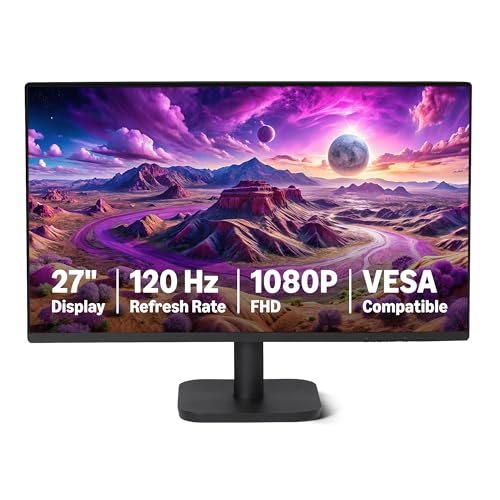
Amazon Basics 27-inch Computer Monitor

MSI PRO MP243L E14 24-Inch IPS Monitor

Dell 24 240Hz Gaming Monitor SE2426HG
More Details On Our Top Picks
The KTC leans into immersion first, with a 1500R curve that wraps the panel a bit around your field of view. That shape feels especially natural for late-night gaming sessions or a small desk where you sit close to the screen.
Its 240Hz refresh rate and 1ms response time make it a strong fit for fast shooters, while the 23.6-inch FHD panel keeps the GPU load lighter than a 1440p screen. The honest trade-off is that the curved design and 1080p resolution will not suit everyone, especially if you want sharper text or a flatter work display.
Strong Points
- The 240Hz panel helps motion feel clean during fast camera turns, which matters in competitive matches.
- FHD resolution is easier to drive than 1440p, so midrange systems get a friendlier workload.
- 3000:1 contrast should give dark scenes more depth than many basic IPS-style alternatives.
- Low blue light support and tilt adjustment make long evening sessions a little easier to live with.
- VESA mounting opens up cleaner desk setups for small rooms or shared spaces.
Things To Consider
- 24-inch 1080p is fine for gaming, though text detail is not as crisp as 1440p.
- The curve helps immersion, but flat-panel fans may prefer a more neutral desk view.
- Owners who swap between work and play may want a wider, less game-focused shape.
Feature Snapshot
Who It Suits Best
You’ll get the most from this one as a competitive gamer with a modest desk and a system aimed at high frame rates.
A Better Fit Elsewhere
INNOCN 24.5 1440P 240Hz Gaming Monitor 25G2S makes more sense for you if you want sharper QHD detail and still want speed.
INNOCN takes a more premium route than the KTC by pairing 240Hz with 1440p resolution, so you get more desktop room and finer detail at the same time. That combination tends to suit fast-paced PC games as well as general use, especially on a 24.5-inch panel where the sharper image is easy to notice.
Fast IPS, meaning an IPS panel tuned for quicker pixel transitions, adds to the appeal for shooters and RTS titles. The catch is simple, your system has more work to do at 1440p, so this pick makes the most sense when you want better clarity and your graphics card can keep up.
What We Like
- 1440p resolution gives you cleaner text and more room for side-by-side work.
- 240Hz over DisplayPort 1.4 suits PC gaming with a very smooth feel.
- FreeSync and G-SYNC compatibility help reduce tearing across a wider range of systems.
- Fast IPS is a smart middle ground for color, viewing angles, and motion.
- HDMI 2.1 support broadens its usefulness for newer consoles and gaming laptops.
Room For Improvement
- 1440p at 240Hz asks more from your hardware than the 1080p picks here.
- The feature set makes more sense for gaming first, not a plain office setup.
- The added clarity is nice, though it can raise system demands in heavier games.
Details At A Glance
Built With In Mind
You’ll appreciate this most if you game on PC and want sharper 1440p detail without giving up high refresh performance.
Swap It Out When
Amazon Basics 27-inch Computer Monitor is the calmer choice for general office work and lighter use at a larger size.
This Dell is the roomier 1080p option in the group, and that matters if you sit a little farther back or want menus and timelines spread across a larger panel. Unlike the curved KTC, it keeps a flat IPS layout, which feels more natural for mixed gaming and everyday desktop work.
Its 240Hz refresh rate and 0.5ms response time are aimed squarely at fast motion, while FreeSync Premium and HDMI VRR help keep gameplay smooth on both PC and console. The honest read is that the 27-inch FHD combination gives you size over density, so it fits gamers who value presence more than ultra-sharp text.
Highlights
- The 27-inch screen gives games and streaming video more visual presence.
- 240Hz refresh with a fast 0.5ms response suits quick reaction play.
- FreeSync Premium and HDMI VRR are handy for mixed PC and console setups.
- The IPS panel helps keep colors steady across wider seating positions.
- Two HDMI ports and DisplayPort 1.4 make cable swapping less annoying.
Small Caveats
- 27 inches at 1080p can look less crisp than the 24.5-inch 1440p INNOCN.
- The larger panel takes more desk width than the smaller 24-inch class options.
- Tilt-only adjustment keeps setup simple, though not especially flexible.
Core Details
Who Will Love This
You’re the right match for this one if you want a bigger screen for gaming, streaming, and general desktop use without moving to 1440p.
Where A Sibling Pick Shines
INNOCN 24.5 1440P 240Hz Gaming Monitor 25G2S is the sharper choice for you if text clarity matters as much as speed.
Sceptre goes after the practical side of a gaming desk, starting with a 24.5-inch 240Hz panel and a port layout that gives you two HDMI inputs plus two DisplayPorts. That makes it easier to juggle a console, a PC, and a backup device without swapping cables every night.
It also brings built-in speakers and 100% sRGB coverage, so the monitor feels more rounded than the bare-bones speed-first picks above. The trade-off is familiar: speakers inside monitors tend to be serviceable rather than rich, so you’re still likely to prefer headphones or separate audio for serious play.
Bright Spots
- Two HDMI ports and two DisplayPorts give you lots of connection flexibility.
- 100% sRGB coverage is useful for color-sensitive general work and gaming visuals.
- The 24.5-inch size keeps it practical for desks that cannot spare 27-inch width.
- Built-in speakers help in setups where you want fewer extra devices.
- AMD FreeSync Premium helps steady motion when frame rates wobble.
Points To Note
- Monitor speakers usually handle basic sound, not room-filling audio.
- The feature list is broad, though it does not promise the sharper 1440p detail of INNOCN.
- “Build-in” aside, the focus stays on convenience more than premium ergonomics.
Feature Rundown
Best Suited To
You’ll like this most if you want a flexible desk monitor for gaming and a few connected devices.
Another Choice May Suit
MSI PRO MP243L E14 24-Inch IPS Monitor is the calmer fit for office-heavy setups with some gaming on the side.
This Amazon Basics monitor steps back from the 240Hz race and goes for a calmer 120Hz pace, which still feels more fluid than a standard office panel. That makes it a sensible middle ground for work, streaming, and casual gaming on a home desk.
The 27-inch IPS screen with HDMI, DisplayPort, and VESA compatibility is easy to slot into a straightforward setup. The trade-off is exactly what you’d expect, it gives you less motion speed than the dedicated gaming models here, so competitive play is not its main job.
Upsides
- 120Hz offers a smoother feel than a typical 60Hz office monitor.
- 27 inches gives you comfortable space for spreadsheets, browsing, and video.
- IPS panel behavior suits mixed use because viewing angles stay steady.
- HDMI, DisplayPort, and VESA support make setup and mounting easier.
- The simpler feature set often appeals to desks that need a tidy baseline display.
Worth Noting
- It trails the 240Hz models here for fast-paced gaming.
- 1080p on 27 inches can look less dense than smaller screens at the same resolution.
- You do not get the gaming-focused extras some other picks include.
Feature Card
Made For
You’re the right fit for this monitor if your desk handles work first and gaming second.
Look Elsewhere When
Dell 24 240Hz Gaming Monitor SE2426HG suits you better if fast motion matters more than office comfort.
The MSI PRO MP243L E14 is the most desk-friendly compromise in the lineup, because it balances 144Hz gaming with office-minded details like a slim four-sided bezel and VGA input. That older VGA port still matters in some mixed hardware setups, especially in classrooms, small offices, or homes with an older device tucked away.
Its 24-inch FHD IPS panel, tilt stand, and VESA support make it easy to place almost anywhere. You give up the faster 240Hz pace found on the Dell and KTC models, but you also get a monitor that feels easier to live with for work calls, spreadsheets, and lighter gaming.
Reasons To Buy
- 144Hz is a nice middle ground for smoother play without chasing the highest tier.
- IPS panel behavior suits mixed work and gaming use around a desk.
- The slim bezel helps multi-monitor arrangements look cleaner.
- HDMI plus VGA cover both newer and older equipment more easily.
- Tilt and VESA support give you practical placement options.
Minor Gripes
- 144Hz is good, though not as quick as the 240Hz models above.
- 1080p is sensible at 24 inches, but it still trails the sharper 1440p INNOCN.
- VGA is handy for legacy gear, although many desks will never use it.
Technical Sheet
Right Fit For
You’ll like this best if you want one monitor for office work, everyday use, and occasional gaming.
Another Choice May Suit
Amazon Basics 27-inch Computer Monitor is the easier pick for a simpler work-first setup with less gaming emphasis.
This Dell is the smaller 240Hz option, and that makes it easier to place on a narrow desk without giving up speed. The 23.8-inch frame also makes it a straightforward fit for users who want a fast gaming panel but don’t want the wider footprint of the 27-inch model above.
Fast IPS, FreeSync Premium, HDMI VRR, and the 0.5ms response time point to a very gaming-focused design. The honest trade-off is clear: it stays in 1080p, so it wins on speed and footprint, not on the finer detail you get from INNOCN’s 1440p panel.
Best Bits
- 23.8-inch size works well on tighter desks.
- 240Hz refresh rate keeps fast motion smooth for high-frame-rate gaming.
- 0.5ms response and Fast IPS support quick, crisp-looking movement.
- FreeSync Premium and HDMI VRR help steady the image across devices.
- Two HDMI ports and DisplayPort 1.4 keep hookups flexible.
Areas To Watch
- 1080p at this size is solid, though not as detailed as 1440p.
- The panel is built for speed, so it is less interesting for office-first use.
- Tilt-only adjustment keeps things simple, but flexibility stays limited.
Quick Facts
Whose Shelf It Belongs On
You’re the right fit for this monitor if you want a compact 240Hz screen for gaming at a smaller desk.
Reach For A Different Pick When
Dell 27 240Hz Gaming Monitor SE2726HG suits you better if you want more screen space than speed-first compact sizing.
How To Choose The Right Budget 240hz Monitors
Start With Resolution And Screen Size
Refresh rate gets the attention, but screen size and resolution shape daily comfort. A 24-inch 1080p panel like the KTC or Dell SE2426HG is easy to drive and keeps text readable, while the INNOCN’s 1440p panel gives you finer detail at the cost of more GPU work.
That trade matters most on a mixed-use desk. Competitive gamers usually prefer a simpler load path, while people who also edit documents, browse for long stretches, or keep side panels open often appreciate the extra room of 1440p.
Match The Panel To Your Room And Seat
Curved panels can feel more enveloping, especially at 24 inches and close range, but they are not everyone’s favorite for spreadsheets or design work. Flat IPS screens, like the Dell and MSI picks, stay more neutral for all-day use and are easier to pair in dual-monitor setups.
Think about desk depth too. A 27-inch monitor looks great on a wide desk, yet the same size can feel bulky in a dorm, apartment corner, or shared work area.
Check Ports, Sync Support, And Stand Movement
HDMI and DisplayPort are the basics, but the versions matter. DisplayPort is the usual route for reaching 240Hz on PC, while HDMI support becomes useful for consoles and simpler hookup changes.
Adaptive sync names vary, but they all point toward steadier motion when frame rates shift. Tilt is the minimum stand feature worth expecting, while VESA support helps you move a monitor arm into the setup without much fuss.
Decide How Much Extra Comfort You Want
Built-in speakers, low blue light modes, and slimmer bezels can sound like small details, yet they shape how pleasant a monitor feels after a long day. They do not replace strong image quality, but they make a desk easier to live with.
That’s the balance behind budget 240Hz monitors in 2026. You are usually choosing between speed, clarity, desk space, and small convenience features, so the best value comes from the combination that fits your room rather than the longest spec list.
Things Worth Knowing First
Mistakes Worth Dodging
A common slip is chasing 240Hz without checking whether your PC can actually push enough frames. Another is buying a 27-inch 1080p screen for text-heavy work and then wondering why it feels less sharp than expected.
Port planning matters too. A monitor with the right panel can still become awkward if your console, laptop, or desktop needs a connector you forgot to account for.
The Upgrade Payoff
Higher-tier models usually cost more because they combine sharper panels, faster response behavior, better sync support, and sturdier stands or broader input options. Those extras matter most when you split time between gaming and work, or you care about image sharpness as much as motion.
The upgrade makes sense when your desk is the center of your day. For casual play and simple tasks, a leaner 1080p monitor can be the more sensible move.
Frequently Asked Questions
Is 240Hz worth it on a budget monitor?
Yes, especially for fast games where smoother motion helps your aim and tracking feel cleaner. You notice it most when your system can drive high frame rates consistently.
Is 1440p better than 1080p for this category?
1440p gives you sharper detail, which helps with text and desktop work. 1080p is easier on your graphics card and often keeps the price more manageable.
Do curved monitors work well for everyday use?
They can, especially on smaller desks where the curve feels natural at close range. Flat panels stay easier for spreadsheets, creative work, and multi-monitor layouts.
What port matters most for a 240Hz monitor?
DisplayPort is usually the safest path for full-speed PC gaming. HDMI still matters for consoles, laptops, and simpler device swaps.
Should you choose a 24-inch or 27-inch screen?
24-inch models fit tighter desks and keep motion-focused gaming front and center. 27-inch models give you more screen presence, but they take more space and can look softer at 1080p.
