
7 Best Cheap Computer Monitors for 2026: Smart Picks for Desk Space
Cheap Computer Monitors have to do a lot of quiet work. You want a screen that fits your desk, connects without drama, and feels comfortable during a full workday or a long evening session. This roundup focuses on practical sizes, useful ports, and refresh rates that make everyday scrolling and streaming feel smoother.
For a cramped apartment desk, a home office, or a shared study corner, the right monitor can make your setup feel calmer right away. You’ll see compact 21.5-inch options, roomier 23.8-inch panels, and a few models with extra motion smoothness for lighter gaming too.
The Shortlist At A Glance

YOTETION 19-inch Full HD 75Hz Small Thin Monitor
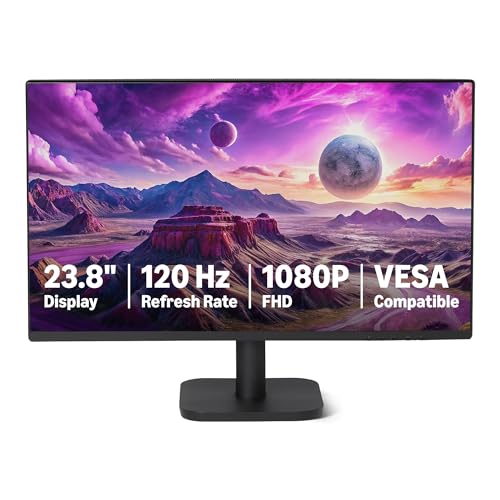
Amazon Basics 23.8-inch 1080P Computer Monitor

Acer 21.5in FHD 1920×1080 100Hz Office Monitor KB220Q H2bi

Dell 24 Monitor SE2426H 23.8-inch FHD 144Hz

AOPEN by Acer 21.5in FHD 1920×1080 100Hz Office Monitor 22SA2Q Hbi

Westinghouse 22 Inch Computer Monitor 1080P FHD IPS Frameless Gaming Monitor

msi PRO MP225 E12VL 22-inch 1920 x 1080 Computer Monitor
More Details On Our Top Picks
Desk space is the whole story here. A 19-inch frame, 75Hz refresh rate, and VGA plus HDMI inputs make this a sensible fit for a laptop dock, a second screen, or a basic desktop that just needs to get work done.
The 1440 x 900 HD+ resolution sits below full 1080p, so text and windows won’t feel as roomy as they do on the larger picks below. Still, the thin profile, anti-glare finish, and low blue light support should suit long office stretches better than a glossy bargain panel.
Strong Points
- Small footprint keeps clutter down on tight desks.
- HDMI and VGA support gives you older and newer connection options.
- Anti-glare and flicker control help cut down visual strain during long shifts.
- 75Hz motion feels a little smoother than standard 60Hz for routine scrolling.
Points To Note
- The 1440 x 900 layout gives you less workspace than the 1080p models in this roundup.
- A 19-inch screen can feel cramped for split-screen work or large spreadsheets.
- The slim build is practical, but you’ll want to keep the stand placement steady on a narrow desk.
Feature Snapshot
Who It Suits Best
Students, light office users, and anyone building a very small desk setup will get the most from it.
A Better Fit Elsewhere
Amazon Basics 23.8-inch 1080P Computer Monitor suits you better when you want more room for side-by-side windows and a larger work area.
A 23.8-inch IPS panel gives this pick more breathing room than the smaller YOTETION above, and that matters in a home office where spreadsheets, mail, and video calls all fight for space. The 120Hz refresh rate also makes cursor movement and casual media feel noticeably smoother.
HDMI, DisplayPort, and VGA cover most common setups, so you don’t have to fuss much over compatibility. The trade-off is plain branding and a fairly standard design, which is fine for a desk-first monitor but not the one you choose for flashy styling.
What We Like
- 23.8-inch size gives you a comfortable daily work surface.
- 120Hz refresh rate helps motion feel cleaner during scrolling and light entertainment.
- HDMI, DisplayPort, and VGA make desktop and laptop hookup easier.
- VESA support helps you reclaim desk space with an arm or wall mount.
- IPS panel keeps colors and viewing angles more consistent than basic office panels.
Softer Spots
- The design is plain, so it’s more practical than stylish.
- To reach 120Hz, you need the right cable and compatible graphics output.
- The larger footprint asks for a little more desk depth than the 19-inch model.
Core Details
Made For
Office workers, home users, and casual multitaskers who want one screen that does most things well will feel at home here.
Another Choice May Suit
Dell 24 Monitor SE2426H 23.8-inch FHD 144Hz fits you better when smoother motion matters more than a plain all-purpose layout.
Compared with the Amazon Basics model, this Acer leans a little more toward visual polish. Full HD resolution, 99% sRGB coverage, and 100Hz refresh rate make it a tidy fit for a desk where you switch between documents, browser tabs, and the occasional streaming break.
The 21.5-inch size keeps it easy to place, while HDMI, VGA, and VESA mounting leave room for a simple or more built-out setup. The honest read is that the smaller panel won’t feel expansive, but it should feel clean and comfortable for everyday use.
Upsides
- 1080p resolution gives you sharper text than the 1440 x 900 model.
- 99% sRGB coverage supports more accurate-looking color for creative-leaning office work.
- 100Hz refresh rate makes the desktop feel smoother than a standard 60Hz screen.
- VESA support makes it easier to mount and free up desk space.
Room For Improvement
- 21.5 inches can still feel compact for heavy multitasking.
- The VGA port is useful for older gear, but HDMI is the cleaner path for modern setups.
- At this size, the panel suits one main task better than wide side-by-side layouts.
Feature Rundown
The Right Fit
Remote workers and home office users who want a neat 1080p screen with solid color coverage should feel comfortable here.
Swap It Out When
Westinghouse 22 Inch Computer Monitor 1080P FHD IPS Frameless Gaming Monitor suits you better when built-in speakers and HDR matter more than a simpler office-first layout.
This Dell leans into speed in a way the earlier office picks don’t. The 144Hz refresh rate and 1ms MPRT, which means moving-picture response time, should appeal to anyone who wants faster-feeling motion for work, games, or video.
IPS technology, AMD FreeSync, and a tilt stand make it a practical desk monitor rather than a flashy one. You may find the lack of extra port variety a little limiting if your setup still depends on older connections, but the overall package feels focused and tidy.
Highlights
- 144Hz refresh rate supports smoother scrolling and quicker on-screen motion.
- 1ms MPRT helps reduce blur in fast-moving scenes.
- IPS panel keeps color and viewing angles more consistent for desk sharing.
- AMD FreeSync can help the picture feel steadier with compatible graphics output.
- Tilt adjustment helps you set a more comfortable viewing angle.
Areas To Watch
- It’s more motion-focused than the basic office models, so you’re paying for speed you may not use every day.
- The feature set is streamlined, which leaves less room for older connection needs.
- The stand only advertises tilt, so height flexibility depends on your desk arrangement.
Details At A Glance
Best Suited To
Desk-based users who want a monitor that can handle work during the day and quicker-paced entertainment after hours will get the most from it.
Where A Sibling Pick Shines
Amazon Basics 23.8-inch 1080P Computer Monitor is the easier fit for you if simple office use matters more than higher refresh speed.
The AOPEN keeps things straightforward, which is useful for a work desk that doesn’t need a lot of extras. A 21.5-inch Full HD VA panel, 100Hz refresh rate over HDMI, and 1ms response time give you the basics in a compact package.
The included HDMI cable is a small but welcome touch, especially for first-time setups. The trade-off is that this is still a modest-size monitor, so multi-window work feels better in a tidy single-window flow than in sprawling side-by-side layouts.
Best Bits
- Full HD resolution keeps text clearer than lower-resolution small screens.
- 100Hz over HDMI gives you smoother everyday motion.
- 1ms response time suits quick cursor movement and basic gaming sessions.
- VESA support helps with mounting on an arm or bracket.
- HDMI cable included makes setup a little easier out of the box.
Small Caveats
- The VGA path drops to 75Hz, so the smoother rate depends on HDMI use.
- 21.5 inches keeps it compact, but not especially expansive for heavy multitasking.
- The design is utilitarian, so it blends in rather than standing out.
At A Glance
Who Will Love This
Students, home office users, and anyone who wants a clean, no-fuss monitor for everyday work will find it easy to live with.
Look Elsewhere When
Acer 21.5in FHD 1920×1080 100Hz Office Monitor KB220Q H2bi suits you better if you want a touch more color-focused polish.
This Westinghouse packs in more extras than the simpler office models around it. IPS, 300 nits brightness, 100Hz refresh, built-in speakers, HDR support, and a frameless look make it feel closer to a budget all-rounder than a plain monitor.
The wide 178-degree viewing angles should help when you share the screen with someone beside you, and the gaming mode gives the desktop a slightly more tuned-in feel. The catch is that a long feature list can matter less than the basics for pure office work, so this one makes the most sense when you’ll actually use those extras.
Reasons To Buy
- IPS panel keeps colors and viewing angles stable for shared use.
- Built-in speakers reduce the need for separate desktop audio gear.
- HDR support and 300 nits brightness help the image hold up in brighter rooms.
- 100Hz refresh and 1ms response keep motion feeling snappy.
- Frameless styling works well in a dual-monitor layout.
Honest Caveats
- So many extras make sense only when you plan to use them regularly.
- Built-in speakers are handy, but most desks still benefit from separate audio.
- The gaming angle is useful, yet the monitor still has to serve everyday tasks first.
Feature Card
Perfect Match For
Small gaming setups and home desks that need built-in audio plus a brighter panel will get the most out of it.
Reach For A Different Pick When
Dell 24 Monitor SE2426H 23.8-inch FHD 144Hz suits you better if motion smoothness matters more than extra features.
This MSI sits in a comfortable middle ground. A 22-inch Full HD panel, 120Hz refresh rate, and Adaptive-Sync give it enough speed for daily use without pushing the setup into gamer-first territory.
The tilt stand, VESA mount option, and HDMI plus video port support make it easy to fit into a home office or student desk. One thing worth considering is that the port mix is functional rather than generous, so it works best when your setup is already fairly simple.
What We Like
- 120Hz refresh rate helps the desktop feel smoother than standard office screens.
- Adaptive-Sync can keep motion steadier with compatible graphics output.
- 22-inch size fits nicely between compact and roomy.
- Tilt and VESA support make placement easier in different desk layouts.
- HDMI plus video port gives you a simple connection range.
Trade Offs
- The connection set is practical, not expansive.
- Its strength is balance, so it doesn’t lean as hard into gaming features as the Dell above.
- Black finish and plain styling keep it discreet rather than decorative.
Technical Sheet
Built With In Mind
Students, remote workers, and anyone who wants a calm all-purpose screen with a little extra motion smoothness will like this one.
Another Choice May Suit
Westinghouse 22 Inch Computer Monitor 1080P FHD IPS Frameless Gaming Monitor fits you better if built-in speakers matter in a tighter desk setup.
How To Choose The Right Cheap Computer Monitors
Screen Size And Desk Fit
A monitor feels cheap in the wrong way when it simply doesn’t suit your desk. A 19-inch panel like the YOTETION keeps things tight for dorm rooms and corner desks, while 23.8-inch screens such as the Dell and Amazon Basics models give you more breathing room for documents, browsers, and side-by-side windows.
Resolution matters just as much as size. A 1080p display gives you a cleaner grid for text than the 1440 x 900 panel on the YOTETION, especially for office work and spreadsheets.
Motion, Smoothness, And Everyday Comfort
Refresh rate is the number of times the screen updates each second, and it changes how smooth scrolling and cursor movement feel. A 75Hz panel is fine for basic use, 100Hz feels a bit livelier, and 120Hz or 144Hz starts to matter more for people who bounce between work, media, and lighter gaming.
Comfort features help too. Anti-glare coating, flicker reduction, and low blue light tuning matter in a home office or study setup where you stare at the screen for hours, and they’re worth more than flashy styling for most people.
Ports, Mounting, And Setup Flexibility
Ports decide whether your monitor works cleanly with your gear or turns into a cable puzzle. HDMI is the safest modern choice, VGA still helps with older desktops, and DisplayPort shows up on fuller-featured picks like the Amazon Basics monitor.
VESA mounting means the screen can attach to a wall or arm with a standard hole pattern, usually 75 x 75mm or similar. That matters when your desk is shallow, your keyboard needs more room, or you want a cleaner two-monitor layout.
A Quick Reality Check Before You Choose
Hidden Buying Traps
A common mistake is chasing refresh rate without checking the rest of the setup. A 120Hz or 144Hz panel only helps when your laptop or desktop can actually output that signal through the right port and cable.
Another trap is picking a screen that looks fine on paper but feels awkward on your desk. A 23.8-inch monitor can be a better long-term fit than a smaller panel, yet it still needs enough depth so the stand does not crowd your keyboard.
The Upgrade Payoff
Higher-tier monitors usually spend the extra money on faster panels, better color handling, stronger stands, or extras like built-in speakers. That shows up in the Dell SE2426H, the Westinghouse, and the Amazon Basics model, where smoother motion or broader connectivity can make daily use feel more polished.
Paying up makes sense when the monitor will stay at the center of your desk for years of work, school, or mixed entertainment. For a second screen or a simple home setup, a leaner model with HDMI and a decent stand often gives you enough without extra clutter.
Frequently Asked Questions
Are 21.5-inch monitors too small for daily work?
Not for everyone. They suit tighter desks and single-task setups, but multi-window work feels easier on 23.8-inch models.
Is 144Hz worth it on a budget monitor?
It helps most when you care about smooth motion during scrolling, casual gaming, or fast-moving video. For basic office work, 100Hz already feels comfortable.
Do I need IPS, VA, or something else?
IPS usually gives steadier viewing angles and more consistent color, which helps on shared desks and mixed-use setups. VA can be a sensible choice when contrast and everyday simplicity matter more than wide-angle color consistency.
Why do some monitors include VGA and HDMI?
VGA supports older computers, while HDMI works better with most newer laptops and desktops. Having both gives you more flexibility during setup.
Is VESA mounting useful on a cheap monitor?
Yes, especially on smaller desks. It lets you move the screen off its stand and make room for a keyboard, laptop dock, or second display.
