
Cheap monitors with HDMI can still cover a lot of ground, from a dorm desk to a home office corner that has room for only one screen. You want clear text, decent motion, and a connection that plays nicely with a laptop, desktop, or console without extra fuss.
That’s the mix this roundup focuses on. Some picks lean toward basic work, others bring faster refresh rates for smoother motion, and a few give you better flexibility for cramped setups or multi-device desks.
Quick Look at the Shortlist

Sceptre 22-Inch 75Hz 1080p LED Monitor E225W-19203S

YOTETION 19-inch Thin Monitor 75Hz
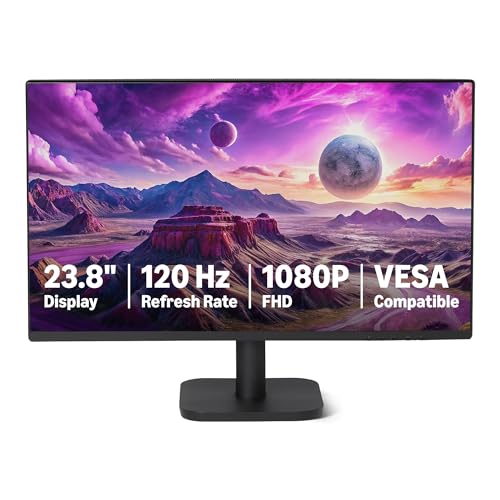
Amazon Basics 23.8-inch 1080P Monitor 120 Hz

Acer KB220Q H2bi 21.5in 100Hz Monitor

Dell SE2426H 23.8-inch FHD 144Hz Monitor

AOPEN 22SA2Q Hbi 21.5in 100Hz Monitor

ETiansu 22-inch FHD 75Hz FreeSync Monitor
More Details On Our Top Picks
A 22-inch screen like this tends to fit the kind of desk that has just enough room for a monitor and not much else. HDMI and VGA give you flexibility for an older tower, a newer laptop dock, or a spare console, and the built-in speakers help keep the setup tidy.
The 75Hz refresh rate, a display speed measured in frames per second, is a nice step above basic 60Hz office panels. For everyday work, streaming, and casual play, that extra smoothness matters more than a flashy spec sheet, though the smaller 22-inch size still keeps it firmly in compact territory.
What We Like
- HDMI and VGA make it easy to mix older and newer gear.
- Built-in speakers reduce cable clutter on a small desk.
- 75Hz brings smoother cursor movement and lighter motion than standard 60Hz panels.
- The 22-inch footprint suits dorm rooms and tight home offices.
Things To Consider
- The smaller screen feels best at close range, not across a deep desk.
- Integrated speakers are handy, but they usually suit basic audio more than room-filling sound.
- Owners who want extra screen real estate may outgrow 22 inches sooner than expected.
Feature Snapshot
Who Should Grab It
Students, casual home workers, and anyone setting up a simple second screen will get the most from it.
Swap It Out When
AOPEN 22SA2Q Hbi is the better fit for desk users who want a VESA-mountable monitor with a more office-first feel and 100Hz refresh.
This one makes sense for a laptop sidekick or a desk that feels overcrowded already. The thin frame and 19-inch size keep it from taking over your workspace, and the anti-glare finish helps in bright rooms where window light tends to bounce around.
The listed 1440 x 900 resolution sits below full HD, so the trade-off is sharper space efficiency rather than maximum detail. That makes it a sensible fit for email, web work, and document handling, though you may notice less room for side-by-side windows than you would with the larger 23.8-inch models above.
Highlights
- Very small footprint for cramped desks or shared spaces.
- Anti-glare coating helps calm reflections in bright rooms.
- HDMI and VGA keep it useful with laptops and older desktops.
- The slim build looks tidy next to portable work gear.
Room For Improvement
- 1440 x 900 is less spacious than full HD for split-screen work.
- The 19-inch class can feel tight for long spreadsheet sessions.
- Small monitors are easier to place, but they can feel cramped for movies.
Details At A Glance
Made For
Minimalist desks, student rooms, and laptop users who need a compact external display will appreciate it most.
Look Elsewhere When
Amazon Basics 23.8-inch 1080P Monitor 120 Hz suits you better for fuller screen space and a more flexible all-purpose setup.
The 23.8-inch size hits a sweet spot for shared home offices, because it gives you enough room for two windows without swallowing the whole desk. HDMI, DisplayPort, and VGA make it easy to fit into a mixed setup, and that kind of flexibility saves time when you’re moving gear between work and personal use.
The 120Hz refresh rate is the headline here, and it matters most if you bounce between spreadsheets, browsing, and a bit of gaming after hours. Compared with the 75Hz and 100Hz picks earlier, this one feels built for people who want a little more motion smoothness without moving into a higher-cost display class.
Strong Points
- 23.8 inches gives you more breathing room than the 19 and 22-inch picks.
- 120Hz supports smoother motion for work and light play.
- HDMI, DisplayPort, and VGA cover a wide range of devices.
- VESA compatibility helps you mount it and clear desk space.
Points To Note
- 120Hz only helps fully when your computer and cable can support it.
- The larger footprint asks for a wider desk than the compact YOTETION model.
- Users who want built-in speakers will need separate audio gear.
Core Details
Right Fit For
Home office users, students with a desktop, and casual gamers who want one monitor for several tasks will get the most from it.
A Better Fit Elsewhere
Dell SE2426H is the stronger match for motion-first shoppers who want a 144Hz IPS screen with a more gaming-leaning feel.
Compared with the more basic 22-inch Sceptre, this Acer leans harder into office comfort and clean desk appeal. The 21.5-inch Full HD panel, 100Hz refresh rate, and thin bezels make it easy to place beside another screen or set on a smaller work surface without looking bulky.
The 1ms response time is especially useful for quick scrolling and light gaming, while AdaptiveSync helps reduce visible tearing when the graphics output and monitor pace line up. In a busy home office, that balance matters more than raw flash, and the 99% sRGB coverage gives you a stronger color range than the most basic office panels usually offer.
Positives
- 100Hz keeps the desktop feeling smooth during daily use.
- AdaptiveSync is a practical touch for lighter gaming and video playback.
- 99% sRGB coverage supports richer color work than plain office screens.
- The slim profile helps dual-monitor layouts sit neatly side by side.
Minor Gripes
- The 21.5-inch size gives less room than the 23.8-inch choices.
- Users who rely on built-in audio will need separate speakers.
- Desk setup stays simple, though the mounting route adds an extra step.
At A Glance
Best Suited To
Desk workers, students, and light gamers who want a compact panel with a more polished look will appreciate it.
Where A Sibling Pick Shines
Amazon Basics 23.8-inch 1080P Monitor 120 Hz suits you better if you want a larger workspace and a stronger all-purpose layout.
This Dell sits near the top for shoppers who care about smooth motion more than anything else. The 23.8-inch IPS panel, 144Hz refresh rate, and 1ms MPRT, a motion-response rating tied to moving images, make it a strong match for gaming setups that still need to handle everyday work.
The TÜV 3-star eye-comfort claim and tilt support round out the practical side, especially for long desk sessions. The trade-off is simple: it asks a bit more attention from your graphics hardware and cabling than a basic office screen, but the payoff shows up as a cleaner, faster-feeling desktop.
Reasons To Buy
- 144Hz gives it a clear motion edge over the 75Hz and 100Hz options.
- IPS technology usually means more stable viewing from off-angle positions.
- Two HDMI ports make cable routing easier for mixed-device desks.
- Tilt adjustment helps you set a more comfortable viewing angle.
Areas To Watch
- High refresh performance depends on compatible hardware and the right cable.
- It’s better suited to users who will actually notice 144Hz movement.
- The feature set is richer, so it may be more monitor than a simple office desk needs.
Technical Sheet
Whose Shelf It Belongs On
Gamers, multitaskers, and anyone who wants a faster-feeling monitor for both work and play will get the most out of it.
Skip It When
Sceptre 22-Inch 75Hz 1080p LED Monitor E225W-19203S makes more sense for a simpler setup where built-in speakers matter more than high-refresh motion.
This AOPEN model makes sense for a neat office desk because it stays compact while still giving you full HD and 100Hz. Compared with the Acer KB220Q H2bi, it keeps a similarly tidy footprint but adds a VESA 75 x 75 mm mount pattern, which helps a lot if you prefer the screen on an arm or wall bracket.
The included HDMI cable is a small but useful touch, and the single HDMI 1.4 plus VGA layout keeps setup straightforward. The catch is that the 100Hz mode depends on HDMI, while VGA runs at 75Hz, so you’ll want to use the better port to get the smoother result.
Best Bits
- VESA mounting support makes desk cleanup easier.
- HDMI cable included, which cuts one extra purchase from the setup.
- 100Hz over HDMI gives smoother everyday motion.
- The 21.5-inch size works well in tighter office spaces.
Worth Noting
- VGA tops out at 75Hz, so the best refresh needs HDMI.
- The panel is more work-friendly than cinematic, given the modest size.
- People who want extras like built-in speakers will need to add them separately.
Feature Card
The Right Fit
Office users who want a tidy, mountable screen with simple connections should feel right at home here.
Another Choice May Suit
Amazon Basics 23.8-inch 1080P Monitor 120 Hz is better for shoppers who want a larger canvas and more input options.
This ETiansu screen splits the difference between work and light entertainment better than the very basic 75Hz options. The 22-inch IPS panel, 99% sRGB coverage, and AMD FreeSync support make it a sensible step up for someone who wants better color handling without jumping into a high-refresh gaming display.
The 2ms response time, HDMI and VGA inputs, and VESA support give it enough flexibility for a small office or bedroom setup. The honest read is that it makes the most sense for mixed use, because pure office shoppers may not need the extra color and sync features, while serious gamers may still want a faster panel.
Upsides
- 99% sRGB gives it stronger color reach than many plain office monitors.
- FreeSync helps motion stay steadier in supported games.
- HDMI and VGA keep it easy to connect to older and newer devices.
- VESA support helps you reclaim desk space with a mount.
Small Caveats
- 75Hz is fine for casual use, though it won’t match the faster Dell panel.
- Color-focused features add value most clearly for mixed media and light creative tasks.
- People who prefer a larger screen may still want the 23.8-inch options above.
Feature Rundown
Built With In Mind
Home office users who also watch a lot of video or play casual games will get the clearest benefit from it.
Reach For A Different Pick When
Dell SE2426H is the stronger choice for shoppers who want 144Hz motion and a larger 23.8-inch workspace.
How To Choose The Right Cheap Pc Monitors With Hdmi
Screen Size And Desk Fit
A monitor’s size changes how comfortable your desk feels day to day. A 19-inch panel like the YOTETION stays out of the way, while 23.8-inch screens from Amazon Basics and Dell give you more room for side-by-side windows. For a cramped dorm or shared table, the smaller option helps; for long spreadsheet sessions, the larger surface is easier on your eyes and your patience.
Resolution, Motion, And Real Use
Full HD, or 1920 x 1080, is the cleanest baseline in this group for text and mixed media. The YOTETION’s 1440 x 900 resolution saves space and cost, but you give up screen room, so it suits basic tasks more than wide multitasking. Refresh rate matters too, because 75Hz feels smoother than 60Hz, 100Hz feels more fluid still, and 144Hz on the Dell moves into a much faster-feeling desktop.
Connections And Setup Flexibility
HDMI is the key connector here, but the extra ports matter more than they first appear. VGA still helps with older desktops, and DisplayPort on the Amazon Basics unit adds another path for modern workstations. VESA mounting is also worth a close look, because a mount can free up space and make a small office feel less cluttered.
Comfort Features And Daily Habits
Eye-comfort labels, anti-glare coatings, and flicker-reduction features help most during long sessions in bright rooms. The Acer and AOPEN models lean into that office-friendly side, while the Dell adds higher motion speed for a more active mix of work and play. A good monitor should fade into the background after setup, like a chair that just feels right.
What To Weigh Before You Move Forward
Wrong Turns To Avoid
A common mistake is chasing refresh rate without checking the rest of your setup. A 144Hz monitor can look ordinary if your graphics output, cable, or source device can’t feed it properly. Another slip is choosing a screen that’s too small for daily multitasking, then feeling boxed in after a week.
Where The Extra Money Goes
Higher-tier monitors usually spend more on panel quality, faster response handling, wider color coverage, and better adjustability. That’s why the Dell and the Amazon Basics screen feel more versatile than the most basic office picks, especially for mixed work and entertainment. Spending up makes sense when you sit at the desk for hours, switch between tasks often, or care about cleaner motion.
Frequently Asked Questions
Do Cheap Pc Monitors With Hdmi Work With Laptops?
Yes, most do, and HDMI keeps the connection simple on newer laptops and docks. VGA can still help with older machines, but HDMI is the cleaner starting point.
Is 75Hz Enough For Everyday Use?
For email, browsing, and office work, 75Hz is usually comfortable and a little smoother than 60Hz. Faster rates such as 100Hz or 144Hz matter more for animation, scrolling, and games.
What Screen Size Works Best For A Small Desk?
A 19-inch or 21.5-inch monitor usually fits best when desk depth is limited. A 23.8-inch screen gives you more room, but it asks for more physical space.
Does VESA Mounting Really Matter?
It matters most when desk space is tight or you want a cleaner layout. A monitor arm can make cable routing and screen height adjustments easier.
Should You Choose IPS Or VA?
IPS usually gives you steadier viewing angles and more consistent color, which helps in shared spaces and mixed use. VA can still work well, but your best fit depends on whether you value color stability or contrast more.
