
Engineering work asks a lot from a screen. You need sharp text for drawings and code, enough space for side-by-side windows, and motion that stays calm during long days of review, modeling, or data work.
The eight picks below cover different desk setups, from compact office screens to large 4K panels. Some lean toward speed, others toward color and detail, and a few sit in the middle so you can move between spreadsheets, CAD, and everyday office tasks without fuss.
Quick Look At The Shortlist

Dell 27 Monitor S2725QS 4K UHD IPS 120Hz

Amazon Basics 24-inch Full HD IPS Monitor 75 Hz

KTC 24 Inch Gaming Monitor H24T7 1440P Fast IPS
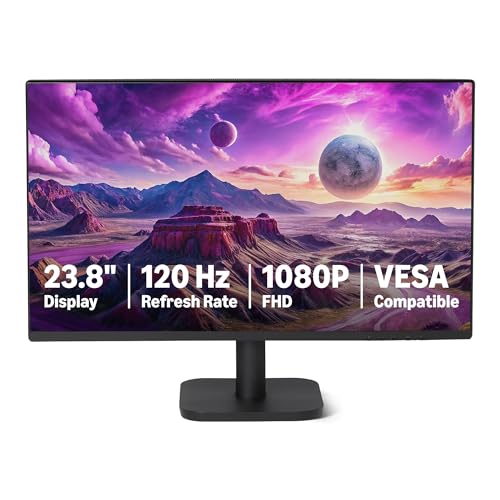
Amazon Basics 23.8-inch 1080P Computer Monitor 120 Hz

MSI PRO MP243L E14 24-inch IPS FHD 144Hz

Acer KB220Q H2bi 21.5in FHD 100Hz Office Monitor

BenQ GW2490 24-inch Computer Monitor 100Hz FHD
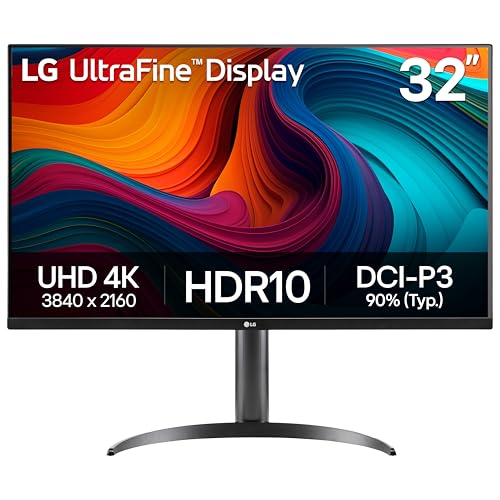
LG 32UR550K-B 32-inch Ultrafine 4K UHD Monitor
More Details On Our Top Picks
Sharper text is the first thing that stands out here, and that matters a lot for CAD drawings, spreadsheets, and long code sessions. The 27-inch size gives you room without making the desk feel crowded, while the height, swivel, and pivot adjustments help you line up the panel the way your neck prefers.
The 4K resolution earns its keep when detail matters, and 120Hz gives motion a smoother feel than the usual office screen. You may find the stronger spec mix a little more than a basic workstation needs, but that extra headroom suits engineering work that moves between fine-grain detail and everyday browsing.
Strong Points
- 4K resolution gives you more room for dense drawings, tall spreadsheets, and split-screen work.
- IPS panel viewing keeps color and contrast steadier from the side, which helps on shared desks.
- 120Hz refresh adds a smoother feel during window movement and general navigation.
- USB-C, HDMI, and DisplayPort cover common laptop and desktop setups without extra fuss.
- Height, swivel, and pivot adjustment make it easier to match a standing desk or portrait layout.
Points To Note
- The 4K desktop can feel small on its own without scaling, so your software setup matters.
- Its stronger feature set makes more sense for focused desk work than for a bare-bones office.
- Glare control helps, though bright rooms can still expose reflections depending on where you place it.
Feature Card
Who It Suits Best
Engineering students, analysts, and design-focused professionals who want a sharper desktop and a flexible stand will get the most from this one.
A Better Fit Elsewhere
The LG 32UR550K-B 32-inch Ultrafine 4K UHD Monitor suits you better if you want more physical screen space for huge drawings and several windows at once.
This one keeps things simple, and that can be exactly right for a lab bench, a home office, or a second screen beside a laptop. The 24-inch 1080p format is easy to place, and the IPS panel means you do not have to sit dead center to keep the image readable.
The 75Hz panel gives a bit more smoothness than a plain 60Hz office display, though it stays very much in the everyday-use lane. In most workspaces, that balance makes sense for email, web tools, document work, and light monitoring dashboards, not for detail-hungry design tasks.
What We Like
- 24-inch size fits small desks without feeling cramped.
- IPS panel supports steadier viewing for shared office use or side-by-side windows.
- HDMI, DisplayPort, and VGA give you room for older and newer hardware.
- VESA compatibility helps with arm mounts and wall setups.
- The adjustable stand adds useful positioning for long work sessions.
Minor Gripes
- 1080p is fine for routine tasks, but it offers less room than 1440p or 4K.
- The 75Hz ceiling feels modest beside faster picks like the MSI and KTC models.
- Built-in speakers suit casual use more than a serious audio setup.
Core Details
Who Will Love This
You get the most value here from straightforward office work, web research, and home setups that need a dependable second screen.
Another Choice May Suit
The Dell 27 Monitor S2725QS 4K UHD IPS 120Hz is the better match for engineering work that needs more detail and more room for side-by-side layouts.
This KTC stands apart because it mixes 1440p detail with a very fast refresh range, so it suits engineering work that also includes motion-heavy use after hours. The vertical mode is useful for long code files, documentation, or tall reference pages, and that can feel like a smart fit on a cramped desk.
The trade-off is easy to spot, though, since this leans more toward speed and flexible orientation than pure office restraint. If your day swings between model review and light gaming, the balance makes sense, but a plain office setup may not need this much refresh headroom.
Highlights
- 1440p resolution gives you a cleaner middle ground between 1080p and 4K.
- Fast IPS panel helps keep motion and text looking crisp from more angles.
- Up to 185Hz support suits fast interaction and smooth scrolling.
- HDR 400 support adds more depth to compatible content, especially in darker scenes.
- Height, pivot, and tilt adjustments make vertical use easier to live with.
- Adaptive sync support helps keep motion steadier with matching graphics hardware.
Worth Noting
- Its gaming-leaning feature mix can be more than a basic office desk needs.
- The 24-inch size is handy, but it is still smaller than a 27-inch engineering panel.
- HDR support is useful only where the content and source device take advantage of it.
Feature Rundown
Made For
You will appreciate this most if your workstation pulls double duty for engineering tasks and fast-moving personal use.
Where Another Pick Shines
The Dell 27 Monitor S2725QS 4K UHD IPS 120Hz is the calmer choice for detail work that benefits more from resolution than from very high refresh rates.
For a small office or a second desk, this Amazon Basics screen keeps the formula clean: 23.8 inches, Full HD, and a quicker 120Hz panel. That combination fits everyday engineering support work surprisingly well, especially when you want smooth scrolling without moving into a larger or pricier form factor.
The panel size is friendly to modest desks, and the mixed input set gives older hardware a place at the table. The honest read is that this is a sensible utility monitor first, not a showpiece, which is exactly why many home setups can live with it for years.
Upsides
- 120Hz refresh gives desktop movement a noticeably smoother feel.
- 23.8-inch footprint fits compact spaces better than a 27-inch model.
- IPS panel helps keep the image usable from different angles.
- VESA support makes arm mounting or wall placement straightforward.
- HDMI, DisplayPort, and VGA broaden compatibility with office hardware.
Areas To Watch
- 1080p is adequate, but it does not give the same workspace density as 1440p or 4K.
- Built-in speakers are useful in a pinch, yet external audio usually sounds fuller.
- The design is practical rather than especially refined.
At A Glance
The Right Fit
You should look at this one for compact office stations, dorm rooms, and secondary work areas where space matters more than sheer resolution.
Skip It When
The Dell 27 Monitor S2725QS 4K UHD IPS 120Hz suits you better once your work depends on finer on-screen detail and wider desktop space.
This MSI lands in a useful middle zone for engineering setups that also see gaming or video work. The 144Hz panel, 1ms response spec, and slim bezel design give it a brisker feel than the pure office screens above, while the 24-inch Full HD format stays easy to place.
That mix works well on a desk where one display has to do a lot. The caveat is simple, though, since the 1080p panel cannot match the workspace density of the Dell or LG 4K models, so detail-heavy drafting may feel tighter.
Reasons To Buy
- 144Hz refresh supports smoother movement than standard office monitors.
- 1ms response spec appeals to fast cursor work and motion-heavy use.
- IPS panel helps keep color and contrast more consistent across angles.
- HDR Ready support adds some flexibility with compatible content.
- Thin bezel design suits multi-monitor layouts.
Small Caveats
- Full HD on 24 inches is fine, but it is not as roomy as 1440p or 4K.
- The gaming-first leaning can be more than a pure office desk needs.
- VGA remains useful for older gear, though most newer setups will lean on HDMI.
Details At A Glance
Whose Shelf It Belongs On
You get the best fit here when one monitor has to balance office work, coursework, and some fast-paced entertainment.
Look Elsewhere When
The Acer KB220Q H2bi 21.5in FHD 100Hz Office Monitor is the cleaner choice for a tighter budget of desk space and a more compact footprint.
The Acer KB220Q H2bi is the sort of screen that makes sense on a student desk, in a small home office, or as a secondary monitor beside a laptop. Its 21.5-inch size keeps the footprint modest, and the 100Hz refresh rate gives it a little more polish than a plain 60Hz panel.
That smaller panel size is the trade-off, of course, because engineering layouts with many windows can feel crowded. Still, the combination of AdaptiveSync, 99% sRGB, and VESA support gives you a tidy little package for day-to-day work that needs to stay efficient.
Bright Spots
- 21.5-inch body is easy to place where desk space is tight.
- 100Hz refresh keeps basic motion smoother than standard office displays.
- AdaptiveSync support helps reduce visible tearing with matching hardware.
- 99% sRGB coverage is helpful for color-aware work at this class.
- VESA mounting makes it easier to clear room on the desk.
Room For Improvement
- The compact size limits how much can sit on screen at once.
- HDMI and VGA cover common setups, though the port list is fairly modest.
- It suits everyday use best, not large technical workspaces.
Technical Sheet
Best Suited To
You should look here for compact desks, dorm rooms, or a neat side monitor for email and reference material.
A Better Fit Elsewhere
The BenQ GW2490 24-inch Computer Monitor 100Hz FHD gives you more screen real estate while staying in a similarly calm office-friendly lane.
BenQ leans into everyday comfort here, and that makes sense for long office sessions or home study routines. The thin-bezel design keeps the frame quiet on the desk, while built-in speakers and display switching features make it easier to move between work and personal gear without piling on extras.
Compared with the Acer and Amazon Basics office models, this one feels a bit more polished for extended desk use. You may still want external speakers for fuller sound, but the overall package is well matched to spreadsheets, writing, video calls, and light multitasking.
Best Bits
- 100Hz refresh keeps everyday movement smoother than standard 60Hz panels.
- IPS panel supports steadier viewing from normal desk angles.
- Low blue light and adaptive brightness features suit long work sessions.
- Built-in speakers reduce the need for extra desktop clutter.
- Thin bezels make it easier to line up a multi-monitor setup.
Softer Spots
- Built-in speakers are convenient, though not a match for dedicated audio.
- The 24-inch 1080p format is practical, but not especially spacious.
- It is more comfort-focused than performance-focused.
Core Details
Right Fit
You should choose this for long office hours, home study, and clean desk setups where comfort matters as much as image quality.
Swap It Out When
The Dell 27 Monitor S2725QS 4K UHD IPS 120Hz makes more sense once engineering detail and a larger desktop take priority over comfort extras.
The LG 32UR550K-B is the big-screen option in this group, and that extra size changes the way engineering work feels. A 32-inch 4K panel gives you more room for reference panes, toolbars, and documents, so multitasking can breathe instead of crowding one another out.
Its 60Hz refresh rate is fine for office and content work, though it sits behind the quicker Dell and BenQ options for motion smoothness. In most desks, this makes the most sense for engineers, analysts, and creators who value screen real estate first and do not need a fast-paced gaming angle.
Standout Traits
- 32-inch size gives you broad working space for large layouts and multiwindow use.
- 4K resolution supports highly detailed text and visuals.
- HDR10 adds more flexibility with compatible media and content.
- Tilt, height, and pivot adjustment help the large panel sit comfortably on the desk.
- HDMI and DisplayPort keep standard modern connections simple.
Things To Consider
- The 60Hz refresh rate is fine for work, but not especially quick by current standards.
- Large size needs more desk depth to feel comfortable.
- 4K desktop scaling may take a little tuning in some apps.
Feature Snapshot
Built With In Mind
You should look at this for large desks, dual-task workflows, and engineering work that benefits from a spacious 4K canvas.
Where Shoppers Go Wrong
The KTC 24 Inch Gaming Monitor H24T7 1440P Fast IPS is the better fit when your desk is smaller and you still want quicker motion plus a vertical orientation option.
How To Choose The Right Computer Monitors For Engineering
Resolution And Text Clarity
Engineering work rewards pixels that stay clean. Full HD can work for basic office tasks, but 1440p gives you a better middle ground for code, drawings, and stacked browser windows, while 4K brings the most room for detail and side-by-side layouts. That extra clarity matters most when you spend the day reading small text, checking dimensions, or keeping several reference sheets open at once.
Screen size changes the result just as much as the panel count. A 24-inch 1440p screen feels denser than a 32-inch 4K panel, even though both can be useful, so the right choice depends on how far you sit from the display and how much workspace you want without stretching your neck.
Refresh Rate And Motion Comfort
Refresh rate is how many times per second the panel redraws the image, and a higher figure usually feels smoother during scrolling and window movement. For engineering desks, 100Hz or 120Hz already feels more relaxed than a standard 60Hz screen, while 144Hz and above matter more if your setup also sees gaming or frequent fast motion.
The trade-off is simple: higher refresh often means you pay for motion smoothness you may not need in strictly technical work. If your day is mostly analysis, drafting, or documentation, a calm 100Hz panel can be easier to justify than chasing the fastest option on the page.
Stand, Ports, And Desk Fit
Stand adjustment sounds dull until your neck starts noticing a bad angle. Height, tilt, pivot, and VESA support help you place the screen where it belongs, and pivot is especially useful for tall reference pages or code. USB-C can also simplify a laptop desk, while HDMI and DisplayPort remain the common workhorse connections across desktops, docks, and workstations.
Desk depth matters too. A 32-inch panel can feel wonderfully open on a deep desk, but it can crowd your hands in a shallow corner setup, so the physical shape of your workspace should guide the purchase as much as the spec sheet.
What To Weigh Before You Shop
Mistakes Worth Dodging
One common misstep is overbuying refresh rate while ignoring resolution and ergonomics. A fast panel still feels awkward if text looks cramped or the stand leaves the screen too low, so the smarter move is to match the monitor to your daily mix of design work, spreadsheets, and email.
Another slip is forgetting desk size and port needs. A large 4K panel on a shallow desk can feel overwhelming, and an older workstation may need VGA or DisplayPort support rather than only HDMI.
Where The Extra Money Goes
Higher-tier models usually spend their budget on better panels, larger screens, stronger stands, and more flexible inputs. In this category, that means sharper 4K detail, more comfortable ergonomics, and features like wider color coverage or faster refresh rates that make long sessions feel less tiring.
That upgrade pays off when the monitor is central to your workflow. Engineers who live in CAD, simulation dashboards, code editors, or data-heavy interfaces tend to notice the difference more than casual users who only open a browser and a document.
Final Thoughts
The right engineering monitor depends on how you work, not just the size of the panel. The Dell 27 Monitor S2725QS and LG 32UR550K-B stand out for detail-heavy desks, while the BenQ GW2490 and Acer KB220Q H2bi make more sense where comfort or compact placement matters. Your best match is the one that fits your desk, your software, and the hours you spend staring at it.
