
Desktop amps cover a lot of ground, from compact guitar practice rigs to headphone stacks and all-in-one home audio setups. You may be setting up a desk, a dorm, a small studio, or a living room shelf, and the right unit can keep cables tidy while giving you the controls you actually use. The picks below focus on source flexibility, output fit, and how each product handles daily use without taking over the room.
The Shortlist At A Glance

ARRAROWN ZK-1002T RPO Bluetooth 5.0 Amplifier Board 200W AMP
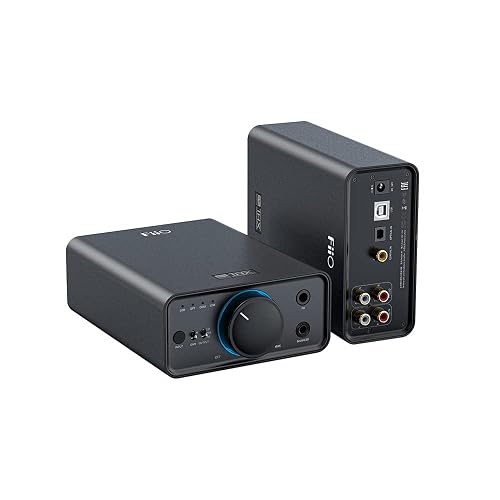
FiiO K7 Desktop DAC and Amplifier

Fosi Audio MC331 Tube Integrated Amplifier with DAC
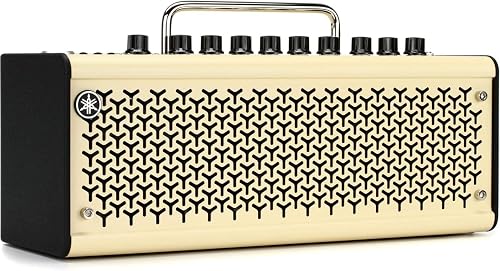
Yamaha THR10II Wired Desktop Guitar Amp 10W
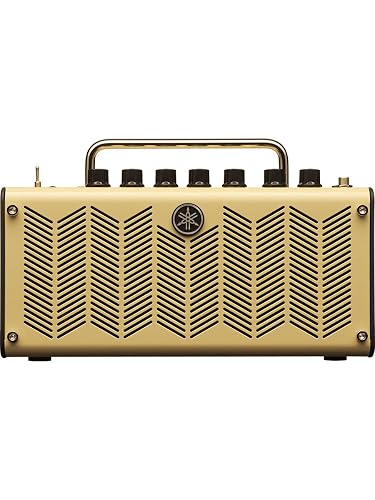
Yamaha THR5 10-Watt Desktop Guitar Combo Amp
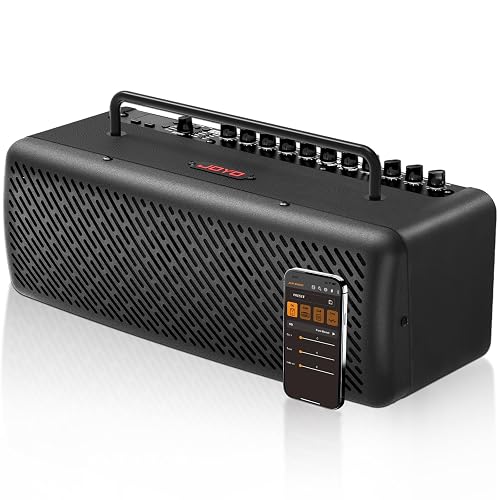
JOYO JAM Buddy III 40W Desktop Amp
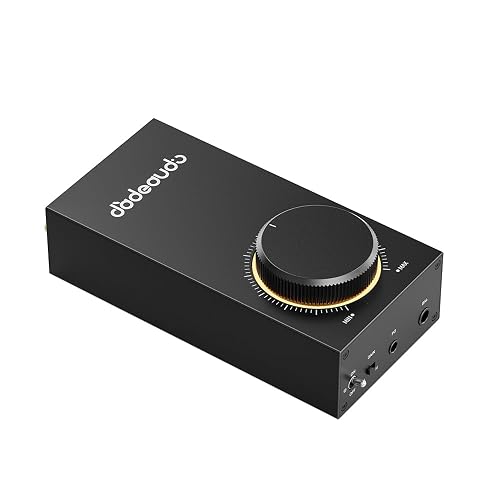
FiiO JadeAudio GIGAS 1 Desktop Headphone Amplifier
More Details On Our Top Picks
This board makes sense for a desk-built speaker project where you want Bluetooth, USB, and AUX in one small control point. The treble and bass knobs give you quick tone shaping without leaning on the source device, which is handy in a workshop or a cramped hobby bench.
The honest read is that this is a DIY part first, so installation and wiring matter more than with a boxed amp. For a custom subwoofer or compact stereo setup, though, the feature mix is unusually flexible for the size.
Strong Points
- Bluetooth 5.0 makes wireless playback simple for casual desk listening.
- USB and AUX inputs give you several source paths for different gear.
- Separate treble and bass controls help you fine-tune sound on the amp itself.
- The 100W plus 100W layout suits small stereo speaker projects well.
- Its compact board format works neatly in custom enclosures and tight spaces.
Points To Note
- It asks for DIY comfort, including basic wiring and enclosure planning.
- The AUX note matters, because you need the Bluetooth link disconnected for that mode.
- Board-style gear usually needs a cleaner setup and a bit more care with placement.
Feature Snapshot
Who It Suits Best
You should look at this board for a custom speaker build, a workshop bench, or a small desktop stereo project where hands-on setup feels normal.
A Better Fit Elsewhere
FiiO K7 Desktop DAC and Amplifier suits headphone listeners who want a finished desktop unit instead of a build-it-yourself board.
For a headphone desk, this is the polished, finished kind of unit that keeps things tidy. The appeal comes from broad input support and the kind of output flexibility that suits both casual listening and a more serious headphone stack.
Compared with the ARRAROWN board above, the FiiO K7 asks far less of you because it’s a purpose-built desktop component. That makes it a calmer fit for office desks, home study spaces, and anyone who wants fewer moving parts.
What We Like
- Balanced output support gives you a strong path for compatible headphones.
- USB, optical, coaxial, and AUX inputs cover a lot of desk setups.
- Its desktop format keeps cable management simpler than a loose amplifier board.
- The design suits a headphone chain without taking over a shelf.
- It fits well for users who want a single hub for multiple sources.
Softer Spots
- It’s centered on headphone use, so speaker-first shoppers should look elsewhere.
- The cleaner desktop design can still mean extra cable planning around the rear panel.
- It makes most sense in a dedicated audio corner, not a casual travel kit.
Details At A Glance
Who Should Grab It
You’ll get the most from this if your desk revolves around headphones and you want a clean, all-around DAC and amp in one spot.
Swap It Out When
FiiO JadeAudio GIGAS 1 Desktop Headphone Amplifier makes more sense for planar headphone users who care most about raw drive strength.
This one leans into the desk-friendly home audio lane, especially when your setup includes bookshelf speakers and a little visual character. The tube section and vintage-style meter add personality, while the mix of Bluetooth, USB, optical, coaxial, and RCA keeps it useful in a mixed-source room.
Compared with the sharper, more utilitarian FiiO K7, the MC331 feels warmer in presentation and broader for speaker duty. That balance works nicely in a study, music room, or living room shelf where the amp can sit in plain view.
Upsides
- It combines DAC, preamp, power amp, and headphone amp in one unit.
- Bookshelf speaker users get a neat all-in-one desktop audio center.
- The tube-and-meter styling brings a more traditional hi-fi look to the desk.
- Multiple digital and analog inputs help you connect newer and older gear.
- The headphone output adds late-night listening flexibility without another box.
Areas To Watch
- The retro look is part of the appeal, so minimalists may prefer a plainer box.
- Speaker placement and desk space still matter, since it’s a full integrated unit.
- The feature mix can feel broad, so setup takes a little more thought than a basic amp.
Core Details
Built With In Mind
You’re in the right place here if you want a desk amp for bookshelf speakers, a headphone jack, and a little visual flair.
Another Choice May Suit
Yamaha THR10II Wired Desktop Guitar Amp 10W is a better fit for guitar practice, because it’s built around instrument use instead of home stereo playback.
This is the kind of guitar amp that fits naturally on a desk beside a laptop or practice notebook. The built-in amp voices, mic models for acoustic-electric playing, and USB connection for recording make it feel less like a toy and more like a serious practice partner.
Compared with the MC331, this Yamaha is narrower in purpose but far more focused for guitar work. For apartment players, home studios, and anyone who wants plug-in practice with less fuss, that focus helps a lot.
Bright Spots
- It covers guitar, bass, acoustic-electric, and flat voices for flexible practice.
- USB support helps with recording and computer-based workflow.
- Bluetooth playback adds backing tracks without cluttering the desk.
- The desktop size works well in a spare room, studio corner, or office.
- Yamaha’s amp modeling gives you several tones without extra pedals.
Minor Gripes
- It stays in the practice-amp lane, so it won’t replace a full stage rig.
- Guitar-first design means non-players will get less out of it than with a stereo amp.
- The desktop footprint is still something to plan for on a crowded desk.
Quick Facts
Who Will Love This
You should look here if your desk time is mostly guitar practice, home recording, or quick warm-ups before a session.
Where A Sibling Pick Shines
Yamaha THR5 10-Watt Desktop Guitar Combo Amp is the lighter choice for players who want a smaller, simpler desktop amp.
The THR5 is the smaller, easier-to-place sibling in Yamaha’s desktop guitar line, and that matters on crowded desks. Battery power support and stereo playback give it a little extra freedom, so you can move it from office corner to practice space without much planning.
Unlike the THR10II, this model keeps the feature set tighter, which suits players who want the essentials and not a crowded control panel. For acoustic practice, quick electric warm-ups, or a dorm room setup, that restraint can be a real plus.
Best Bits
- Compact size makes it easier to place on a narrow desk or shelf.
- Battery or AC power support adds placement flexibility.
- Built-in amp models and effects reduce the need for extra gear.
- USB editing and recording support help with a home practice workflow.
- The stereo format brings a wider feel than a plain practice box.
Small Caveats
- The smaller format naturally leaves less room for deeper control than a larger model.
- It suits practice and small-room use better than louder rehearsal needs.
- Battery use is handy, but it also means another thing to keep charged or stocked.
Technical Sheet
Perfect Match For
You’re the right fit for this amp if portability, simple controls, and a small footprint matter more than deep feature lists.
Look Elsewhere When
Yamaha THR10II Wired Desktop Guitar Amp 10W makes more sense for players who want a broader tone palette and a more feature-rich desktop rig.
This JOYO leans hard into the modern creator setup, because it tries to cover guitar, bass, vocals, streaming, recording, and small-room performance from one desk unit. The XLR input with 48V phantom power, meaning power sent through the mic cable for compatible condensers, is especially useful for mic work, while the app and panel controls keep source changes close at hand.
Compared with Yamaha’s THR models, this one is broader and busier, which helps content creators more than purist guitar players. For home studios, live streams, karaoke corners, or multi-instrument desks, that extra reach is the point.
Reasons To Buy
- It supports acoustic, electric, and bass guitar plus microphone use.
- 52 amp models and 49 effects give you a wide tone range.
- XLR with 48V phantom power helps with condenser mic setups.
- The looper and drum machine are useful for solo practice and content work.
- Panel and app control make it easier to adjust tone from the desk or phone.
Worth Noting
- The large feature set can feel busy if you only want a simple practice amp.
- More functions usually mean a little more setup and menu familiarization.
- Its strengths show best in recording and streaming spaces, not bare-bones use.
Feature Rundown
Whose Shelf It Belongs On
You should consider this if your desk doubles as a recording corner, streaming station, or songwriting area.
Reach For A Different Pick When
Yamaha THR5 10-Watt Desktop Guitar Combo Amp is the cleaner choice for players who want a smaller guitar amp with fewer distractions.
This FiiO is aimed squarely at demanding headphones, especially planar magnetic and higher-impedance models that need more drive. The Class AB discrete circuit, meaning a circuit built from separate transistor parts instead of a single integrated chip, is the kind of detail that tends to appeal to listeners who want a more traditional amp path on the desk.
Compared with the K7, this model pushes harder on output strength and looks more specialized for power-first headphone use. That makes it a smart desk companion for a serious headphone chain, but less useful if you also want speaker inputs and broad source switching.
Positives
- Balanced output reaches 4600mW, which is a lot of headroom for difficult headphones.
- Class AB discrete design should appeal to listeners who like a more traditional amp structure.
- 4.4mm and 3.5mm connections cover common balanced and standard plugs.
- It fits planar and high-impedance headphones better than lighter desktop amps.
- The compact format keeps a powerful headphone amp from becoming desk clutter.
Trade Offs
- Its focus is narrow, so speaker users and multi-source setups may want a different unit.
- Power-first tuning can be more than you need for easy-to-drive headphones.
- Desk placement still matters, because a focused amp can’t solve a cramped cable layout.
At A Glance
Who Will Love This
You’re the right match for this if your desk setup revolves around planar or high-impedance headphones and you want a dedicated amp with strong output.
Skip It When
FiiO K7 Desktop DAC and Amplifier is the more flexible option for anyone who wants broader inputs and a more all-purpose desktop chain.
How To Choose The Right Desktop Amps
Start With The Job Your Desk Needs To Do
Desktop amps look similar at a glance, but the right choice depends on what sits beside your screen. A guitar practice amp, a headphone DAC, and a home stereo amp solve very different problems, even if they all fit on a shelf.
For music practice, tone models and effects matter more than input count. For headphone listening, balanced outputs, source switching, and clean gain control usually matter more than flashy extras.
Match Inputs And Outputs To Your Gear
Connections decide whether the amp feels useful or annoying. USB works well for computers, optical and coaxial help with home audio sources, and RCA still shows up in a lot of stereo setups.
Headphone users should check plug type first, because 4.4mm balanced and 6.35mm or 3.5mm single-ended plugs serve different cables. Guitar and creator desks need a different checklist, especially once microphones, monitors, or recording software enter the picture.
Don’t Ignore Power And Space
Power output only helps when it suits the load. A small 10W practice amp can feel right in an apartment, while a higher-output headphone amp makes more sense for planar models or demanding headphones.
Space matters just as much. A board-style DIY amp asks for wiring room and a safe enclosure, while an integrated desktop box asks for rear-panel access and tidy cable routing.
Think About Daily Use, Not Just Feature Lists
Controls you can reach fast matter on a desk. Physical knobs, app control, remote access, or simple front-panel switching can make a unit pleasant to live with, especially during long sessions.
Also think about cleanup and placement. Tube designs, exposed boards, and multi-input hubs each bring a different maintenance burden, and the calmer choice is usually the one that matches how you really work.
Things Worth Knowing First
Hidden Buying Traps
Shoppers often overbuy features they’ll never use, then end up with a cramped desk and a confusing setup. The safer move is to choose the smallest feature set that still covers your main source and output needs.
Another common miss is forgetting cable fit. A great amp can still disappoint when the headphone plug, speaker wire, or mic input doesn’t match the rest of your gear.
The Upgrade Payoff
Higher-tier models usually cost more because they add stronger output stages, more flexible inputs, better control layouts, or broader format support. In some cases, you also get a cleaner build that sits better in a long-term desk setup.
That upgrade makes sense for users with demanding headphones, recording needs, or mixed home audio sources. For simple practice, casual listening, or a small room, a leaner model often does the job without extra clutter.
Final Thoughts
The right desktop amp depends on the desk in front of you, not on the biggest spec line. Headphone listeners will gravitate toward the FiiO models, guitar players have strong choices in the Yamaha pair, and creators get the most flexibility from the JOYO. For custom builds, the ARRAROWN board gives you a hands-on path, while the Fosi MC331 lands nicely in a home audio setup. Choose the one that fits your space and your routine, and it should feel easy to live with.
