
Desktop audio can get messy fast, especially once you mix a PC, a console, and a pair of hungry headphones. The right DAC amp gives you cleaner volume control, better connections, and enough headroom to keep your desk setup from feeling strained. That matters whether you work all day at a monitor, game into the night, or listen through full-size headphones at home.
Quick Look At Our Shortlist
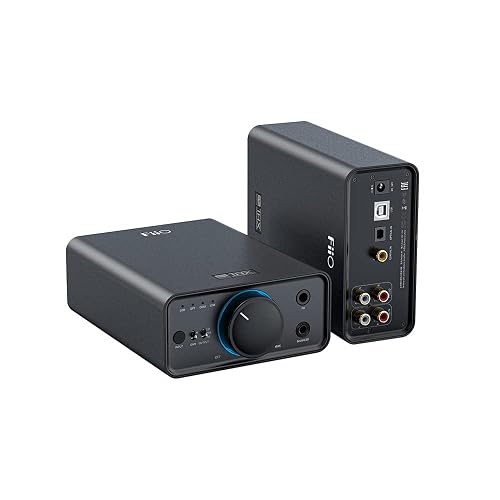
FiiO K7 Desktop DAC and Amplifier

FiiO K11 DAC and Headphone Amplifier (Black)
FiiO K11 DAC and Headphone Amplifier (Silver)
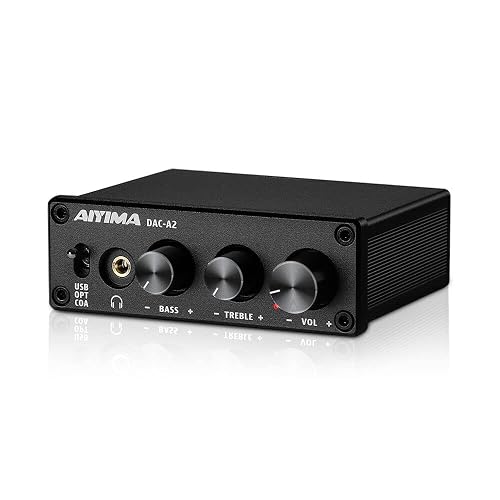
AIYIMA DAC-A2 Headphone Amplifier & Desktop DAC
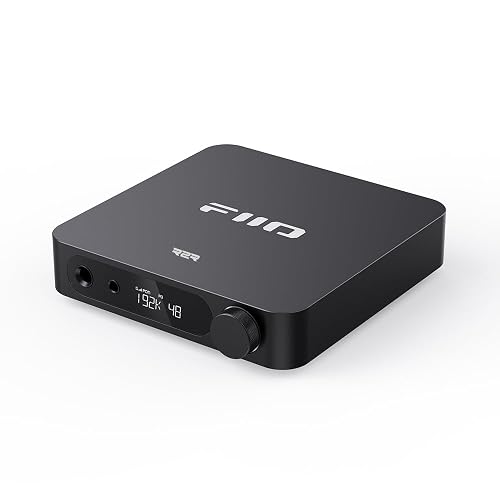
FIIO K11 Compact Desktop R2R Architecture DAC and Headphone Amplifier (Black)
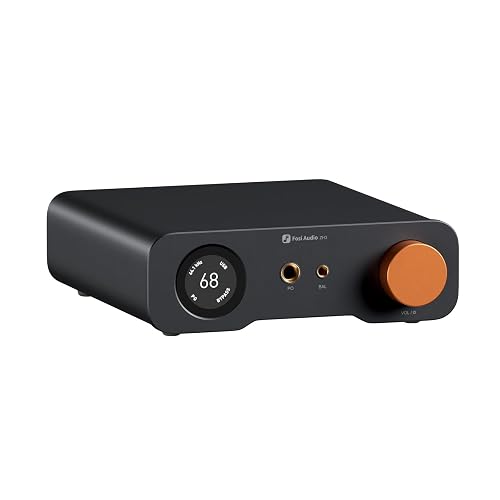
Fosi Audio ZH3 DAC Headphone Amp
Fosi Audio K7 DAC Headphone Amp
More Details On Our Top Picks
FiiO’s K7 makes sense for a desk that has grown past basic dongles and needs proper input options. The balanced 4.4mm output matters because it gives you a cleaner path for compatible headphones, while the 6.35mm, optical, coaxial, USB, and AUX inputs give you room to connect more than one source.
With the dual THX AAA 788+ amplification stage and the AK4493SEQ DAC pair, this is the sort of unit that suits people using harder-to-drive headphones at home. The honest read is that its size and output focus make it less about portability and more about giving your desk a serious center point.
Strong Points
- Balanced and single-ended headphone outputs cover more headset types.
- Multiple inputs help you keep a PC, streamer, or console connected.
- The higher-power design fits full-size headphones better than lighter desktop amps.
- Six-stage circuit design points to a more serious internal layout than simpler budget units.
Things To Consider
- It takes up more desk space than the slimmer AIYIMA DAC-A2.
- Its focus leans toward headphone use, so speaker-first setups may want a different style of unit.
- The feature set feels more involved than a basic plug-in-and-go amp.
Feature Snapshot
Who It Suits Best
You get the most from this pick when your desk setup centers on headphones and you want a fuller set of inputs without moving up to a rack-style component.
A Better Fit Elsewhere
Fosi Audio ZH3 is the better match for you if speaker switching and preamp duties matter more than the K7’s straightforward headphone-first layout.
The black K11 feels like the easier answer for a smaller desk that still needs real input flexibility. You get balanced 4.4mm and 6.35mm headphone outputs, plus RCA, coaxial, and optical connections, so the unit can sit between a PC, a TV, and a modest speaker setup without much fuss.
The 1400mW output figure gives it enough muscle for many full-size headphones, though the actual comfort level still depends on what you plug in. Compared with the K7, this one looks a little more compact and a bit less ambitious on the power side, which is exactly why it suits neat home desks so well.
Upsides
- The input and output mix makes everyday desktop wiring simple.
- Balanced and single-ended headphone options keep compatibility broad.
- Compact form helps it fit beside a monitor or laptop stand.
- The 1400mW output target gives you useful headroom for many headphones.
Points To Note
- Its feature set is broad, but not as expansive as the Fosi Audio ZH3’s preamp-style layout.
- Black finish can show dust on a busy desk.
- Owners who want very demanding headphone drive may still prefer the larger K7.
Quick Facts
Made For
You’ll like this one most for a home office or PC desk where you want a tidy unit with enough connections to stay useful over time.
Where A Sibling Pick Shines
FiiO K7 suits you better than the K11 Black when your headphones are tougher to drive and you want the more assertive amp stage.
This silver K11 follows the same basic formula as the black model, but the finish gives you a brighter look on an open desk. The connection set stays useful for mixed gear, with 4.4mm and 6.35mm headphone outputs alongside RCA, coaxial, and optical links.
That makes it a nice fit for people who care just as much about how the desk looks as how the signal chain behaves. Same story with power, though: 1400mW is plenty for many setups, yet the K7 still makes more sense for heavier headphone loads.
Bright Spots
- The silver finish blends neatly with lighter desktop gear.
- Balanced and standard headphone outputs keep it flexible.
- RCA plus coaxial and optical inputs make source swapping straightforward.
- Its size works well beside compact monitors and small accessories.
Minor Gripes
- It shares the same core layout as the black version, so the choice is largely about appearance.
- Dust and fingerprints may stand out less than on black, but the finish still needs normal wipe-down care.
- Heavy headphone users may still prefer the FiiO K7’s stronger overall headroom.
Core Details
Whose Shelf It Belongs On
You’ll appreciate this version most if your desk already leans silver, aluminum, or light-gray and you want the audio gear to match.
Another Choice May Suit
FiiO K11 in black is the easier choice for a darker setup, especially when you want the same layout without the brighter finish.
The DAC-A2 leans into simplicity, and that’s useful on a desk where you don’t want another software install or driver hunt. It converts USB, optical, or coaxial digital signals into RCA or 3.5mm analog output, so you can link it to a PC, a Mac, a TV, or even a game system with very little friction.
The front knobs for bass and treble are the real quality-of-life feature here. That kind of tone shaping can be handy for late-night gaming or older recordings, though the trade-off is that you’re buying convenience and control rather than the deeper output muscle of the FiiO K7.
What We Like
- No driver setup keeps first-time desk use simple.
- Bass and treble knobs let you make quick listening adjustments.
- RCA and 3.5mm outputs suit headphones and small powered speakers.
- USB, optical, and coaxial inputs give you several ways to connect.
Softer Spots
- The more compact feature set leaves less room for high-end system expansion.
- Its basic chassis makes it feel more utilitarian than the FiiO units above it.
- Front-panel knobs are handy, but they also invite constant fingertip handling and the usual desk wear.
At A Glance
Who Should Grab It
You’ll get the most from this model if you want a straightforward upgrade for gaming, TV audio, or casual music without paying for a long feature list.
Look Elsewhere When
FiiO K11 Black is the better fit when you want more headphone output options and a more modern all-around desktop finish.
The K11 R2R is for people who like a little character in their desktop chain, not just raw utility. R2R, or resistor-to-resistor DAC design, uses a resistor array instead of the more common off-the-shelf conversion path, and that usually attracts listeners who care about tone and texture as much as clean output.
Compared with the standard K11 models, this one trades some straightforward utility for a more specialized listening flavor. That makes it a good fit for a quieter desk with headphones you already know well, though the more utility-heavy Fosi Audio ZH3 still makes more sense for speaker switching.
Reasons To Buy
- The R2R architecture gives it a more distinct design angle than the other FiiO picks.
- Compact sizing helps it stay manageable on a crowded desk.
- It suits listeners who care about character and feel, not just output numbers.
- The black finish keeps the look discreet beside dark keyboards and monitors.
Worth Noting
- Its specialty focus may be more than casual listeners need.
- The black shell can pick up dust the way many matte desktop pieces do.
- People after broad preamp flexibility will likely prefer the Fosi Audio ZH3.
Details At A Glance
The Right Fit
You’ll like this model most if you already know you enjoy a more personality-driven sound and want a compact unit that stays visually understated.
Swap It Out When
FiiO K11 Black is the safer choice when you want the same family name with a more conventional desktop approach and broader everyday flexibility.
The ZH3 stands out because it behaves less like a simple headphone amp and more like a control center for a compact stereo desk. With XLR, RCA, 4.4mm, and 6.35mm outputs plus USB, optical, coaxial, RCA, and 12V trigger inputs, it gives you a lot of room to wire up headphones and powered speakers without constantly swapping cables.
The preamp function matters here too, since it can sit upstream of other gear rather than just feeding a single headphone jack. That said, the wider feature spread also means a steeper learning curve than the AIYIMA DAC-A2, so it suits people who already know their desk layout or want to build toward one.
Best Bits
- Fully balanced output design works well in more serious desktop systems.
- XLR and RCA outputs give you direct speaker or amp routing.
- The remote adds convenience for desk-and-sofa listening setups.
- Broad input support helps you keep several sources connected.
- It can act as a preamp, which expands how you use it.
Areas To Watch
- Its extra functions make it less immediate than a simple plug-in DAC.
- Desk owners with only one headphone and one source may not use the full feature set.
- Managing more cables takes a bit more planning and upkeep.
Feature Rundown
Built With In Mind
You’ll get the most from this one if your desk doubles as a small stereo station and you want a single unit to handle more than headphone duty.
A Better Fit Elsewhere
AIYIMA DAC-A2 is the easier path for a simpler gaming desk, especially when you want fewer menus and fewer cables.
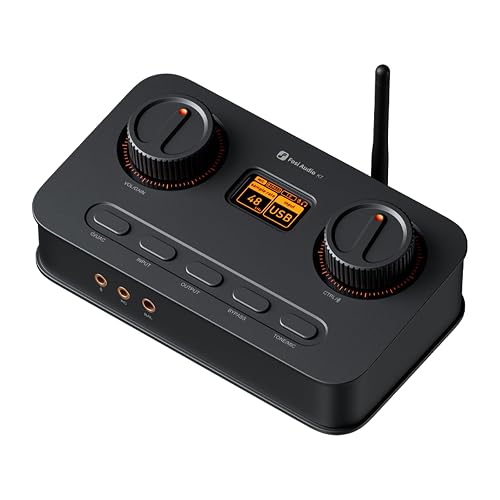
The K7 is tuned for a desk that mixes gaming, music, and chat without making you juggle separate boxes. With USB-C, Bluetooth aptX HD and aptX Low Latency, optical, coaxial, and mic input support, it covers a lot of common PC and console routes in one place.
The 2100mW output rating gives it more room than the lighter Fosi Audio ZH3 or AIYIMA DAC-A2 for demanding headphones, and that matters when you want volume to stay composed. The catch is that all that versatility makes it more feature-dense than the FiiO K11 models, so it suits people who actually plan to use the extra options.
Positives
- Strong output helps with tougher headphones.
- Bluetooth support adds easy wireless use for casual listening.
- Mic input makes it friendlier for gaming and voice chat.
- Balanced 4.4mm, 3.5mm, and RCA outputs keep setup flexible.
- It works well as the central box on a mixed PC desk.
Honest Caveats
- Its many input paths can feel like more than you need for a basic music-only desk.
- Bluetooth convenience is useful, but wired listening still suits critical sessions better.
- Busy gaming desks may need a little cable management to keep the back panel tidy.
Core Details
Right Fit For
You’ll get the most from this one if your desk does double duty for gaming and music, and you want one unit that can handle both without much compromise.
Reach For A Different Pick When
FiiO K7 makes more sense if you care less about Bluetooth and mic input and more about a cleaner, more traditional headphone chain.
How To Choose The Right Desktop Dac Amps
Match The Output To Your Headphones
The first thing to weigh is drive strength, because some headphones need more current than a tiny dongle can comfortably supply. Balanced outputs such as 4.4mm can help on compatible gear, but the bigger question is whether the amp has enough headroom for the headphones you already own. Full-size over-ears for home listening usually benefit more from the FiiO K7 or Fosi Audio K7 than from simpler units.
Pick Inputs That Fit Your Desk
USB is the easy path for a PC, while optical and coaxial are useful for TVs, consoles, and older source gear. A unit with RCA or XLR outputs also gives you more room to feed speakers or a separate amplifier, which is where the Fosi Audio ZH3 starts to make sense. A simple desk with one computer and one headset can stay lean; a mixed-media desk needs a more flexible back panel.
Decide How Much Control You Want
Bass and treble knobs are handy for casual listening, but they are not the same thing as a more layered signal path. Some shoppers want a simple volume box that just gets out of the way, while others prefer a preamp-style unit that can shape a fuller system. The AIYIMA DAC-A2 fits the first group, and the ZH3 fits the second.
Choose The Build Style For Your Space
Size, finish, and front-panel layout matter more than they sound on paper. A compact black unit tends to disappear beside a monitor, while a silver finish can match lighter gear and keep the desk looking calm. That little bit of visual harmony matters on a workstation you use every day, because a tidy setup feels easier to live with.
Things Worth Knowing First
Mistakes Worth Dodging
One common misstep is buying for output numbers alone and forgetting about inputs. Another is choosing a feature-rich box for a simple desktop, then never using half the back panel. A third is overlooking connector compatibility, which leads to awkward adapters and more clutter than you wanted.
Desk space is easy to underestimate too. A compact unit works better beside a monitor arm and keyboard tray, while a larger amp suits a side shelf or deeper desktop. That’s why the FiiO K11 models feel easier for tighter setups than the bulkier FiiO K7.
Where The Extra Money Goes
Higher-tier models usually spend more on stronger amplification, broader input and output sets, and better internal separation between functions. You also tend to get a more flexible preamp stage, a remote, or a fuller balanced layout. Those extras matter most once your desk stops being “just headphones” and starts acting like a small audio hub.
Spending up makes sense for demanding headphones, speaker routing, or a desk that handles work, gaming, and music in one place. For a simple PC and headset setup, the AIYIMA DAC-A2 often covers the basics without dragging in more complexity than you need.
Closing Thoughts
Your best match depends on how much of your desk depends on sound. The FiiO K7 is the strongest all-around headphone choice here, the K11 models are easier for compact spaces, and the Fosi Audio ZH3 fits more complete systems with speakers in the mix. For a simpler gaming desk, the AIYIMA DAC-A2 still makes good sense. Choose the layout that fits your gear, and the rest gets easier.
