
You want a 1080p screen that fits your desk, your workload, and your daily habits without turning into a compromise you regret later. The models below cover compact office setups, mixed work-and-gaming use, and larger displays for people who keep multiple windows open all day.
Fresh panel types, refresh rates, stand adjustments, and connection options separate these seven picks in meaningful ways. That makes it easier to match the monitor to your space instead of forcing your setup around the monitor.
The Shortlist At A Glance
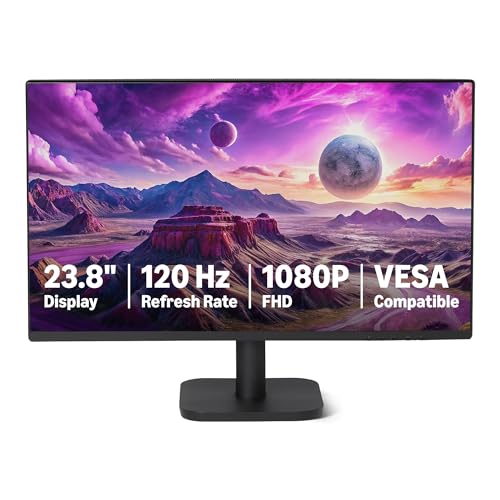
Amazon Basics 23.8-inch 1080P Computer Monitor

Dell 24 Plus Monitor S2425HSM 23.8-inch FHD

Acer KB220Q H2bi 21.5in FHD Office Monitor


Dell 27 Monitor SE2726H 27-inch FHD

Westinghouse 22 Inch Computer Monitor 1080P FHD IPS

Philips 22 Inch Computer Monitor 221V8LB
More Details On Our Top Picks
A 23.8-inch panel lands in the sweet spot for everyday desks, because it gives you enough room for spreadsheets, email, and streaming without crowding a smaller workspace. The 120 Hz refresh rate should feel smoother than a standard office display, and the HDMI, DisplayPort, and VGA inputs make older and newer PCs easier to pair.
The VESA-compatible mount option matters for wall arms and desk clamps, especially in compact home offices where stand depth becomes a nuisance. The trade-off is straightforward, this is built as a practical all-rounder rather than a feature-heavy showpiece, so you should value connection flexibility more than extras.
What We Like
- 23.8-inch size fits most desks without swallowing surface space.
- 120 Hz support gives motion a calmer, smoother feel.
- HDMI, DP, and VGA cover older towers and modern laptops.
- VESA support helps you mount it cleanly on an arm.
- Good fit for work-from-home setups that mix documents and video.
Things To Consider
- It leans practical, so you are not paying for premium panel extras.
- VGA remains useful for legacy gear, but it is hardly the future.
- The basic shape works best on desks where a simple stand is enough.
Feature Snapshot
Who It Suits Best
Home-office users who want a straightforward 1080p monitor with broad connectivity and a sensible footprint fit this model well.
Where A Sibling Pick Shines
Dell 24 Plus Monitor S2425HSM suits you better for mixed work and entertainment, since it adds speakers and a more adjustable stand.
The S2425HSM feels aimed at desks that do more than one job, because the 2 x 3W speakers, 144 Hz refresh rate, and 1 ms response time make it more flexible than the Amazon Basics pick. Height, tilt, pivot, and swivel adjustments also matter in shared spaces, where you may find posture changes and screen sharing happening all day.
AMD FreeSync helps the display line up better with supported graphics hardware, which can reduce visible tearing in fast motion. The honest read is that this monitor makes sense for people who want one screen to cover work calls, casual gaming, and general entertainment without adding separate speakers.
Highlights
- Height, tilt, pivot, and swivel adjustments support better desk ergonomics.
- Built-in speakers reduce clutter for basic office audio.
- 144 Hz and 1 ms suit lighter gaming and quick motion.
- 23.8-inch size keeps it manageable on standard desks.
Points To Note
- Speaker output is practical, not a substitute for dedicated audio gear.
- More moving parts in the stand can mean more setup time.
- Shoppers chasing a minimal desk may prefer the simpler Amazon Basics monitor.
Core Details
Who Will Love This
People who want a single monitor for work, streaming, and light gaming will get the most from this Dell’s mix of speed and adjustability.
Another Choice May Suit
Philips 22 Inch Computer Monitor 221V8LB suits you better for a simpler home office setup where a smaller footprint matters more than extra motion speed.
A 21.5-inch panel is the smallest in this lineup, and that makes the Acer a smart fit for dorm rooms, tight desks, or a second display beside a laptop. The 100 Hz refresh rate, 1 ms response time, and AdaptiveSync support give it more motion polish than many basic office screens, while the sRGB 99% claim points to fairly broad color coverage.
HDMI, VGA, and VESA mount support keep the setup practical, though the compact size means you trade away some workspace compared with the 23.8-inch Dell options. You may also appreciate the bluelight filter and Flickerless Technology for long document sessions, since a small monitor often ends up doing more hours than planned.
Upsides
- Small footprint suits cramped desks and secondary setups.
- 100 Hz adds smoother motion than standard 60 Hz office displays.
- VESA support makes arm mounting easy in tight spaces.
- sRGB 99% coverage helps color look more complete for daily use.
- HDMI and VGA keep it friendly to older gear.
Small Caveats
- The 21.5-inch size can feel tight for side-by-side windows.
- VGA is handy for legacy PCs, but HDMI will be the cleaner path.
- It is the most space-saving choice here, which also limits immersion.
Details At A Glance
Built With In Mind
Students, apartment dwellers, and anyone setting up a smaller work corner will get the best fit from this Acer.
A Better Fit Elsewhere
Westinghouse 22 Inch Computer Monitor works better for you if you want built-in speakers and a slightly more gaming-leaning feature set.
IPS, or in-plane switching, matters most when you sit slightly off-center or share the screen with someone else, because color and contrast stay more consistent across wider angles. That makes the SE2426H a sensible fit for home offices, creative side tasks, and casual gaming on a mixed-use desk, especially alongside the more basic Amazon Basics monitor.
FreeSync support helps keep motion steadier with compatible graphics cards, and the 144 Hz panel gives it a more responsive feel than typical productivity screens. The tilt-only stand is the main compromise, so you may want a monitor arm if your desk setup calls for more posture adjustment.
Bright Spots
- IPS panel keeps image consistency strong from side angles.
- 144 Hz refresh rate suits smoother everyday motion.
- FreeSync support helps with compatible gaming setups.
- 23.8-inch size is roomy without being oversized.
Areas To Watch
- The tilt-only stand gives you less built-in posture adjustment.
- People who want built-in audio will need separate speakers.
- Its strengths lean toward picture quality, not desk flexibility.
Quick Facts
The Right Fit
You benefit most from this Dell if you want a clean 23.8-inch IPS monitor that handles work and casual gaming without feeling fussy.
Swap It Out When
Dell 24 Plus Monitor S2425HSM is the better call for you if built-in speakers and a fully adjustable stand matter more than a simpler layout.
The 27-inch size changes the whole feel of the desk, because text, timelines, and browser windows have more room to breathe. Compared with the 23.8-inch Dell SE2426H, this model is the better fit for people who keep multiple apps open all day and do not want to squint at compact layouts.
IPS panel behavior, FreeSync support, and a 144 Hz refresh rate keep it useful for both work and downtime, though the larger footprint is the trade-off. In a small apartment office, that extra span can feel like a second set of shoulders on the desk, useful but demanding more space than the smaller picks.
Standout Traits
- 27-inch canvas is easier on multitask-heavy setups.
- IPS support keeps visuals steadier from different seating positions.
- 144 Hz suits smoother motion across work and entertainment.
- Good match for dual-window productivity and streaming.
Worth Noting
- The larger size asks for a deeper desk.
- Tilt-only adjustment keeps the stand fairly basic.
- Best suited to spaces where screen width matters more than footprint.
At A Glance
Whose Shelf It Belongs On
Remote workers, casual gamers, and anyone who uses a monitor as the center of a desktop setup will get the most value from this larger Dell.
Reach For A Different Pick When
Amazon Basics 23.8-inch 1080P Computer Monitor fits you better if your desk is smaller and you want a lighter, simpler footprint.
The Westinghouse leans toward a compact gaming-friendly setup, with a frameless IPS panel, 100 Hz refresh rate, and 1 ms response time giving it more energy than a plain office screen. Built-in speakers, HDR support, and gaming mode round out the package, so it works well for a dorm desk or a small room where you want fewer separate accessories.
The main limitation is size, since 22 inches keeps the image tidy but not expansive. That makes it a solid fit for tight spaces, yet people who do spreadsheets side by side all day may prefer the 23.8-inch Dell or Amazon Basics models.
Reasons To Buy
- Frameless design helps the screen feel less boxed in.
- Built-in speakers simplify a compact desk setup.
- 100 Hz and 1 ms support smoother motion.
- Eye care features suit longer work or study sessions.
- HDMI and VGA keep connection options practical.
Room For Improvement
- The 22-inch size is tidy, but it can feel limited for heavy multitasking.
- Built-in speakers are handy, though separate audio gear will still sound fuller.
- It favors small-space use more than expansive desktop layouts.
Core Details
Best Suited To
Students, apartment setups, and casual players who want a compact monitor with speakers will find this Westinghouse easy to place.
Look Elsewhere When
Dell 27 Monitor SE2726H makes more sense if your desk has room and you want a broader workspace for multitasking.
Philips keeps this one grounded in the basics, and that can be exactly what a home office needs. The 22-inch VA panel, 100 Hz refresh rate, 4 ms gray-to-gray response time, and Adaptive Sync support create a sensible balance for document work, streaming, and light play.
Flicker-free behavior, low blue light, tilt adjustment, HDMI 1.4, and VESA support make it comfortable to place and easy to integrate. Compared with the Westinghouse, it feels a little more office-focused and a little less gaming-branded, which suits someone who wants calm, steady use first.
Best Bits
- 22-inch size keeps the monitor neat on small desks.
- VA panel supports solid contrast for everyday viewing.
- 100 Hz refresh rate makes motion smoother than basic 60 Hz models.
- VESA and tilt support help with desk or wall placement.
- Low blue light and flicker-free design suit long sessions.
Softer Spots
- The 22-inch format is compact, so multitasking space stays limited.
- It relies on HDMI 1.4, which is fine for basic setups but not the most flexible connection path.
- People chasing a more gaming-forward feel may lean toward the Westinghouse or Dell 24 Plus.
Feature Rundown
Perfect Match For
You fit this Philips well if you want a dependable small monitor for office work, browsing, and light entertainment.
Where Shoppers Go Wrong
Amazon Basics 23.8-inch 1080P Computer Monitor is the better choice for you if you need more screen room and broader input support.
How To Choose The Right 1080p Computer Monitors
Screen Size And Desk Fit
Screen size shapes daily comfort more than many people expect. A 21.5-inch panel fits tight corners and secondary roles, while 23.8 inches gives you a more relaxed workspace for email, browser tabs, and documents. A 27-inch model spreads everything out further, which helps with multitasking but asks for more desk depth.
That trade-off matters in real rooms, not spec sheets. Small apartments, dorm desks, and laptop sidecar setups usually favor compact panels, while a larger desk can support a wider display without crowding your keyboard tray or speakers.
Refresh Rate, Response Time, And Motion
Refresh rate tells you how often the screen updates each second, so 100 Hz or 144 Hz can make scrolling and motion feel steadier than a basic 60 Hz monitor. Response time, often listed in milliseconds, describes how quickly pixels change color, which matters most in fast scenes and quick cursor movement.
For work, 100 Hz already feels pleasant. For casual gaming or fast-paced video, 144 Hz and 1 ms combinations on the Dell models give you more headroom, though you still want compatible hardware to get the full benefit.
Panel Type And Viewing Angles
IPS panels usually keep color and clarity more consistent as you move off-center, which helps on shared desks or multi-person viewing. VA panels often bring stronger contrast, so darker scenes can look deeper in everyday entertainment.
Neither one is universally better. IPS fits mixed work and shared viewing, while VA can suit a quieter office setup where strong contrast matters more than wide-angle color stability.
Ports, Stands, And Long-Term Fit
Connection choice affects how easily you plug into older towers, laptops, or docking stations. HDMI covers most modern gear, DisplayPort adds flexibility for more capable desktops, and VGA still helps when an older office PC needs a simple hookup.
Stand adjustment also matters. Tilt only works for simple desks, while height, pivot, and swivel are worth paying attention to in shared offices or any setup where posture changes during the day.
Things Worth Knowing First
Wrong Turns To Avoid
Many shoppers focus on refresh rate and forget the stand, which becomes annoying fast on a shallow desk. Another common miss is buying a large panel for a cramped room, then discovering the keyboard and monitor are fighting for space.
Connection mismatch causes trouble too. A monitor with the wrong input mix can leave you reaching for adapters, and that extra clutter undercuts the clean setup you wanted.
The Upgrade Payoff
Higher-tier models usually cost more because they combine better stands, faster panels, stronger connectivity, and more polished color handling. Those differences show up most clearly in shared workspaces, gaming-friendly desks, and setups where the monitor stays on for long stretches each day.
Spending up makes sense once your screen becomes the center of your desk. A more adjustable stand, larger panel, or IPS layer can be worth it when your monitor does real daily duty instead of serving as a spare.
Frequently Asked Questions
What screen size works best for a small desk?
For a small desk, 21.5 to 23.8 inches usually lands well. That range gives you usable screen space without forcing the monitor too close to your keyboard.
Is 144 Hz useful for office work?
Yes, smoother scrolling and cursor movement are noticeable in daily use. The benefit is subtle compared with gaming, but it still helps the screen feel less rigid.
Do IPS and VA panels look very different?
IPS panels usually keep color steadier from the side, while VA panels often bring deeper contrast. Your desk position and viewing style decide which matters more.
Is VESA support worth paying attention to?
Yes, especially for shallow desks or arm mounts. It gives you more placement options and can free up space around the monitor base.
Which connection should you prefer?
HDMI is the simplest choice for most current laptops and desktops. DisplayPort is useful for more capable PCs, while VGA mainly serves older machines.
Final Verdict
You get the cleanest fit by matching the monitor to the desk, not chasing the longest feature list. The Amazon Basics and Philips models cover simple everyday use well, the Dell options add more polish for mixed work and play, and the Westinghouse makes the strongest case for a compact gaming-friendly setup. For most homes, that balance matters more than chasing extras that sit unused. Pick the panel size, stand style, and inputs that suit your room, and the right 1080p monitor becomes easy to live with.
