
You want a screen that can keep up with fast games, long work sessions, and everyday media without looking washed out or feeling sluggish. The seven picks below cover that ground in different ways, from compact 27-inch panels to larger curved options, so you can match size, motion handling, and desk space to your setup. Dell leans clean and practical, Samsung pushes into more gaming-focused territory, and ASUS and Z-Edge round out the field with sharper motion and broader feature sets.
Quick Look At Our Shortlist

Dell 27 Monitor S2725QS, 4K UHD IPS, 120Hz

Dell 27 Monitor S2725QC, 4K UHD IPS, 120Hz

Dell 32 Monitor S3225QS, 4K UHD VA, 120Hz

Samsung 27″ Odyssey G5 (G51F) Series QHD Gaming Monitor (LS27FG512ENXZA)
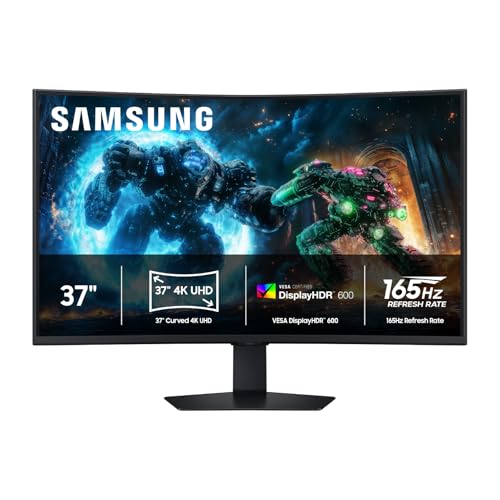
Samsung 37” Odyssey G7 (G75F) Series 4K UHD Curved Gaming Monitor

ASUS TUF Gaming 27” 4K HDR Monitor (VG27UQ1A)

Z-Edge 27-inch 4K Gaming Monitor, 120Hz UHD (S274K)
More Details On Our Top Picks
This 27-inch Dell keeps the formula straightforward, with IPS, or in-plane switching, for broad viewing angles and a 4K panel that stays crisp on text-heavy desks. The stand’s height, swivel, and pivot adjustment make it easier to dial in posture during long workdays, and the anti-glare finish helps in bright rooms.
The 120Hz refresh rate suits everyday gaming far better than a basic office screen, while FreeSync Premium helps smooth variable frame output on compatible systems. You may find the 350 cd/m2 brightness and 99% sRGB coverage more than enough for mixed work and entertainment, though the 5ms response time keeps it a touch more practical than esports-first gear.
Strong Points
- 4K resolution gives you sharp text and clean detail for spreadsheets, browsers, and creative tasks.
- IPS panel behavior keeps colors and angles steady across a shared desk.
- Height, swivel, and pivot support make it easier to fit into a proper ergonomic setup.
- 120Hz refresh adds noticeably smoother motion than standard office screens.
Things To Consider
- The 5ms response time is fine for general use, but fast competitive play will want quicker panels.
- 27 inches can feel compact for split-screen work compared with the 32-inch Dell below.
- The broader feature set is practical, not flashy, so display specialists may want more color depth detail.
Feature Snapshot
Who It Suits Best
Home-office users who also play at night get the most from this model, especially when desk space is limited and screen clarity matters more than dramatic extras.
Where A Sibling Pick Shines
Dell 27 Monitor S2725QC suits laptop-focused setups better, since its USB-C input streamlines one-cable docking.
Where the first Dell leans on stand flexibility, this one leans harder into desk simplicity. USB-C makes it a neat fit for a laptop, and the 163 PPI, or pixels per inch, figure points to a very dense image that helps text and UI elements stay clean.
That extra connectivity appeal matters most for hybrid setups, especially on a small work surface where one cable can tidy the whole layout. The trade-off is that the 4ms response is a bit less oriented to twitch gaming than the fastest options later in this list, though it still sits comfortably in the mixed-use lane.
What We Like
- USB-C support makes dock-style laptop use much easier.
- 163 PPI delivers a dense, sharp image that suits text and icons.
- IPS and 99% sRGB help keep the picture even and well balanced.
- FreeSync Premium can reduce visible tearing on compatible systems.
- Anti-glare treatment helps in rooms with windows or overhead light.
Minor Gripes
- The 4ms response time is fine, though not aimed at hardcore competitive play.
- 27 inches may feel modest for split windows once your workload gets wide.
- USB-C convenience is great, but port planning still matters for accessories.
Details At A Glance
Built With In Mind
Professionals who live on a laptop and want a cleaner desk layout will get the most out of this model, especially in apartments or compact office corners.
Swap It Out When
Dell 32 Monitor S3225QS works better for people who want a larger panel for side-by-side windows and a more lounge-like viewing distance.
The larger 31.5-inch VA panel changes the feel of the whole category, and that matters the moment you start juggling timelines, sidebars, and a second window. VA, or vertical alignment, usually puts more emphasis on contrast than IPS, so dark scenes and media can look deeper on a desk that isn’t flooded with light.
Compared with the two 27-inch Dell options, this one gives you more breathing room without stepping into the ultrawide lane. The honest read is that it suits home offices and mixed entertainment setups better than twitch-first gaming rooms, though the 120Hz refresh still keeps movement clean.
Highlights
- 31.5-inch size gives you more room for multitasking and media.
- 3000:1 contrast can help darker images look richer and more layered.
- 120Hz refresh keeps scrolling and motion smoother than basic panels.
- Eye Comfort features make longer sessions easier on the mood of the workspace.
- 99% sRGB supports standard color work and everyday content use.
Areas To Watch
- The larger footprint needs a deeper desk than the 27-inch Dell models.
- VA panels can feel less angle-friendly than IPS for off-center seats.
- The 4ms response time is solid, but not aimed at esports-level speed seekers.
Core Details
Whose Shelf It Belongs On
People who split time between work documents and evening streaming will appreciate the larger canvas, especially if they want less zooming and fewer window switches.
Another Choice May Suit
Dell 27 Monitor S2725QS is the tighter fit for smaller desks or for anyone who wants height and pivot control in a more compact footprint.
This Samsung moves away from 4K and into QHD, or 1440p, which often makes sense for faster play because it eases the load on the graphics card. The 180Hz refresh rate and 1ms response time are the real story here, and the height-adjustable stand keeps the setup practical for a gaming desk.
Black Equalizer, Virtual Aim Point, and Auto Source Switch+ give it a distinctly game-first character, and the HDR10 support adds a bit more range to supported content. For most mixed-use desks, though, you’ll be trading away 4K sharpness for speed, so this one makes more sense when frame pacing matters more than ultra-fine detail.
Positives
- 180Hz refresh is well suited to fast competitive motion.
- 1ms response time helps keep blur in check during quick movement.
- QHD resolution often pairs more easily with midrange gaming hardware.
- Height adjustment makes it easier to tune monitor position for long sessions.
- Black Equalizer and Virtual Aim Point give the screen a very game-focused toolset.
Points To Note
- It is not a 4K panel, so desktop sharpness sits below the other picks here.
- The feature mix is aimed at gaming first, not office polish.
- Auto Source Switch+ is handy, though it matters most in multi-device setups.
Quick Facts
Made For
Competitive gaming setups and console-plus-PC desks fit this Samsung best, especially where speed and responsive feel matter more than 4K detail.
Reach For A Different Pick When
Dell 27 Monitor S2725QS makes more sense for work-first desks that still want 120Hz motion and sharper 4K text.
The 37-inch curved layout changes the way 4K feels on a desk, almost like the panel is pulling the image toward your field of view without needing a huge ultrawide footprint. That curve matters most in a larger room or on a deep desk, where the extra size can be used comfortably instead of feeling overwhelming.
Samsung pairs that size with 165Hz, 1ms response time, VESA DisplayHDR 600, and FreeSync Premium Pro, so the spec sheet is aimed squarely at high-end gaming and immersive content. The trade-off is obvious, though: this is a larger, more involved setup that suits serious desk space better than small rooms.
Best Bits
- 37-inch curved format gives you a very immersive desktop view.
- 165Hz refresh and 1ms response support fast motion well.
- DisplayHDR 600 suggests stronger peak contrast for supported content.
- FreeSync Premium Pro helps the monitor match compatible frame output.
Small Caveats
- The size needs space, so compact desks will feel crowded.
- Curved large-format panels take more planning for mounting and placement.
- It feels geared to immersion first, so office minimalists may be paying for more than they need.
Core Details
The Right Fit
Serious gaming desks with enough depth for a larger curved panel are the natural home for this Samsung, especially for people who want a cinematic feel at the monitor.
Look Elsewhere When
Dell 32 Monitor S3225QS is the calmer choice for a simpler daily workstation that still wants 4K and 120Hz without the size commitment.
ASUS takes a more aggressive gaming angle than the Dell displays, and the mix of 160Hz, 1ms, and Extreme Low Motion Blur Sync tells you exactly where the emphasis sits. That blur-reduction mode matters in fast motion because it aims to keep moving objects looking tighter, though the trade-off is that not every user will want to run that feature all the time.
G-SYNC compatibility and FreeSync Premium widen the compatibility story, while 95% DCI-P3 gives the panel a broader color space than plain sRGB-focused models. For you, that means a stronger fit for fast gaming and richer-looking content, but it also means the setup leans more toward enthusiasts than office minimalists.
Reasons To Buy
- 160Hz refresh rate keeps fast motion very fluid.
- 1ms response supports sharp movement in action-heavy games.
- Extreme Low Motion Blur Sync gives you another tool for cleaner motion.
- 95% DCI-P3 expands the color range beyond basic office tuning.
- DisplayWidget can make on-screen adjustments easier from the desktop.
Worth Noting
- The gaming focus leaves less room for buyers who want a simple work monitor.
- Blur-reduction features can involve a trade-off in brightness or picture preference.
- The three-year warranty note is useful, but setup still rewards some menu tuning.
Feature Rundown
Perfect Match For
Enthusiast gaming setups and people who care about tuning the image as much as the motion will feel right at home with this ASUS.
Where A Sibling Pick Shines
Dell 27 Monitor S2725QS makes more sense for a mixed office-and-play desk that values ergonomic stand adjustments over gaming extras.
Z-Edge keeps the pitch practical, with 27-inch 4K, 120Hz, and a pair of HDMI 2.0 and DisplayPort 1.4 connections giving it a broad hookup story for work and gaming. The 1ms MPRT figure, or motion picture response time, points to a motion-focused design, though like most value-leaning models, its real appeal comes from the feature mix rather than a lavish finish.
The 16.7 million color claim and multi-input layout make it a sensible desk option for a laptop, console, or desktop tower. One thing worth considering is that the source data emphasizes the basics more than comfort extras, so this fits best where you want straightforward 4K gaming support without paying for a complicated panel.
Best Bits
- 4K at 120Hz gives you a strong mix of clarity and smoothness.
- Two HDMI 2.0 ports and two DisplayPort 1.4 ports add useful flexibility.
- 1ms MPRT points to a motion-friendly design for games and video.
- 27-inch size keeps the footprint manageable on standard desks.
Room For Improvement
- The feature list is more basic than the Dell and ASUS options.
- Comfort and stand details are not part of the source data, so setup may feel simpler.
- It suits practical use more than premium desk aesthetics.
Feature Card
Who Should Grab It
Practical shoppers who want 4K, 120Hz, and plenty of ports on a straightforward 27-inch monitor will find this Z-Edge easy to place on a mixed-use desk.
Skip It When
Dell 27 Monitor S2725QC is the better route for a more polished laptop workstation with USB-C and a cleaner single-cable setup.
How To Choose The Right 4k 120hz Monitors
Start With Screen Size And Desk Depth
27-inch panels fit most desks without crowding keyboards, speakers, or a notebook stand. A 32-inch or 37-inch display gives you more room for split windows and media, but it asks for extra depth so the image doesn’t feel uncomfortably close.
The Dell 27 models suit compact workspaces, while the Dell 32 and Samsung 37 make more sense on deeper desks. In a small apartment office, that size difference matters more than the spec sheet might suggest.
Match Refresh Rate To Your Use Pattern
120Hz already feels smooth for general use, scrolling, and casual gaming. Higher numbers such as 160Hz, 165Hz, or 180Hz matter most when you want faster frame feel in action-heavy play.
The Samsung 27-inch G5 and ASUS TUF pull ahead for speed, while the Dell 27 pair stay more balanced. For everyday work with some gaming at night, 120Hz is usually enough.
Choose Panel Type For The Picture You Want
IPS panels usually deliver wider viewing angles and steady color, which helps on shared desks and in bright rooms. VA panels usually emphasize stronger contrast, so darker scenes can look deeper and more cinematic.
Dell’s IPS models suit mixed work better, while the Dell 32 VA and Samsung G7 curved panel lean more toward immersive media. That difference becomes obvious the moment you move from spreadsheets to a movie or a darker game.
Do Not Treat Ports As A Side Note
USB-C can simplify a laptop setup because one connection often handles video and desk organization more cleanly. HDMI and DisplayPort still matter for consoles, desktop towers, and multi-device desks, especially when you swap sources often.
Z-Edge stands out for port count, and the Dell S2725QC is the neatest laptop-first option here. Port planning is the quiet detail that saves you annoyance later.
Things Worth Knowing First
Hidden Buying Traps
Do not assume every 4K monitor is equally strong for games. Some lean into text clarity and stand comfort, while others trade those touches for faster response and gaming tools.
Pay attention to panel type, stand adjustment, and the connection mix before you focus on refresh rate alone. A fast screen can still feel awkward on a cramped desk.
The Upgrade Payoff
Higher-tier models usually cost more because they add larger panels, broader color coverage, stronger HDR support, faster motion handling, or more flexible stands. Those extras matter most when the monitor is the center of your desk, not just another peripheral.
That’s why the Samsung 37-inch G7 and ASUS TUF feel like step-up choices, while the Dell 27s and Z-Edge keep things more grounded. Extra spend makes sense when you sit in front of the screen all day or care about more than basic image quality.
Frequently Asked Questions
Are 4k 120hz Monitors Good For Work And Gaming?
Yes, they suit mixed-use setups well because 4K sharpness helps with text and 120Hz keeps motion smooth. The balance works especially well for home offices that double as game stations.
Is USB-C Worth Prioritizing?
USB-C is worth it for laptop desks because it can reduce cable clutter and simplify docking. Desktop-only setups can live comfortably without it.
Do You Need More Than 27 Inches?
Not always, because 27 inches fits most desks and stays easy to place. Larger screens help when you want more room for side-by-side windows or a more immersive view.
Should You Choose IPS Or VA?
IPS usually suits mixed work and shared viewing better because angles and color stay steady. VA usually appeals more when contrast and darker scenes matter.
Does Higher Refresh Rate Always Matter?
No, because 120Hz already feels smooth for most daily use. Higher refresh numbers mainly help fast-paced gaming and competitive motion.
Closing Thoughts
The right 4k 120hz monitor depends less on hype and more on how you sit, work, and play. Dell gives you the cleanest everyday balance, Samsung pushes harder into gaming and immersion, and ASUS adds enthusiast motion features. Z-Edge brings a practical port mix, which matters more than people expect. Pick the size and panel type that fit your desk, and the rest of the decision gets much easier.
