
You need a display that shows fine tone shifts, clean shadow detail, and dependable color before you start retouching portraits or sorting a shoot. The seven picks below cover compact 27-inch options, larger 32-inch canvases, and Mac-friendly models with USB-C power delivery, so you can match the screen to your desk and workflow.
Some lean toward color-critical work, others favor size, ergonomics, or a stronger all-around mix. That spread matters more than flashy specs, because photo editing usually rewards consistency over spectacle.
Quick Look At The Shortlist
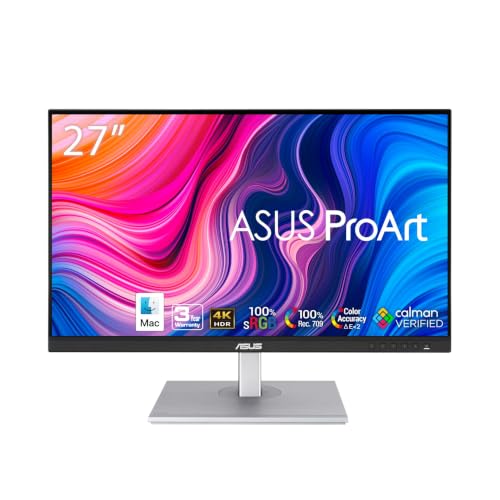
ASUS ROG XG27UCG 27 Inch 4K USB-C Monitor

ASUS ProArt PA279CRV 27 Inch 4K UHD USB-C Monitor

Dell 32 Monitor S3225QS 4K UHD VA

ViewSonic VP3256-4K 32 Inch 4K ColorPro Monitor

LG 27UP650K-W 27-inch Ultrafine 4K UHD Monitor

BenQ MA270U 27” 4K 3840×2160 Monitor for MacBook Pro/Air
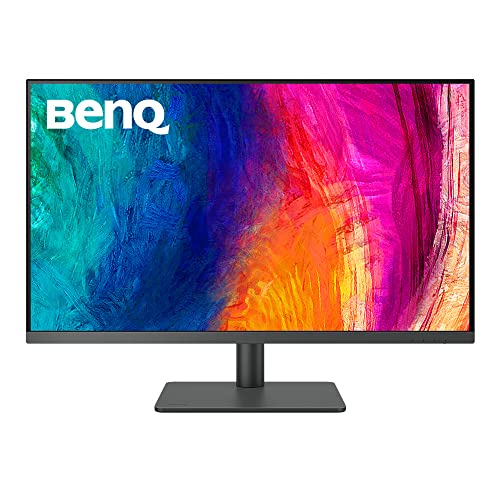
BenQ PD3205U Mac-Ready Monitor 32′ 4K UHD
More Details On Our Top Picks
This ASUS leans harder into speed than the pure editing crowd usually needs, yet the 4K panel, USB-C input, and 99% DCI-P3 gamut still keep it relevant for mixed creative desks. The dual-mode setup also gives you a fast FHD option for gaming, which makes sense for a workstation that does double duty after hours.
The trade-off is straightforward, color work is only one part of its identity, so photo editors who want a calmer, more studio-first screen may prefer the ProArt or BenQ options below. Still, for a compact desk where you want one monitor to handle editing, playback, and casual gaming, it’s a very practical fit.
Strong Points
- 4K resolution keeps fine retouching detail easy to judge.
- USB-C simplifies laptop connections on a crowded desk.
- 99% DCI-P3 coverage helps with broad creative color work.
- Fast IPS panel suits motion-heavy use after editing hours.
Things To Consider
- Gaming-first tuning makes it less studio-focused than ProArt or PD-series picks.
- 27 inches can feel tight beside the 32-inch models in this list.
- Dual-mode features add value, though not every photo editor will use them.
Feature Snapshot
Who Will Love This
Hybrid creators who edit photos and also play fast-paced games after work will get the most from this screen.
Where A Sibling Pick Shines
The ASUS ProArt PA279CRV makes more sense for color-first editing desks that want a quieter, more purpose-built profile.
The ProArt line usually speaks to editors first, and this 27-inch model keeps that tone with Calman Verified calibration, Delta E under 2, and wide Adobe RGB and DCI-P3 coverage. That combination matters in a home studio or small agency desk, because you want fewer surprises between what you edit and what lands on a printed proof or client screen.
USB-C with 96W power delivery also makes it easier to run a laptop from a single connection, while the daisy-chain feature helps in multi-monitor setups. The honest read is that this is a work monitor before it is anything else, so it suits you best when color reliability matters more than flashy motion features.
What We Like
- Factory calibration and Delta E under 2 support careful color work.
- 99% Adobe RGB and 99% DCI-P3 give you broad creative coverage.
- 96W USB-C power delivery can tidy up a laptop-based desk.
- Daisy-chain support helps build a cleaner multi-display setup.
- Height adjustment makes long retouching sessions easier to set up.
Softer Spots
- 27 inches gives you less canvas than the 32-inch alternatives here.
- Studio tuning leaves little room for gaming-focused extras.
- Daisy-chain workflows need compatible gear to matter in daily use.
Core Details
Built With In Mind
You fit this monitor best when your desk is built around color-sensitive work and a laptop connection.
Look Elsewhere When
The Dell S3225QS suits editors who want a larger 31.5-inch canvas and a little more breathing room for timelines and palettes.
Size changes the feel of editing more than many people expect, and this 31.5-inch Dell gives you that larger workspace without jumping into ultrawide territory. The VA panel, with its 3000:1 contrast ratio, should help shadow separation feel firmer than on many basic IPS choices, which is useful when you’re judging darker scenes or evening portraits.
It also brings 120Hz refresh, FreeSync Premium, and anti-glare treatment, so the display has enough flexibility for mixed-use desks. The trade-off is that VA panels can feel less uniform off-axis than ProArt-style IPS options, so color purists may still prefer the ASUS or BenQ picks higher up.
Highlights
- 31.5-inch size gives you extra room for tools and images.
- 3000:1 contrast supports strong dark-tone separation.
- 120Hz refresh keeps motion smooth during general computer use.
- Anti-glare finish helps in bright offices or windowed rooms.
Minor Gripes
- VA panel behavior may not please every color-critical workflow.
- Large size asks for a deeper desk to feel comfortable.
- Creative extras are lighter than on the ProArt and BenQ models.
Details At A Glance
Right Fit For
You get the most from this monitor in a spacious home office where screen real estate matters as much as color work.
Another Choice May Suit
The LG 27UP650K-W is a tidier fit for smaller desks and users who want a simpler 27-inch layout.
The ViewSonic VP3256-4K leans into color-managed work with an IPS panel, 100% sRGB coverage, and Pantone validation, which makes it appealing for photographers who want a dependable screen for web-facing output. Compared with the Dell above, it gives up refresh-rate emphasis and puts more weight on presentation accuracy and ergonomic adjustment.
That mix suits long editing sessions where neck position, desk height, and color consistency matter together. The 60W USB-C port is handy for laptop users, though power-hungry notebooks may still need their own charger beside it.
Upsides
- IPS panel keeps viewing stable across typical desk angles.
- 100% sRGB matches common online and client-delivery workflows.
- Pantone validation adds confidence for color-sensitive use.
- Advanced ergonomics help with height and angle adjustments.
- USB-C, HDMI, and DisplayPort cover mixed device setups.
Points To Note
- 60W USB-C fits many laptops, though not every power-hungry model.
- Its professional focus leaves gaming extras off the table.
- The 32-inch footprint needs enough desk depth to sit naturally.
Feature Card
The Right Fit
You’ll appreciate this most in a studio or home office where ergonomics and color management sit near the top of the list.
Skip It When
The ASUS ROG XG27UCG makes more sense for a desk that also needs faster motion handling and gaming flexibility.
The LG 27UP650K-W keeps things clean and practical, which is exactly why it belongs in a shortlist like this. A 27-inch IPS panel, 4K resolution, and a tilt-height-pivot stand give you the basics in a shape that fits smaller desks or mixed-use rooms without feeling bulky.
Reader Mode and Flicker Safe are welcome for long sessions, especially in setups where you bounce between editing, email, and general office work. The honest trade-off is that it lacks the deeper creator-tool set of the ProArt and BenQ choices, so it feels more like a solid general-purpose monitor with photo-friendly traits than a specialized studio display.
Best Bits
- 27-inch footprint suits compact workspaces well.
- IPS panel gives you dependable day-to-day viewing angles.
- Reader Mode helps reduce visual fatigue during routine desktop use.
- Height, tilt, and pivot adjustment make setup flexible.
- DisplayHDR 400 adds a little more pop to supported content.
Areas To Watch
- It is less specialized than the higher-end creator models here.
- 60Hz and 5ms response are fine for editing, not motion-heavy work.
- The white finish may need more frequent dusting on open desks.
Core Details
Whose Shelf It Belongs On
You fit this monitor best when you want a simple 27-inch screen that handles editing without crowding the room.
Reach For A Different Pick When
The ViewSonic VP3256-4K is the stronger choice for creators who want more color-focused calibration cues and a larger 32-inch canvas.
This BenQ is shaped around MacBook desks, and that focus shows in the dual USB-C ports, 90W power delivery, and Mac color-match tools. For photographers working from a MacBook Pro or Air, that setup can keep the cable situation calm while still giving you a 4K panel with a P3 gamut.
Brightness and volume control from Mac is a small but useful convenience, especially in a laptop-centered studio where you want fewer separate controls on the desk. The compromise is narrow specialization, because the strongest appeal here depends on your Mac workflow more than on broad platform flexibility.
Bright Spots
- Dual USB-C inputs make Mac connections easy to manage.
- 90W power delivery suits many MacBook setups.
- Mac color-match tools help streamline a laptop-centered workflow.
- USB hub support reduces accessory clutter.
- Height and tilt adjustment make desk positioning easier.
Room For Improvement
- Mac-first tuning makes it less universal than some other picks.
- 27 inches may feel modest beside the larger 32-inch models.
- The strongest value shows up most clearly in Apple-heavy setups.
Feature Rundown
Made For
You get the best fit here when your photo work lives on a MacBook Pro or Air and you want a cleaner desk.
Swap It Out When
The ASUS ProArt PA279CRV is the better match for platform-neutral editing desks that lean harder into calibration and broad color coverage.
The PD3205U reads like a studio tool first, with 99% Rec.709 and sRGB coverage, IPS panel behavior, and Delta E at or under 3. That makes it a very logical fit for Mac-based photo editing desks where you care about predictable color and want a 32-inch surface that reduces constant panning around the image.
Features like ICC Sync, the calibration report, Uniformity technology, and the HotKey Puck add control that serious desktop workflows can actually use. The trade-off is clear enough, this is not the most flexible general-use screen here, but it is one of the more focused choices for users who want a large, orderly creative workspace.
What We Like
- 32-inch screen gives you generous space for editing tools.
- Rec.709 and sRGB coverage support web and video-adjacent work.
- Delta E at or under 3 keeps color expectations grounded.
- ICC Sync and the calibration report support repeatable setup.
- USB-C with 90W power delivery simplifies a laptop desk.
Small Caveats
- Its strength is focused, so casual users may not need all the tools.
- 32 inches asks for a desk with enough depth and width.
- The HotKey Puck adds control, though some setups will feel busy with it.
Technical Sheet
Perfect Match For
You’ll appreciate this most in a Mac-based studio that needs a large, orderly display with calibration-minded features.
A Better Fit Elsewhere
The ViewSonic VP3256-4K is the easier recommendation for creators who want stronger ergonomic focus and a simpler web-color setup.
How To Choose The Right 4k Displays For Photo Editing
Color Accuracy Comes First
For photo editing, color accuracy matters more than panel hype or refresh-rate bragging. Look for factory calibration, low Delta E figures, and wide color coverage such as sRGB, Adobe RGB, DCI-P3, or Rec.709, because those labels tell you how well the screen can map what you edited to what another device may show.
Calibrated screens help most in portrait work, cataloging, and any job that depends on trustworthy skin tones. A display that looks vivid but drifts warm or cool can slow you down later, especially when you move from JPEG culling to final retouching.
Screen Size Changes Workflow
Twenty-seven inches suits compact desks and closer viewing distances, while 32 inches gives you more room for toolbars, timelines, and side-by-side comparisons. That extra space feels especially helpful in Lightroom-style layouts, where you may want the image large without sacrificing controls.
The trade-off is desk depth and posture. A bigger screen can feel relaxing in a studio, but it also asks more from your workspace and mounting setup.
Connectivity Should Match Your Laptop
USB-C matters because it can carry video and power through one cable, which keeps a laptop desk cleaner. Higher wattage power delivery is useful for many MacBook and Windows ultrabook setups, though desktop towers usually care more about HDMI and DisplayPort.
Daisy-chain support helps when you run more than one monitor, but only a matching hardware chain makes it worthwhile. A smart setup starts with your computer, then works backward to the port list on the monitor.
Ergonomics Matter More Than You Think
Height adjustment, tilt, pivot, and swivel sound basic until you spend a long afternoon sorting hundreds of frames. A screen that lines up with your eyes reduces neck strain from poor positioning, and pivot can help with vertical portraits or reference documents.
That’s why the practical choice is rarely the most glamorous one. The display you can position properly tends to serve you better than a prettier panel that sits too low or catches window glare.
What To Weigh Before You Commit
Common Shopping Slip Ups
Many people fixate on resolution alone and ignore color coverage, which is the part that affects editing trust more directly. Another common miss is buying a monitor without enough desk depth, then discovering the 32-inch panel sits too close for comfort.
Port selection gets overlooked as well. A 4K monitor for a laptop desk feels far smoother when USB-C, HDMI, or DisplayPort actually match the machine you use every day.
What The Higher Tier Buys
More expensive models usually pay for tighter factory calibration, broader gamut coverage, stronger ergonomics, and better USB-C power delivery. In photo work, that means less second-guessing during color decisions and fewer separate accessories on the desk.
The upgrade makes the most sense for freelance retouchers, studio work, and anyone delivering images to clients or printers on a regular basis. For casual editing, a simpler IPS screen can still be enough, especially on a smaller desk.
Frequently Asked Questions
Is 4K enough for detailed photo editing?
Yes, 4K gives you the fine pixel density that makes retouching cleaner and text easier to read. It also helps keep image edges and interface elements sharper on 27-inch and 32-inch screens.
Do you need Adobe RGB for photo work?
Adobe RGB is valuable for print-oriented work and wider-color creative tasks. Many web-focused editors can still do well with strong sRGB coverage and solid factory calibration.
Is 27 inches or 32 inches better?
27 inches suits tighter desks and a closer working distance. 32 inches helps when you want larger previews and more room for editing tools.
Does USB-C matter for a photo editing monitor?
USB-C matters most for laptop users because it can carry video and power through one cable. It also keeps the desk cleaner than a separate charger and video lead.
What matters more, panel type or color calibration?
Calibration usually matters more for photo editing because it affects how accurately the screen shows color. Panel type still matters for viewing angle, contrast, and how comfortable the display feels in daily use.
Final Thoughts
For photo editing, the right screen usually depends on how much of your day is spent balancing color, desk space, and laptop connections. The ASUS ProArt PA279CRV and BenQ PD3205U stand out for more serious color work, while the Dell, LG, and ViewSonic options make larger or simpler desks easier to live with. If you want one display that does more than a single job, the ASUS ROG XG27UCG and BenQ MA270U add useful flexibility. Pick the shape that fits your workflow, then let calibration and connectivity do the rest.
