
Photo editing asks for more than a crisp panel. You need reliable color, enough screen space to judge detail, and a stand that won’t fight your posture during a long session. The seven monitors below cover different kinds of work, from Mac-friendly setups to larger screens that make layered projects feel less cramped.
Quick Look At Our Top Picks
Quick Look At Our Top Picks
ASUS ROG XG27UCG 27 Inch 4K USB-C G-SYNC Gaming Monitor

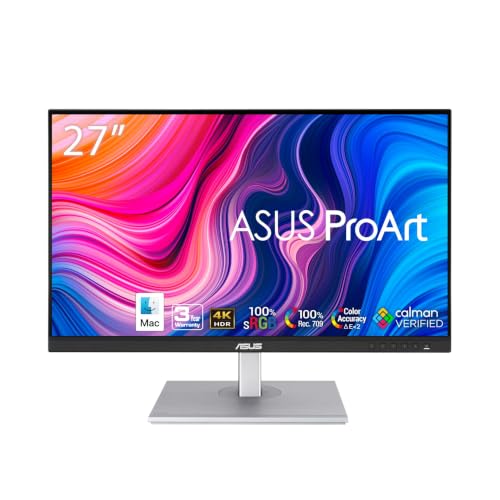
ASUS ProArt PA279CRV 27 Inch 4K UHD USB-C HDR Monitor for Mac

Dell 32 Monitor S3225QS, 4K UHD VA, 120Hz, FreeSync Premium

LG 27US500-W Ultrafine Monitor 27-Inch 4K UHD HDR10 IPS

ViewSonic VP2756-4K 27 Inch 4K ColorPro Monitor

LG 27UP650K-W 27-inch Ultrafine 4K UHD IPS Monitor

BenQ MA270U 27” 4K 3840×2160 Monitor for MacBook Pro/Air
More Details On Our Top Picks
This ASUS ROG model makes sense for you if your editing space also handles games or fast motion. The 27-inch 4K panel gives you dense detail, while the USB-C connection keeps the desk cleaner than a tangle of separate cables.
The dual-mode idea is the interesting part, because it lets you lean into 4K detail or a much quicker FHD setup depending on the job. That flexibility helps on mixed-use desks, though the gaming-forward design may feel like extra baggage for a pure photo-only workstation.
Strong Points
- 4K resolution gives you fine detail for cropping, sharpening, and checking texture.
- USB-C simplifies a laptop setup and reduces cable clutter.
- Dual-mode operation adds speed for motion-heavy work outside editing.
- Fast IPS panel tech helps keep motion cleaner than many basic office screens.
Things To Consider
- The gaming styling is louder than a plain studio monitor.
- Some of its headline value is aimed at mixed use, not color-only editing.
- It can feel like more monitor than you need for a quiet desk.
Feature Snapshot
Who It Suits Best
You get the most from this monitor if you edit photos and also spend time in fast-paced games or general mixed media work.
Where A Sibling Pick Shines
ASUS ProArt PA279CRV is a better fit for color-first editing desks that do not need the gaming extras.
This ProArt screen is aimed straight at color-sensitive work, not casual desk duty. The factory calibration, Delta E under 2 target, and wide gamut support give you a serious starting point for editing portraits, product shots, or branded assets.
The USB-C port with 96W power delivery is a nice fit for laptop users, especially if your MacBook often sits at the center of the desk. Daisy chaining helps a multi-screen setup stay tidy, though the price of that polish is that this monitor is more specialist than a simple everyday display.
What We Like
- Calibrated color out of the box helps shorten setup time.
- 99% DCI-P3 and 99% Adobe RGB support suits color-managed work.
- USB-C with 96W power delivery can handle display and charging from one cable.
- Daisy chain support is useful for dual-monitor editing desks.
- Height adjustment makes it easier to line up with your eyes.
Room For Improvement
- The feature set is tuned for professionals, so casual use may feel overbuilt.
- Daisy chain and USB-C features matter most in a laptop-based workflow.
Core Details
Built With In Mind
You should look at this one first if your desk revolves around a MacBook and your work leans toward editing, grading, or color checks.
Skip It When
ViewSonic VP2756-4K is the easier fit for photographers who want a more straightforward pro-display shape without the extra Mac-first focus.
The Dell S3225QS gives you more breathing room than the 27-inch picks above, and that matters once your editing panels start piling up. A 31.5-inch VA panel with 4K resolution means you can keep images large enough to judge detail without feeling boxed in.
The smooth 120Hz refresh rate is not a must-have for still images, yet it does make scrolling and general desktop movement feel calmer. The trade-off is that VA panels usually lean more toward contrast than pure color-work bragging rights, so color-critical studios may prefer the ProArt or ViewSonic options.
Upsides
- Larger 31.5-inch panel gives you more room for timelines, palettes, and reference shots.
- 4K resolution keeps image detail clear at a generous size.
- 120Hz refresh makes everyday navigation feel smooth.
- 3000:1 contrast helps darker images look more defined.
- Anti-glare coating is handy in bright rooms with windows.
Areas To Watch
- The bigger footprint asks for a wider, deeper desk.
- VA panel strengths lean more toward contrast than specialty color workflows.
- The large screen can feel excessive for tight workspaces.
Details At A Glance
Best Suited To
This is a smart match for you if you want a larger 4K canvas and your desk can handle a wider monitor comfortably.
Another Choice May Suit
LG 27UP650K-W is the cleaner fit for smaller desks where a 27-inch frame feels easier to live with every day.
This LG keeps the formula simple, and that can be a relief on a desk that already has enough going on. The 27-inch 4K IPS panel gives you the crispness you want for editing, while the borderless look makes dual-monitor setups feel less boxy.
Its on-screen control tools are useful for sorting your workspace without hunting through the monitor itself, and the tilt-adjustable stand helps with basic positioning. The honest read is that it’s less ambitious than the ProArt models, but that also makes it easier to live with for everyday photo sorting and light retouching.
Bright Spots
- 27-inch 4K IPS panel is a comfortable size for most desks.
- HDR10 support adds another layer for compatible content.
- On-screen control software can simplify workspace changes.
- Borderless styling helps multi-monitor layouts look cleaner.
Minor Gripes
- It feels more general-purpose than highly specialized.
- Basic stand adjustment may leave some desks wanting more movement.
- White finish needs a bit more wiping if your setup collects dust.
Quick Facts
The Right Fit
You’ll like this most if you want a clean, straightforward 27-inch 4K monitor for everyday photo work without extra complexity.
Look Elsewhere When
ASUS ProArt PA279CRV suits you better if color accuracy and laptop dock-style USB-C matter more than a simple setup.
ViewSonic aims this one at people who care about consistent color more than flashy extras. The 27-inch IPS panel, Pantone validation, and 100% sRGB support make it a sensible match for photo work that needs a dependable visual baseline.
The three-sided frameless design helps in a dual-display setup, and the USB-C input with 60W power delivery keeps a laptop desk manageable. Compared with the BenQ MA270U, it feels less Mac-specific, which is a plus for mixed device households and a small trade-off if you want direct Mac controls.
Reasons To Buy
- 100% sRGB support fits web and general photo editing.
- Pantone validation is useful when you want a trusted color reference.
- USB-C with 60W power delivery helps simplify laptop hookups.
- Frameless edges are helpful for side-by-side monitor layouts.
- Advanced ergonomics make it easier to match your seating position.
Small Caveats
- The 60W USB-C output is modest for larger laptops.
- It is aimed at color work, so motion-focused extras are limited.
Feature Rundown
Whose Shelf It Belongs On
This fits photographers and designers who want a disciplined, color-aware monitor without leaning into gaming or Mac-only branding.
Reach For A Different Pick When
BenQ MA270U is the more natural choice for MacBook users who want keyboard-based brightness and volume control.
This LG lands in the helpful middle ground, where you get enough image quality for photo work without pushing into specialist territory. The 27-inch IPS panel, 4K resolution, and stand that tilts, raises, and pivots give you a practical setup for long desk sessions.
DisplayHDR 400 and reader-oriented modes add flexibility beyond basic office use, which is handy if your monitor doubles for editing, browsing, and everyday viewing. The trade-off is plain: 60Hz and 5ms timing keep it grounded in productivity, not motion-heavy work, but that’s often fine for still-image tasks.
Best Bits
- Tilt, height, and pivot adjustments make positioning easier.
- 4K IPS clarity works well for detail checks and crop decisions.
- DisplayHDR 400 gives compatible content a bit more depth.
- Reader Mode and Flicker Safe suit long sessions at the desk.
Worth Noting
- 60Hz is fine for editing, but not aimed at fast motion.
- White finishes can show dust and fingerprints more easily.
- It is more practical than luxurious in feel.
Spec Overview
Perfect Match For
You should look here if you want an easy, well-equipped 27-inch monitor for editing and daily work at the same desk.
Swap It Out When
Dell S3225QS is the better fit for a larger screen area and a more immersive layout.
BenQ built this one with MacBook users in mind, and that focus shows up in the small things that matter during a long editing session. Dual USB-C ports, 90W power delivery, and keyboard-linked brightness and volume control make it feel more like part of the laptop ecosystem than a separate screen.
The P3 color gamut support is useful for creative work, especially when you want a wide-gamut display that matches the Mac desk style. The only real trade-off is specialization, because the Mac-first setup may feel less universal than the ASUS ProArt or ViewSonic options.
Standout Traits
- Mac color matching helps the screen feel tuned for Apple workflows.
- Dual USB-C ports give you more connection flexibility.
- 90W power delivery supports a tidy single-cable laptop desk.
- Brightness and volume control from the Mac keyboard is genuinely handy.
- Height and tilt adjustment make positioning simple.
Points To Note
- The Mac focus makes it less general-purpose than some rivals.
- Dual USB-C and keyboard controls matter most in a MacBook setup.
- The feature set is tailored, so other devices may not get the same polish.
Feature Card
Who Should Grab It
This fits you best if your editing desk revolves around a MacBook and you want monitor controls that feel integrated, not bolted on.
Where Another Pick Shines
ASUS ProArt PA279CRV is the better match for mixed-platform studios that care more about wide-format color coverage than Mac-specific controls.
How To Choose The Right 4k Monitor Photo Editings
Color Accuracy Comes First
For photo editing, panel type and color coverage matter more than flashy extras. IPS screens usually give you steadier viewing angles, while wide-gamut support such as sRGB, DCI-P3, or Adobe RGB helps a monitor show richer color relationships without the image shifting too much as you move. Factory calibration is worth a close look because it can shorten the setup work before you start editing real projects.
A Delta E figure below 2 is a useful signpost for color-sensitive work, since it points to tighter color deviation. That matters most for product shots, portraits, and brand assets where small shifts in tone can become noticeable. The trade-off is that highly accurate screens often cost more and may skip gaming extras that don’t help your editing flow.
Size And Desk Layout Shape Comfort
A 27-inch screen suits many desks because it gives you room for toolbars without swallowing the whole surface. Bigger panels, such as 31.5-inch options, help when you want side-by-side panels, reference images, and a larger canvas, but they also need more depth and can feel bulky in a small room. You’ll feel that difference most during long retouching sessions, where posture and eye movement start to matter.
Stand adjustment is easy to overlook, yet it changes how comfortable the monitor feels by mid-afternoon. Height, tilt, and pivot support help you align the panel with your chair and keyboard, and that can matter as much as the panel itself. A monitor with only basic tilt still works, but a more adjustable stand is friendlier for daily use.
Connectivity Should Match Your Workspace
USB-C is a strong fit for laptop-based editing because it can carry display input and sometimes charging through a single cable. That keeps a MacBook or Windows laptop desk cleaner and reduces the little setup frustrations that add up over time. HDMI and DisplayPort still matter for desktops, so a monitor with both gives you more room to swap machines without fuss.
Daisy chain support helps multi-monitor desks stay neat, especially in studio-style setups. The catch is that these features matter less if your monitor will stay connected to one desktop tower all year. In that case, you may care more about screen quality and stand comfort than connection extras.
Match The Monitor To Your Editing Style
A pure photo editor usually benefits from strong color coverage, a 4K panel, and a stand that can stay put during long sessions. A mixed-use creative desk may lean toward higher refresh rates or broader feature sets, especially if you also play games or watch video. That’s why the ASUS ROG model sits beside more studio-focused picks here, it serves a different kind of workday.
MacBook users often appreciate monitors with direct Apple-friendly controls and solid USB-C power delivery. Desktop editors may lean instead toward larger screens or more neutral displays that don’t assume one platform. Your best match is the one that fits the way you already work, not the one with the longest feature list.
What To Weigh Before You Click
Common Shopping Slip Ups
A common mistake is focusing only on resolution and ignoring color coverage. A 4K panel can still miss the mark for editing if the gamut is narrow or the calibration is loose, so the image may look sharp but still need more adjustment than you want.
Another trap is buying a screen that outgrows the desk. Large panels are appealing on paper, but a cramped workspace can make them harder to position comfortably and harder to use for long stretches.
The Upgrade Payoff
Higher-tier models usually cost more because they combine better calibration, broader color support, sturdier stands, and cleaner connectivity. Those details matter most when your monitor is part of your income-generating workflow or your files need careful color judgment.
Spending up makes sense when you edit often, use a laptop as your main machine, or run more than one display side by side. For lighter use, a simpler 4K IPS monitor can still feel like a major step forward without stretching the setup budget too far.
Frequently Asked Questions
What matters most in 4k Monitor Photo Editings?
Color accuracy and panel consistency matter most, followed by ergonomic support and enough screen space to work comfortably. A sharp 4K image helps, but it works best when the color output is trustworthy too.
Is 27 inches a good size for editing?
Yes, 27 inches suits many desks because it balances sharp detail with manageable physical size. It leaves enough room for tool panels without taking over the whole work area.
Do you need USB-C for photo editing?
You do not need it, but USB-C makes laptop setups cleaner and easier to manage. It helps most when your monitor doubles as a charging and display hub.
Is a 32-inch monitor better than 27 inches?
A 32-inch screen gives you more visual space, which helps with layered projects and split-screen workflows. A 27-inch model is often easier to place on smaller desks and feels less bulky day to day.
Should you choose 100% sRGB or wider gamut coverage?
For general photo and web use, 100% sRGB is a solid baseline. Wider gamut support becomes more useful when you work in color-managed environments or handle print-focused creative files.
