
Airflow matters most once your parts start working hard, and that’s where a well-ventilated case earns its keep. You’re probably shopping for lower temps, easier cable routing, and enough room for a graphics card, radiator, or a future upgrade without turning the build into a cramped puzzle. The eight cases below lean toward strong intake, sensible fan layouts, and layouts that make sense for gaming rigs, daily workstations, and showcase builds.
Quick Look at the Shortlist

HYXN H2 (2026) ATX PC Case

MONTECH XR Panoramic High Airflow ATX PC Case

DARKROCK EC2 ATX Mid Tower Gaming PC Case

Lian Li V100-ATX Mid-Tower PC Case V100RX

CORSAIR 4000D RS Frame Modular High Airflow Mid-Tower PC Case

CORSAIR 3500X RS ARGB Panoramic Mid-Tower PC Case
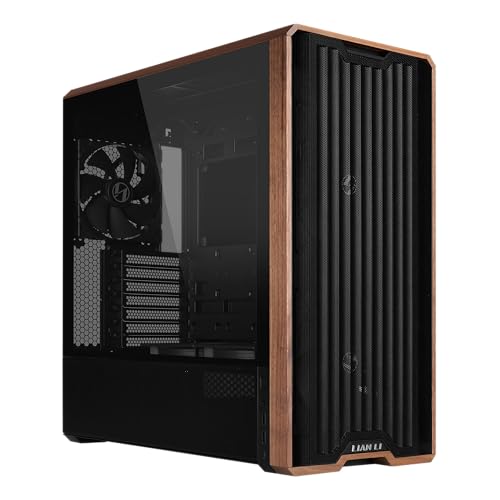
Lian Li LANCOOL 217 ATX Mid-Tower PC Case

Fractal Design Meshify 3 Computer Case
More Details On Our Top Picks
The HYXN H2 (2026) goes straight at builders who want cooling headroom without spending the afternoon adding fans later. A dual-chamber layout separates the main hardware from cable and power supply space, which helps the inside look cleaner and can make cable routing less of a wrestling match in a busy gaming rig.
Eight pre-installed ARGB fans, six 140mm and two 120mm, give this case a very loaded starting point, and the 420mm radiator support opens the door for large liquid-cooling setups. The trade-off is obvious: a case with this much hardware built in will feel more committed to a high-airflow, showy build than to a minimalist desktop. That makes it a strong match for you are planning a power-hungry tower and want the cooling sorted early.
Strong Points
- Eight fans already in place, so you start with serious airflow instead of piecing the build together later.
- Dual-chamber framing helps keep the main window area neater, which matters in tempered-glass showcases.
- 420mm radiator support gives you room for a large cooling loop or a substantial all-in-one unit.
- Type-C 3.2 support on the front I/O suits newer peripherals and faster external storage.
- The mix of 140mm and 120mm fans can move a lot of air while keeping the system feeling more balanced in a long session.
Things To Consider
- Eight installed fans add complexity, so cable management takes a little more patience than on a simpler mid-tower.
- The feature set leans toward larger builds, which can feel like overkill for a modest office machine.
- Cleaning dust around multiple fan mounts will take more routine attention, especially in a room with pets or carpet.
Feature Snapshot
Who It Suits Best
You’re the right fit for a performance-first desktop with lots of lighting, a larger graphics card, and a serious cooling plan.
A Better Fit Elsewhere
Lian Li LANCOOL 217 ATX Mid-Tower PC Case suits you better when you want strong airflow with a more restrained, design-led look.
The MONTECH XR has a panoramic feel that makes the hardware part of the room instead of hiding it behind a plain panel. Dual tempered glass means you’re getting clear side views, so the case fits a showcase desk setup especially well, though it does ask a little more from cable routing because messes are easier to see.
Three ARGB PWM fans, reverse blade fans, magnetic dust filters, and support for up to nine fans make the cooling story more layered than the usual starter tower. That kind of layout suits you if your build runs a big graphics card, a 360mm radiator, or both, while the 420mm GPU support keeps the fit flexible. The honest read is that this looks and feels more presentation-focused than the HYXN H2, but it still keeps airflow at the center.
What We Like
- Panoramic glass gives the build a wide, open look that suits showcase desks.
- Three pre-installed ARGB PWM fans give you a usable cooling starting point.
- Support for up to nine fans leaves room for a more aggressive airflow layout later.
- Magnetic dust filters make regular cleaning less awkward.
- 420mm GPU support helps with long graphics cards in current gaming setups.
Room For Improvement
- Clear panels show cable work and dust more readily, so neat routing matters here.
- The more visual layout may feel less understated than a solid-panel tower.
- More fan options can mean more decisions during the build stage.
Core Details
Built With In Mind
You’ll get the most out of this case in a showcase gaming setup where appearance and cooling both matter.
Where A Sibling Pick Shines
Fractal Design Meshify 3 Computer Case makes more sense for you if you want a cleaner, less reflective exterior and a simpler everyday look.
The DARKROCK EC2 keeps things straightforward, and that’s a strength for a first build or a value-minded gaming tower. A tempered-glass side panel gives you the usual show window, while the Type-C ready front connection helps the case feel current without crowding the front panel with gimmicks.
Support for graphics cards in the 50 Series range, room for up to eight 120mm fans, and 360mm radiator support make this a flexible shell for midrange and upper-midrange parts. The single pre-installed fan means you’ll likely add cooling as the build grows, so it asks for a little more planning than the more fully loaded HYXN or MONTECH options. That trade-off makes sense for you when you’d rather spend on the internal components and build airflow in stages.
Upsides
- Simple ATX mid-tower layout keeps the build process approachable.
- Tempered glass helps the system look finished without adding extra visual clutter.
- Up to eight 120mm fans give you room to scale airflow later.
- 360mm radiator support works for many mainstream cooling setups.
- Type-C readiness is useful for modern accessories and storage devices.
Small Caveats
- Only one fan comes pre-installed, so the cooling setup is not fully built out from day one.
- The more basic starting point means you may spend more time on fan planning.
- Dust cleaning around a glass side panel tends to be more visible than on a solid side.
Details At A Glance
Perfect Match For
You’re best served by this case if you want a plain, adaptable gaming tower and prefer to add cooling pieces at your own pace.
Skip It When
CORSAIR 3500X RS ARGB Panoramic Mid-Tower PC Case suits you better when you want more built-in cooling and a more polished presentation right away.
The Lian Li V100RX is built for the person who likes a case to do more than just hold parts. Four pre-installed 120mm ARGB PWM fans, an LED RGB strip, and a display platform with tempered glass give it a staged, presentation-heavy personality that stands apart from the plainer DARKROCK EC2.
The upside is obvious in a desk setup where the tower sits in view and you want the system to look intentional, not improvised. The trade-off is that this visual emphasis can pull attention away from pure simplicity, and the extra lighting pieces mean more wiring to keep tidy. For a showcase build, though, that’s a fair exchange, especially for you who enjoys tuning the look as much as the airflow.
Bright Spots
- Four pre-installed ARGB PWM fans create a strong starting base for airflow and lighting.
- LED strip lighting adds visual depth without requiring extra accessories.
- The display platform makes the case feel designed for a visible desktop setup.
- Tempered glass helps the interior look more polished once the build is finished.
- The mix of cooling and lighting suits gamers who want style without sacrificing baseline ventilation.
Areas To Watch
- Lighting-heavy designs need more time for cable routing and cleanup.
- The showcase look may feel busier than a plain airflow-first tower.
Feature Card
Whose Shelf It Belongs On
You’ll like this case most when you want a mid-tower that doubles as part of the room’s visual setup.
Another Choice May Suit
Fractal Design Meshify 3 Computer Case fits you better if you want a cleaner exterior with less emphasis on lighting.
The CORSAIR 4000D RS Frame is the most future-minded case in this group, and that comes through in the modular approach. The FRAME system is built so you can swap parts of the case itself, including the motherboard tray and front I/O panel, which is rare enough to matter for anyone who likes changing a build over time instead of replacing the whole shell.
Three RS fans and support for multiple 360mm radiators keep the airflow story credible, while reverse connector motherboard compatibility speaks to clean front-facing cable work on newer boards. The catch is that this level of flexibility makes the case more of a platform than a simple box, so it fits experienced builders or careful planners best. Compared with the more fixed layouts from HYXN and DARKROCK, this one rewards long-term thinking.
Reasons To Buy
- Modular construction lets the case evolve with your setup.
- Front I/O and tray swap options give you room to customize the shell itself.
- Three RS fans provide a useful airflow base out of the box.
- Support for multiple 360mm radiators helps with cooling flexibility.
- Reverse connector motherboard compatibility supports cleaner cable paths on supported boards.
Points To Note
- The modular idea is appealing, but it also asks you to plan more carefully.
- Some of the value here comes from future flexibility, not just the first day setup.
Technical Sheet
Who Should Grab It
You’re a strong match for this case if you like to tinker, upgrade over time, and shape the enclosure around your build path.
Swap It Out When
Lian Li V100-ATX Mid-Tower PC Case V100RX makes more sense when you want a more visual, ready-made setup without the same level of modular planning.
The CORSAIR 3500X RS ARGB sits between a showcase build and a practical gaming tower, which makes it feel easy to place on a wide desk. Its panoramic style gives you a broad view of the hardware, but the case still keeps airflow and interior room in the conversation instead of turning into a glass box with no purpose.
Three pre-installed fans, a spacious interior, GPU anti-sag support, and reverse connection motherboard compatibility all point toward a build that should feel tidy once assembled. The anti-sag feature matters more than many people expect, especially with heavier graphics cards that can lean over time. Compared with the MONTECH XR, this one feels a bit more settled and less theatrical, which is useful for you who wants strong cooling without a very showy shell.
Best Bits
- Panoramic layout gives the system a wide, modern look.
- Three pre-installed fans reduce the extra shopping many builds need.
- Spacious interior helps with routing, fitting, and future upgrades.
- GPU anti-sag support is helpful for heavier cards.
- Reverse connection motherboard support works well with cleaner builds on compatible boards.
Softer Spots
- The glass-forward style asks for regular dusting to keep the build looking tidy.
- Some of the appeal comes from how the whole system is arranged, so planning matters.
Core Details
The Right Fit
This case fits you best when you want a polished gaming tower that still feels practical for daily use.
Look Elsewhere When
HYXN H2 (2026) ATX PC Case is a better fit if you want a heavier cooling load straight from the start.
The Lian Li LANCOOL 217 has a warmer, more furniture-like personality than the rest of the group because of its black walnut wood panels. That detail matters in a home office or living-room setup, since the case feels less like a slab of hardware and more like a designed object that still moves air aggressively.
Five PWM fans, including two 170mm units, two 120mm units, and one 140mm unit, give it a cooling mix that stands out on paper and should suit a larger, quieter-feeling airflow approach in practice. Back-connect readiness and flexible PSU mounting also make it more appealing to tidy builders who care about the rear of the motherboard tray. The trade-off is that the wood-accented design will not suit every setup, but it lands beautifully in a premium desktop build.
Positives
- Black walnut accents give the case a more furniture-like presence.
- Five PWM fans create a strong out-of-box airflow foundation.
- Two 170mm fans can move a lot of air with a calm acoustic profile in many setups.
- Back-connect readiness helps keep cable clutter out of sight on compatible boards.
- Flexible PSU mounting gives you more room to organize the lower chamber.
Points To Note
- The wood styling is distinctive, so it won’t match every desk or room.
- Large fan hardware can take more thought when you’re planning filters and dust upkeep.
Quick Facts
Made For
You’ll appreciate this case most in a premium home setup where airflow, quiet operation, and design all matter together.
Where Shoppers Go Wrong
CORSAIR 4000D RS Frame Modular High Airflow Mid-Tower PC Case is the better fit when you want more modularity than design texture.
The Fractal Design Meshify 3 takes a restrained route, and that’s exactly why it deserves a place here. The black solid finish makes it easy to fit into a work desk or shared room, while the airflow-first design keeps the focus on practicality instead of front-panel drama.
Compared with the glass-heavy MONTECH XR or Lian Li V100RX, this case leans more toward everyday use than visual flair, which helps it stay versatile for office hours and gaming nights alike. You don’t get the same flashy extras, but you do get a clean shell that should suit builders who want a reliable foundation and don’t need the case to steal attention. That calm, no-nonsense feel is the point.
Highlights
- Solid black exterior keeps the look understated.
- Airflow-first design suits systems that run for long sessions.
- The restrained styling fits workspaces that need a cleaner visual profile.
- Simple presentation makes it easy to pair with different component themes.
Honest Caveats
- You won’t get the visual punch of panoramic glass or built-in lighting.
- Shoppers who want a showcase feel may find it too restrained.
Feature Rundown
Right Fit For
You’re a good match for this case if you want a dependable desktop shell with a quieter look and strong ventilation.
Reach For A Different Pick When
Lian Li LANCOOL 217 ATX Mid-Tower PC Case suits you better if you want wood accents and a more premium visual identity.
How To Choose The Right Airflow Computer Cases
Size, Fan Space, and Radiator Room
Case size drives almost everything else. ATX mid-towers like these usually strike the best balance for mainstream gaming builds, but the internal layout still matters because fan mounts, radiator space, and GPU length can change how easily your parts fit together. A roomy shell such as the HYXN H2 or CORSAIR 4000D RS Frame gives you more breathing room, while a simpler tower like the DARKROCK EC2 asks you to plan the cooling path more carefully.
Glass, Solid Panels, and Daily Use
Panel style affects both airflow and upkeep. Tempered glass and panoramic designs look sharp, but they also show dust, cable slack, and hardware choices more clearly, so they reward neat assembly and regular wiping. Solid-panel cases like the Fractal Design Meshify 3 stay quieter in visual terms and suit workspaces where you want the tower to blend in instead of shine.
Pre-Installed Cooling Versus Build-It-Yourself
Pre-installed fans save time and help the case feel complete on day one. A heavily equipped model such as the HYXN H2 or Lian Li LANCOOL 217 reduces the need for extra purchases, while the DARKROCK EC2 leaves more of that work to you. That trade-off matters most for first-time builders, since a case with more included cooling can make the whole build process feel less like assembling a puzzle.
Matching the Case to Your Parts
Your graphics card, motherboard, and cooling plan should decide the final shortlist. Reverse connector support helps with cleaner cable routing on compatible boards, GPU anti-sag support matters with heavier cards, and 360mm or 420mm radiator room opens the door to larger cooling hardware. You’ll be happiest with the case that fits your actual parts, not the one with the longest feature list.
What To Weigh Before You Click
Common Shopping Slip Ups
A lot of people focus on looks first and only think about fit later. That can lead to tight cable paths, awkward radiator placement, or a case that looks great but makes dust cleaning annoying once it’s sitting under a desk for months.
Another common miss is overbuying lighting and underbuying airflow. A showcase tower still needs a sensible fan layout, and a case with plenty of glass but little cooling support can create more headaches than it solves.
The Upgrade Payoff
Higher-end cases usually cost more because of the frame design, fan quality, material choices, and layout flexibility. Modular systems such as the CORSAIR 4000D RS Frame cost more to engineer because they let you change parts of the enclosure itself instead of treating the shell as fixed.
That extra spend makes sense for you when you rebuild often, want cleaner cable paths, or care about long-term expandability. For a basic gaming tower, though, a simpler case with good included fans can be the smarter place to stop.
Frequently Asked Questions
What makes an airflow case different from a standard PC case?
An airflow case uses open intake paths, more fan room, or better venting to move air through the system efficiently. That helps hot parts have an easier time staying in a comfortable range during long gaming or work sessions.
Do more fans always mean better cooling?
Not always, because placement and case design matter just as much as count. A well-planned three-fan setup can work better than a crowded layout with poor airflow direction.
Are glass side panels a problem for cooling?
Glass panels are not automatically a problem, but they can reduce the number of direct openings in some layouts. Cases that still include strong front or bottom intake often stay practical for gaming builds.
What size radiator should you choose?
A 360mm radiator suits many high-end liquid-cooling setups, while 420mm support gives you even more room in select cases. The right choice depends on your cooler and the space inside the case, so matching the case to the rest of your parts matters.
Is a modular case worth the extra cost?
It can be, especially for builders who expect to upgrade over time or rearrange the system later. If you want a simple one-and-done tower, a less flexible case can still be the better value.
Final Thoughts
Your best airflow case is the one that matches your hardware, your desk space, and how much work you want to do during the build. Heavy cooling support, tidy cable routing, and enough room for your graphics card matter more than flashy extras once the machine is running every day. The HYXN H2 and CORSAIR 4000D RS Frame suit ambitious builds, while the Fractal Design Meshify 3 keeps things quiet and straightforward. Choose the case that fits your setup now and leaves room for the upgrade you already know is coming.
