
Ambidextrous gaming mice solve a very specific problem: you want a symmetrical shape, solid control, and a setup that works without favoring one hand. That matters in long sessions, shared desks, and competitive play where comfort starts to feel like part of the build. The eight picks below lean wired, wireless, lightweight, feature-rich, and budget-minded, so you can match the mouse to the way you actually play.
Quick Look At The Shortlist

Razer Viper Ultralight Ambidextrous Wired Gaming Mouse 71g

Logitech G PRO 2 Lightspeed Ambidextrous Wireless Gaming Mouse White

Logitech G PRO 2 Lightspeed Ambidextrous Wireless Gaming Mouse Black

Acer Dual-Mode 2.4GHz Wireless Wired Computer Gaming Mouse
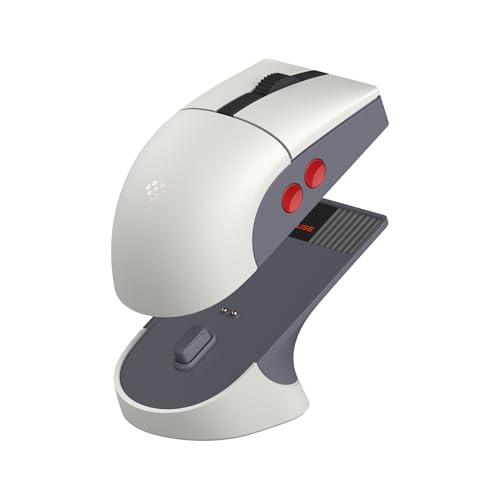
8Bitdo Retro R8 Mouse with Charging Dock N Edition

Lenovo Legion M600 RGB Wireless Gaming Mouse Black

Corsair M75 Wireless RGB Lightweight FPS Gaming Mouse White

Redragon M719 Antonium RGB Gaming Mouse 10,000 DPI
More Details On Our Top Picks
Lightweight wired mice can feel almost weightless in hand, and this Razer keeps that idea focused with a 71g frame, a Speedflex cable, and an ambidextrous shell. That combination makes sense for competitive play, desk space is tight, or your hand prefers less drag during quick flicks.
The 5G optical sensor and second-generation optical switches point it toward fast, repeatable inputs, while the white finish gives it a clean look without turning the mouse into a showpiece. The trade-off is simple, you give up wireless freedom, so it suits a desk setup more than a couch or travel kit.
Strong Points
- 71g weight keeps movements easy to start and stop.
- Speedflex cable is built to reduce tugging at the desk.
- Symmetrical shape works for either hand without awkward hand placement.
- 5G optical sensor gives you a precise base for fast aiming.
Things To Consider
- Wired use keeps cable management part of the setup.
- The light build may feel too minimal for users who prefer a heavier shell.
- White finishes usually ask for a little more care over time.
Feature Snapshot
Who It Suits Best
Competitive players and fingertip grip users get the most from the low weight and wired response.
Where A Sibling Pick Shines
Logitech G PRO 2 Lightspeed Ambidextrous Wireless Gaming Mouse Black suits you better for a cleaner desk and wireless freedom.
This white Logitech keeps the ambidextrous idea clean and practical, with a symmetrical body, USB-C charging, and support for PowerPlay wireless charging. The magnetic side buttons are a smart touch for PC and Mac desks where you want the layout to adapt, not fight your grip.
Compared with the wired Razer above, this one is aimed more at a tidy wireless setup and a little more flexibility in button layout. The trade-off is that wireless mice usually reward a bit more attention to charging habits, so it suits organized desks and regular routines best.
What We Like
- Symmetrical shell keeps the shape friendly for either hand.
- Magnetic side buttons let you tailor the feel without a messy swap.
- USB-C charging fits modern desk habits.
- PowerPlay support helps reduce cable downtime for compatible setups.
Minor Gripes
- Wireless convenience works best for people who stay on top of charging.
- The button count is modest compared with fuller macro-heavy mice.
- White surfaces can show wear sooner in daily use.
At A Glance
Made For
You get the most from this mouse in a PC or Mac setup where symmetrical shape and wireless convenience matter equally.
A Better Fit Elsewhere
Razer Viper Ultralight Ambidextrous Wired Gaming Mouse 71g suits you better if you want less charging to think about and a lighter wired feel.
The black version of Logitech’s PRO 2 keeps the same symmetrical wireless shape, but the tone feels a little more understated than the white model. You also get the HERO 2 sensor, which is the kind of spec that matters to competitive aim work because it keeps tracking focused at very high DPI and fast motion.
LIGHTSPEED wireless is the other headline, and that matters most on a clean desk where you want a responsive link without a cable pulling against your hand. The only real catch is that this is still a performance-first mouse, so it makes more sense for serious play than for casual office drifting.
Highlights
- HERO 2 sensor gives you very fine tracking headroom.
- LIGHTSPEED wireless keeps the desk uncluttered.
- Swappable magnetic side buttons let you match your grip style.
- USB-C charging keeps the upkeep straightforward.
Points To Note
- The feature set leans hard toward competitive use.
- Extra button flexibility is useful, but not as broad as macro-heavy designs.
- Wireless performance shines most in a stable desk environment.
Core Details
The Right Fit
Dedicated competitive players and high-sensitivity users should feel right at home here.
Skip It When
Acer Dual-Mode 2.4GHz Wireless Wired Computer Gaming Mouse makes more sense for mixed use and simpler expectations.
This Acer splits the difference between wireless freedom and wired reliability, which is handy for a laptop bag or a desk that changes roles often. The 24,000 DPI ceiling, eight programmable buttons, and RGB lighting make it feel more like a full-feature gaming mouse than a bare-bones backup.
Left and right-handed use matters here, since the body is meant to work for either hand without awkward shaping. The honest read is that it looks strongest as a flexible all-rounder, though the user experience depends more on how much you value customization than on a premium shell feel.
Reasons To Buy
- Dual-mode operation helps you switch between cable and wireless use.
- 24,000 DPI gives you plenty of sensitivity range.
- Eight programmable buttons can support both games and shortcut-heavy work.
- Ambidextrous fit makes it easy to share across hands or setups.
Room For Improvement
- RGB lighting adds style, but it also adds another setting to manage.
- The experience will hinge on software comfort for button customization.
- Long-term upkeep usually means keeping the switches and charging routine organized.
Feature Rundown
Best Suited To
Mixed-use desks and laptop owners get strong value from the flexible connection options and broad button setup.
Another Choice May Suit
Logitech G PRO 2 Lightspeed Ambidextrous Wireless Gaming Mouse White suits you better for a cleaner wireless-first desk.
The 8Bitdo Retro R8 takes a different path from the more standard shapes above, because the charging dock and retro styling give it a desk presence of its own. Under that look, though, the specs are serious enough, with a PAW 3395 sensor, 26K DPI, 4K polling, programmable buttons, and Kailh Sword GM X switches.
That mix makes it appealing for someone who wants a practical gaming mouse without giving up visual character. One thing worth considering is that the docked setup tends to suit a fixed desk better than a bag-and-go routine, which is where the Logitech and Razer models feel simpler.
Bright Spots
- Charging dock makes the storage and top-up routine feel tidy.
- 26K DPI offers a wide sensitivity range.
- 4K polling rate points to quick signal updates.
- Programmable buttons add useful control for games and desktop shortcuts.
Softer Spots
- The docked design fits a desk better than a travel pouch.
- Retro styling is a taste-driven choice, so it won’t suit every setup.
- More advanced specs usually mean more value from a stable play space.
Technical Sheet
Whose Shelf It Belongs On
You get the most from this mouse in a fixed gaming corner where the dock can live full time.
Reach For A Different Pick When
Lenovo Legion M600 RGB Wireless Gaming Mouse Black is the simpler match for a more routine wireless setup.
The Lenovo Legion M600 leans into endurance, which is useful for long workdays that bleed into evening games. A 200-hour battery claim, nine programmable buttons, and 50-million-click durability give it a practical angle that feels less flashy than the 8Bitdo or Corsair options.
That said, 16,000 DPI is still plenty for everyday gaming, and the ambidextrous shape keeps the feel familiar in either hand. For most desks, the honest appeal is that it tries to be dependable first, not dramatic, which is often enough.
Upsides
- Long battery figure suits busy weeks with less charging attention.
- Nine programmable buttons support shortcuts and genre control.
- 50-million-click rating points toward extended button durability.
- Ambidextrous layout keeps the shape easy to share.
Areas To Watch
- The design focus feels more practical than premium.
- Wireless mice still work best with regular charging habits.
- Feature set is solid, though less specialized than the Corsair M75.
Details At A Glance
Right Fit For
Daily users who want a wireless ambidextrous mouse with a long runway and no drama should take a close look here.
Look Elsewhere When
Corsair M75 Wireless RGB Lightweight FPS Gaming Mouse White suits you better for a lighter, more FPS-leaning shape.
Corsair aims this one squarely at lighter, more exact FPS play, and the white finish gives it a clean look beside a minimal desk setup. The standout detail is the swappable side-button layout, which helps the mouse adapt to your hand without locking you into a single feel.
At 26,000 DPI and with iCUE support, it has the kind of tuning depth that suits people who like to shape a device around their habits. Compared with the Lenovo M600, this feels more performance-minded and less about endurance alone, so the trade-off is a narrower focus.
Best Bits
- Lightweight build supports quick motion across the pad.
- Swappable side buttons add useful left-right flexibility.
- 26,000 DPI gives plenty of sensitivity range.
- iCUE support opens up deeper setup control.
Small Caveats
- Performance tuning is a stronger part of the pitch than all-around use.
- Swappable parts mean a little more setup attention.
- The lighter feel may not suit anyone who prefers a fuller body.
Core Details
Built With In Mind
FPS-focused players who want a light wireless mouse with adjustable controls should feel the appeal quickly.
Swap It Out When
Logitech G PRO 2 Lightspeed Ambidextrous Wireless Gaming Mouse Black is the cleaner fit for a broader competitive desk setup.
The Redragon M719 keeps things wired and straightforward, which can be a good thing in a starter gaming setup or a spare desk. Its adjustable DPI levels, software tuning, eight programmable buttons, and rapid-fire button give it more control than the simplest entry mice.
The RGB modes and ergonomic bumps on both sides round out the package, and the shape sounds friendly for longer sessions without feeling fussy. Compared with the other picks here, this is the most approachable option for someone who wants basics plus a little extra control, not a polished premium shell.
Positives
- Five DPI levels make sensitivity changes easy to understand.
- Software adjustment gives you room to fine-tune control farther.
- Eight programmable buttons support games and work shortcuts.
- Side bumps and grip shaping help the mouse sit securely in hand.
Honest Caveats
- Wired use keeps the setup tied to cable management.
- 10,000 DPI is solid, though not as expansive as the higher-tier models above.
- RGB modes add style, but they can also mean more desktop visual noise.
Quick Facts
Who Should Grab It
Entry-level gaming desks and shortcut-heavy work setups get the most from this mouse’s simple controls and flexible button layout.
Where Another Pick Fits Better
Acer Dual-Mode 2.4GHz Wireless Wired Computer Gaming Mouse is the better move for someone who wants the option to go wireless later.
How To Choose The Right Ambidextrous Gaming Mices
Shape First, Then Everything Else
Symmetry is the starting point, but hand size still changes how a mouse feels after an hour or two. A low-profile shell like the Razer Viper tends to suit quick fingertip control, while fuller bodies such as the Lenovo Legion M600 feel more settled for palm users.
Side-button layout matters just as much. Right-hand bias can creep in even on ambidextrous shells, so the best fit is the mouse that keeps your thumb relaxed instead of reaching awkwardly.
Wired Or Wireless, Pick The Right Rhythm
Wired models like the Razer and Redragon stay simple, especially for desk setups where cable management never feels like a chore. Wireless models from Logitech, Corsair, and Lenovo remove drag, which helps a clean desk feel calmer during long sessions.
The trade-off is upkeep. Wireless mice ask for charging habits, while wired mice ask for a little more attention to cable routing and desk space.
Sensor And Button Count Shape The Feel
DPI tells you how far the cursor moves for a given hand motion, but the better question is how much control you want across your usual games. Higher DPI ceilings matter more to players who swap between low-sense aiming and faster desktop use, while moderate ranges are still plenty for everyday play.
Buttons are similar. A basic two-side-button layout is clean and easy, but programmable extras help in MMOs, MOBAs, and multitasking desks where shortcuts save time.
Don’t Ignore Software And Materials
Software support can make or break the experience because it controls button mapping, lighting, and in some cases DPI stages. Mice like Corsair’s M75 and Redragon’s M719 lean harder into that setup layer, so you should be ready for a little more configuration.
Finish and weight shape comfort too. Lightweight shells reduce fatigue during fast aiming, while more substantial builds can feel steadier for slower, broader hand movements.
Things Worth Knowing First
Wrong Turns To Avoid
Many people chase DPI numbers first and ignore shape, which usually leads to a mouse that sounds fast but feels awkward by night two. A second slip is choosing a wireless model without thinking about charging access near the desk.
You should also avoid overbuying buttons. Extra controls help in some games, but a crowded shell can slow you down if all you want is a clean aim shape.
Why Top Tier Costs More
Higher-priced models usually spend their money on better sensors, lower-weight shells, magnetic or swappable parts, and software that gives finer control. That is why the Logitech PRO 2 and Corsair M75 sit higher in the lineup, they are built around precision and tuning rather than basic function.
Paying up makes sense when you play often, care about aim feel, or want a mouse that stays comfortable through long sessions. A simpler pick is enough for casual play, but serious desk time tends to reward the upgrade.
Closing Thoughts
Your best ambidextrous gaming mouse depends less on marketing language and more on how you sit, click, and move through a normal session. The Razer Viper suits stripped-down speed, the Logitech PRO 2 models fit polished wireless setups, and the Redragon keeps entry-level control within reach. Match the shape and connection style to your desk first, then let the extras do the rest.
