
Anime-themed PC cases can do two jobs at once, they set the look of your desk and shape how easy your build feels to live with. That matters whether you’re chasing a showpiece setup, planning a calm dual-chamber tower, or just want a case that won’t fight your cable routing and cooling plan. The picks below lean into real use cases, from high-airflow frames with lots of fan support to glass-heavy cases that make character art and lighting part of the room.
Quick Look At Our Shortlist

H2 (2026) HYXN ATX PC Case, 8 Fan Setup, Black
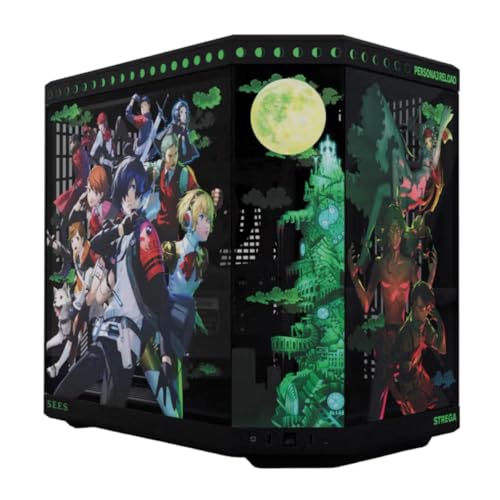
Hyte Y70 Persona 3 Reload Mid-Tower Case, Black

Hyte Y70 Metaphor ReFantazio Mid-Tower Case, Brown

HYTE Y70 Touch Infinite Gaming PC Case, Snow White

HYTE Y70 Touch Infinite Gaming PC Case, Pitch Black
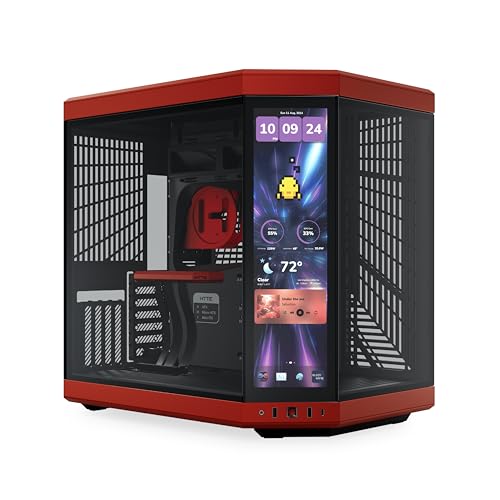
HYTE Y70 Touch Infinite Gaming PC Case, Cherry/Red

KEDIERS PC Case C570 ATX Mid Tower, Pink

Geometric Future M5 Tempered Glass Mid Tower, GEO-M5F-BNY
More Details On Our Top Picks
Eight pre-installed fans give this HYXN case a very practical edge for hot gaming parts, and the mix of 140 mm and 120 mm units suggests the layout is built for moving a lot of air. The dual-chamber ATX design helps split the main hardware space from the cable side, which usually makes a mid-tower feel less cramped during assembly.
The 420 mm radiator support also matters for liquid-cooling plans, since larger radiators can be a tight fit in many tower cases. You may find the black finish keeps the look restrained, which is useful if your anime art, RGB lighting, or desk accents are doing the visual work.
Strong Points
- Eight included fans reduce the need to source immediate cooling extras.
- Mixed fan sizes help the case suit air-heavy GPU and CPU builds.
- Dual-chamber layout usually makes cable routing feel cleaner.
- 420 mm radiator support gives more room for larger cooling hardware.
- Black styling works well beside decals, lighting, or themed panels.
Things To Consider
- All those fans can mean more dusting over time.
- The size and chamber layout may feel roomy rather than compact.
- ARGB is absent here, so your lighting plan needs to come from elsewhere.
Feature Snapshot
Who It Suits Best
Airflow-focused builders and large-GPU gamers will get the most value from this one.
A Better Fit Elsewhere
HYTE Y70 Touch Infinite in Snow White suits showpiece setups better, especially for someone who wants the display to do more of the visual lifting.
The Persona 3 Reload edition leans hard into theme, and that’s the point. The panoramic tempered glass gives your build a wide display window, while the dual-chamber interior keeps the back-of-case mess from competing with the front view.
Compared with the HYXN case, this one is less about bundled fan count and more about presentation plus chassis design. The included PCIe 4.0 riser cable matters for vertical GPU placement, which is useful in a display-first build where the graphics card is part of the show.
What We Like
- Official Persona 3 Reload styling gives the case a clear identity.
- Panoramic glass makes character art and lighting easy to see.
- Dual-chamber design helps keep the visible side cleaner.
- PCIe 4.0 riser cable supports a vertical GPU display layout.
Small Caveats
- Glass-heavy designs need more careful wiping to stay clear.
- Themed styling may feel too specific for a plain workstation.
- Display-first cases often reward neat parts selection and tidy cabling.
Core Details
Built With In Mind
This suits anime-style showcase PCs, especially for someone pairing theme artwork with a vertically mounted GPU.
Swap It Out When
HYXN H2 (2026) fits better for builders who care more about bundled fan coverage and a less display-heavy approach.
This Metaphor ReFantazio edition keeps the same broad Hyte Y70 formula, but the brown finish gives it a warmer, more collector-minded feel than the Persona 3 Reload version. The panoramic glass and dual-chamber setup still do the same practical work, they just wear a different aesthetic.
That makes it a smart match for a themed room, a shelf display, or a setup where you want the case to feel intentional rather than loud. The included PCIe 4.0 riser cable is a useful detail for anyone planning a vertical graphics card presentation, and the high-airflow chassis framing helps keep the look from being only cosmetic.
Upsides
- Character-themed finish gives the build a distinct tone.
- Glass fronting keeps internal lighting easy to appreciate.
- Dual-chamber layout helps the build look cleaner from the side.
- PCIe 4.0 riser cable supports a display-style GPU position.
- Brown colorway feels less common than standard black or white cases.
Areas To Watch
- Themed styling narrows its appeal compared with a plain chassis.
- Glass panels reward careful placement away from dust-prone spots.
- It asks for neat part selection, so messy cables stand out fast.
Details At A Glance
Who Will Love This
This suits collectors and themed-build fans who want the case itself to carry part of the story.
Another Choice May Suit
HYXN H2 (2026) makes more sense for someone who wants stronger built-in fan coverage and a less display-driven shell.
The 2.5K LCD touchscreen is the headline here, and that changes the whole experience of the case. A touchscreen display is built into the chassis itself, so your build can show status art, system visuals, or custom panels without needing a separate screen nearby.
Compared with the two Y70 themed editions above, this version is less about licensed art and more about turning the case into the main visual element. Ten-fan capacity gives plenty of room for a cooling plan, and the snow-white finish suits bright rooms or pale desk setups especially well.
Highlights
- Integrated 2.5K LCD adds a built-in display layer.
- Dual-chamber design keeps the showcase side visually cleaner.
- Ten-fan capacity supports ambitious airflow planning.
- Snow White color fits bright, minimal desk setups.
- PCIe 4.0 riser cable supports a polished vertical GPU layout.
Worth Noting
- The screen adds another surface to keep clean.
- Display-centric builds usually need more planning up front.
- White finishes can show smudges more clearly in daily use.
Quick Facts
Perfect Match For
This suits showcase builders who want the case itself to act like part of the desktop display.
Where A Sibling Pick Shines
HYTE Y70 Persona 3 Reload is a better fit for someone who wants the same family layout but prefers licensed character styling over a built-in screen.
Pitch Black gives the Touch Infinite a calmer look than Snow White, and that matters in a darker room or under stronger RGB. The built-in 2.5K touchscreen still does the heavy visual lifting, so the case can stay understated while the display carries the personality.
It sits in a nice middle ground for someone who wants the screen feature without making the build feel bright or flashy. Compared with the red version, this one should feel easier to blend into a black desk, a studio corner, or a mixed-anime setup where the case is only part of the scene.
Best Bits
- Black finish blends into a wide range of setups.
- Integrated touchscreen keeps the visual focus built into the case.
- Dual-chamber layout helps with cleaner presentation.
- Ten-fan capacity supports flexible cooling plans.
Room For Improvement
- The touchscreen still asks for extra cleaning care.
- Black surfaces can show fingerprints under strong light.
- Display-first cases reward careful cable management.
Feature Rundown
The Right Fit
This suits builders who want the Touch Infinite concept in a darker, easier-to-match finish.
Look Elsewhere When
Geometric Future M5 is a better fit for someone who wants a more hardware-first shell and fewer screen-focused responsibilities.
Cherry/Red brings the same Touch Infinite hardware story, but the color shifts the mood in a more deliberate direction. That makes sense for a themed desk where red accents already exist in the keyboard, lighting, or wall art, since the case can tie the room together without trying to dominate it.
Compared with Pitch Black, this one asks for a more committed style match, which is either the appeal or the hurdle. The touchscreen, dual-chamber layout, and 10-fan support still give it practical depth, so you are not paying attention to color alone.
Reasons To Buy
- Cherry/Red finish makes a strong visual statement.
- Integrated touchscreen keeps the build feeling modern.
- Dual-chamber construction helps keep the visible side tidy.
- Ten-fan capacity leaves room for performance builds.
- PCIe 4.0 riser cable supports a clean vertical GPU look.
Softer Spots
- Bold color styling needs the rest of the desk to cooperate.
- Screen surfaces need regular wiping to stay sharp.
- The more display-focused the case gets, the more planning it asks for.
Core Details
Whose Shelf It Belongs On
This suits style-forward builders who want a red accent piece instead of a quieter black or white shell.
Reach For A Different Pick When
KEDIERS C570 fits better for someone who wants a more budget-conscious route with a brighter open-frame look.
The C570 takes a different path from the glass-heavy HYTE picks, because the open-frame style puts airflow and visibility ahead of enclosure. Seven PWM ARGB fans are already included, and PWM, or pulse-width modulation, means fan speed can be controlled more precisely for a smoother balance of noise and cooling.
Pink makes the case feel playful without turning the whole desk into a neon set, which is helpful for anime-style builds that still need to live in a normal room. The honest read is that an open-frame case asks for a little more dust awareness, but it can be very satisfying for a display build that benefits from easy access and visible lighting.
Positives
- Seven included fans give the case a strong starting point.
- Open-frame layout makes hardware easy to see and reach.
- PWM fan control can help fine-tune airflow behavior.
- Pink colorway works well for themed or playful setups.
Minor Gripes
- Open-frame designs can collect dust more readily than enclosed towers.
- The exposed look may not suit every desk or office space.
- Glass and open structure both reward careful handling during assembly.
At A Glance
Made For
This suits style-led builders who want visible components, easy access, and a softer color palette.
Skip It When
HYXN H2 (2026) fits better for someone who wants a more enclosed, airflow-heavy tower with a stronger all-around cooling story.
The M5 feels more hardware-first than the HYTE display cases, and that’s not a bad thing at all. With 1.2 mm steel, toolless panels, and support for E-ATX or ATX boards, it sounds built for someone who values a solid shell and easier access over a screen-heavy showcase.
The five pre-installed 140 mm ARGB PWM fans, plus support for 420 mm or 360 mm radiators, give it a serious cooling profile. Type-C on the front panel helps with modern accessories, and the black-green finish gives the case more personality than plain black without going loud.
Standout Traits
- 1.2 mm steel helps the chassis feel more substantial.
- Toolless panels make routine access more convenient.
- E-ATX and ATX support broadens board compatibility.
- Five included 140 mm fans create a strong airflow base.
- 420 mm radiator support suits larger cooling layouts.
- Black-green finish adds character without needing extra styling.
Points To Note
- Steel-heavy cases can feel less airy in appearance than glass-first models.
- The look is more restrained, so it may not satisfy a screen-focused showcase plan.
- Pre-installed fans still leave room for careful cable planning.
Technical Sheet
Who Should Grab It
This suits builders who want a solid, capable case with enough style to feel special but not theatrical.
A Better Fit Elsewhere
HYTE Y70 Touch Infinite in Pitch Black is the stronger choice for someone who wants the case itself to carry a screen-led presentation.
How To Choose The Right Anime Computer Cases
Start With The Story Your Setup Tells
An anime PC case is part hardware, part visual cue, so the first question is simple: do you want the case to frame the theme or carry it outright? A licensed Hyte Y70 edition speaks loudly even before the machine is powered on, while the Geometric Future M5 keeps the story quieter and lets the internals do more of the talking. That choice matters in a bedroom, studio, or shared space where the case may sit in view all day.
Color and panel style change the mood fast. Tempered glass gives you more exposure for lighting and themed parts, while steel-forward designs feel calmer and usually hide the practical side of the build better. You’ll feel that difference every time you sit down at the desk.
Match The Case To Your Cooling Plan
Cooling capacity matters more than many first-time shoppers expect. A case with room for a 420 mm radiator or multiple large fans gives you more freedom with hot GPUs, high-core-count CPUs, and long gaming sessions. The HYXN H2 stands out here because the included fan setup already does some of the work for you.
Open-frame and mesh-leaning designs can make airflow easier, but they may also ask for more regular dust care. That trade-off is fine for a tidy gaming room, less fine for a corner that sees heavy dust or pet hair.
Think About Build Experience, Not Just Looks
Dual-chamber layouts, toolless panels, and included riser cables sound technical, but they change how the case feels on the bench. Dual-chamber space helps separate cable clutter from the showcase side, and a PCIe 4.0 riser cable makes a vertical graphics card layout easier to plan. Those details are most useful for anyone who wants a clean finish without spending the first weekend wrestling with the shell.
Higher-end anime cases often cost more because they bundle display hardware, branded art, thicker steel, or more complete cooling support. The extra money makes sense when the case is the centerpiece of the room, not just a box around the parts.
Things Worth Knowing First
Mistakes Worth Dodging
One common slip-up is choosing a theme before checking component fit. A screen-heavy case can look incredible, but it still needs room for your board, cooler, radiator plan, and GPU layout. Another easy miss is forgetting that glass and glossy surfaces need more cleaning than darker, simpler shells.
It also helps to think about cable routes before you fall for the artwork or finish. A pretty front panel cannot hide a cramped build area very well, and that becomes obvious the moment you start connecting power leads and storage cables.
The Upgrade Payoff
More expensive cases usually give you a better visual package, more metal in the frame, stronger access features, or built-in extras like a touchscreen and riser cable. Those upgrades save time and reduce add-on shopping, which is part of the value even though it doesn’t show up in a spec line.
That upgrade makes the most sense for showcase builds, collector desks, and long-term setups where you expect the case to stay in place for years. For a secondary rig or a simple gaming tower, a more straightforward chassis can be the smarter call.
Frequently Asked Questions
Do anime computer cases help cooling, or are they mostly about looks?
Some do both, especially models with many included fans or support for larger radiators. Others focus more on glass, lighting, and theme, so the cooling plan depends on the exact chassis.
Are themed cases harder to build in?
Not always, but display-first layouts can ask for more planning. Dual-chamber designs and toolless panels usually make the process easier than you’d expect.
What matters more, fan count or radiator support?
Fan count helps with broad airflow, while radiator support matters more for liquid-cooling layouts. For a hot gaming system, both details deserve attention.
Is tempered glass a good choice for an anime setup?
Yes, because it shows off lighting, art, and carefully chosen parts very well. The trade-off is more cleaning and a bit less forgiveness for messy cable work.
Which style suits a subtle desk better?
A steel-forward case with restrained colors usually feels calmer than a screen-led or fully themed model. The Geometric Future M5 is a good example of that quieter approach.
Closing Thoughts
Anime computer cases make the most sense when you treat them as part of the room, not just a shell for components. The HYXN H2 is the practical airflow play, the HYTE Y70 variants lean into display and character styling, and the Touch Infinite models push hardest toward showpiece territory. KEDIERS brings a brighter, more open-frame angle, while Geometric Future gives you a sturdier, less theatrical route. Choose the case that matches how you actually use your desk, and the whole setup feels more coherent.
