
Choosing the right case shapes everything that follows, from airflow and cable routing to how easy your build feels on a busy evening. You want enough space for your graphics card, enough fan support for heat control, and a front panel that matches the ports you actually use. Some cases lean into display value, while others focus on storage, plain durability, or a cleaner first build. The shortlist below keeps those trade-offs clear so you can match the case to the way your PC will live on your desk or under it.
The Shortlist At A Glance

HYXN H2 (2026) ATX PC Case, Pre-Installed 8 No ARGB Fans
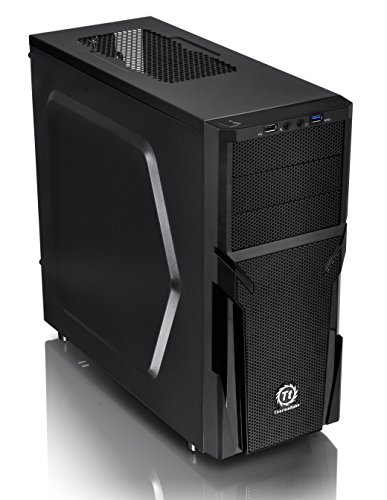
Thermaltake Versa H21 SPCC ATX Mid Tower Chassis CA-1B2-00M1NN-00

DARKROCK EC2 ATX Mid Tower Gaming Case, Type-C Ready

Lian Li V100-ATX Mid-Tower PC Case Black V100RX

CORSAIR 3500X RS ARGB Panoramic Mid-Tower PC Case

DARKROCK Classico Storage Master ATX NAS Computer Case

Thermaltake View 270 Plus TG ARGB Black Mid Tower E-ATX Case

darkFlash ATX Mid-Tower PC Case, DS900
More Details On Our Top Picks
HYXN leans hard into airflow, and that makes sense for a warm gaming room or a build with a large graphics card. The dual-chamber layout keeps the power-supply side separated, which usually makes cable management feel less crowded. You also get USB-C 3.2 on the front, so modern peripherals feel at home without fuss.
The trade-off is that this sort of case rewards a more deliberate build plan, especially around fan placement and cable length. For someone assembling a high-heat rig, though, the pre-installed fan count makes the shell feel ready out of the box.
Strong Points
- Eight pre-installed fans give you a strong starting point for airflow-heavy builds.
- Dual-chamber internal layout helps keep cables and power hardware out of the main view.
- 420mm radiator support opens the door for larger cooling hardware.
- USB-C 3.2 on the front panel suits newer accessories and external drives.
- The black finish keeps the case understated even with a lot going on inside.
Small Caveats
- The big cooling focus makes it less of a simple, barebones enclosure.
- Eight fans can mean more cable work during the first assembly.
- The size may feel excessive for a modest office PC.
Feature Card
Who It Suits Best
System builders with hot-running gaming parts and a taste for clean cable routing get the most from this case.
Where A Sibling Pick Shines
Thermaltake Versa H21 SPCC ATX Mid Tower Chassis CA-1B2-00M1NN-00 suits a simpler office or home build that does not need a heavy airflow focus.
Versa H21 is the sort of chassis that keeps things plain, and that can be a real advantage for a first desktop build. SPCC steel means stamped steel construction, so you get a familiar, straightforward shell rather than anything flashy. It suits a work PC, a student setup, or a living-room tower that needs to disappear into the background.
Compared with the HYXN and DARKROCK cases above, this one is much more about basic structure than showpiece features. The honest read is that you choose it for simplicity and durability-minded hardware mounting, not for a dramatic front-lit presentation.
What We Like
- SPCC steel construction gives the case a familiar, durable-feeling shell.
- The mid-tower format fits neatly into many desk setups.
- Its no-frills design suits office use and plain home systems.
- Assembly tends to feel less intimidating for a first-time build.
Areas To Watch
- You do not get the display-heavy styling found on Lian Li V100 or darkFlash DS900.
- Airflow and expansion features are much more restrained than the newer showcase cases.
- Owners who want a feature-packed front I/O layout may want a newer pick.
Core Details
Built With In Mind
You get the most from this case as a straightforward entry-level or office system shell.
Another Choice May Suit
darkFlash ATX Mid-Tower PC Case, DS900 fits you better when you want modern glass styling and more fan capacity.
DARKROCK EC2 sits in a useful middle ground for a gaming tower, especially for a desk that needs current connectivity and room for a sizeable graphics card. Type-C readiness matters more than it used to, and that front-panel detail helps a lot for newer phones, drives, and accessories. The tempered glass side panel turns the internals into part of the setup, without pushing the case into full display-first territory.
Compared with the older Versa H21, this feels much more aligned with modern gaming parts. You may find the single included fan modest for a warmer room, but the broader fan and radiator support gives you room to expand later.
Highlights
- Type-C readiness gives the front panel a more current feel.
- Support for large graphics cards suits newer gaming hardware.
- Tempered glass lets you show off internal lighting and tidy cabling.
- Up to eight 120mm fans helps this chassis scale with hotter parts.
- 360mm radiator support gives liquid-cooling builders more room to work with.
Things To Consider
- Only one fan is included, so a fuller cooling setup takes extra planning.
- The glass side panel asks for a bit more care during handling and cleaning.
- Showcase styling may not suit a quiet office corner.
Quick Facts
Best Suited To
Gaming builders who want a modern-looking tower with room to grow will feel at home here.
Look Elsewhere When
HYXN H2 (2026) ATX PC Case, Pre-Installed 8 No ARGB Fans makes more sense for a hotter build that needs stronger airflow straight away.
The V100RX is built to be seen, and the display platform plus tempered glass make that obvious from the start. Four pre-installed ARGB PWM fans add both lighting and automatic speed control, so the look and cooling story stay tied together. It works nicely on a desk where the tower is part of the room, not something tucked away.
Compared with the darker, more utility-focused DARKROCK cases, this Lian Li leans harder into visual polish. That said, the styling makes more sense for builders who actually enjoy seeing their parts instead of hiding them behind a closed front panel.
Bright Spots
- Four pre-installed ARGB PWM fans give you a polished starting point.
- LED RGB strip and display platform create a strong visual identity.
- Tempered glass helps a finished build feel more intentional.
- PWM fan control usually makes speed management easier in daily use.
Worth Noting
- Style takes center stage, so this is less discreet than a plain office case.
- The showcase layout may need a little extra dusting around the glass.
- People who prefer a quieter look may gravitate toward Thermaltake Versa H21.
Details At A Glance
Whose Shelf It Belongs On
Style-minded builders who want a case to function as part of the room decor will appreciate this one.
Reach For A Different Pick When
darkFlash ATX Mid-Tower PC Case, DS900 suits you better if you want a similar glass-forward look with a more understated starting point.
The CORSAIR 3500X RS ARGB is aimed at someone who wants a cleaner premium look without giving up useful build details. The panoramic design makes the internals feel open, and the anti-sag support for the graphics card matters more than many people expect once a heavier card is installed. Reverse connection motherboard compatibility also makes this case more future-friendly for tidy layouts.
Against the Lian Li V100, this Corsair comes across as more restrained and more engineering-led. You may find it especially appealing for a mid-to-high-end build where cable hiding and graphics card support both deserve attention.
Reasons To Buy
- Panoramic styling gives the interior a more open, upscale look.
- Three pre-installed fans shorten the gap to a working cooling setup.
- GPU anti-sag support helps heavier graphics cards sit more securely.
- Spacious interior gives cable routing and component placement more breathing room.
- Reverse connection motherboard compatibility is useful for cleaner visual builds.
Points To Note
- The premium layout makes more sense for a carefully planned build.
- Showcase interiors can collect dust where glass panels stay visible.
Core Details
Right Fit For
Builders chasing a polished showpiece with practical layout support will get the most from this case.
Swap It Out When
Thermaltake Versa H21 SPCC ATX Mid Tower Chassis CA-1B2-00M1NN-00 makes more sense for a plain, low-key desktop without showcase goals.
This DARKROCK case is built for storage-first systems, and that makes it unusual in a list full of gaming-leaning towers. The ten 3.5-inch drive bays and three 2.5-inch mounts tell you exactly where the priorities sit, which is perfect for a home server or a media archive box. USB 3.0 support and four included 120mm fans round out the daily-use side.
Compared with the flashy Lian Li and Corsair picks, this one is much more about drive count than appearance. One thing worth considering is cleaning access around a fully loaded cage, because storage-heavy cases are often more crowded once you start populating them.
Standout Traits
- Ten 3.5-inch drive bays support serious storage expansion.
- Three 2.5-inch mounts help round out SSD placement.
- Four included fans give the enclosure a usable airflow baseline.
- USB 3.0 support keeps front-panel connections current enough for home use.
- Top and front radiator support adds some cooling flexibility.
Minor Gripes
- The drive-focused layout is less appealing for a minimalist gaming desk.
- A packed storage cage can take more time to manage and clean.
- Vertical GPU mounting sounds useful, but it won’t matter for every setup.
Feature Rundown
Who Should Grab It
Home NAS builders and archive-heavy setups fit this case far better than a standard gaming tower.
Where A Sibling Pick Shines
CORSAIR 3500X RS ARGB Panoramic Mid-Tower PC Case is the better route for a showcase build with less storage emphasis.
Thermaltake’s View 270 Plus gives you the kind of twin-glass presentation that turns a build into part of the room. The included 120mm ARGB fans and 360mm radiator support make it more than a display shell, so the case still speaks to practical cooling needs. E-ATX support also helps when your motherboard is larger than the usual ATX board.
Relative to the Lian Li V100, this one feels a bit more spacious and a little more serious about larger board fit. The trade-off is plain enough, glass surfaces ask for regular wiping, especially in a brighter room where fingerprints show quickly.
Upsides
- Front and side tempered glass create a wide viewing area.
- Three included ARGB fans get the airflow story started.
- 360mm radiator support helps with more ambitious cooling plans.
- E-ATX support broadens motherboard compatibility.
- The black finish keeps the case visually grounded despite the glass.
Room For Improvement
- Glass-heavy panels demand more careful cleaning and handling.
- The showpiece look may be more than a simple work PC needs.
At A Glance
The Right Fit
You will like this case most as a showy desktop shell for a large motherboard and coordinated lighting.
Not Your Match When
Thermaltake Versa H21 SPCC ATX Mid Tower Chassis CA-1B2-00M1NN-00 suits a plain, no-frills workstation better.
The DS900 feels like a flexible middle road, with enough visual appeal for a gaming desk and enough cooling headroom for more serious parts. Four pre-installed PWM ARGB fans give you a solid beginning, and the dual tempered-glass layout keeps the internals visible from more than one side. Type-C on the front adds everyday convenience that you notice more after the first week.
Compared with the Thermaltake View 270 Plus, this darkFlash case reads a little less formal and a bit easier to drop into a typical setup. You may find it especially comfortable for a mainstream gaming PC that still needs room for a 360mm radiator.
Plus Points
- Four pre-installed PWM ARGB fans provide a strong starting setup.
- Dual tempered glass gives the build visibility from multiple angles.
- Type-C front connectivity fits modern everyday accessories.
- 360mm radiator support leaves room for stronger cooling plans.
- The mid-tower size works well for a wide range of desk layouts.
Honest Caveats
- Glass panels show fingerprints more readily than plain steel surfaces.
- The look is still display-heavy, so it may feel busy in a minimal office.
- Cable routing takes a little care to keep the panoramic view clean.
Feature Card
Made For
Mixed-use gaming builds and style-conscious desktop setups suit this case very well.
Where A Sibling Pick Shines
Thermaltake View 270 Plus TG ARGB Black Mid Tower E-ATX Case is the better fit for a larger board and a more formal display look.
How To Choose The Right Atx Computer Cases
Size, Board Fit, And Internal Clearance
ATX cases seem similar until your graphics card, cooler, or power supply starts asking for room. A mid-tower can handle a lot, but the real question is whether you need standard ATX support, E-ATX support, or a layout that leaves extra room around long cards and front-mounted radiators.
Measure the parts you already own, then compare them with the case’s listed support for radiator length, fan count, and board size. That matters most for gaming rigs, custom cooling builds, and storage-heavy towers that can crowd the interior quickly.
Cooling Strategy And Noise Balance
Pre-installed fans save setup time, yet fan count alone never tells the whole story. Bigger 140mm fans can move air with less drama than smaller 120mm units, while PWM fan control lets the system adjust speed based on heat, which is useful in a quiet office or late-night gaming space.
Airflow-focused cases like the HYXN make sense for warmer hardware, while glass-heavy showpieces often need more attention to intake and exhaust paths. You do not need the loudest cooling setup, just one that matches your parts and your room.
Front Ports, Glass, And Daily Convenience
Front USB-C now matters more for external SSDs, newer phones, and current accessories. A plain front panel can be easier to live with, but tempered glass and RGB lighting may feel worth it when the tower sits on top of a desk instead of beneath it.
Think about cleaning too. Glass and glossy surfaces show dust and fingerprints faster, while steel-heavy cases usually ask for less fuss and feel better in low-maintenance workspaces.
A Quick Reality Check
Common Shopping Slip Ups
Plenty of people focus on lighting before they check radiator space or graphics card clearance. That usually ends with a case that looks right but forces awkward part choices later.
Another easy miss is drive support. Storage-focused towers like the DARKROCK Classico are built for a different job than a glass showcase, so matching the enclosure to the actual build plan keeps the whole project calmer.
The Upgrade Payoff
Higher-tier cases usually cost more because of better materials, more polished panels, stronger fan bundles, and smarter internal routing. You often see that difference in cleaner cable paths, wider radiator support, and extras like anti-sag hardware or reverse connection compatibility.
That step up makes the most sense for long-term gaming rigs, showcase systems, or home servers that will stay in place for years. For a simple work PC, a straightforward chassis like the Thermaltake Versa H21 often covers the basics without extra flash.
Frequently Asked Questions
What Size Graphics Card Fits In An ATX Case?
That depends on the case’s listed clearance and the presence of front radiators or drive cages. Larger showcase models usually leave more breathing room than older, simpler towers.
Do You Need Glass Side Panels?
No, but they matter a lot for display builds and RGB setups. Plain steel side panels make more sense for low-key office systems.
How Many Fans Make Sense?
Three fans can be enough for a balanced mid-range setup, while hotter gaming hardware often benefits from a higher count. The right answer depends on case airflow and component heat, not just the number on the box.
Is USB-C On The Front Worth It?
For newer accessories, yes, because it feels more current and practical. It is less important on a simple desktop that mostly uses older peripherals.
Should A First Build Start With A Premium Case?
Not always. A simpler case can make assembly easier, while a premium shell pays off more clearly in larger, more visible, or more demanding builds.
Final Thoughts
The right ATX case is less about flash and more about how your PC will actually live, breathe, and connect each day. The HYXN and DARKROCK EC2 make strong sense for airflow-minded gaming setups, while the Thermaltake Versa H21 stays appealing for simple, no-drama builds. Storage-heavy systems belong in the DARKROCK Classico, and style-first desks may be happier with the Lian Li, Corsair, or Thermaltake View 270 Plus. Match the case to your parts and your space, and the rest of the build feels much easier to finish well.
