
Basic Pc Cases still matter when you want a straightforward build that doesn’t get in the way. The right shell sets the tone for cable space, airflow, drive mounting, and how easy the system feels to live with after the first weekend. You’ll find compact picks for tight desks, roomy towers for growth, and a few cases that lean into cooling or access rather than flash. That mix helps you match the case to your parts list instead of forcing your parts to fit the case.
Quick Look At The Shortlist
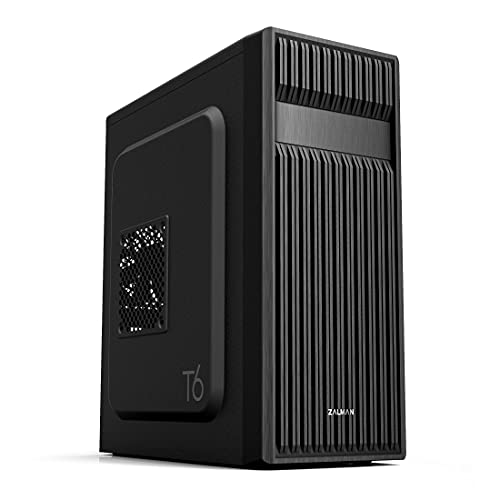
Zalman T6 ATX Mid Tower Computer PC Case

Cooler Master N200 Mini Tower Computer Case
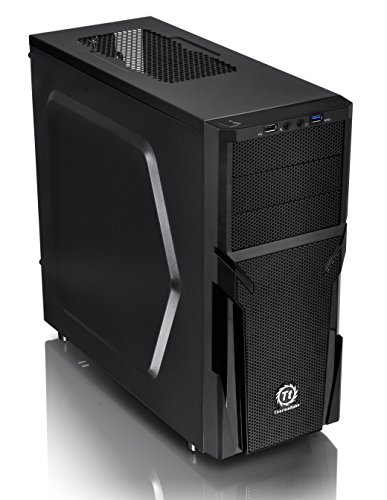
Thermaltake Versa H21 SPCC ATX Mid Tower

DARKROCK EC2 ATX Mid Tower Gaming Computer PC Case
TGDGAMER MATX Micro ATX Case

Geometric Future M5 Tempered Glass Mid Tower

JOYJOM Micro ATX Case PC Case

JOYJOM Open Air PC Case
The Zalman T6 leans into the kind of build that still has a place on a desk today, especially for someone who wants a simple ATX tower with a little breathing room. The patterned mesh front helps the case feel less closed-in, and the pre-installed 120mm fan gives you a head start on basic airflow without adding much complexity.
You also get a 5.25-inch external bay, which matters for older optical drives or a front accessory setup, and that makes the T6 feel more flexible than some stripped-down budget towers. The trade-off is the old-school layout, so you’ll want to know your parts list before you commit, but for a workstation or a modest gaming box, it’s a sensible fit.
Strong Points
- Mesh front helps intake air feel less restricted.
- Included 120mm fan saves a step during assembly.
- 5.25-inch bay still serves niche drive needs.
- ATX mid-tower sizing leaves room for standard builds.
Things To Consider
- The 5.25-inch bay suits only certain setups now.
- Mesh fronts can call for more dust care over time.
- It feels more practical than polished, which is fine for a utility build.
Feature Snapshot
Who It Suits Best
You’ll like this most for a straightforward ATX build that still needs legacy drive support or a no-fuss work PC.
A Better Fit Elsewhere
Cooler Master N200 Mini Tower Computer Case suits smaller desks and micro builds more cleanly than the taller Zalman T6.
Coming right after the Zalman, this Cooler Master case shifts the focus toward a smaller footprint and a cleaner front intake path. A fully meshed front panel usually makes sense for compact systems, because small enclosures can trap heat faster than larger towers.
The mini tower format fits mATX and Mini-ITX boards, so it works well for a desk-side home office box or a modest living-room PC. The trade-off is simple, you give up the extra interior room that larger ATX cases offer, but the layout is easier to place and easier to live with in tighter spaces.
What We Like
- Mini tower sizing keeps the footprint friendly to small desks.
- Mesh front supports better front-to-back airflow.
- mATX and Mini-ITX support gives you build flexibility.
- Good match for quiet office or media setups.
Small Caveats
- Interior room is tighter than a mid-tower like the Zalman T6.
- Compact cases can ask for more careful cable planning.
Core Details
Who Should Grab It
You’re the best match for this one when desk space matters as much as the hardware inside.
Where A Sibling Pick Shines
Thermaltake Versa H21 SPCC ATX Mid Tower gives you a roomier path for standard ATX parts and expansion-heavy builds.
The Thermaltake Versa H21 sits in that familiar middle lane where you want enough room for a standard build without chasing extra frills. Compared with the Cooler Master N200, this one gives you a more traditional ATX mid-tower shape, which tends to feel easier during the first assembly and later upgrades.
That plain black chassis makes sense in a home office, a dorm desk, or a general-purpose gaming setup where you care more about fit and function than visual drama. Nothing flashy here, and honestly that’s part of the appeal, because a basic enclosure often ages better than a busier design.
Upsides
- ATX mid-tower sizing suits common desktop parts.
- Simple layout makes assembly less fussy.
- Black finish blends easily into most setups.
- Good choice for practical, long-term use.
Worth Noting
- Plain styling will feel understated next to DARKROCK EC2.
- You may want to plan extra cooling around your parts list.
- Basic exterior means the value is in function, not presentation.
At A Glance
Built With In Mind
You’ll get the most from this case as a no-drama tower for a standard home or office PC.
Another Choice May Suit
Geometric Future M5 Tempered Glass Mid Tower fits you better when you want thicker steel, tool-free panels, and a more premium build feel.
After the simpler Thermaltake, the DARKROCK EC2 feels built for a more ambitious gaming stack. The tempered glass side panel gives you a clearer view of the interior, while the Type-C-ready front connection helps it feel more current for newer peripherals and cases of frequent plug-and-unplug use.
It also stands out for cooling flexibility, with room for up to eight 120mm fans and a 360mm radiator, which is the kind of capacity that matters once your parts run warmer under load. The trade-off is that a feature-heavy case usually asks for a more careful build plan, especially around cable routes and fan placement.
Highlights
- Type-C readiness suits newer accessories and fast data use.
- Room for large graphics cards broadens upgrade headroom.
- Tempered glass adds a clear view of the interior.
- Wide fan and radiator support helps with high-output builds.
- Included fan gets airflow started right away.
Areas To Watch
- Glass panels call for a little more care during handling and cleaning.
- Cooling options can make planning the layout more involved.
- It makes more sense for a performance build than a bare-minimum office PC.
Feature Rundown
Perfect Match For
You’re the right fit for this case when the build leans hard toward gaming hardware and future upgrades.
Look Elsewhere When
Thermaltake Versa H21 SPCC ATX Mid Tower suits you better for a simpler, lower-fuss system with fewer visual extras.
The TGDGAMER MATX case is all about squeezing a workable desktop into a slimmer shell. The included 80mm fan, USB 3.0 front port, and support for mini-ITX plus ATX power make it feel tailored to a compact office or dorm setup where every inch counts.
Compared with the DARKROCK EC2, this one trades big expansion room for a narrower footprint that’s easier to place beside a monitor or under a small table. That’s a fair exchange for many everyday PCs, though the tighter profile means cable planning matters more than it does in a roomy mid tower.
Bright Spots
- Slim shape saves desk space.
- 80mm fan helps establish basic airflow.
- USB 3.0 front port supports modern peripherals.
- Works well for office or light gaming builds.
Minor Gripes
- Compact layout can make cable routing more demanding.
- Cooling headroom is naturally tighter than in larger towers.
- The slim shell suits restrained builds more than upgrade-heavy ones.
Details At A Glance
Whose Shelf It Belongs On
You’ll appreciate this case most in a compact room where a smaller desktop footprint matters every day.
Swap It Out When
Cooler Master N200 Mini Tower Computer Case suits you better if you want a compact case with a more proven meshed front layout.
The Geometric Future M5 feels like the jump you make once the case itself starts to matter as much as the parts going into it. Its 1.2mm steel frame is thicker than the lighter shells in this list, and the toolless panels can make routine access less annoying during upgrades or cleaning.
Five pre-installed 140mm ARGB PWM fans, plus support for 420mm and 360mm radiators, give this tower a much more complete cooling story than the budget picks. The honest read is that it’s built for a more committed setup, so the size and feature count make the most sense for builders who want room to grow and a cleaner hardware showcase.
Reasons To Buy
- 1.2mm steel feels sturdier than thinner entry-level shells.
- Toolless panels make access easier during upgrades.
- Five pre-installed 140mm fans give you a strong cooling base.
- Type-C front support suits current accessory habits.
- Radiator support gives liquid cooling room to breathe.
Points To Note
- Large cooling capacity makes the case more involved to plan.
- Black-and-yellow styling is more distinctive than neutral towers like the Thermaltake Versa H21.
- It makes sense for bigger builds, not minimal office rigs.
Quick Facts
The Right Fit
You’re the right match for this case when you want a more substantial build shell for a high-end system.
Skip It When
JOYJOM Micro ATX Case PC Case makes more sense for a simpler, smaller, and less expensive desktop footprint.
This JOYJOM tower keeps the formula simple, which is exactly why it can work well in a starter office build or a low-key home PC. Support for micro ATX, mATX, DTX, and ITX boards gives you broad board compatibility, and the USB 3.0 front port makes the case feel up to date where it counts.
The 3.5-inch hard drive support adds practical storage flexibility that the more compact cases here may not match as easily. Compared with the TGDGAMER slim case, this one feels a little more accommodating for a straightforward everyday tower, though you still want to keep expectations grounded because it’s built around function first.
Best Bits
- Broad motherboard support makes planning easier.
- USB 3.0 front access fits modern use.
- 3.5-inch HDD support helps with storage-heavy builds.
- Good everyday shape for office or home setups.
Room For Improvement
- Function-first design won’t feel as polished as premium towers.
- Hard drive support can add a little more cable and mounting work.
- It’s more practical than expressive.
Feature Card
Made For
You’ll get the most from this case in a simple desktop build that still needs room for a full-size hard drive.
Reach For A Different Pick When
Geometric Future M5 Tempered Glass Mid Tower suits you better for a more premium chassis with stronger cooling support.
The JOYJOM Open Air case is in a different category from the closed towers above, because it leaves the components exposed on purpose. That open-frame layout makes hardware access simple for bench work, part swaps, and repeated rebuilds, which is exactly why test-bench style setups still have a loyal following.
It supports ATX, mATX, and ITX motherboards, so the format stays flexible even though the structure is bare. The trade-off is obvious, dust and handling care matter more here than they do in a closed case, but for hobbyists or frequent tinkerers, that’s often part of the point.
Positives
- Open frame makes access fast and simple.
- Good for swap-heavy or bench-style setups.
- Supports ATX, mATX, and ITX boards.
- Helpful for builders who rework hardware often.
Honest Caveats
- Open design needs more regular dust attention.
- Parts stay exposed, so careful placement matters.
- Not the right choice for a tidy closed-case look.
Technical Sheet
Right Fit For
You’ll appreciate this most for bench work, experimental builds, or a setup that changes often.
Where Another Pick Suits Better
Cooler Master N200 Mini Tower Computer Case suits you better for a cleaner enclosed system on a compact desk.
How To Choose The Right Basic Pc Cases
Match The Case To The Board Size First
Start with motherboard format, because that decides the whole shape of the build. ATX mid towers, mini towers for mATX or Mini-ITX, and open-frame racks for mixed board sizes all solve different problems.
A bigger shell like the Zalman T6 or Thermaltake Versa H21 gives you easier cable space and more room around expansion cards. A smaller case such as the Cooler Master N200 helps a desk stay clean and keeps the system visually lighter.
Think About Airflow Before Styling
Mesh fronts, pre-installed fans, and radiator support matter more than glossy side panels in daily use. A mesh intake, like the Cooler Master N200, usually helps front air get in more directly, while the DARKROCK EC2 gives you enough space for larger cooling plans.
The trade-off is noise, dust care, and layout effort. More vents and more fans can mean better thermal headroom, but they also ask for a little more cleaning and a little more cable discipline.
Choose For Your Storage And Access Habits
Drive bays and front I/O ports sound old-fashioned until you need them. The Zalman T6’s 5.25-inch bay helps older drive needs, while the JOYJOM Micro ATX case’s 3.5-inch support fits a more storage-heavy desktop.
Front USB 3.0 or Type-C can make daily plug-ins less annoying for external drives, headsets, and phone cables. That’s where the case starts to affect routine use, not just the first build session.
Decide How Often You’ll Open The System
Toolless panels and open-frame layouts save time for people who swap parts often. Geometric Future M5 feels friendlier for upgrade cycles, while the JOYJOM open air bench is built for frequent access, but both ask you to think about dust and handling.
For a set-it-and-forget-it desktop, a closed tower usually makes more sense. For hobby builds, troubleshooting, or learning hardware, easier access can be worth more than a cleaner outer shell.
What To Weigh Before You Buy
Common Shopping Slip Ups
Many people focus on looks first and board support second, then discover the case is too small for the hardware. A better route is to check motherboard size, graphics card length needs, and whether the case really fits the storage layout you want.
Another easy miss is front connectivity. USB 3.0 or Type-C can save annoyance later, especially on a desktop that gets used every day for drives, accessories, and quick file transfers.
What The Higher Tier Buys
Higher-tier cases usually pay off through thicker steel, toolless access, better fan support, and more polished front-panel connectivity. That shows up in easier upgrades, stronger structure, and fewer compromises during the build.
You notice the difference most in systems that run warm, get opened often, or carry expensive parts. A case like the Geometric Future M5 makes sense there, while a simpler tower is usually enough for a basic office machine.
Frequently Asked Questions
What Makes A Basic Pc Case Different From A Premium One?
A basic case usually keeps the layout simple and the feature set lean. A premium one often adds thicker materials, tool-free access, and more cooling room.
Do You Need Tempered Glass On A Pc Case?
No, you don’t need it for a working build. It mainly helps with appearance, so it matters most when you want the interior visible.
Is Mesh Better Than A Solid Front Panel?
Mesh usually gives air a clearer path into the case. A solid front can still work, but it often depends more on side or bottom intake design.
Which Size Works Best For A First Build?
An ATX mid tower is often the easiest starting point because there’s more room to work inside. Smaller cases are fine too, but they reward careful planning.
Should You Care About A 5.25-Inch Bay Today?
Only certain setups need it, such as older optical drives or front accessories. Most modern builds can skip it without missing much.
Closing Thoughts
Basic Pc Cases can be simple without feeling limiting, and that’s the sweet spot for many home builds. A good pick lines up with your board size, your cooling needs, and how much space you actually have beside the desk. The strongest options in this roundup each solve a different problem, from compact airflow to open-access tinkering. Choose the case that fits your routine, and the rest of the build tends to fall into place.
