
Big gaming monitors change how a desk feels. You get more room for game worlds, more space for timelines and streams, and less need to juggle windows on a cramped display. The trade-off is obvious, though, because size, curve, panel type, and resolution all shape how comfortable that extra space really is.
You’re in the right place if you game after work, split time between play and productivity, or want a screen that makes ultrawide and large-format setups feel more natural. The seven picks below cover different kinds of desks, from a cleaner 34-inch curve to a huge 57-inch wall of pixels.
The Shortlist At A Glance

Alienware 34 Curved Gaming Monitor AW3425DWM
CRUA 34 WQHD 165Hz IPS Ultrawide Gaming Monitor White

Samsung 57 Odyssey Neo G9 G95NC Dual 4K UHD Curved Gaming Monitor

Alienware 34 240Hz QD-OLED Curved Gaming Monitor AW3425DW

INNOCN 49 Curved Gaming Monitor 49C1G Ultrawide 32:9
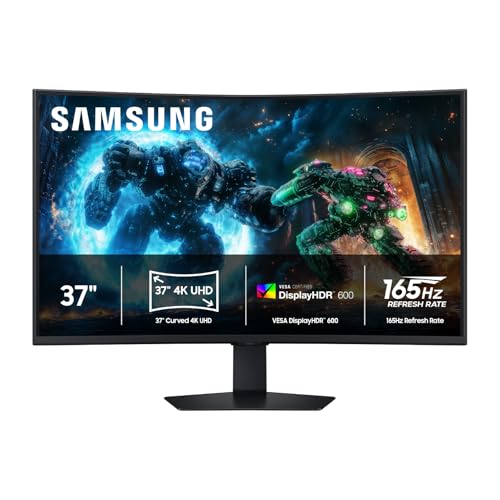
Samsung 37 Odyssey G7 G75F Series 4K UHD Curved Gaming Monitor

Samsung 40 Odyssey G7 G75F Series WUHD Curved Gaming Monitor
More Details On Our Top Picks
Alienware’s 34-inch ultrawide feels built for people who split time between games and regular desktop work. The 1500R curve, which simply means the screen bends more gently around your field of view than a flat panel, helps open up racing, RPG, and strategy layouts without making a small desk feel crowded.
WQHD resolution gives you sharper detail than plain 1080p while still staying easier to drive than 4K on many gaming rigs. The honest trade-off is that ultrawide support varies by game and app, so your mileage depends on the titles you play, but for a lot of desk setups this shape lands in a very comfortable middle ground.
Strong Points
- 34-inch ultrawide sizing gives you a wider view without jumping to a giant desk footprint.
- 180Hz refresh rate suits fast motion, so scrolling across maps and quick camera swings feel more responsive.
- 1ms response time helps keep blur in check during sharper action scenes.
- AMD FreeSync Premium can smooth out gameplay on compatible systems.
- The curve makes long sessions feel less flat and a bit more wrapped around your setup.
Things To Consider
- Ultrawide formatting can leave black bars or awkward framing in older titles and some streaming apps.
- The larger shape needs more depth than a standard 27-inch display, so a shallow desk may feel tight.
- Cleaning the curved panel and the wider stand area takes a little more care than a basic flat screen.
Feature Snapshot
Who It Suits Best
Players who want a balanced ultrawide for everyday gaming, work tabs, and after-hours streaming will get the most from this shape.
A Better Fit Elsewhere
Samsung’s 40” Odyssey G7 G75F suits you better if you want a wider 21:9 canvas with a stronger all-purpose desktop presence.
This CRUA stands out because it mixes a white chassis with a 34-inch ultrawide layout, which can look cleaner on a lighter desk setup. IPS, or in-plane switching, is a panel style known for wide viewing angles, so colors and contrast usually hold up better when you’re not sitting dead center.
For work-heavy desks, the 21:9 layout gives you extra horizontal room for timelines, spreadsheets, and launchers beside a game or browser window. The trade-off is that built-in speakers and strong color claims are nice to have, but external audio and careful calibration still matter most for a fuller setup.
What We Like
- White finish gives the monitor a cleaner look than the darker picks above.
- IPS panel behavior suits mixed-use desks where you often shift position in the chair.
- 165Hz refresh rate keeps motion feeling quick for casual and mid-level competitive play.
- FreeSync support helps reduce tearing on compatible graphics cards.
- HDMI and DisplayPort inputs make it easier to hook up a PC and console setup.
Areas To Watch
- The built-in speakers are handy, though many gaming desks still sound better with separate audio gear.
- A white shell can show dust and scuffs more easily, so upkeep matters a bit more.
- The 34-inch format still asks for desk depth, even with a moderate curve.
Details At A Glance
Right Fit For
Stylish home offices and mixed gaming desks suit this monitor best, especially where a lighter color scheme matters.
Where A Sibling Pick Shines
Alienware 34 Curved Gaming Monitor AW3425DWM suits you better if you want a more performance-first ultrawide with a stronger gaming focus.
The 57-inch Neo G9 is the kind of monitor that changes the whole desk, not just the game. Dual 4K UHD means the panel carries two 4K-level image zones side by side, so you get a huge amount of horizontal space for sims, editing timelines, or serious multitasking.
That scale makes sense in a dedicated setup, especially for cockpit-style games or anyone who keeps several windows open at once. The trade-off is plain, because this is overkill for small desks and casual play spaces, and you’ll want hardware and room that can keep pace with such a demanding screen.
Upsides
- The 57-inch span gives you a massive field of view for immersive games.
- 1000R curvature wraps the edges around you more tightly than gentler curves.
- 240Hz refresh rate helps the display feel extremely quick in motion.
- DisplayPort 2.1 gives modern systems room to carry a very heavy video signal.
- Quantum Mini-LED backlighting supports tighter light control than basic edge-lit screens.
- DisplayHDR 1000 is a strong fit for dramatic scenes with bright highlights and deeper contrast.
Small Caveats
- The size can overwhelm a normal desk, so measuring first matters a lot.
- Physical placement and cable routing take more effort than with a 34-inch ultrawide.
- Cleaning a screen this large is a real chore, especially in dusty rooms.
Core Details
Built With In Mind
Sim racers, flight fans, and multitask-heavy desk setups benefit most from this huge format.
Swap It Out When
Alienware 34 Curved Gaming Monitor AW3425DWM is the calmer pick for smaller desks and easier everyday placement.
QD-OLED means quantum dot OLED, a panel approach that blends OLED-style contrast with the color help of quantum dots, and that combination is the main reason this Alienware feels special. For fast shooters and visually rich games, the 240Hz refresh and 0.03ms response time make the motion profile feel extremely quick without turning the desk into a giant setup.
Compared with the earlier Alienware AW3425DWM, this one leans harder into image quality and speed. You may find the 34.2-inch size easier to live with than the 57-inch Samsung, yet still roomy enough for an immersive ultrawide stretch that feels focused rather than massive.
Positives
- QD-OLED panel tech brings striking contrast and deep dark scenes.
- 240Hz refresh rate supports very fluid competitive play.
- 0.03ms response time is extremely fast on paper and suits twitch-heavy genres.
- 1800R curve offers a slightly gentler wrap than the 1500R Alienware above.
- WQHD ultrawide resolution gives you sharp detail without the strain of a 4K workload.
Worth Noting
- OLED-style panels can ask for more care in bright desktop settings.
- The premium lean makes this a more specialized choice than the CRUA or standard Alienware ultrawides.
- Dark-room gaming usually shows its strengths more clearly than office-heavy daylight use.
Technical Sheet
Whose Shelf It Belongs On
Competitive gamers and image-quality enthusiasts who want a premium ultrawide without jumping to huge sizes will feel at home here.
Look Elsewhere When
Alienware 34 Curved Gaming Monitor AW3425DWM suits you better if you want a simpler, less expensive-feeling ultrawide shape for all-purpose use.
The INNOCN 49C1G is built for people who want a monitor that feels closer to a dual-screen workspace than a traditional display. A 32:9 aspect ratio stretches the canvas wide enough for editing, browser work, and a game side by side, which can be a real help on a busy desk.
USB-C support matters here because it can simplify laptop hookups, and the height, tilt, and swivel adjustments help you dial in a long session without fuss. The compromise is that the 3840 x 1080 resolution spreads across a huge panel, so text and fine detail won’t feel as sharp as the higher-resolution picks above.
Bright Spots
- The 49-inch width creates a very broad workspace for multitasking.
- 32:9 layout helps you replace two separate monitors with one continuous span.
- USB-C adds a convenient connection path for modern laptops.
- Height, tilt, and swivel adjustment make long sessions easier to dial in.
- Built-in speakers keep the setup simpler for desks with fewer accessories.
Minor Gripes
- Lower vertical resolution on a very wide panel can soften small text.
- The broad stand and size call for a deep, sturdy desk.
- Cleaning and cable management take more attention than with a smaller 34-inch monitor.
Feature Card
Who Should Grab It
Desk-heavy multitaskers and laptop users who want a very wide all-in-one screen will benefit most from this layout.
Reach For A Different Pick When
Samsung 37 Odyssey G7 G75F Series 4K UHD Curved Gaming Monitor suits you better if sharper text and a tighter, more focused size matter more.
Samsung’s 37-inch G7 hits a useful size for people who want 4K detail without moving into the giant territory of the 57-inch Neo G9. The 1000R curve wraps the screen around you fairly tightly, which tends to feel natural in racing, action, and single-player games where you want the image to sit close.
Compared with the Alienware ultrawides, this one leans more toward crispness than pure width. The trade-off shows up in side-by-side multitasking, because a 16:9 4K layout is less horizontally roomy than the ultrawide picks above, but it gives you a sharper traditional desktop shape that many setups still prefer.
Best Bits
- 4K UHD resolution gives you detailed image clarity for games and media.
- 37-inch size keeps the panel large without becoming unwieldy.
- 165Hz refresh rate suits smooth, modern gaming on capable hardware.
- 1ms response time supports snappy motion handling.
- DisplayHDR 600 helps highlight brighter highlights and deeper contrast than basic SDR panels.
Room For Improvement
- The 16:9 shape is less roomy for side-by-side windows than the ultrawide models in this list.
- 4K gaming asks more from your graphics card than 1440p ultrawide options.
- Routine dusting and cable cleanup matter more on a larger curved panel.
Quick Facts
The Right Fit
Players who want a large 4K curved monitor for cinematic gaming and everyday desktop use will get the best fit here.
Another Choice May Suit
Alienware 34 240Hz QD-OLED Curved Gaming Monitor AW3425DW suits you better if ultrawide speed and deeper contrast matter more than 4K detail.
The 40-inch Odyssey G7 sits in a very practical middle lane. It gives you a wider ultrawide shape than the 34-inch picks, but it does not sprawl as aggressively as the 49-inch or 57-inch screens, which makes it easier to place on a serious desk.
That 21:9 WUHD format is the real story here, because it offers a broad workspace for games, editing, and reference windows without feeling unwieldy. One thing worth considering is that this model leans on premium desk real estate, so your setup needs to be ready for it before the size really pays off.
Reasons To Buy
- The 40-inch span gives you more breathing room than the smaller Alienware ultrawides.
- WUHD resolution balances width with sharper detail than 32:9 lower-height displays.
- 180Hz refresh rate suits fast motion and high-frame-rate gaming.
- 1ms response time helps keep moving targets clear in quick scenes.
- DisplayHDR 600 adds more punch to compatible HDR content.
Honest Caveats
- The wider chassis needs a sturdy stand or arm and enough desk depth.
- It still asks more from your hardware than a 1440p ultrawide monitor.
- Keeping the curve and wide panel dust-free takes a little more upkeep.
Feature Rundown
Perfect Match For
Gamers who want a wide, premium-feeling monitor for both play and daily desk work will appreciate this middle-ground size.
Where Another Pick Shines
INNOCN 49 Curved Gaming Monitor 49C1G Ultrawide 32:9 suits you better if your main goal is an even broader multitasking workspace.
How To Choose The Right Big Gaming Monitors
Screen Size and Desk Fit
A big monitor should match the desk before it matches the game. A 34-inch ultrawide usually feels manageable for most desks, while 40-inch, 49-inch, and 57-inch screens ask for deeper surfaces, more careful cable routing, and a chair that sits at the right distance.
Curve matters too. A gentler curve like 1800R feels easier for mixed use, while 1000R wraps more tightly and can feel more immersive for racing or flight sims. For long work sessions, a panel that fits your normal posture usually matters more than the most dramatic curve on the page.
Resolution, Refresh Rate, and Motion
Resolution controls how much detail the panel can show, and it changes the whole feel of the screen. WQHD is a practical middle path for ultrawide gaming, 4K adds crispness for text and scenery, and dual 4K or similar huge formats demand serious hardware to keep frame rates steady.
Refresh rate and response time shape motion. Higher refresh rates, like 165Hz, 180Hz, or 240Hz, help fast action look smoother, while lower response numbers reduce visible blur in quick turns and camera swings. For competitive play, speed matters most; for story games and desktop work, clarity and comfort may matter more.
Panel Type and Color Behavior
IPS panels usually suit mixed work because they hold viewing angles well, which helps on shared desks or when you move around a lot. OLED and QD-OLED panels lean into deeper contrast and richer dark scenes, so they tend to shine in dim rooms and cinematic games.
The trade-off is simple: premium panel tech often costs more and may ask for a bit more care in bright office use. Standard VA or IPS displays can be the calmer pick for everyday work, while OLED-style options reward you most when gaming is the main event.
Connectivity and Everyday Setup
Ports decide how painless the first week feels. HDMI, DisplayPort, and USB-C each solve different problems, from console hookups to clean laptop docking, and the right mix saves you from extra adapters.
Think about built-in speakers, height adjustment, and VESA mounting too. A monitor that swivels, tilts, or mounts cleanly can save your neck during long sessions, and that quiet practical stuff often matters more than one flashy spec on the box.
Things Worth Knowing First
Common Shopping Slip Ups
A lot of people focus on screen size and skip desk depth, which leads to cramped placement and awkward viewing distance. Another easy miss is resolution scaling, because a huge panel with modest pixel density can look less sharp than you expected from a normal seating position.
Ultrawide support also deserves a closer look. Some games handle 21:9 or 32:9 beautifully, while older titles and some apps leave black bars or stretched menus, so your favorite software matters as much as the panel shape.
The Upgrade Payoff
Higher-tier models usually cost more because the panel tech, backlighting, curvature, and bandwidth needs are all more demanding. QD-OLED, Mini-LED, and very high refresh rates all add complexity, and that extra engineering tends to show up in contrast, motion, and uniformity.
Pay more when you spend long hours in front of the screen or want a monitor that doubles as a primary desk centerpiece. For lighter gaming and general browsing, a simpler ultrawide often covers the essentials without asking you to stretch your budget.
Frequently Asked Questions
What size big gaming monitor works best for a normal desk?
A 34-inch ultrawide usually fits the easiest and still feels spacious. Larger 40-inch and 49-inch screens need more depth, while the 57-inch class is better suited to a dedicated setup.
Is a curved screen worth it for gaming?
A curve can make wide panels feel more natural by keeping the edges closer to your line of sight. The effect is strongest on ultrawide and very large screens.
Do higher refresh rates matter outside competitive play?
They still help motion look smoother in desktop use, scrolling, and fast camera movement. The benefit is clearest in fast games, but it’s not limited to them.
Why would you choose OLED or QD-OLED over IPS?
OLED-style panels usually bring stronger contrast and deeper dark scenes. IPS is often the more practical all-round choice for bright rooms and mixed-use desks.
Does ultrawide always work well with games?
No, support varies by title and app. Newer games usually handle ultrawide better than older ones, so your favorite library matters a lot.
