
Black computer monitors look simple on the shelf, but the right one changes how your desk feels all day. A 24-inch IPS panel can suit a cramped apartment office, while a 27- or 32-inch screen gives spreadsheets, browsing, and light gaming more breathing room.
Some of these picks lean toward smooth motion, some toward cleaner desk layouts, and some toward everyday value. You get a range here, so you can match panel size, refresh rate, ports, and stand style to the way you actually work.
Quick Look At The Shortlist

Samsung 32″ Flat Computer Monitor LS32B304NWNXGO
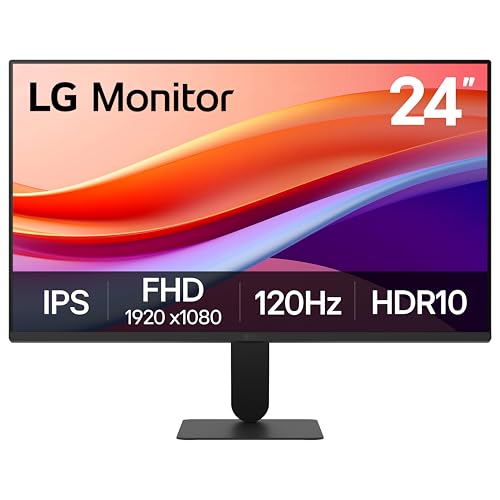
LG 24U411A-B 24-inch Full HD IPS Monitor

LG 27U411A-B 27-inch Full HD IPS Monitor

Amazon Basics 24-inch Full HD IPS Monitor

Amazon Basics 27 Inch Monitor FHD 1080P

KTC 24 Inch Gaming Monitor H24T7

Dell 24 Monitor SE2426H 23.8-inch FHD
More Details On Our Top Picks
Samsung’s 32-inch format gives you a lot of breathing room, and that matters most on a desk where spreadsheets, browser windows, and side-by-side apps pile up fast. The three-sided borderless frame keeps the setup looking tidy, almost like the screen melts into the workspace.
75Hz means the panel refreshes faster than the old 60Hz baseline, so general motion feels a little less sticky in everyday use. AMD FreeSync also helps reduce tearing, which is handy for casual gaming or video that needs to stay smooth, though the 32-inch size can feel large on shallow desks.
Strong Points
- The 32-inch screen gives you room for multitasking without constant tab shuffling.
- The borderless look keeps multi-monitor setups visually cleaner.
- FreeSync is useful for casual play and video playback that benefits from steadier motion.
- HDMI and DisplayPort give you straightforward hookup options for a desktop or laptop dock.
- Advanced eye care features make long work sessions feel less tiring on typical office days.
Things To Consider
- The large panel can overwhelm a compact desk, especially with a keyboard tray.
- 75Hz is a modest step up, not a fast gaming-first spec set.
- Large black screens collect dust quickly, so routine wipe-downs help keep the finish looking neat.
Feature Snapshot
Who It Suits Best
You get the most from this model in a home office, a mixed-use desk, or a casual gaming setup that values screen space more than high-end motion specs.
Where A Sibling Pick Shines
LG 27U411A-B fits better for you if you want a smaller footprint with the same Full HD simplicity and a cleaner desk layout.
A 24-inch monitor is easier to place, and this LG keeps the footprint friendly for dorm rooms, small offices, and laptop sidecar setups. The IPS panel, or in-plane switching panel, is built to hold color and viewing angle better than basic panels, so the picture stays more consistent when you shift in your chair.
120Hz is the real surprise here, because it gives you noticeably smoother cursor movement, scrolling, and lighter gaming than a standard office screen. HDR10 can add more range to compatible content, though the slim stand and compact frame make this feel more about neat everyday work than dramatic multimedia flair.
Highlights
- The 24-inch size fits narrow desks without crowding your keyboard or notebook.
- 120Hz gives scrolling and casual play a more fluid feel.
- IPS viewing helps the image stay steady from angled seats or side positions.
- Reader Mode and Flicker Safe suit long email, document, and browsing sessions.
- The slim base leaves useful space beneath or around the monitor.
Softer Spots
- The smaller screen gives you less room for side-by-side windows than the 27- and 32-inch options.
- HDR10 support depends on the content you feed it, so the effect won’t always stand out.
- The clean black finish looks sharp, but it also shows fingerprints and dust sooner than textured plastics.
Core Details
Who Will Love This
You’ll appreciate this model most if you want a compact screen for office work, study sessions, or a secondary display beside a laptop.
Look Elsewhere When
Samsung 32″ Flat Computer Monitor LS32B304NWNXGO suits you better when wide-screen multitasking matters more than saving desk space.
The 27-inch size lands in a very practical middle ground, larger than a compact office screen but not as desk-hungry as a 32-inch panel. For most home setups, that balance makes it easier to keep documents, chat windows, and a browser open without feeling boxed in.
Like the 24-inch LG, it uses an IPS panel and a 120Hz refresh rate, so you get the same clean viewing behavior with more physical space. The trade-off is straightforward: you gain room, but the Full HD resolution is still stretched across a larger canvas, so text sharpness depends more on your viewing distance than on pixel density alone.
Upsides
- The 27-inch frame gives you more room for work documents and side-by-side tabs.
- 120Hz helps motion look smoother during scrolling and lighter gaming.
- IPS viewing keeps the image steady for shared desks or angled seating.
- HDR10 and Reader Mode give you extra flexibility for mixed home use.
Areas To Watch
- Full HD on 27 inches is workable, though text can feel less crisp than on smaller screens at the same resolution.
- The black finish and slim frame still need occasional dusting to stay presentable.
- It lacks the higher resolution some creative tasks ask for.
Details At A Glance
Best Suited To
This is a smart fit for you if you want a general-purpose monitor that feels roomy without stepping into oversized territory.
A Better Fit Elsewhere
Amazon Basics 24-inch Full HD IPS Monitor makes more sense for tighter desks, since its smaller body is easier to place in compact work areas.
This Amazon Basics monitor is the practical branch of the lineup, especially for offices that still juggle older laptops and a mix of peripherals. HDMI, DisplayPort, and VGA give you more connection flexibility than the LG models above, and that matters in shared workspaces where not everything is brand new.
The adjustable stand also helps, because a little tilt can make a plain desk setup feel far less awkward during long calls or document work. Built-in speakers keep the desk neater, though they’re still a convenience feature rather than a replacement for proper desktop audio.
Bright Spots
- Three video input types make it easier to connect older and newer gear.
- The adjustable stand helps you set a more comfortable viewing angle.
- VESA support gives you wall or arm mounting flexibility.
- Built-in speakers reduce the need for extra desk accessories in basic setups.
Small Caveats
- 75Hz is fine for office use, though it won’t feel as fluid as the faster 120Hz and 144Hz options.
- Built-in speakers usually work best for calls and casual audio, not rich sound.
- The 24-inch size is tidy, but it can feel modest beside the larger Samsung and 27-inch LG screens.
Core Details
Who Should Grab It
You’ll like this pick most if you need a straightforward office monitor with flexible ports and a compact footprint.
Swap It Out When
LG 24U411A-B fits better for you if smoother motion and a cleaner 120Hz panel matter more than having VGA on hand.
This 27-inch Amazon Basics model feels built for a desk where convenience matters as much as screen size. Built-in speakers, USB ports, and VESA compatibility give you a more complete setup right out of the box, which is useful in home offices that need to stay uncluttered.
The 100Hz refresh rate sits neatly between basic office screens and faster gaming displays. That makes scrolling feel smoother than a standard 60Hz panel, but the honest read is that the monitor is still more about all-round utility than flashy motion performance.
Reasons To Buy
- The 27-inch panel gives you a comfortable amount of workspace for daily tasks.
- 100Hz smooths out cursor movement and general scrolling.
- USB ports help keep accessories within reach.
- Built-in speakers suit calls, casual video, and quick desk setups.
- VESA support opens the door to arm mounting and cleaner cable routing.
Room For Improvement
- The built-in speakers keep things simple, though external audio still sounds fuller.
- USB ports are handy, but they also invite cable clutter if the desk already feels busy.
- The 27-inch size works well for many desks, yet it can feel broad in very tight spaces.
Technical Sheet
The Right Fit
This is a solid choice for you if you want a larger everyday monitor that also handles a few practical desk extras.
Reach For A Different Pick When
Dell 24 Monitor SE2426H suits you better if you want a smaller screen with faster 144Hz motion and a lighter footprint.
For gaming-first desks, this KTC stands apart from the more office-leaning LG and Amazon Basics models. The QHD resolution, also called 1440p, gives you denser detail than Full HD, while the Fast IPS panel aims to keep motion and color handling more responsive.
The motion spec is the big draw here, because the monitor supports up to 185Hz and includes Adaptive Sync for steadier gameplay. HDR400 and the height, tilt, and pivot adjustments make it a flexible pick, though the tighter 24-inch size means you’re paying for speed and detail more than sheer screen width.
Best Bits
- QHD resolution gives you finer detail than the Full HD monitors in this roundup.
- Up to 185Hz suits fast-paced gaming and quick on-screen action.
- Adaptive Sync helps reduce visible tearing during motion-heavy play.
- Tilt, pivot, and height adjustment make it easier to tune the viewing position.
- VESA mounting support helps gaming desks stay flexible and orderly.
Trade Offs
- The gaming focus means it’s more monitor than many casual office users need.
- A 24-inch 1440p screen can feel dense, so text scaling may need a little attention.
- Regular dusting around the stand and panel edges helps keep the black finish looking clean.
Quick Facts
Built With In Mind
You’ll get the most from this monitor if your desk spends serious time on gaming and you want sharper detail than a basic office display can offer.
Another Choice May Suit
Amazon Basics 27 Inch Monitor FHD 1080P is a calmer match for general work, especially if you want built-in speakers and USB ports more than high refresh gaming speed.
Dell’s 23.8-inch panel feels tuned for the person who wants fast response without giving up an easy desk footprint. The combination of 144Hz and 1ms MPRT, or moving picture response time, points toward smoother on-screen action for work, games, and streaming.
TÜV 3-star eye comfort certification and AMD FreeSync make this one feel more polished than the entry-level options in the group. The trade-off is simple enough, though, since it stays at Full HD rather than moving to a sharper QHD panel like the KTC.
Positives
- 144Hz gives motion a lively, fluid feel for everyday use and light gaming.
- 1ms MPRT helps moving scenes look cleaner.
- AMD FreeSync supports smoother frame syncing with compatible systems.
- The 23.8-inch size is easy to fit on a standard desk.
- Two HDMI inputs make swapping between devices more convenient.
Worth Noting
- Full HD at this size is good for general use, though it is less detailed than QHD.
- It’s a plain tilt-only design, so you won’t get height or pivot adjustment.
- The screen coating and bezel area still benefit from gentle cleaning to keep fingerprints down.
Feature Card
Whose Shelf It Belongs On
This fits you well if you want a compact monitor that still feels quick enough for mixed work and entertainment.
Where Another Pick Fits Better
KTC 24 Inch Gaming Monitor H24T7 is the stronger choice for you if sharper QHD detail and higher-speed gaming matter more than a tidy office setup.
How To Choose The Right Black Computer Monitors
Start With Screen Size And Desk Depth
Size shapes everything else. A 24-inch monitor fits a narrow workstation and keeps your eyes close to the full panel, while 27-inch and 32-inch screens give you more room for split windows, reference charts, and side-by-side work.
Desk depth matters just as much as the diagonal measurement. A larger black monitor can feel elegant and spacious, but on a shallow desk it quickly becomes the thing you keep nudging back.
Match Resolution To How You Use It
Full HD, or 1920 x 1080, is the common baseline here and works well for office tasks, streaming, and general browsing. On smaller panels, it looks reasonably crisp, while on 27-inch and 32-inch screens it trades sharpness for size and simplicity.
QHD, also called 1440p, adds more detail and gives text a tighter look, which helps in gaming and detail-heavy work. That extra clarity usually asks for more money, so it makes sense most for shoppers who notice pixel density and spend long hours at the screen.
Pay Attention To Motion And Panel Type
Refresh rate describes how many times the image updates each second. A 75Hz panel is fine for office use, 100Hz feels smoother, and 120Hz or 144Hz makes scrolling and casual gaming feel more responsive.
IPS panels are a strong fit for shared desks and side angles because they hold color and contrast more consistently than basic panel types. The trade-off is that pure speed-focused gaming models may still lean toward other panel tuning, so your use case should guide the choice.
Look Closely At Ports And Stand Adjustments
HDMI is the common connection point, but DisplayPort, VGA, and USB ports can change how easy a monitor is to live with. Extra inputs matter in households or offices where more than one device moves through the same screen.
Stand design changes comfort in a practical way. Tilt-only models are simple and stable, while height, pivot, and VESA support make it easier to set up a cleaner desk or an arm-mounted display.
A Quick Reality Check Before You Decide
Mistakes Worth Dodging
Many people focus on size alone and miss the desk fit. A 32-inch screen sounds generous, but on a compact table it can crowd your keyboard and force an awkward viewing distance.
Another common miss is treating refresh rate like a substitute for resolution. Smooth motion helps, but a sharp image still depends on the panel size and pixel count working together.
The Upgrade Payoff
Higher-tier monitors usually cost more because they combine better motion handling, more flexible stands, and stronger panel tuning. You also tend to see extras like 120Hz or 144Hz refresh rates, USB connectivity, and wider adjustment ranges.
The upgrade is worth it when your screen is the center of your day. For gaming, creative work, or long office sessions, those extras can make the monitor easier to live with in a way that basic specs don’t fully capture.
Frequently Asked Questions
What size Black Computer Monitor works best for a small desk?
A 24-inch monitor usually fits best on tight desks because it leaves room for a keyboard, notebook, and speakers. A slim stand helps even more by keeping the base from eating into your workspace.
Is 144Hz useful for work, or only for gaming?
It helps both, though the effect is more obvious in motion-heavy use. Scrolling, window dragging, and casual gaming all feel smoother than they do on a 60Hz panel.
Do IPS panels make a real difference?
IPS panels keep color and viewing angles steadier, which helps when your seating position changes during the day. That makes them a practical fit for shared desks, laptop sidecars, and general home office use.
Should you choose HDMI, DisplayPort, or both?
Both is better when your setup may change over time. HDMI handles most common devices, while DisplayPort can be helpful on desktops that need a more direct monitor connection.
What matters more, size or resolution?
They work together, so the better choice depends on how close you sit and how much detail you want. A larger screen can feel great, but sharper resolution becomes more important as the panel grows.
