
Brown PC cases bring a warmer, more furniture-like look to a desk setup, and that matters more than people expect. You still need airflow, usable fan support, and enough room for your hardware, so style alone doesn’t carry the decision. The eight picks below focus on walnut finishes, tempered glass, and practical layouts that fit real gaming rigs, workstations, and showcase builds. That mix makes the shortlist useful whether you want something subtle or something that turns the tower into part of the room.
Quick Look At The Shortlist

darkFlash DS900WS(2025) ATX PC Case

Hyte Y70 Metaphor ReFantazio Mid-Tower ATX Case

Antec Flux Pro Full-Tower E-ATX PC Case
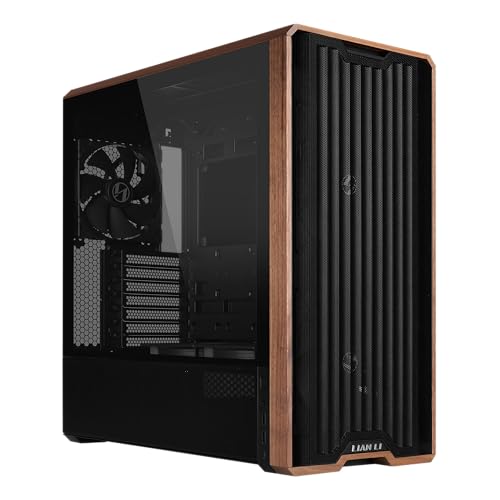
Lian Li LANCOOL 217 ATX Mid-Tower PC Case


Okinos Genuine Walnut Wood Micro ATX Case

Okinos Genuine Walnut Wood PC Case
More Details On Our Top Picks
The walnut trim gives this case a softer look than the usual all-black tower, and the pre-installed 4 x 120mm PWM fans help it feel ready for a gaming desk right away. The 360mm AIO support matters for people running larger liquid coolers, while the Type-C port keeps front-panel access current without turning the front of the case into clutter.
You may appreciate how the wood detail breaks up the industrial feel of a typical mid-tower, especially in a living-room PC or a shared office setup. The trade-off is simple, though, this style-forward approach still needs you to plan cable routing and component fit with the same care you’d give any airflow-focused case.
Strong Points
- Genuine walnut adds a warmer, furniture-like finish.
- Four PWM fans already installed, so the build starts in a practical place.
- Type-C front access suits newer peripherals and external drives.
- 360mm radiator support gives you room for stronger cooling plans.
Small Caveats
- The visual focus can make internal cable work more noticeable.
- Mid-tower sizing still asks for careful parts matching.
- Wood accents add character, but they also make surface care matter more.
Feature Snapshot
Who It Suits Best
Gamers and desk builders who want a walnut-accented ATX tower with ready-made airflow will get the most from this one.
Where A Sibling Pick Shines
HYTE Y70 Metaphor ReFantazio fits you better for a more panoramic showcase build, especially when visual display matters as much as cooling.
The panoramic tempered-glass layout puts the hardware on display in a way the darkFlash case doesn’t, and that’s the whole point here. The included PCIe 4.0 riser cable helps with a vertical GPU arrangement, while the dual-chamber design separates components for a tidier internal layout.
For showcase desks and themed builds, that combination feels deliberate rather than decorative. The honest read is that you’re paying for presentation as much as structure, so it suits you best when the finished look matters enough to justify the extra planning.
Positives
- Panoramic glass makes the system easy to show off.
- Dual-chamber layout can help with a cleaner internal setup.
- PCIe 4.0 riser cable included, which saves an extra part hunt.
- Brown finish keeps the showpiece look warmer than a stark black tower.
Points To Note
- The glass-heavy format asks for more careful handling during setup and cleaning.
- Showcase layouts often need more thought around cable routing.
- Themed styling narrows the appeal compared with plainer cases.
Core Details
Built With In Mind
Showcase-focused PC builders who want a dramatic look with modern layout support will feel at home here.
Another Choice May Suit
Lian Li LANCOOL 217 fits you better for a less theatrical mid-tower that still keeps cooling and flexibility front and center.
This is the big-chassis option in the group, and it reads that way the moment you look at the E-ATX size class and the six included PWM fans. The walnut front panel softens the bulk, while the 90-degree rotated PSU mount and 420mm radiator support point toward a build that wants room to breathe.
That CPU and GPU temperature display is a nice touch for a busy workstation or a high-load gaming setup, because it gives you a quick sense of what the system is doing without opening monitoring software. Depending on your desk space, the full-tower footprint can feel generous or demanding, so this is the pick for people who truly need expansion room.
Highlights
- Full-tower E-ATX sizing gives you serious room to work with.
- Six PWM fans come installed, which helps front-load airflow planning.
- 420mm radiator support suits larger cooling builds.
- CPU and GPU temperature display adds a handy glanceable readout.
- Walnut front panel keeps the large frame from looking cold or bare.
Areas To Watch
- The size makes desk placement a real consideration.
- More chassis volume also means more surface to dust and maintain.
- It’s better matched to advanced builds than to compact spaces.
Technical Sheet
Whose Shelf It Belongs On
Builders with large boards, custom cooling plans, or a lot of internal hardware will benefit most from this chassis.
Swap It Out When
FOIFKIN M2 PC Case fits you better for a smaller mid-tower that still leans hard into fan count and cooling headroom.
The mix of 2 x 170mm, 2 x 120mm, and 1 x 140mm pre-installed fans gives this case a very practical starting point, especially for someone who wants cooling without piecing together the entire airflow plan later. Genuine wood panels keep the look grounded, and the back-connect readiness speaks to builders who care about a tidier front side.
Flexible PSU mounting is the quiet advantage here, because it gives you a little more freedom around layout choices than some simpler mid-towers. Compared with the Hyte Y70, this one feels less display-focused and more like a working case that still looks polished on a desk.
Upsides
- Five pre-installed fans give you a strong cooling base.
- Mixed fan sizes can help balance airflow across the chassis.
- Wood panels add warmth without making the design feel busy.
- Back-connect readiness can help keep the visible side cleaner.
- Flexible PSU mounting helps with build planning.
Worth Noting
- The fan mix may feel more complex than a single-size setup.
- Wood accents still need a little care to stay looking clean.
- Builders chasing a pure showpiece may prefer a more panoramic case.
Feature Card
The Right Fit
Builders who want a calm, practical mid-tower with useful airflow and a refined wood accent will get a lot from this case.
Reach For A Different Pick When
HYTE Y70 Metaphor ReFantazio fits you better for a more dramatic display build with a panoramic glass look.
The M1 keeps the formula straightforward, which is useful for a first ATX build or a no-fuss upgrade. You get a walnut front panel, four pre-installed PWM ARGB fans, and support for a 240mm radiator, so the case covers the basics without feeling stripped down.
That balance makes sense for everyday gaming setups and home-office towers that still deserve a bit of visual character. The trade-off is that it feels more focused on sensible coverage than on the extra flexibility you see in the Lian Li or Antec picks.
Bright Spots
- Four pre-installed PWM ARGB fans give the case a ready start.
- Walnut front panel helps it stand apart from plain budget towers.
- 240mm radiator support covers many common cooling setups.
- Type-C front access adds convenience for newer accessories.
Room For Improvement
- The layout is more straightforward than the higher-feature cases here.
- ARGB styling may be more than some office setups need.
- Smaller cooling headroom than the 360mm-supporting options.
Details At A Glance
Who Should Grab It
First-time ATX builders and cost-conscious shoppers who still want wood styling and included fans are the best fit here.
Where Another Pick Fits Better
darkFlash DS900WS(2025) suits you better when stronger airflow and a more polished mid-tower presentation matter more.
Seven pre-installed PWM ARGB fans push this case into a more cooling-heavy lane than the FOIFKIN M1, and the 360mm radiator support backs that up. The walnut front panel keeps the look warmer than a pure mesh box, which helps it fit better in a bedroom setup or a shared room where the tower stays visible.
For systems that run hotter, that extra fan count gives you more breathing room without needing a pile of add-ons right away. The catch is that more fans also mean more cabling and more surfaces to dust, so you get convenience on the cooling side and a little more upkeep in return.
Standout Traits
- Seven included fans provide a strong built-in airflow setup.
- 360mm radiator support opens the door to larger cooling plans.
- PWM fan control helps the system adapt more smoothly to load.
- Walnut styling keeps the big fan count from looking too industrial.
Softer Spots
- More fans usually mean more cabling to sort during assembly.
- Cleaning takes a bit more attention because there’s more hardware in play.
- The feature set may be more than a light-duty build needs.
Core Details
Best Suited To
Heat-heavy gaming rigs and builders who want cooling headroom without starting from scratch will get the most from this case.
Look Elsewhere When
FOIFKIN M1 works better for smaller, simpler builds that do not need seven fans or the extra wiring that comes with them.
This Okinos model makes the brown-pc-cases theme easier to fit into a smaller desk footprint, because the Micro ATX format keeps things more contained. Four pre-installed 120mm non-PWM fans and the tempered-glass side panel give it enough visual and cooling presence for a compact build that still wants to look finished.
For dorm rooms, office corners, or tighter gaming desks, that smaller footprint is the real draw. The non-PWM fan setup is the trade-off, since it gives you less granular fan-speed control than the PWM-equipped cases above, so the fit is better for simpler systems than for highly tuned rigs.
Positives
- Micro ATX sizing helps it sit neatly on smaller desks.
- Genuine walnut keeps the compact format from feeling plain.
- Four included fans provide a useful baseline right away.
- Type-C support keeps the front panel practical for modern gear.
Points To Note
- Non-PWM fans give you less speed flexibility than PWM units.
- Smaller cases can feel tighter during cable management.
- Tempered glass needs routine wiping to stay clear.
Feature Rundown
Made For
Small-space builders who want wood styling without giving up a visible side panel or front Type-C access will appreciate this case.
Where A Sibling Pick Shines
Okinos Cypress 7 fits you better when you want a larger ATX platform and PWM fans for more control over airflow.
The Cypress 7 keeps the same warm-wood identity but shifts toward a more balanced ATX build, with four pre-installed PWM fans and support for a 360mm top-mounted radiator. That top-radiator option is the detail that separates it from the smaller Okinos case, because it gives you a little more cooling flexibility without jumping to a full tower.
The magnetic tempered-glass side panel also makes maintenance easier than a side panel that feels fussy to remove. For a clean-looking gaming desk or a mixed-use home setup, this is a sensible place to land, as long as you want the ATX format and not the smaller Micro ATX footprint.
Best Bits
- Four PWM fans give you a solid built-in airflow base.
- 360mm top radiator support offers flexible cooling placement.
- Magnetic tempered-glass side panel is practical for access and cleaning.
- Type-C front port keeps the front layout up to date.
Minor Gripes
- The ATX size takes more desk room than the Micro ATX Okinos case.
- Glass and wood finishes both reward a little routine care.
- It leans more toward a balanced build than an all-out showcase.
At A Glance
Built With In Mind
ATX builders who want a tidy wood-and-glass case with practical cooling support and easier side-panel access will be well served here.
Skip It When
FOIFKIN M2 fits you better for a heavier airflow focus, especially when seven fans matter more than a cleaner all-around layout.
How To Choose The Right Brown Pc Cases
Start With Size, Then Match The Parts
ATX, Micro ATX, and E-ATX describe the board size the case is built to hold. That choice affects clearance for the graphics card, cable routing room, and how much open space sits behind the main tray.
A full-tower like the Antec Flux Pro gives you breathing room for large hardware, while a Micro ATX case like the Okinos Cypress 3 Wood keeps the desk footprint tighter. The right size is the one that fits your parts without making the build feel cramped or oversized.
Cooling Support Matters More Than The Finish
Walnut panels look great, but the real day-to-day difference comes from fan layout, radiator support, and airflow path. PWM means pulse-width modulation, which lets the system adjust fan speed more smoothly than a simple fixed-speed setup.
That matters in a gaming room, a warm apartment, or any setup that runs for long stretches. A case like the FOIFKIN M2 gives you a stronger built-in cooling base than a simpler mid-tower, while the darkFlash DS900WS balances style with a more restrained fan count.
Think About Visibility And Maintenance
Tempered glass turns your hardware into part of the room, but it also asks for more wiping and more careful handling. Magnetic panels or cleaner routing help, since fingerprints and cable clutter stand out faster on a wood-and-glass build.
That trade-off is worth accepting when the case sits in plain view on a desk or media console. For a tucked-away tower, the most ornate shell can feel unnecessary, so a more practical pick like the Lian Li LANCOOL 217 often makes more sense.
Match Front Ports And Build Style To Daily Use
Type-C ports are useful for newer drives, docks, and phone connections, so they’re worth treating as a real convenience rather than a small extra. Back-connect readiness also helps, because it can keep the visible side cleaner on builds where presentation matters.
People who swap devices often or move the case around a shared room tend to benefit most from those small layout touches. The right brown PC case should look good, but it should also stay easy to live with after the first week.
Things Worth Knowing First
Where Shoppers Go Wrong
The most common mistake is treating the wood finish as the main decision and ignoring fan support or radiator clearance. That can leave you with a case that looks right but struggles to fit the cooling plan you already had in mind.
Another misstep is buying more case than your desk can comfortably hold. The Antec Flux Pro is a good example of a tower that rewards room, while a smaller desk usually pairs better with the Okinos Micro ATX model.
The Upgrade Payoff
Higher-tier cases usually cost more because you get larger chassis material, more pre-installed fans, better panel hardware, or more flexible internal layouts. Those parts don’t just change the spec sheet, they change how much work you do during assembly.
That extra spend makes sense when you’re building a hot-running gaming rig, a showcase system, or a workstation you expect to keep for years. The Hyte Y70 and Antec Flux Pro sit in that lane, while simpler cases like the FOIFKIN M1 make more sense for lighter builds.
Frequently Asked Questions
Do Brown Pc Cases Run Hotter Than Regular Black Cases?
No, the color itself does not determine thermals. Cooling depends on fan layout, radiator space, and airflow design.
Are Walnut Panels Hard To Maintain?
They usually need gentle dusting and a little more care than plain steel. The finish looks best when you keep fingerprints and dust from building up.
Is A Tempered-Glass Side Panel Worth It?
It helps a build feel cleaner and more finished, especially on a desk. The trade-off is that it shows fingerprints and interior cable work more clearly.
Should You Choose PWM Fans Over Non-PWM Fans?
PWM fans give you more control over speed and noise balance. Non-PWM fans are simpler, but they’re less flexible for tuning.
Which Size Works Best For A First Build?
ATX mid-towers are usually the easiest starting point because they leave more working room. Micro ATX makes sense only when desk space is tight and the parts list stays modest.
Final Thoughts
Brown PC cases work best when you want your tower to feel less like a black box and more like part of the room. The strongest picks here pair walnut accents with sensible airflow, useful front ports, and layouts that suit real hardware instead of just looking pretty on a listing page. For most setups, a mid-tower like the darkFlash DS900WS, Lian Li LANCOOL 217, or Okinos Cypress 7 will feel easiest to live with. Choose the case that fits your space first, then let the wood finish be the part that makes you enjoy seeing it every day.
