
Budget 10-inch subwoofers make sense when you want fuller low-end without giving up the whole cargo area. The right pick depends on enclosure depth, voice coil wiring, and how much amplifier headroom you already have. That matters in a daily commuter, a small hatchback, or a family SUV where space gets used fast. The seven options below cover shallow mounts, loaded enclosures, and classic component woofers, so you can match the sub to your setup instead of forcing the setup around the sub.
Quick Look At The Shortlist
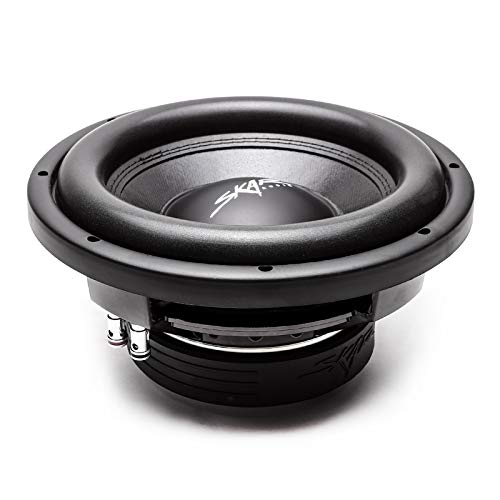
Skar Audio VD-10 D4 10″ Shallow Mount Car Subwoofer
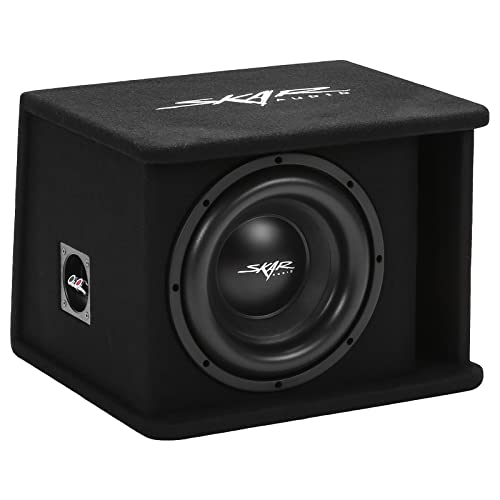
Skar Audio Single 10″ Loaded SDR Series Vented Enclosure SDR-1X10D2
Skar Audio SDR-10 D2 10″ Dual 2 Ohm Car Subwoofer
Skar Audio VD-10 D2 10″ Shallow Mount Car Subwoofer

Pioneer A-Series TS-A2500LS4 Shallow-Mount 10″ Subwoofer

Pyle 10″ Car Audio Subwoofer

Pioneer A-Series TS-A250D4 10″ Subwoofer
More Details On Our Top Picks
That shallow mounting depth is the headline here, and it matters most in cars where every inch behind the trim panel counts. The dual 4-ohm layout also gives you more room to work with the amplifier side, which helps a tidy install feel less cramped.
Compared with Skar’s loaded enclosure later in the list, this VD-10 keeps you in component-subwoofer territory, so you stay in charge of box design and tuning. That makes it a stronger fit for someone who already has a cabinet in mind, or for a build where the trunk needs to stay usable.
Strong Points
- Low-profile design helps in shallow spaces.
- Dual 4-ohm wiring gives useful setup flexibility.
- Pressed-paper cone construction keeps weight modest.
- Stitched foam surround supports everyday bass duty.
- A 4.41-inch mounting depth suits tighter enclosures.
Things To Consider
- You still need the right box, so planning takes more work than with a preloaded enclosure.
- The 85.1 dB sensitivity suggests it rewards sensible amplifier matching more than brute force.
- Shallow-mount designs can be less forgiving of sloppy enclosure sizing.
Core Details
Who It Suits Best
Car owners building around a shallow box and a custom amplifier match get the most from this one.
A Better Fit Elsewhere
Skar Audio Single 10″ Loaded SDR Series Vented Enclosure SDR-1X10D2 suits you better when you want a ready-made setup with less enclosure planning.
Preloaded enclosures like this save you from piecing together a box and driver separately, which is a relief in a weekend install. The vented design, with its ported layout, usually brings a fuller low-end feel than a sealed cabinet, though it does ask for more room.
Unlike the bare VD-10 above, this package is built for people who want a simpler route into vehicle bass without juggling dimensions and cut lists. In a pickup bed cover or a family SUV cargo bay, that convenience can matter more than chasing a custom look.
What We Like
- Loaded design removes a lot of setup guesswork.
- Vented cabinet usually gives bass a bigger feel.
- Prewired layout helps speed up installation.
- Good match for shoppers who want one box and done.
Worth Noting
- The enclosure footprint takes more cargo space than a shallow bare sub.
- Ported boxes often need a little more care with placement and rattles.
- You have less freedom to fine-tune cabinet design than with a component driver.
Feature Snapshot
Who Should Grab It
It suits you best when you want a straightforward enclosure with less measuring and fewer extra parts.
Another Choice May Suit
Pioneer A-Series TS-A250D4 works better for you when adjustable wiring and a more custom setup matter more than convenience.
This SDR-10 D2 sits in the middle ground many car audio projects need, with dual 2-ohm wiring that opens up useful amp-matching options. For people building a system from scratch, that flexibility can save headaches later.
Compared with the shallow VD-10 models, this one leans more toward traditional component use, so it makes more sense in a properly sized box than in a cramped spare-tire-style bay. The honest read is that it rewards a little planning, which is fine for hobbyists and still approachable for first-time upgraders.
Highlights
- Dual 2-ohm coils give wiring flexibility.
- Built for stronger amp pairing options.
- The 1200-watt max figure leaves room for a serious upgrade path.
- Good fit for a custom enclosure build.
Points To Note
- You still need the right enclosure, so installation takes a little more planning.
- It is less space-friendly than the shallow-mount VD series.
- Matching the amp carefully matters if you want clean system balance.
Technical Sheet
Built With In Mind
It suits hobbyists who want a custom build and plan to spend time on amp and enclosure matching.
Where A Sibling Pick Shines
Skar Audio Single 10″ Loaded SDR Series Vented Enclosure SDR-1X10D2 fits better for people who want an easier all-in-one route.
Space-conscious builds tend to appreciate shallow mounts, and this dual 2-ohm version keeps the same slim-minded approach while giving you flexible wiring. That makes it a handy fit for daily drivers where the cargo area still needs to do cargo-area things.
Compared with the dual 4-ohm VD-10, this model suits different amplifier plans, so your amp choice matters as much as the cone itself. One thing worth considering is that shallow subs often ask for cleaner enclosure work, because cramped installs leave less room for sloppy fitment.
Upsides
- Shallow depth helps in tight vehicle spaces.
- Dual 2-ohm coils give flexible system matching.
- Pressed paper cone keeps the build straightforward.
- Foam surround adds useful compliance for bass movement.
Softer Spots
- You still need a well-sized box for good results.
- The 4.41-inch mounting depth still needs a careful check in very tight enclosures.
- Owners with noisy trim may want to secure the surrounding panels well.
Details At A Glance
Right Fit For
It suits drivers who need a slim sub and want dual 2-ohm wiring for their amplifier plan.
Look Elsewhere When
Pioneer A-Series TS-A2500LS4 makes more sense for you when you want a shallow sub with a more polished factory-system feel.
Pioneer’s shallow-mount approach makes sense for systems that need bass without swallowing the cargo floor. The A-series pairing angle is useful too, because it points to a cleaner factory-style audio upgrade rather than a fully custom show build.
Compared with Skar’s VD shallow options, this one leans a little more polished in its positioning, which may suit you better in a daily car that still carries groceries, strollers, or work gear. The trade-off is the usual shallow-sub reality, where enclosure planning still matters even though depth stays manageable.
Reasons To Buy
- Shallow design helps preserve usable space.
- A-series compatibility is handy in mixed-systems.
- Glass-fiber and mica reinforced cone materials add stiffness.
- Good fit for more polished daily setups.
Room For Improvement
- Shallow formats still ask for careful box sizing.
- You may want a system that already leans toward Pioneer gear to get the smoothest pairing story.
- The design focus is more controlled than wild, so it may not suit bass-first builds.
Feature Rundown
The Right Fit
It suits you best when you want a shallow Pioneer sub for a tidy daily-driver install.
Skip It When
Skar Audio SDR-10 D2 is the better call for hobbyists who want a more traditional component-first route.
Pyle’s Red Label styling gives this one a more visual edge than the darker, more utilitarian Skar and Pioneer options above. The 4-ohm single voice coil format keeps the wiring simple, which is handy for a basic stereo refresh or a first subwoofer step.
You may find the cone finish more expressive than you need, but the useful part is the straightforward build and the modest power target. It fits best in systems where you want extra low end without turning the install into a weekend project.
Best Bits
- Single voice coil wiring keeps setup simple.
- Red electroplated cone adds a distinct look.
- Kapton voice coil construction supports heat tolerance.
- Good entry point for modest audio upgrades.
Minor Gripes
- It gives up flexibility compared with dual-coil models.
- The styling helps with looks, but that does not change enclosure planning.
- Owners who want more tuning options may outgrow it sooner.
Core Details
Whose Shelf It Belongs On
It suits you best when you want a straightforward 10-inch sub for a simple system refresh.
Where Another Pick Suits Better
Skar Audio VD-10 D2 fits better for installers who need a shallow mount and more wiring flexibility.
This Pioneer model is the flexible one in the group, and that matters for systems where amp matching is still being decided. The 1.0 cubic foot vented and 0.7 cubic foot sealed guidance gives you a clearer setup lane than many budget subwoofers offer.
Compared with the Pyle entry above, this sub is aimed more at a planned audio build than a basic replacement. For DIY installers who like to tune the enclosure around the driver, that extra room to choose sealed or vented can make the whole project feel less boxed in.
Positives
- Dual 4-ohm wiring broadens amplifier options.
- Works in either sealed or vented boxes.
- Reinforced cone material suits more controlled bass playback.
- Good fit for custom system tuning.
Areas To Watch
- You still need the right enclosure, so the install takes planning.
- Dual 4-ohm wiring may feel less plug-and-play than a loaded enclosure.
- It suits a tuned build better than a quick swap-in replacement.
Feature Card
Perfect Match For
It suits you best if you want a Pioneer sub with flexible wiring and a more hands-on build path.
Swap It Out When
Pioneer A-Series TS-A2500LS4 is the easier fit for shallow installs where space matters more than wiring options.
How To Choose The Right Budget 10 Inch Subwoofers
Match The Sub To Your Space
Depth matters more than most people expect. A shallow-mount sub, such as the Skar VD series or Pioneer TS-A2500LS4, helps in hatchbacks, spare-tire bays, and sedans with tight trunk bracing.
A regular component sub gives you more freedom in cone and coil design, but it usually asks for a more thoughtful box. That trade-off is fine for a hobbyist with room to plan, less friendly for a rushed install on a Sunday afternoon.
Understand The Wiring Before You Commit
Voice coil impedance, usually 2 ohm or 4 ohm here, tells you how the sub can be wired with the amplifier. Dual-coil models like the Skar SDR-10 D2 or Pioneer TS-A250D4 give you more flexibility, which helps when your amp choice is already set.
Single-coil options like the Pyle keep things simpler. That simplicity is handy for basic systems, though it leaves you with fewer ways to fine-tune the load.
Decide Between Bare Driver And Loaded Enclosure
A loaded enclosure such as the Skar SDR-1X10D2 is the shortcut path. You get the sub and box together, which cuts down on matching mistakes and shortens the install process.
A bare driver gives you more control over cabinet size, port tuning, and placement. That extra control is useful in a custom build, but it also means you carry the full burden of getting the enclosure right.
Balance Power Needs With Real Use
Max power numbers can look exciting, yet RMS or nominal power tells you more about steady use. Matching the amp to the working rating keeps the system feeling composed in daily driving, especially on long commutes or with the volume up for hours.
Higher power handling also tends to suit people who want headroom, not just loud notes. For simple factory-radio upgrades, a modest sub often makes more sense than chasing a large wattage figure that the rest of the system cannot support.
What To Weigh Before You Commit
Common Shopping Slip Ups
Many installs go wrong because the enclosure is too large, too small, or simply wrong for the sub. That problem shows up fast in compact trunks, where a few inches can decide whether the sub fits cleanly.
Another easy miss is ignoring coil impedance. A dual 2-ohm or dual 4-ohm driver gives you options, but only when the amplifier and wiring plan are chosen with care.
The Case For Spending Up
Higher-tier budget models usually spend the extra money on cone reinforcement, better cabinet design, or more wiring flexibility. That often leads to cleaner integration and less frustration during installation.
You also tend to get more useful setup paths, such as sealed versus vented box support or a preloaded enclosure that removes guesswork. For a system you plan to keep for years, that added control can be worth the step up.
Frequently Asked Questions
What makes a 10-inch sub a good budget choice?
A 10-inch sub usually gives you a solid mix of bass output and space savings. It suits daily drivers where cargo room still matters.
Should you choose a shallow mount?
A shallow mount makes sense in tight enclosures, under-seat spaces, and smaller trunks. It usually asks for more careful box planning than a standard-depth driver.
Is a loaded enclosure easier to install?
A loaded enclosure is easier because the box and driver arrive together. You still need to match the amp and check physical fit, but the setup path is simpler.
What does dual voice coil change?
Dual voice coils give you more wiring options with the amplifier. That flexibility helps when you already know the load you want to present.
Do sealed and vented boxes sound the same?
Sealed boxes usually sound tighter, while vented boxes often feel fuller in the low end. Your space and listening style decide which path makes more sense.
