
Getting a first server case right usually comes down to airflow, drive support, and how painless the layout feels during a weekend build. You want something that leaves room for cables, storage, and the occasional upgrade without turning the desk into a mess. The picks below focus on practical ATX and micro-ATX cases that suit starter server setups, home lab machines, and basic tower builds that need to stay sensible on budget.
Quick Shortlist For Starter Server Builds
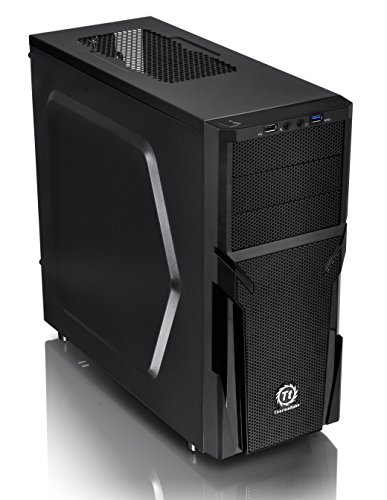
Thermaltake Versa H21 SPCC ATX Mid Tower

DARKROCK EC2 ATX Mid Tower Gaming PC Case

Thermaltake View 270 Plus TG ARGB Black Mid Tower

Micro ATX Case PC Case USB3.0

MUSETEX Y6 PC Case Pre-Installed 7 Infinity Mirror Fans

MOROVOL MATX PC Case 270° Panoramic Glass
Antec VSK4000E-U3_US Mid-Tower ATX PC Case

Okinos Genuine Walnut Wood PC Case Mirage 6
More Details On Our Top Picks
Versa H21 leans old-school in the useful way, with an SPCC steel frame that suits a first server tower without asking for much fuss. For a garage shelf, a spare room corner, or a basic file-sharing machine, that plain layout can feel easier to live with than flashier glass-heavy cases.
The honest read is that you get a straightforward shell rather than a feature parade, and that’s exactly why it fits beginner server builds. Compared with the darker, showier DARKROCK EC2 and MUSETEX Y6, this one keeps the focus on fundamentals instead of presentation.
Strong Points
- SPCC steel gives you a sturdy, no-nonsense chassis for a machine that may sit powered on for long stretches.
- The ATX mid-tower size leaves room for a standard desktop-style build without forcing you into a cramped layout.
- Its understated black finish blends into workspaces, utility rooms, or a small office rack area.
- Maintenance tends to stay simple because there is less styling clutter to collect dust around.
Things To Consider
- You are getting a basic chassis, so airflow and expansion planning matter more than visual extras.
- The plain design will feel sparse beside tempered-glass cases like the Thermaltake View 270 Plus TG ARGB.
- Disk-heavy home labs may prefer the Antec VSK4000E-U3_US, which is built around more internal drive spots.
Feature Snapshot
Who It Suits Best
Starter builders who want a straightforward ATX tower for a home server, backup PC, or office machine will get the most from this case.
Where A Sibling Pick Shines
The Antec VSK4000E-U3_US suits storage-heavy setups better, especially for anyone planning several internal drives from the start.
The DARKROCK EC2 feels aimed at a more modern desktop server, especially one that also pulls double duty for gaming or media work. Type-C readiness matters here because a front USB-C port can make quick transfers and device hookups less awkward on a busy desk.
Unlike the Thermaltake Versa H21, this case pushes harder toward current hardware support and cooling flexibility, so it makes more sense for a newer build with upgrade plans. You may find the tempered-glass side panel useful in a visible office setup, though it does invite more frequent wiping than a steel-only shell.
Highlights
- Type-C readiness suits newer peripherals and external drives that rely on that connector.
- Support for larger graphics cards gives the case room for a mixed-use machine that may do more than file serving.
- The tempered-glass side panel makes visual inspection easier during cable management or hardware checks.
- Fan and radiator support point toward a build that can handle warmer parts more comfortably.
Room For Improvement
- Glass looks sharp, but it usually asks for more regular cleaning than the simpler Thermaltake Versa H21.
- The feature set makes more sense for a flexible desktop than for a bare-bones server tucked out of sight.
- Owners who mainly want drive storage may prefer the Antec VSK4000E-U3_US instead.
Core Details
Made For
Builders who want a modern-looking ATX case for a server desktop that still feels ready for future upgrades will appreciate this one.
Another Choice May Suit
The Thermaltake Versa H21 makes more sense for a stripped-down home server that values simplicity over connector count and styling.
With its front and side tempered-glass panels, the View 270 Plus TG ARGB clearly cares about presentation, but it is not just a display piece. Three included 120 mm ARGB fans mean you start with visible airflow and lighting already in place, which helps a showcase server feel complete without extra shopping.
Compared with the Thermaltake Versa H21, this model is much more about appearance and cooling headroom, so it suits a visible desk setup or a home lab you actually want people to notice. The trade-off is more surface area to clean, and that tends to matter once fingerprints start collecting.
Upsides
- Three included ARGB fans reduce the amount of extra hardware you need to think about at the start.
- Support for a 360 mm radiator gives you room for higher-output cooling setups.
- Dual tempered-glass panels create a cleaner showcase look for a desk-side build.
- The E-ATX support broadens compatibility for larger boards in more ambitious builds.
- Lighting and glass together make sense for a server that also acts as a show PC.
Points To Note
- Glass panels need regular cleaning, especially in a room that sees daily use.
- The design focus can feel excessive for a hidden storage server or backup rig.
- For a more restrained look, the Antec VSK4000E-U3_US is easier to live with.
Details At A Glance
Right Fit For
Visible home labs, showcase desktops, and builders who want a more polished ATX or E-ATX enclosure will get the most value from this case.
A Better Fit Elsewhere
The Thermaltake Versa H21 suits a quieter, simpler server build better, especially for a tucked-away machine where looks matter less.
This JOYJOM case is the size-conscious pick in the group, and that matters a lot in a dorm desk, a narrow shelf, or a small office where every inch counts. Its support for Micro ATX, MATX, DTX, and ITX boards gives you a lot of layout flexibility for a modest chassis.
Compared with the larger Thermaltake and Antec towers, this one is the easiest shape to picture in a tight setup. The catch is that small cases usually reward tidy planning, so cable routing and drive placement deserve more attention than they would in a roomy mid tower.
Best Bits
- Small size helps the case fit on cramped desks or in tight storage spaces.
- Support for several motherboard formats gives you room to choose a leaner build.
- USB 3.0 support keeps front-panel access practical for everyday transfers.
- 3.5-inch HDD support is useful for a starter server that still needs local storage.
Areas To Watch
- Compact interiors can make cable management feel more exacting than in the ATX towers here.
- Small-format builds leave less breathing room for oversized cooling plans.
- The unflashy exterior is right for utility, though it will not stand out on a showcase desk.
Feature Rundown
The Right Fit
Space-limited builders, students, and small office setups that need a compact server case will find this one easiest to place.
Skip It When
The Antec VSK4000E-U3_US is the better route for a storage-first build that needs more internal drive room.
The MUSETEX Y6 is for the person who wants a server-like desktop to look lively right out of the box. Seven pre-installed PWM ARGB fans mean a lot of visual motion and plenty of built-in cooling coverage, so the case starts out feeling populated rather than bare.
That fan count makes it a very different choice from the simpler Thermaltake Versa H21, and the 270-degree full-view glass pushes it even further toward display-first use. The downside is obvious enough, this is not the quiet, hidden tower you tuck under a desk and forget about.
Reasons To Buy
- Seven pre-installed fans reduce the number of parts you need to source separately.
- PWM control helps cooling respond more smoothly to changing workloads.
- The 270-degree glass view suits a desk build you actually want to show off.
- Type-C support adds practical convenience for modern accessory use.
- The strong visual identity can work well in a living room or studio setup.
Minor Gripes
- All that glass and lighting makes the case more of a visual feature than a discreet server shell.
- Fingerprints and dust are easier to notice on a display-focused build.
- For a plain utility machine, the Thermaltake Versa H21 remains the simpler route.
Feature Card
Who Should Grab It
Builders who want a lively ATX case for a visible server desktop or gaming setup will get the most from this one.
Look Elsewhere When
The Thermaltake Versa H21 fits a basic home server more naturally, especially where simplicity matters more than lighting.
MOROVOL takes the glass-heavy route too, but with a slightly calmer three-fan setup that feels more measured than the MUSETEX Y6. The 270-degree panoramic panel gives you a wide look at the interior, which can be nice in a bedroom setup or a shared space where the case stays visible.
It lands between the stripped-down Thermaltake Versa H21 and the more dramatic MUSETEX model, so it suits someone who wants a little style without going all-in on lighting. One thing worth considering is dust, because panoramic glass tends to make buildup easier to spot.
Bright Spots
- Three pre-installed fans give you a cleaner starting point than a bare chassis.
- The 270-degree tempered-glass view makes the build easy to inspect and display.
- USB 3.0 adds convenient front access for storage devices and peripherals.
- Micro-ATX sizing keeps the case compact enough for smaller desks or shelves.
Softer Spots
- The glass-heavy look asks for regular wiping, especially in a room with frequent use.
- Space inside will feel tighter than the mid towers in this roundup.
- For a more storage-oriented box, the Antec VSK4000E-U3_US has the clearer advantage.
Core Details
Whose Shelf It Belongs On
Micro-ATX builders who want a tidy, visible case for a small server or gaming PC should find this one appealing.
Swap It Out When
The Thermaltake View 270 Plus TG ARGB makes more sense for someone who wants a broader showcase look and more lighting already installed.
The Antec VSK4000E-U3_US is the storage-first choice here, and that shows immediately in the way its drive support is laid out. Five internal 3.5-inch hard drive bays plus three 5.25-inch bays make it a strong fit for a beginner server that needs room to grow over time.
Compared with the Thermaltake Versa H21, this case is much more about expansion than appearance, and the SGCC steel build gives it a workmanlike feel. It may not be the prettiest item in the group, but for a utility box that needs to stay organized, that can be exactly the point.
Best Bits
- Five internal 3.5-inch bays make it well suited for a server that stores a lot locally.
- Three 5.25-inch bays help with legacy devices or accessories that still need that space.
- SGCC steel gives the chassis a durable, practical feel for long-term use.
- The mid-tower ATX layout keeps it familiar for standard desktop builds.
Points To Note
- The utilitarian styling is a long way from the glass-heavy Thermaltake View 270 Plus TG ARGB.
- More bays can mean more planning, so airflow and cable routing need attention.
- Dust management around extra drive bays is worth keeping on your weekly checklist.
Technical Sheet
Built With In Mind
Home lab users and storage-heavy builders who want a simple ATX case with many drive spots should gravitate toward this one.
Where Shoppers Go Wrong
The JOYJOM Micro ATX Case makes more sense for a much smaller desk setup, where physical footprint matters more than drive count.
Okinos takes a more design-led path, pairing genuine walnut wood with a panoramic tempered-glass side panel for a look that feels warmer than the usual all-black tower. Four pre-installed 120 mm ARGB and PWM fans also keep it from being pure decoration, so the case makes sense for a visible workstation or home server in a shared room.
Compared with the MUSETEX Y6, this one feels more restrained and a bit more furniture-like, which may suit a living space better. The trade-off is that the premium materials and broad glass panel make it a case you will probably want to dust more often.
Plus Points
- Walnut wood gives the exterior a warmer look than the usual steel-and-glass formula.
- Four included 120 mm fans provide a solid baseline for cooling.
- Type-C support keeps the front panel useful for newer accessories.
- Panoramic tempered glass helps the interior feel open and easy to view.
- The case works well as a visible desktop server in a living room or studio.
Small Caveats
- Wood and glass both call for a bit more care during cleaning and placement.
- The design focus is stronger than on the Thermaltake Versa H21, so plain utility users may not need all of it.
- Styling can pull attention away from a machine that is meant to disappear into a work corner.
Feature Rundown
Perfect Match For
Style-conscious builders who want an ATX case that looks at home in a living room, studio, or design-heavy office will appreciate this one.
Where A Sibling Pick Shines
The Antec VSK4000E-U3_US is the better fit for a plain storage server where drive bays matter more than materials.
How To Choose The Right Budget Pc Cases For Beginner Server Pc
Fit, Airflow, And Expansion
The first choice is size, and it shapes everything that follows. ATX mid towers such as the Thermaltake Versa H21 and Antec VSK4000E-U3_US leave more room for drives, cabling, and future motherboard swaps, while micro-ATX cases keep the footprint smaller for cramped rooms.
Airflow matters just as much, especially for a machine that may run for long stretches. Fan mounts, radiator clearance, and panel design all affect how easily heat escapes, and a case with only a single pre-installed fan asks more of your cooling plan than one with three or four.
Storage And Cable Planning
Beginner server builds often grow around storage, not graphics cards. Drive bays, internal mounting spots, and front I/O layout affect how comfortably you can add hard drives, keep cables out of the way, and reach ports without opening the whole system.
The Antec VSK4000E-U3_US is a strong reminder of that trade-off, because its many drive bays suit a storage-heavy machine while its utility-first layout asks for careful planning. Smaller cases like the JOYJOM Micro ATX Case PC Case USB3.0 need cleaner cable routing from day one, or the build starts feeling cramped.
Materials, Noise, And Everyday Living
Steel cases usually feel more practical in a tucked-away server nook, while tempered glass and ARGB lighting make more sense for a visible desktop. That difference affects cleaning too, since glass shows fingerprints and dust more readily than a plain steel panel.
Noise control also depends on the rest of your setup, but cases with more open airflow and multiple fans often give you more room to tune things down. For a shared space, the calmer Thermaltake Versa H21 tends to feel easier to live with than the MUSETEX Y6 or the Okinos Mirage 6.
Ports And Future Changes
Front USB-C can be handy even in a beginner server, particularly for quick backups or external drives. Type-C support appears on the DARKROCK EC2, MUSETEX Y6, and Okinos Mirage 6, which makes those cases friendlier to newer accessories.
That said, front ports should never be the only reason you choose a case. A well-planned interior, enough drive support, and decent cooling space matter more once the machine starts doing real work.
Things Worth Knowing First
Common Shopping Slip Ups
Plenty of first-time builders focus on looks and forget the basics. A glass-heavy case can be tempting, but a hidden server usually benefits more from extra drive room, easier cleaning, and a layout that keeps cables from blocking airflow.
Another common miss is choosing a case that feels small now but leaves no path for another drive or a larger cooler later. The safer move is to match the case to the build you expect six months from now, not just the one on the desk today.
What The Higher Tier Buys
More expensive cases usually spend the extra money on included fans, better material mixes, wider viewing panels, and broader connector support. That helps when you want a machine that does more than sit in a corner, especially in a living room, studio, or visible office.
For a basic backup server, that upgrade can be unnecessary. For a multipurpose desktop that stays on display, the added cooling hardware and nicer finish can be worth it because they save you from sourcing more parts later.
Frequently Asked Questions
What case size works best for a beginner server build?
ATX mid towers are the safest starting point because they leave room for drives, cables, and cooling hardware. Micro-ATX cases fit smaller spaces better, but they ask for tighter planning.
Do you need tempered glass on a server PC case?
No, and many server builds are easier to maintain without it. Glass makes sense when the machine sits in view and you care about appearance.
How many fans should a starter server case have?
Three fans is a very workable starting point for a basic tower. More fans help in hotter builds, but airflow design matters more than raw count.
Why does drive bay layout matter so much?
A server often grows around storage, so the bay count can shape how long the case stays useful. More mounting spots also make future upgrades easier to plan.
Is Type-C worth paying attention to on a case?
It helps if you use newer phones, drives, or accessories at the front of the machine. For a tucked-away server, it is useful but not as important as airflow and drive support.
Final Thoughts
You do not need a fancy case to build a solid beginner server PC. You need enough room for the parts you already own, a layout that keeps cables sensible, and cooling that matches how hard the machine will work. The Thermaltake Versa H21 and Antec VSK4000E-U3_US are the calm, practical routes, while the DARKROCK EC2, MUSETEX Y6, and Okinos Mirage 6 lean more modern and visible. Match the case to where the server will live, and the build feels easier from the first screw to the last cable tie.
