
Choosing a 2 channel amp is really about matching power, tuning, and install complexity to your setup. Some of these fit a simple speaker upgrade, while others make more sense for a subwoofer or a more serious car audio build. You’ll see a mix of compact boards, car-specific amplifiers, and bridgeable models, so you can sort out what fits your dash, trunk, or DIY bench without guessing.
The Shortlist At A Glance

ARRAROWN ZK-1002T RPO Bluetooth 5.0 Amplifier Board
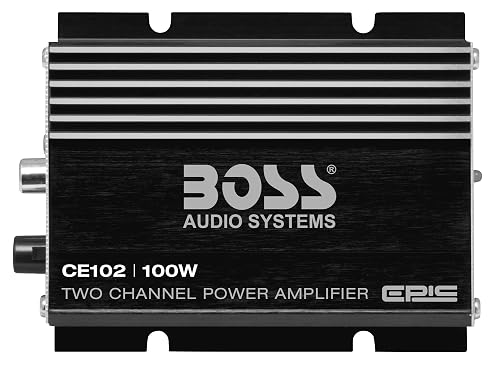
BOSS Audio Systems CE102 2 Channel Car Amplifier
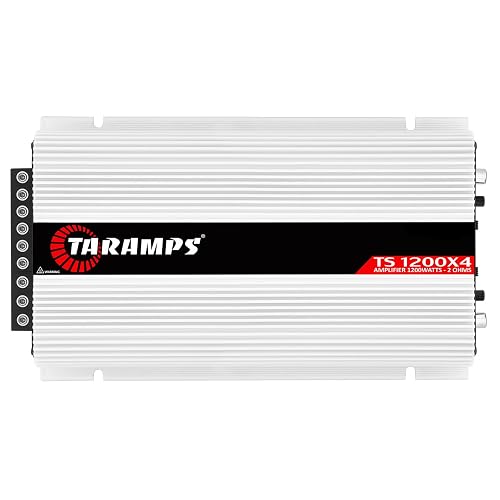
Taramps TS 1200 Watt Amp 4 Channel Amplifier
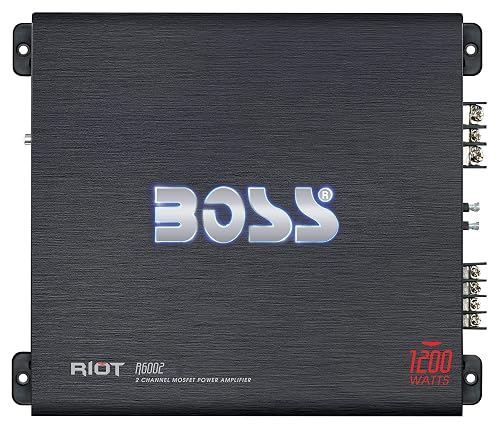
BOSS Audio Systems R6002 2 Channel Car Audio Amplifier
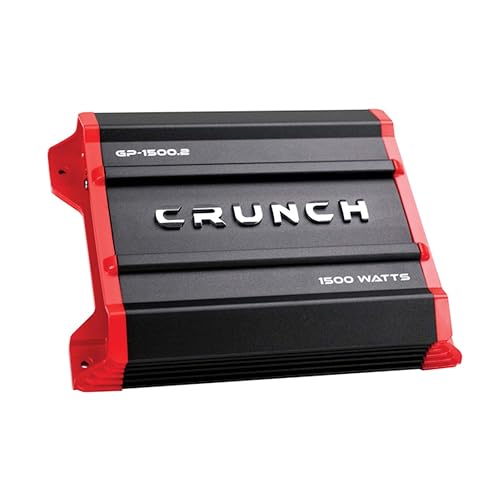
Crunch Ground Pounder GP-1500.2 1500 Watt 2 Channel Amplifier

Pioneer GM-A5702 1000W Max Class AB Bridgeable 2-Channel Car Amplifier
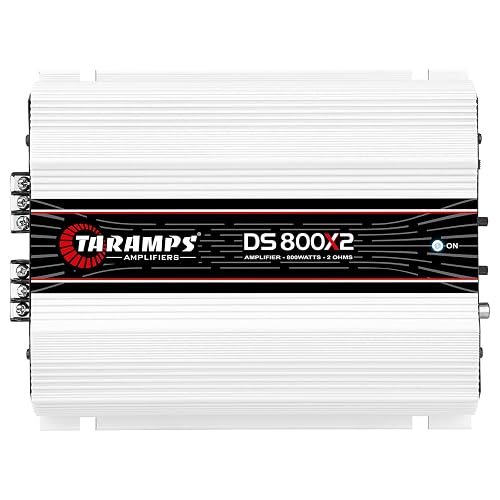
Taramps DS 800×2 2 Channels 800 watts RMS
More Details On Our Top Picks
Small DIY audio projects often benefit more from control than brute force, and this board leans into that idea. Bluetooth 5.0, USB, and AUX inputs give you several ways to feed sound into a compact setup, while the separate treble and bass controls help you shape the output without leaning on the source device. The honest trade-off is that you’re working with a board meant for hands-on builders, so neat wiring and a suitable DC 12 to 24V supply matter.
Compared with the car-focused picks later in the list, this one feels more like a bench or cabinet solution than a trunk install. That makes it a smart match for desktop speakers, workshop audio, or a custom subwoofer project where you want easy tone adjustment and a simple signal path.
Strong Points
- Bluetooth, USB, and AUX inputs give you flexibility across different source devices.
- Independent treble and bass controls let you tune sound without touching the player.
- The 2.1-channel layout suits compact stereo-plus-sub builds better than basic two-way boards.
- Its DC 12 to 24V range helps it fit more DIY power setups.
Things To Consider
- AUX use requires the Bluetooth connection on the module to be disconnected, which adds one extra step.
- It’s a project board, so enclosure planning and tidy wiring are part of the job.
- The low-noise and interference-suppression features sound useful, yet final results still depend on the rest of your setup.
Feature Snapshot
Who It Suits Best
DIY audio hobbyists who want a compact amplifier board with built-in tone shaping will get the most from it.
A Better Fit Elsewhere
BOSS Audio Systems CE102 is a cleaner fit for car owners who want a simpler, vehicle-specific install.
For a straightforward car audio upgrade, this one keeps the feature set easy to understand. High- and low-level inputs matter because they help the amp work with different head units, and the high-pass and low-pass crossover controls give you a way to steer the sound toward speakers or bass duty. Professional installation is strongly advised, so this fits better in a planned install than in a rushed weekend job.
Compared with the ARRAROWN board above, this model is much more vehicle-specific and far less about DIY experimentation. That makes it a practical pick for drivers who want a cleaner path to better cabin sound without wading into an overly complex setup.
What We Like
- High- and low-level inputs help it work with a wider range of car stereos.
- The crossover controls let you send the right frequencies to the right part of the system.
- Its compact two-channel format suits simple speaker upgrades.
Points To Note
- Installation is not the kind of task most people want to rush.
- It makes more sense for a planned car audio job than a casual add-on.
- You’ll get the best result from careful tuning, not just a basic plug-in approach.
Core Details
Built With In Mind
Car owners planning a modest sound upgrade and comfortable with professional install help will appreciate this one.
Another Choice May Suit
Crunch Ground Pounder GP-1500.2 suits drivers who want more output headroom and bridged flexibility.
Once you move from a basic two-channel setup into a larger system, input flexibility starts to matter more. This Taramps model brings RCA and wire-level inputs, automatic turn-on, bridgeable channels, and full-range crossover control, so it can fit OEM radios or aftermarket gear without feeling boxed in. The trade-off is that the extra routing options make setup more demanding than a simple plug-and-play amp.
Against the BOSS CE102, this one makes more sense for a fuller system where you want room to grow. It fits drivers building around multiple speakers or mixed speaker-and-sub arrangements, especially in trucks and SUVs where one amp may need to do more than a single narrow job.
Upsides
- RCA and wire-level inputs help it slot into different factory or aftermarket systems.
- Automatic turn-on makes integration with OEM radios less awkward.
- Bridgeable channels give you more flexibility for system layout.
- Full-range crossover control helps you tune the output more precisely.
Areas To Watch
- More connection options usually mean more planning during install.
- The broader feature set can feel like overkill for a very simple two-speaker setup.
- Professional installation is a sensible path for a clean result.
Details At A Glance
Who Should Grab It
Drivers planning a more layered car audio build, especially with mixed speaker duties, should look here first.
Skip It When
BOSS Audio Systems R6002 makes more sense for a simpler two-channel upgrade without the extra routing choices.
This is the kind of two-channel amp that fits a lot of ordinary car audio upgrades without asking for a complicated plan. The class A/B design usually appeals to people who want a familiar, full-range style of amplification, and the bridgeable layout gives you room to adapt the amp for different speaker or bass roles. It’s less flexible than the Taramps TS 1200, but the simpler approach can be a plus for a clean install.
For daily driving, that straightforward setup is often enough. You may find it especially sensible for an older car stereo refresh or a modest speaker-and-sub arrangement where you care more about steady output than a long list of connection modes.
Bright Spots
- Bridgeable channels make the amp easier to adapt as your system changes.
- Its two-channel format keeps installation and planning more direct.
- Class A/B amplification is a familiar fit for full-range car audio use.
- It suits routine upgrades without feeling fussy.
Softer Spots
- The feature set is simpler than what you get from the Taramps picks.
- Drivers chasing highly detailed tuning may want more crossover control.
- As with most car amps, a neat wiring job pays off in reliability and tidiness.
Quick Facts
Right Fit For
Drivers wanting a simple, dependable car audio upgrade with enough flexibility for later changes will feel at home here.
Look Elsewhere When
Pioneer GM-A5702 is the better match for shoppers who want a more polished bridgeable class A/B option.
Power-focused builds tend to gravitate toward amps like this, especially when the goal is more muscle from a two-channel layout. The quoted 2-ohm and bridged figures point to a model that can handle tougher demands, and the variable electronic crossover adds another layer of control for shaping the output. The catch is that its strengths show best in systems where the rest of the gear can keep up.
Compared with the BOSS R6002, this Crunch model is more about output headroom and system flexibility. That makes it a stronger fit for drivers who already know they want a harder-hitting setup rather than a gentle factory replacement.
Reasons To Buy
- Higher-output positioning works well for stronger speaker or bass demands.
- Bridged operation adds another route for system planning.
- The variable electronic crossover helps you tailor the frequency split.
- Its three operating modes make it easier to adapt to different builds.
Minor Gripes
- More power only helps when your wiring and speakers are ready for it.
- The feature mix can feel more serious than a casual upgrade needs.
- Setup time rises once you start using the amp’s flexible mode options.
Spec Overview
Whose Shelf It Belongs On
Drivers building a stronger sub-focused or high-output car audio system will get the most value from it.
Swap It Out When
BOSS Audio Systems CE102 is a calmer choice for a simpler install and less ambitious output goals.
Pioneer’s bridgeable class A/B layout gives this amp a more seasoned feel than some of the flashier output-first options. The 1000 watt max rating and 240 watts RMS per channel at 2 ohms point to a model that can power a serious front stage or support a tighter sub setup, and the bass boost plus variable low-pass filter give you useful control over the bottom end. It’s a practical step up for people who want adjustment without a messy feature list.
Relative to the Crunch Ground Pounder, this one feels a bit more polished and less aggressive in its personality. For commuters who listen to a wide mix of music, that balance can matter more than chasing the largest output figures.
Positives
- Bridgeable output gives you room to change the amp’s role later.
- Bass boost helps tailor low-end weight for the cabin.
- The variable low-pass filter is useful for cleaner subwoofer handoff.
- Class A/B design suits listeners who want a familiar full-range response.
Small Caveats
- It’s still a car amp, so installation quality matters a lot.
- The tuning tools are useful, though not as broad as some more specialized units.
- Drivers who want a purely simple two-channel setup may not use every feature.
Technical Sheet
Made For
Car audio enthusiasts who want controlled, adjustable output with a more polished feel will appreciate this Pioneer.
Reach For A Different Pick When
Taramps DS 800×2 is the stronger choice for a more technical full-range build with sharper tuning control.
This Taramps model is aimed at people who want precision as much as power. The full-range response, variable high-pass filter, fixed low-pass filter, and bridgeable outputs give you a lot of control over where the sound lands, which helps in systems built around tweeters, mids, and subwoofers. The trade-off is that this level of control usually asks more from the rest of the system, especially during setup.
Compared with the Pioneer GM-A5702, this one feels more technical and more focused on tuning discipline. For detail-minded car audio fans, that can be exactly the point, especially in custom systems where you want the amplifier to do more than just make things louder.
Highlights
- Full-range response supports a wide span of speakers and use cases.
- Variable HPF and fixed LPF help you shape highs and low-end handoff.
- Bridgeable outputs give you flexibility for different build layouts.
- Its 2-ohm focus suits systems that need stronger output planning.
Worth Noting
- It rewards careful setup more than casual installation.
- The tuning controls make the most sense in a custom audio plan.
- Owners with very basic speaker upgrades may not use the full feature set.
Core Details
The Right Fit
Custom car audio setups that need detailed frequency control and bridgeable flexibility are the natural home for this amp.
A Better Fit Elsewhere
BOSS Audio Systems R6002 is easier to live with for a more basic two-channel upgrade.
How To Choose The Right 2 Channel Amps
Match The Amp To The Job
Start with the system you’re building, not the biggest watt number on the page. A simple front-speaker upgrade needs less flexibility than a bridged subwoofer setup, and a desktop DIY board has different needs again. The right amp is the one whose channels, inputs, and tuning tools fit your plan without forcing workarounds.
Class A/B models often suit listeners who want a familiar full-range feel, while Class D designs make more sense in compact installs or higher-efficiency builds. That difference matters in daily use because heat, footprint, and install location all come into play. A tight trunk or under-seat spot usually favors a more compact, efficient layout.
Check Inputs And Crossovers First
High-level inputs let an amp connect more easily to factory radios, while RCA inputs usually fit aftermarket head units more naturally. That detail sounds small until you’re halfway through an install and realize the amp needs a different signal path. For OEM systems, automatic turn-on can also save you extra wiring headaches.
Crossover controls matter just as much. High-pass filters send low bass away from small speakers, low-pass filters keep higher frequencies out of subs, and full-range modes help when the amp needs to cover a broader job. You’ll notice the difference most in cars that carry mixed speaker sizes or in custom builds where one amp has to do more than one thing.
Think About Power, Load, And Heat
RMS power is the number that helps you judge real use, not just headline output. Impedance, measured in ohms, affects how hard the amp has to work, so a 2-ohm-focused model and a 4-ohm bridged setup are not interchangeable in practice. Matching those pieces keeps the system calmer and makes the sound more predictable.
Heat management matters too, especially in summer driving or long listening sessions. Bigger output usually brings more demand on wiring, mounting space, and airflow. For daily commuters, a modest amp with a clean install can feel better than a larger unit that runs hot or needs constant fiddling.
What To Weigh Before You Click Amazon
Wrong Turns To Avoid
One common mistake is shopping by wattage alone. Output only tells part of the story, because input type, crossover range, and load compatibility affect how usable that power really is. Another easy miss is buying a car amp for a setup that needs a project board, or the other way around.
Installation is the other place where people get stuck. A model that wants professional installation, careful grounding, or specific turn-on behavior can be a poor fit for a rushed weekend project. The smoother choice is usually the one that matches your skill level and your vehicle or workspace.
When Paying More Pays Off
Higher-tier amps usually cost more because they give you better control, more flexible inputs, and wider system compatibility. Bridgeable channels, better crossover tools, and clearer integration with factory radios all take extra engineering, and you feel that in setup ease as much as in sound. That’s especially true in systems where one amp has to cover multiple roles.
Spending up makes sense for custom car audio, mixed speaker layouts, or installations you don’t want to revisit soon. For a basic speaker refresh, the simpler option often leaves you happier because it’s easier to mount, wire, and live with. The upgrade is worth it when your system plan is already more demanding than a plain replacement.
Bottom Line
The right 2 channel amp depends on whether you’re building, upgrading, or simplifying. ARRAROWN and the Taramps models give you more room to tune and expand, while BOSS and Pioneer keep the path more direct for car audio use. Crunch lands in the high-output middle, which makes it appealing for stronger systems that still want a two-channel format. Pick the one that matches your install, your speakers, and how much adjustment you actually want.
