
Photo editing on a tight budget gets easier once the monitor stops getting in your way. You want solid color handling, a sensible screen size, and a stand that fits your desk instead of fighting it. That matters whether you’re touching up vacation shots, sorting product images, or doing late-night freelance work.
The seven monitors below lean on different strengths, from compact desks to wider panels and sharper 4K detail. Some are better for general editing with a little streaming on the side, while others make more sense for more careful color work. The right choice depends on how much accuracy, motion smoothness, and desk space you need.
Quick Look at the Shortlist

HP Series 3 27 inch FHD Monitor 327se
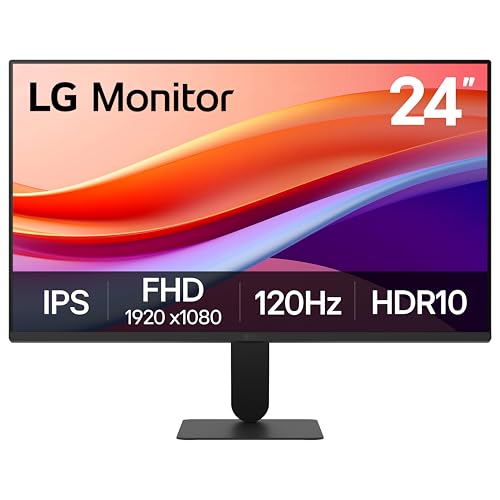
LG 24U411A-B 24-inch Full HD IPS Computer Monitor

Acer 21.5in FHD Office Monitor KB220Q H2bi

Dell 24 Monitor SE2426H 23.8-inch FHD

Dell 27 Plus Monitor S2725HSM 27-inch FHD

Sceptre New 27-inch Prime Monitor E275W-19203R

CUNPU 24 Inch 4K UHD IPS Monitor
More Details On Our Top Picks
A 27-inch FHD panel gives you room to keep toolbars visible without feeling cramped, and the IPS panel helps the image stay consistent across the screen. In a home office with mixed chores, that makes basic retouching and catalog work easier to live with.
The 250-nit brightness and 1300:1 contrast ratio won’t chase serious studio work, but they suit casual editing, school projects, and general desktop use. Eye Ease with Eyesafe certification also makes long sessions feel a bit less punishing, which matters more than flashy extras for many setup desks.
Strong Points
- 27-inch size gives you more room for timelines, palettes, and side-by-side editing.
- IPS viewing angles help the image stay steady when you lean back or shift position.
- Eye Ease support is useful for long evenings of sorting and tagging.
- The black finish keeps the desk look simple and unobtrusive.
Things To Consider
- Full HD on 27 inches is roomy, though fine-detail work won’t look as dense as 4K.
- The listed brightness suits indoor use, not a bright window-heavy room.
- You’ll want to keep expectations modest for precise color-critical jobs.
Feature Snapshot
Who It Suits Best
You get the most from this one as a casual editor who wants a roomy screen for everyday image work, school projects, or a shared family desk.
A Better Fit Elsewhere
The CUNPU 24 Inch 4K UHD IPS Monitor suits you better for tighter color work, since its sharper 4K panel gives editing details more breathing room.
This LG keeps the footprint sensible at 24 inches, which helps on a desk already crowded by a keyboard, tablet, and sketchbook. The 120Hz refresh rate means motion looks smoother than on many basic office screens, so scrolling through galleries feels less stuttery.
HDR10, Reader Mode, and Flicker Safe add a nice comfort layer for long sessions, though HDR on a monitor like this is still more about broader tone handling than dramatic punch. For home editors who split time between image work and everyday browsing, it’s a tidy middle ground.
What We Like
- 24-inch size fits smaller desks without losing usable editing space.
- 120Hz refresh rate keeps motion and scrolling smooth.
- Reader Mode and Flicker Safe help during long screen sessions.
- IPS viewing angles make shared desk setups easier to manage.
- HDMI keeps connection options simple for most home PCs.
Room For Improvement
- 24 inches works well for compact spaces, though larger timelines feel more spread out on a 27-inch panel.
- HDR10 is useful, but it won’t replace a display built for stricter color work.
- The slim stand base saves room, yet it offers less presence than a heavier desk stand.
Details At A Glance
Who Will Love This
You’ll like this most as a home worker or casual photo editor who wants a compact, smooth-feeling display without crowding the desk.
Where A Sibling Pick Shines
The HP Series 3 27 inch FHD Monitor 327se gives you more room to spread out tools, so it suits larger workspaces better than this 24-inch LG.
This Acer is the compact, no-fuss choice in the group, especially for desks where a 27-inch panel would crowd everything else out. The 100Hz refresh rate and 1ms response time should keep motion looking cleaner than a plain office monitor, which helps when you jump between editing, browsing, and light gaming.
sRGB 99% coverage is the detail that matters most for photo work, since sRGB is the standard color space many web images still live in. The trade-off is the 21.5-inch size, which feels tidy and efficient rather than expansive, so it suits focused tasks more than sprawling timelines.
Best Bits
- sRGB 99% is a useful sign for web-focused editing.
- 21.5-inch size keeps the footprint very manageable.
- 100Hz and 1ms give everyday motion a livelier feel.
- HDMI, VGA, and VESA support make it flexible for older or newer setups.
Points To Note
- The smaller panel is handy on tight desks, though you may want more room for layered work.
- VGA is still there for legacy gear, but cable management can get messy with older setups.
- Its office-first size makes it more about efficiency than visual luxury.
Core Details
Perfect Match For
You’ll appreciate this most as a space-conscious home editor, student, or office user who wants a compact monitor with a bit more color confidence than the average budget screen.
Look Elsewhere When
The CUNPU 24 Inch 4K UHD IPS Monitor fits better for more careful image detail, since the sharper panel gives retouching more precision to work with.
This Dell leans toward smooth motion first, which is a nice fit for people who edit during the day and stream or game at night. The 144Hz refresh rate and 1ms MPRT, meaning Moving Picture Response Time, help motion look crisp without making the desk setup more complicated.
The 23.8-inch size keeps it slightly smaller than the 24-inch class on paper, and the IPS panel helps maintain a stable image across angles. One thing worth noting, the TÜV 3-star eye-comfort rating is a welcome touch for long sessions, especially in a room where the screen stays on for hours.
Reasons To Buy
- 144Hz refresh rate gives the display a very smooth feel.
- 1ms MPRT helps motion stay sharp during fast movement.
- IPS technology supports more consistent viewing from side angles.
- AMD FreeSync helps reduce tearing with compatible graphics setups.
- Tilt adjustment makes it easier to set a comfortable angle.
Small Caveats
- The motion-focused spec set is useful, though it does not add color depth the way a higher-resolution panel can.
- Two HDMI ports are handy, but the stand only tilts, so height changes need a separate arm or riser.
- For careful retouching, a sharper 4K display can still feel more precise.
Feature Rundown
Built With In Mind
You’ll like this most as a mixed-use desk monitor for editing, streaming, and light gaming, especially in a setup that values motion smoothness.
Swap It Out When
The CUNPU 24 Inch 4K UHD IPS Monitor is the better fit for detailed photo work, since its higher pixel density gives fine edits more precision.
For a large desk, this Dell makes a strong case because the 27-inch panel gives editing tools more breathing room without jumping to a more expensive class. The 144Hz refresh rate and 1ms response time make the screen feel quick, and the built-in 2 x 3W speakers are handy for a desk that stays uncluttered.
Height, tilt, pivot, and swivel adjustment give you real control over posture and screen angle, which matters on long workdays more than many spec sheets admit. The honest read is that Full HD on 27 inches is practical rather than razor-sharp, so it suits broad editing and general creative use better than ultra-fine retouching.
Highlights
- 27-inch size gives generous room for editing windows.
- Height, pivot, swivel, and tilt support flexible setup changes.
- 144Hz refresh rate helps motion stay smooth across work and entertainment.
- Built-in speakers reduce the need for extra desk hardware.
- AMD FreeSync adds a little extra polish with compatible systems.
Worth Noting
- Full HD on 27 inches looks less dense than a 4K panel.
- Built-in speakers save space, though separate audio gear will still sound fuller.
- The larger footprint needs a deeper desk than the smaller Dell SE2426H.
Quick Facts
The Right Fit
You’ll like this most as a home editor or multitasker who wants a roomy monitor, flexible adjustment, and built-in audio in a single desk setup.
Consider Something Else When
The CUNPU 24 Inch 4K UHD IPS Monitor suits careful photo work better, since its higher resolution gives small details more definition.
This Sceptre is the straightforward 27-inch option for people who want a broad screen without extra fuss. The 99% sRGB claim matters more here than the built-in speakers, since it points to a display that should sit closer to common web color standards.
100Hz refresh, HDMI x2, VGA, and 1ms response time give it a practical mix of features for home offices and casual creative work. It’s not the most refined panel in the group, but for general editing in a mixed-use room, it keeps the setup simple and friendly.
Upsides
- 27-inch size gives plenty of room for editing panels.
- 99% sRGB is reassuring for web-centered image work.
- HDMI x2 and VGA provide broad connection flexibility.
- Built-in speakers help reduce desk clutter.
Areas To Watch
- The larger screen is useful, though it needs more desk depth than a compact 24-inch model.
- Built-in audio is convenient, but separate speakers still make more sense for richer sound.
- The feature set leans practical, not premium.
Feature Card
Whose Shelf It Belongs On
You’ll get the most from this as a general-purpose monitor for home office work, hobby editing, and anyone who wants a large screen without a complicated setup.
Another Choice May Suit
The LG 24U411A-B 24-inch Full HD IPS Computer Monitor works better for tighter desks, especially when you want a smaller footprint and smoother scrolling.
This is the sharpest option in the set, and that matters the moment you spend time checking edges, masks, and small type inside an image. A 4K IPS panel at 24 inches gives you high pixel density, which means details stay tight instead of looking soft across the workspace.
ΔE under 2, 100% DCI-P3, and 1.07 billion-plus colors point toward a monitor built for more careful color work than the usual budget screen. The trade-off is simple, you’re paying for richer image control rather than extra size, so it suits editing precision more than a sprawling desktop layout.
Standout Traits
- 4K resolution gives image detail a much finer edge.
- 185PPI helps text and interface elements look crisp.
- ΔE under 2 is a strong sign for color-sensitive editing.
- 100% DCI-P3 and 1.07 billion-plus colors support wide, rich color handling.
- Height-adjustable stand and VESA support help with ergonomic setup.
Honest Caveats
- The smaller 24-inch frame means less spread for large palettes than a 27-inch monitor.
- Built-in speakers are handy, though most editing desks still benefit from separate audio gear.
- For simple office work, this level of detail can be more than you need.
Technical Sheet
Made For
You’ll appreciate this most as a photo editor, designer, or detail-focused home worker who wants sharper output and stronger color coverage than the rest of the group.
Where Shoppers Go Wrong
The Dell 27 Plus Monitor S2725HSM makes more sense for someone who wants a larger workspace first and sharper detail second.
How To Choose The Right Cheap Monitors For Photo Editing
Screen Size And Sharpness Need To Work Together
Size alone doesn’t make a monitor better for photo work. A 27-inch Full HD screen gives you more room, but the image can look less tight than a 24-inch or 4K panel.
For web graphics, casual touch-ups, and catalog management, a larger screen can feel easier to live with. For fine retouching, sharper pixel density usually matters more than raw width.
Color Coverage Beats Flashy Extras
sRGB coverage is a useful marker for images that will live online, since much of the web still relies on that color space. DCI-P3 goes wider and can help with richer tones, but it matters most when the monitor can handle that range cleanly.
Features like HDR, Reader Mode, and eye-comfort modes are helpful, though they don’t replace decent color handling. You’ll get more value from accurate, steady color than from a long list of marketing extras.
Desk Space And Ergonomics Change The Experience
A monitor that fits your desk well tends to feel better over a long week of editing. Height adjustment, tilt, pivot, and swivel let you match the screen to your chair and posture instead of stacking books under the base.
On cramped desks, a 21.5-inch or 24-inch model often feels easier to manage. On larger setups, a 27-inch screen can give you more breathing room for panels and side-by-side windows.
Motion And Input Options Still Matter
Refresh rate is not the first thing most people think about for editing, yet smoother scrolling helps during long review sessions. 100Hz or 144Hz feels cleaner than a basic panel, especially when you move through galleries or switch between documents.
HDMI is the common baseline, while VESA support helps when you want a monitor arm. That kind of flexibility makes the setup last longer than a stand-alone desk arrangement that only fits one shape of workspace.
Things Worth Knowing First
Common Shopping Slip Ups
Many people focus only on screen size and forget pixel density. A bigger screen can look less crisp, which matters the moment you zoom in on image detail.
Another easy miss is color support. A screen that looks lively for movies can still be a weak match for photo editing if its color handling is thin.
What The Higher Tier Buys
More expensive models usually spend their budget on sharper panels, stronger color coverage, and better stand hardware. You also tend to get wider adjustability, which helps during long desk sessions.
That upgrade makes sense for careful editing, design work, or any setup where you want fewer compromises. For basic cataloging and casual touch-ups, a simpler screen often does enough.
Frequently Asked Questions
What size monitor works well for photo editing?
24 inches is a comfortable starting point for many desks. A 27-inch screen gives more room, while 4K at 24 inches keeps detail tighter.
Is Full HD enough for editing photos?
Full HD can work for casual editing and web images. Higher resolution becomes more useful once you want finer detail and less visible pixel structure.
Does IPS matter for photo work?
IPS panels usually keep the image steadier across angles. That helps when you move in your chair or share the screen with someone else.
Why does sRGB coverage matter?
sRGB is the color space many online images still use. A monitor with broad sRGB coverage is easier to trust for web-focused edits.
Are high refresh rates useful for editing?
They help the screen feel smoother during scrolling and general navigation. They matter less than color and sharpness, but they still improve comfort during long sessions.
