
Photography work asks a lot from your screen. You need color that stays steady, enough resolution to judge fine detail, and a size that matches your desk and workflow without turning calibration into a chore.
This roundup focuses on monitors that make sense for editing, sorting, and final checks at home or in a studio corner. Some lean into color accuracy, others keep things practical for mixed use, so you can match the display to the kind of shooting you do most.
Quick Look At The Shortlist

ASUS ProArt PA278CV 27 Inch 1440p QHD USB-C Professional Monitor

LG 27U411A-B 27-inch Full HD IPS Computer Monitor
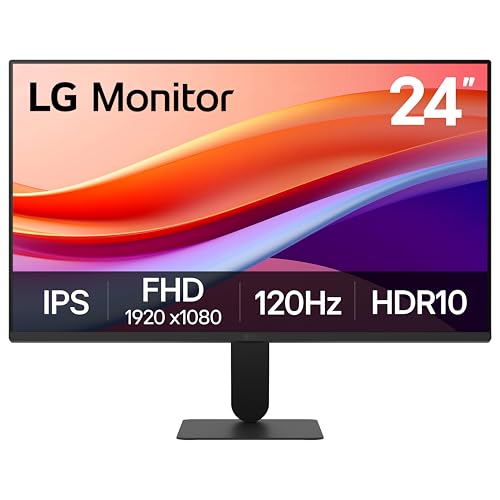
LG 24U411A-B 24-inch Full HD IPS Computer Monitor

KTC 32 Inch 2K Computer Monitor H32D6

Amazon Basics 27 Inch Monitor FHD 1080P

ASUS ProArt PA279CRV 27 Inch 4K UHD USB-C HDR Monitor

Dell 34 Monitor S3425DW

LG 27US500-W Ultrafine Monitor 27-Inch 4K UHD
More Details On Our Top Picks
For color-critical photo work, this ASUS lands in a very sensible place: 27 inches, 2560 x 1440 resolution, and an IPS panel that keeps tones steady across the screen. The factory calibration claim, Delta E under 2, matters because small color shifts are easier to spot before you send files out the door.
The USB-C connection and built-in USB hub make it friendlier for a tidy desk than older displays with a tangle of cables. You may find the 1440p panel a better day-to-day fit than 4K if you edit for long sessions and want larger UI elements without constant scaling. That trade-off is why it suits photographers who want accuracy first, then convenience.
What We Like
- QHD resolution gives you a clear middle ground between workspace and fine detail.
- IPS viewing angles help keep color and brightness steadier when you shift position.
- USB-C can reduce desk clutter by handling a laptop connection more neatly.
- Delta E under 2 is the kind of spec that matters for editing consistency.
- The ergonomic stand helps you set a comfortable working height without extra accessories.
Points To Note
- It sits below 4K in raw pixel count, so ultra-fine retouching gets less room than the higher-resolution picks here.
- The 27-inch size works well for many desks, though some studio setups may still want more horizontal space.
- USB-C convenience depends on how your laptop and cables are already arranged, so a clean setup still takes some planning.
Feature Snapshot
Who It Suits Best
Photographers who want a balanced editing monitor for a home office or small studio will get the most out of this one.
A Better Fit Elsewhere
ASUS ProArt PA279CRV suits you better than this model when you want 4K detail and wider gamut coverage for heavier color work.
This LG makes sense for a mixed desk where photography lives beside email, file sorting, and everyday work. The 27-inch Full HD panel is straightforward rather than fancy, and that can be a virtue when you want a large, uncomplicated screen without chasing premium resolution.
Its IPS panel, 120Hz refresh rate, and HDR10 support make the experience feel more fluid than many plain office displays. The trade-off is obvious, though, because 1080p on 27 inches is not as sharp for image inspection as the higher-resolution choices in this list. For casual editing and a general-purpose setup, that compromise may be perfectly fine.
Standout Traits
- 27-inch sizing gives you a roomy canvas for menus, folders, and photo trays.
- IPS keeps the image steadier when you lean back or move around the desk.
- 120Hz gives scrolling and window movement a smoother feel than standard 60Hz panels.
- Reader Mode and Flicker Safe are handy for long sessions at the computer.
Small Caveats
- 1080p on a 27-inch screen looks less dense than the sharper options here.
- Photographers who zoom into fine detail will likely want more resolution.
- The slim stand keeps things tidy, though it offers less visual presence than the ProArt models.
At A Glance
Whose Shelf It Belongs On
Casual photographers and home-office users who want one screen for editing and general work will be comfortable here.
Where A Sibling Pick Shines
LG 24U411A-B is the tighter fit for smaller desks and close-up work, while ASUS ProArt PA278CV suits more careful photo editing.
This smaller LG is the easy pick for cramped desks, dorm corners, or a second screen beside a laptop. The 23.8-inch class size makes it feel less bulky than the 27-inch LG above, and that matters when your editing space doubles as a daily work space.
Its Full HD resolution is a reasonable match for the panel size, so the image should look cleaner than a 27-inch 1080p display at the same viewing distance. That said, you give up workspace and deep pixel detail compared with the ASUS ProArt pair and the 4K LG at the end of this list. For close-range use, the smaller footprint is the real appeal.
Highlights
- Smaller screen size fits tighter desks without feeling cramped.
- 1080p on 24 inches is easier to live with than 1080p on 27 inches.
- IPS keeps the display usable from different sitting angles.
- 120Hz smooths movement during everyday navigation and window work.
Areas To Watch
- The smaller canvas can feel tight during multi-panel photo editing.
- It gives you less room for palettes and timelines than the 27-inch alternatives.
- Photographers who crop hard or inspect fine texture may want higher resolution.
- As with any compact display, cable placement matters more on a crowded desk.
Details At A Glance
Made For
You get the most from this monitor when your editing space is small and your workflow stays close to the screen.
Another Choice May Suit
LG 27U411A-B is the better fit for you when you want a larger canvas without stepping up to a more demanding 4K panel.
A 32-inch QHD screen changes the way a photo workspace feels, because you get more room for tools, previews, and side-by-side editing without jumping to a curved ultra-wide. The white finish also gives it a lighter visual footprint than the black monitors in this roundup, which can matter on a bright desk.
The 120Hz panel and Adaptive Sync are not photo-only features, yet they do make general use smoother when you move between editing and other tasks. One thing worth considering is desk depth, since a screen this large can feel imposing on a shallow table. For photographers who also want a broad everyday monitor, that size can be the point.
Bright Spots
- 32-inch size gives you extra room for palettes and image windows.
- QHD resolution keeps detail sharper than 1080p at this scale.
- IPS panel behavior is useful for keeping views stable across angles.
- Adaptive Sync and 120Hz make general motion feel smoother.
- VESA support gives you more mounting flexibility on a shared desk.
Honest Caveats
- The large footprint asks for more desk depth and a steadier layout.
- White finishes can show dust and cable clutter sooner than darker shells.
- Some photographers may still prefer a more proven pro-focused calibration story.
Core Details
Best Suited To
You fit this monitor best when you want a large workspace for editing, browsing, and general desk use in one screen.
Look Elsewhere When
ASUS ProArt PA278CV is a tighter match for color-sensitive photo work, especially on a smaller studio desk.
This Amazon Basics screen is the plain-spoken option in the group, and that can work well for a home desk that needs to do a bit of everything. The built-in speakers and USB ports add everyday convenience, so you do not have to fill the desk with extra accessories right away.
For photography, the 27-inch Full HD panel is usable, though not especially dense, so it suits editing that stays fairly casual. Owners commonly report that the removable protective film needs attention before first use, which is a small setup detail but easy to miss. Compared with the sharper ASUS and LG 4K picks, this one is about utility first.
Positives
- 27-inch screen size is comfortable for general desk use.
- 100Hz refresh rate adds a smoother feel than typical 60Hz panels.
- Built-in speakers reduce the need for extra desktop gear.
- USB ports help you connect common peripherals more neatly.
- VESA compatibility gives you mounting options later on.
Minor Gripes
- 1080p at 27 inches is not the sharpest match for detailed photo review.
- The speaker setup is convenient, though serious audio work still calls for dedicated gear.
- Protective film must be removed before use, which can cause a small first-day hiccup.
Feature Rundown
Right Fit For
You should look here for a straightforward everyday monitor that also handles occasional photo editing without fuss.
Reach For A Different Pick When
LG 27US500-W Ultrafine Monitor 27-Inch 4K UHD suits you better when sharper image detail matters more than basic extras.
This ProArt steps up the detail level in a way that still feels desk-friendly, which is useful when you want 4K without jumping to a giant panel. The wide gamut coverage, 99% DCI-P3 and 99% Adobe RGB, points toward serious color work, and the USB-C port with 96W power delivery can keep a laptop setup cleaner.
Compared with PA278CV, this model gives you sharper 4K resolution and broader color coverage, so it suits photographers who spend a lot of time fine-tuning files or moving between stills and video. The trade-off is that the extra capability is overkill for casual use, and a few people will prefer the simpler, less demanding 1440p workflow instead. For studio work, though, it has the right kind of focus.
Reasons To Buy
- 4K resolution gives you more room for detail checks and fine adjustments.
- Wide gamut support helps the monitor serve more color-sensitive workflows.
- USB-C with 96W power delivery can simplify a laptop-based desk.
- Calman Verified and Delta E under 2 signal a serious calibration approach.
Worth Noting
- The extra resolution asks more from your computer and your scaling settings.
- It makes the most sense for careful editing, not casual browsing or light office work.
- A high-end display can take more setup attention, from cable routing to desk spacing.
Core Details
The Right Fit
You fit this monitor best when your photo work leans professional and you want high-resolution detail with a cleaner cable setup.
Where A Sibling Pick Shines
ASUS ProArt PA278CV is the more relaxed choice for photographers who want strong color work without moving all the way to 4K.
The Dell brings a broader, more immersive shape to the table, and that can be very useful when your photography workflow includes long timelines, multiple panels, or side-by-side reference windows. VA, or vertical alignment, panels usually lean into deeper contrast than basic IPS office screens, so the image can feel a little richer in darker scenes.
Its anti-glare finish, 95% DCI-P3 coverage, USB-C power delivery, and built-in 10W speakers make it a versatile desk anchor, especially for mixed creative and entertainment use. The honest read is that a 34-inch curved screen is not for everyone, and some photographers will prefer the flatter, more conventional layout of the ASUS ProArt models. Still, for wide workspaces, it feels purposeful.
Standout Traits
- 34-inch ultra-wide shape gives you lots of room for side-by-side tasks.
- 120Hz and FreeSync Premium make motion feel smoother across the desktop.
- USB-C with 65W power delivery cuts down on cable clutter.
- Anti-glare coating helps manage reflections in brighter rooms.
- Built-in speakers add simple everyday convenience.
Softer Spots
- The curved format takes up more desk width than a standard 27-inch screen.
- Photographers who want a flatter image plane may not like the wide curve.
- VA panels can feel different from IPS for color-sensitive comparison work.
Technical Sheet
Built With In Mind
You should consider this monitor when your editing space also serves as a multitasking station or entertainment desk.
Swap It Out When
LG 27US500-W Ultrafine Monitor 27-Inch 4K UHD makes more sense if you want a flatter 4K screen with a simpler footprint.
This LG closes the list with a clean 4K panel that gives photo work a very detailed starting point. The 27-inch size keeps it manageable, and the borderless styling makes it feel lighter on the desk than some of the heavier-looking displays above.
Its 1000:1 contrast ratio, HDR10, and up to 90% DCI-P3 coverage give it a credible creative profile for editing and image review. The included on-screen control tools are useful for simple desk organization, though they work best once you install the software that supports them. For photographers who want sharp detail in a straightforward package, it’s an easy model to understand.
Upsides
- 4K UHD resolution gives you very fine image detail.
- IPS panel helps keep color behavior steady across the screen.
- Borderless styling keeps the monitor visually clean on a modern desk.
- On-screen control can simplify window and layout adjustments.
- The included stand allows tilt adjustment for a better viewing angle.
Room For Improvement
- The monitor sits in a more basic refresh-rate class than some mixed-use options here.
- On-screen control depends on software setup, so there is a small installation step.
- Photographers who want wider gamut coverage than 90% DCI-P3 may prefer the ProArt step-up.
Feature Card
Perfect Match For
You’ll get the most from this monitor if you want a sharp 4K screen for careful photo review and a clean-looking desk.
A Better Fit Elsewhere
ASUS ProArt PA279CRV is the stronger choice for color-focused professionals who want wider gamut support and USB-C power delivery.
How To Choose The Right Computer Monitors For Photography
Resolution And Screen Size Need To Match Your Workflow
Photo editing gets easier when the pixel count fits the panel size. A 27-inch 4K screen gives you room for fine detail and generous workspace, while 27-inch Full HD looks softer and is better suited to lighter editing or general desk use. Smaller 24-inch Full HD screens can feel more comfortable than a 27-inch 1080p panel because the same pixels sit closer together.
For most studio corners, 1440p or 4K is the safer call. You spend less time squinting at texture, edge cleanup, and folder windows, and more time making actual decisions.
Panel Type And Color Handling Matter More Than Flashy Extras
IPS panels are the most familiar fit for photography because they keep color and brightness steadier as your position changes. VA panels can look richer in contrast, which helps for mixed creative and entertainment use, but they are less often the first choice for color-sensitive comparison work.
Color gamut also deserves attention. sRGB covers a common web workflow, while DCI-P3 and Adobe RGB point toward wider creative territory, so your choice should follow the files you deliver most often.
Connectivity And Ergonomics Shape Daily Comfort
USB-C, USB hubs, and power delivery can shrink cable clutter on a laptop desk. That makes the monitor feel less like a fixed appliance and more like part of a tidy work routine, especially in small rooms or shared spaces.
Ergonomic stands matter too. Height, tilt, and rotation help you line up the panel with your chair and lighting, which saves you from odd neck angles during long retouching sessions.
Think About How You Edit, Not Just What Looks Impressive
Wedding shooters, portrait editors, and product photographers often want stronger detail and color control, so 4K and pro-focused calibration carry real value. Hobbyists and hybrid office users may be happier with a simpler 27-inch IPS monitor that keeps setup easy and the desk uncluttered.
The right screen should suit your file sizes, your room, and your patience for setup. That balance usually matters more than any single feature on the box.
Things Worth Knowing First
Mistakes Worth Dodging
One common slip is buying a large Full HD panel and expecting it to feel sharp for close-up image work. Another is focusing on refresh rate while ignoring resolution, color coverage, and panel type, which matter more for photography than fast motion.
You can also run into trouble by overlooking stand adjustability. A monitor that sits too low or catches window glare can make editing more tiring than it should be.
What The Higher Tier Buys
More expensive monitors usually pay for tighter calibration, wider color gamut coverage, better resolution, and cleaner connectivity. In photo work, those upgrades help you see more nuance in skin, shadow, and highlight detail without fighting the display.
The step up makes sense once your work starts going to clients or print, or once you spend enough hours at the desk that small visual errors become costly in time. For casual use, a simpler monitor often feels more sensible.
Closing Thoughts
Your best match depends on how serious your editing gets and how much room you have on the desk. ASUS ProArt models make the strongest case for careful color work, the LG 4K pick brings sharp detail in a cleaner package, and the simpler 27-inch options keep everyday use easy. Choose the screen that fits your files, your room, and the way you actually work, not the one with the longest feature line.
