
Photoshop work asks a lot from your screen, especially once you start comparing skin tones, shadow detail, and interface clutter on the same panel. You need a monitor that keeps text crisp, color steady, and posture comfortable through long editing sessions, not just one that looks sharp in a product photo.
This shortlist focuses on display size, panel type, resolution, color coverage, and practical stand adjustments. That mix matters whether you edit product shots at a desk, retouch portraits in a home studio, or keep a laptop docked beside a second screen.
The Shortlist At A Glance

Samsung 32″ Flat Computer Monitor LS32B304NWNXGO
ASUS ROG XG27UCG 27 Inch 4K 160Hz USB-C G-SYNC Gaming Monitor

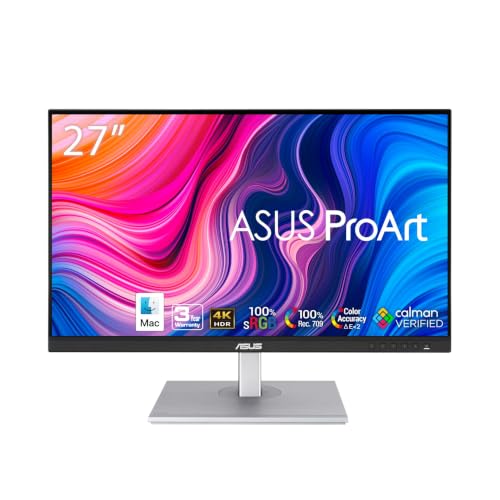
ASUS ProArt PA279CRV 27 Inch 4K UHD USB-C HDR Professional Monitor for Mac

Dell 32 Monitor S3225QS, 4K UHD VA, 120Hz, FreeSync Premium, Eye Comfort

LG 27US500-W Ultrafine Monitor 27-Inch 4K UHD HDR10 IPS Borderless Design

LG 27UP650K-W 27-inch Ultrafine 4K UHD IPS Computer Monitor

Dell 27 Plus Monitor S2725HSM, 27-inch FHD 144Hz 1ms Display
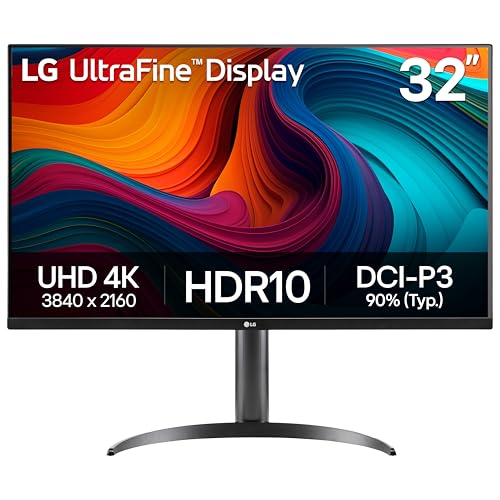
LG 32UR550K-B 32-inch Ultrafine 4K UHD Computer Monitor
More Details On Our Top Picks
A 32-inch panel gives you room to keep palettes, image windows, and browser references open without feeling cramped. The borderless design also helps a dual-screen desk feel cleaner, and that matters more than it sounds when you spend hours nudging layers and masks.
The 75Hz refresh rate is a nice extra for smoother cursor movement and general desktop feel, though it won’t matter as much as color accuracy for Photoshop itself. AMD FreeSync and Game Mode lean more toward mixed use, so this pick makes sense for you if the same screen also handles casual gaming or streaming after work.
Strong Points
- The 32-inch size gives you generous room for toolbars and a large canvas side by side.
- Borderless styling helps a multi-monitor desk look less cluttered.
- HDMI and DisplayPort support make setup straightforward with many desktops and laptops.
- Advanced Eye Care is useful during long retouching sessions, especially in a dim studio.
Things To Consider
- Color-focused work may call for a panel with clearer color-accuracy specs.
- The extra gaming features are not the main reason to choose it for Photoshop.
- A 32-inch screen needs more desk depth than a 27-inch alternative.
Core Details
Who It Suits Best
You get the most from this one in a roomy home office where screen space matters more than fine-grained color control.
A Better Fit Elsewhere
ASUS ProArt PA279CRV is a smarter choice for color-sensitive retouching, since its factory calibration and wider creative color support are built for that job.
This one sits at the far more aggressive end of the group, with 4K resolution paired to a very fast 160Hz refresh rate. For Photoshop, that speed is more than you need, but it does make the monitor appealing if your desk also handles motion-heavy games or fast app switching.
USB-C adds a clean one-cable path for compatible laptops, and the 27-inch size stays easier to place than the larger 32-inch picks. The honest read is that this monitor makes the most sense for a hybrid setup, where creative work shares space with entertainment and you want one screen to pull double duty.
What We Like
- 4K at 27 inches keeps image detail crisp without making UI elements feel oversized.
- The high refresh ceiling helps motion feel fluid during non-editing use.
- USB-C can simplify desk wiring for a compatible laptop setup.
- DCI-P3 coverage is helpful for rich-looking creative work and media playback.
- ELMB Sync and FreeSync Premium add flexibility for mixed-use desktops.
Room For Improvement
- The gaming-first feature set adds cost you may not need for still-image work.
- 27 inches leaves less workspace than the larger panels in this roundup.
- Its value is strongest when you actually care about both editing and fast-motion use.
Feature Rundown
Who Will Love This
You fit this monitor best if your workstation also serves gaming, content viewing, or laptop docking.
Another Choice May Suit
ASUS ProArt PA279CRV is the better match for photographers who care more about calibration and color fidelity than about ultra-high refresh rates.
For Photoshop, this is the most purpose-built pick in the group. The factory calibration, Delta E under 2, and wide DCI-P3 and Adobe RGB coverage point straight at color-sensitive work, which is exactly where photo editing gets picky.
USB-C with 96W power delivery means a supported laptop can run from one cable while charging, and daisy chain support helps a cleaner multi-display desk. Compared with the more entertainment-leaning ASUS ROG model, this one gives you less flash and far more focus, which is the right trade for serious image work.
Highlights
- Calman Verified calibration gives you a stronger starting point for color-aware editing.
- 99% DCI-P3 and 99% Adobe RGB coverage suit print and digital workflows well.
- USB-C with 96W power delivery cuts cable clutter on a laptop-based desk.
- Height adjustment helps you line up the panel with an external keyboard and chair height.
- Daisy chain support is useful in a dual-screen creative setup.
Honest Caveats
- The strengths skew toward accuracy and workflow, not gaming-style motion speed.
- Color work still benefits from a proper profile routine on your end.
- For casual browsing, some of its premium detail may go unused.
Technical Sheet
Perfect Match For
You should put this on your shortlist if accurate color work sits at the center of your day.
Swap It Out When
Dell S3225QS makes more sense for you if you want a larger 32-inch canvas and deeper contrast for mixed media use.
The S3225QS leans into a big-screen, high-contrast feel that suits Photoshop users who also spend time watching video or handling mixed media. VA means vertical alignment, a panel type known for stronger contrast than many IPS screens, and that 3000:1 figure supports deeper-looking dark areas.
The 120Hz refresh rate and FreeSync Premium are bonus touches for smoother motion, while ComfortView Plus is aimed at reducing blue light without flattening the image too much. In a long editing day, that balance can feel easier on the eyes than a flashy panel that only looks good for ten minutes.
Bright Spots
- The 31.5-inch panel gives you a roomy workspace for detailed edits and timeline-style layouts.
- 3000:1 contrast helps darker images and shadow detail feel more defined.
- 120Hz support keeps general movement feeling fluid on the desktop.
- Anti-glare treatment is useful in a bright office or near a window.
Areas To Watch
- VA panels can feel different from IPS screens in viewing consistency.
- The larger footprint needs a desk with decent depth.
- Motion features matter less for still-image work than they do for gaming.
Details At A Glance
Built With In Mind
You fit this monitor best if you want a larger 4K screen with richer contrast for editing and media.
Look Elsewhere When
LG 27UP650K-W is the more flexible pick for a smaller desk where stand adjustability matters as much as panel size.
This LG keeps the formula simple: 27 inches, 4K resolution, IPS panel, and a borderless look that fits clean desktop layouts. For Photoshop, that means you get a sharp workspace without paying for extra motion features you may not use.
Its 1000:1 contrast ratio and up to 90% DCI-P3 coverage are solid markers for everyday creative use, while the on-screen control software helps you adjust the workspace from the desktop. The tilt-only stand is the main trade-off, so it suits a calmer setup where screen angle matters more than full ergonomic movement.
Upsides
- 4K resolution at 27 inches keeps images and UI text very crisp.
- IPS viewing angles help the screen stay consistent from a normal desk position.
- On-screen control can make split-screen work simpler during busy editing sessions.
- Borderless styling makes the monitor feel neat on a compact desk.
Softer Spots
- The stand only tilts, so desktop ergonomics are more limited than on adjustable rivals.
- It does not lean into the premium calibration story of the ProArt model.
- For color-critical print work, you may still want a stronger accuracy-first option.
Feature Snapshot
Right Fit For
You will like this most in a tidy home office where screen sharpness matters more than a heavy stand mechanism.
Where A Sibling Pick Shines
LG 27UP650K-W is the better match for you if you want tilt, height, and pivot movement in the same monitor.
This LG lands in a sweet middle ground for Photoshop work: 27-inch size, 4K resolution, IPS panel, and a stand that moves up, down, and around. That combination matters in a real desk setup because you can line the screen up with your chair instead of forcing your neck to adapt.
DisplayHDR 400, Reader Mode, and Flicker Safe add day-to-day comfort touches, while the 95% DCI-P3 claim gives creative work a stronger color ceiling than basic office screens. It is not the most specialized monitor in the group, but for many home offices that balance is exactly the point.
Positives
- The adjustable stand helps you fine-tune viewing height and angle for longer sessions.
- 4K at 27 inches keeps photos, text, and UI elements clear.
- IPS technology supports more consistent viewing from a typical seated position.
- Reader Mode and Flicker Safe are useful during long stretches at the desk.
- DisplayPort and HDMI make it easy to connect a range of devices.
Points To Note
- 60Hz is fine for editing, but it does not add the extra smoothness of faster screens.
- The feature set is practical rather than especially flashy.
- You still need to spend time on proper calibration for serious color work.
Core Details
Best Suited To
You should favor this monitor if you want a flexible 4K desk screen that handles photo work without fuss.
Skip It When
ASUS ProArt PA279CRV is the better route for you if color accuracy is the first thing on your list.
This Dell makes more sense for general use than for precision-first Photoshop work, and that’s okay. The 144Hz refresh rate, 1ms MPRT response, and built-in dual 3W speakers make it pleasant for everyday desk life, especially when you watch a lot of video or keep a browser, chat app, and image editor open together.
FHD resolution on a 27-inch screen is the main compromise, because it gives you less pixel density than the 4K monitors above. On the flip side, the height, tilt, pivot, and swivel adjustments make it easy to get comfortable, and that matters a lot if you sit at the desk for long stretches.
Reasons To Buy
- 144Hz motion feels smooth for scrolling, video, and light gaming.
- Built-in speakers reduce the need for separate desktop audio.
- Four-way stand adjustment helps you dial in a better posture.
- AMD FreeSync adds some welcome polish for mixed entertainment use.
Small Caveats
- Full HD on 27 inches is less sharp than the 4K picks in this list.
- Photoshop users who zoom deeply into work may notice the lower pixel density.
- The speaker quality is handy, though external audio still suits serious media use better.
Feature Card
Whose Shelf It Belongs On
You fit this monitor best if your day mixes office work, media, and casual gaming more than detailed retouching.
Reach For A Different Pick When
LG 27UP650K-W is the smarter Photoshop-focused choice because its 4K panel gives you much finer detail for image work.
This 32-inch LG gives you a broad 4K canvas, which can feel very comfortable in Photoshop once you start moving panels, reference images, and folders around the screen. HDR10 support and up to 90% DCI-P3 coverage add a useful color range for creative work, though the 60Hz ceiling keeps it in the editing lane rather than the motion-heavy lane.
The adjustable stand is the real practical win here, because large monitors are at their best when you can set height and angle to match your chair. For a big desk and a work-first setup, this model feels calm and straightforward, a bit like a roomy drafting table for images.
Best Bits
- The 32-inch size gives you generous space for tool panels and wide layouts.
- 4K resolution keeps image work crisp and readable.
- Height, tilt, and pivot adjustment helps with comfortable long sessions.
- HDR10 and DCI-P3 support make it suitable for creative content.
Areas To Watch
- The larger footprint needs enough desk width and depth.
- 60Hz is fine for editing but not especially exciting for motion use.
- It is less specialized than the ProArt option for strict color work.
Quick Facts
The Right Fit
You should look here if you want a spacious monitor for photo editing, streaming, and other desk tasks on one screen.
Where Another Pick Suits Better
ASUS ProArt PA279CRV is the stronger match for you if your workflow depends on more exact color calibration.
What To Choose For A Better Photoshop Desk
Common Shopping Slip Ups
Size alone can fool you. A 32-inch display looks attractive, but on a shallow desk it can feel too close, while a 27-inch 4K panel often gives you a cleaner balance of sharpness and comfort.
Color claims deserve real attention too. A monitor built for fast-motion use can still look vivid, yet Photoshop benefits more from factory calibration, wide color gamut coverage, and an IPS panel that behaves predictably from your normal seated position.
When Paying More Pays Off
Higher-tier models usually cost more because they add factory calibration, broader creative color support, USB-C charging, and sturdier stands. Those details matter most in a studio routine, where a cleaner desk and a more reliable starting point save you time every week.
The upgrade makes the most sense for you if photo correction is part of client work or print preparation. For casual edits and hobby projects, a simpler 4K IPS monitor can still feel very capable without the extra workflow extras.
Wrap Up
The best computer monitors for Photoshop are the ones that keep detail crisp, color believable, and your posture comfortable through long sessions. That puts the ASUS ProArt PA279CRV at the center for serious color work, while the LG 27UP650K-W and Dell S3225QS offer strong, more flexible alternatives. If your desk setup is mostly about editing photos, not chasing gaming specs, you can keep the choice simple and focus on the screen that fits your space and workflow best.
