
Long reading sessions expose the difference between a screen that’s merely bright and one that stays comfortable after an hour of email, spreadsheets, or web pages. You want clean text, sensible sizing, and features that reduce eye fatigue without turning the desk into a cluttered mess. The eight picks below cover compact workspaces, dual-monitor setups, and more room for side-by-side pages, so you can match the screen to your daily routine.
Quick Shortlist For Easier Reading
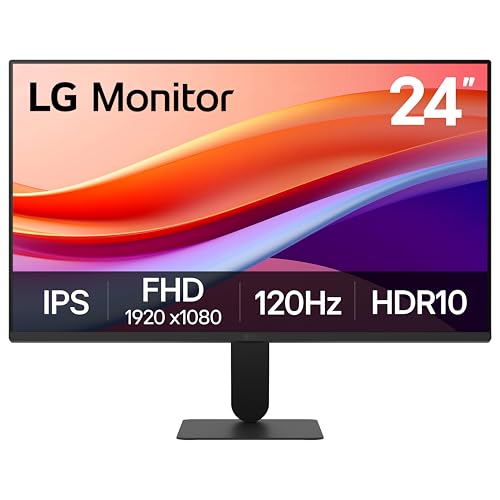
LG 24U411A-B 24-inch Full HD IPS Monitor 120Hz HDR10 Reader Mode

LG 27U411A-B 27-inch Full HD IPS Monitor 120Hz HDR10 Reader Mode

Amazon Basics 24 Inch Monitor FHD 1080P Max 100Hz VESA Compatible

YOTETION 19-inch Small Thin Monitor 75Hz HD+ 1440 x 900p Anti-Glare

Acer KB220Q H2bi 21.5in Office Monitor 100Hz 1ms AdaptiveSync HDMI VGA
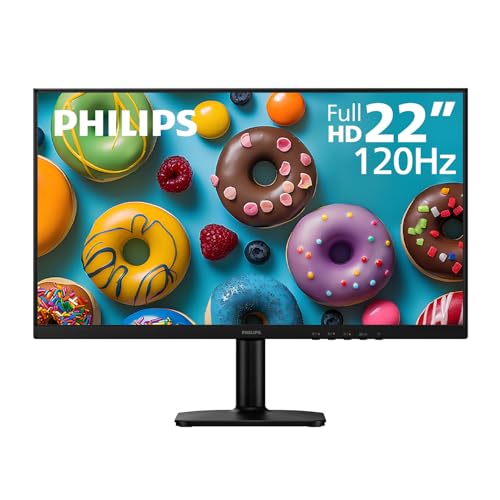
Philips 22E2N1100 22 Inch Computer Monitor FHD 120Hz Overclocked IPS

Philips 241V8LB 24 Inch Computer Monitor FHD 100Hz VA Flicker-Free

Sceptre New 22-Inch Gaming Monitor FHD 1080p Up to 144Hz E225W-FW144 Series 2026
More Details On Our Top Picks
The 24-inch size hits a comfortable middle ground for reading-heavy desk work, especially for email, documents, and web pages. IPS, which means in-plane switching, helps text stay readable from a wider angle, so the screen holds up well when your posture shifts during a long session. Reader Mode and Flicker Safe point the setup in the right direction for daily use, though the real advantage here is the mix of a sharp 1080p panel and a clean, slim stand.
Compared with the smaller YOTETION pick, this LG gives you more breathing room without jumping to the 27-inch footprint of the other LG model. That makes it a sensible choice for shared offices, home desks, and anyone who wants a neat display without paying for a larger panel than needed. The honest read is that it favors comfort and simplicity over flashy extras.
Strong Points
- 24-inch Full HD size keeps text readable without feeling cramped.
- IPS panel supports more consistent viewing from off-center seats.
- Reader Mode suits long document sessions and late-night browsing.
- 120Hz refresh can make scrolling feel smoother than standard office screens.
- Slim stand base helps on narrower desks and dual-monitor layouts.
Things To Consider
- 1080p on 24 inches is comfortable, though very dense text work can still benefit from scaling tweaks.
- The slim base looks clean, but it leaves less room for desk accessories underneath.
- It leans practical, so you are not getting the deeper contrast of a VA-style panel like the Philips 241V8LB.
Feature Snapshot
Who It Suits Best
You get the most from this LG if you spend hours in documents, tabs, and work portals and want a monitor that feels easy to live with.
Where A Sibling Pick Shines
The LG 27U411A-B suits you better for split-screen reading or side-by-side documents, while this 24-inch version fits tighter desks more naturally.
The 27-inch size gives you the room that document-heavy work often needs. Pages sit a little farther apart, which can help when you keep a spreadsheet open beside research notes or compare two long articles at once. Like the 24-inch LG, it keeps the same IPS panel, 120Hz refresh, and Reader Mode blend, but the larger canvas changes the whole feel of the desk.
That extra width is the point here, though it does ask for more desk depth and a bit more visual scan distance. Compared with the Amazon Basics monitor, this one feels more polished and better suited to a more permanent home office. You may find it especially comfortable for work that mixes reading, browsing, and side-by-side layout use.
Highlights
- 27-inch screen gives text and windows more breathing room.
- IPS panel supports clearer viewing from angled seating.
- 120Hz refresh helps long scrolling sessions feel smoother.
- Reader Mode and Flicker Safe suit daily desk use.
- Clean-looking bezel design works well in a tidy office.
Small Caveats
- The larger footprint needs a wider desk than the 24-inch version.
- Full HD at 27 inches can feel a little less dense than smaller screens for very close reading.
- It is not the most compact choice for cramped dorms or small shared spaces.
Details At A Glance
Best Suited To
You should look at this one first if you spend your day reading across multiple windows and want a bigger workspace without moving to a much pricier class of display.
Look Elsewhere When
The LG 24U411A-B suits tighter desks better, while the Philips 241V8LB makes more sense if you prefer a VA panel with a softer overall image profile.
This Amazon Basics screen keeps the formula straightforward, and that’s useful when you want a no-drama monitor for reading, office apps, and everyday video calls. The 23.8-inch viewable area sits in the same sweet spot as the 24-inch LG, but this model adds built-in speakers and VESA compatibility, which means you can mount it to free desk space. A removable protective film is mentioned for the panel surface, so careful setup matters during unboxing.
Compared with the LG pair, it gives up the more focused reading tools like Reader Mode, yet it offers a balanced spec set that covers most basic desk jobs. The built-in speakers help keep cables down, although external audio still tends to sound cleaner in real use. For a simple workstation, the package makes sense without feeling overdone.
Upsides
- 24-inch class size works well for ordinary reading and office tasks.
- Built-in speakers reduce desk clutter for lighter setups.
- VESA compatibility opens the door to arm or wall mounting.
- Max 100Hz refresh gives you a bit more smoothness than basic 60Hz office screens.
- Plug-and-play setup keeps installation simple.
Minor Gripes
- The speaker pair is handy, but dedicated speakers still sound fuller.
- You’ll want to remove the protective film carefully so the panel starts clean.
- It lacks the dedicated comfort labeling found on the LG and Philips options.
Core Details
Built With In Mind
You’ll appreciate this monitor most in a spare room, starter office, or work nook where you want one screen to handle reading and casual media without fuss.
Swap It Out When
The LG 24U411A-B is a stronger fit for you if Reader Mode and broader comfort features matter more than speakers and a mount-ready design.
Desk space matters more here than screen drama. The 19-inch class and thinner body make this YOTETION easier to place beside a laptop, especially in a dorm, a side office, or a compact kitchen counter station where space is limited. Its 1440 x 900 resolution is lower than the full HD models in this list, so the upside is physical fit rather than maximum sharpness.
The anti-glare finish helps in rooms with bright lamps or daylight, and the VGA plus HDMI inputs keep it friendly to older and newer machines. Compared with the Amazon Basics and both LG screens, this one is the more modest, space-saving route. The trade-off is clear, but that restraint can be exactly what you need.
Bright Spots
- Small footprint fits tight desks and secondary workstations.
- Anti-glare panel helps tame reflections in brighter rooms.
- HDMI and VGA connections broaden device compatibility.
- 75Hz refresh is a step above basic office screens.
Areas To Watch
- 1440 x 900 resolution is lower than the 1080p models here.
- The smaller size is less suited to split-screen reading.
- Its compact layout is handy, but it offers less room for multiple windows.
Technical Sheet
Who Will Love This
You should gravitate to this monitor if your setup is tight, your tasks are light, and you want a screen that sits neatly beside a laptop without hogging the desk.
A Better Fit Elsewhere
The Amazon Basics 24 Inch Monitor suits you better for larger text layouts, while the LG 24U411A-B is a stronger match for all-day reading comfort.
The Acer KB220Q H2bi sits in the useful middle zone between compact and spacious. At 21.5 inches, it keeps text readable without taking over the desk, and the Full HD panel gives it a cleaner look than the YOTETION’s lower-resolution display. The ZeroFrame style, which trims the visible border, helps the monitor feel less bulky beside stacks of notebooks or a second screen.
The 100Hz refresh rate and 1ms response time also make the screen feel more lively than a basic office panel, even though reading remains its main job here. AdaptiveSync, which matches the screen’s refresh behavior more closely to the graphics output, matters more for motion than for documents, but it’s a nice bonus for mixed use. Compared with the Philips 241V8LB, this Acer feels a touch more office-first and a bit less entertainment-oriented.
Reasons To Buy
- 21.5-inch size stays friendly to smaller desks.
- Full HD resolution gives a clean reading surface.
- ZeroFrame design helps the screen feel less bulky.
- 100Hz refresh and 1ms response add smoother motion.
- VESA mount support makes desk planning easier.
- Bluelight filter and Flickerless Technology are useful for long sessions.
Room For Improvement
- The smaller panel asks for a little more zooming than a 24-inch screen.
- It is strongest for office work, so deep multimedia use may push you toward the Philips 22E2N1100.
- The feature mix is practical, though not especially luxurious.
Feature Rundown
Right Fit For
You get the most value from this Acer in a home office where you read and write all day but still want a screen that can handle casual media after hours.
Another Choice May Suit
The LG 24U411A-B is better for you if Reader Mode matters more, while the Philips 241V8LB fits you better for a fuller 24-inch viewing area.
This Philips takes a nice middle path for people who want reading comfort without giving up speed. The 22-inch IPS panel should feel familiar on a standard desk, and the overclocked 120Hz refresh gives scrolling a smoother rhythm than most plain office screens. With 1ms MPRT, meaning motion picture response time, the panel is also set up to reduce blur during motion, which matters more when you shift between documents and light entertainment.
It also bundles HDMI 1.4, VGA, Flicker-Free operation, and Low Blue Light support, so the feature set feels broad without becoming messy. Compared with the Acer KB220Q H2bi, this Philips leans more toward motion and comfort extras, while the LG 24-inch models give you more physical workspace. That makes it a strong fit for mixed use in a smaller room.
Best Bits
- 22-inch size fits comfortably on ordinary desks.
- IPS panel keeps text and icons looking consistent.
- 120Hz overclocked refresh supports smoother scrolling.
- Low Blue Light and Flicker-Free support longer sessions.
- HDMI and VGA inputs make setup flexible.
- Advance replacement coverage adds peace of mind from a service standpoint.
Softer Spots
- The panel is smaller than the 24-inch and 27-inch options here.
- Motion extras matter less for pure reading than for mixed use.
- The 22-inch size may feel a bit tight for heavy split-screen work.
Quick Facts
The Right Fit
This Philips suits you well if you want a smaller screen for reading, lighter media use, and a few comfort features that make long desk sessions easier to live with.
Reach For A Different Pick When
The Philips 241V8LB is the better choice for a 24-inch layout, while the LG 27U411A-B gives you more room for long research sessions and document comparison.
The Philips 241V8LB is the kind of monitor that feels easy to place almost anywhere. A 24-inch VA panel, which stands for vertical alignment, usually brings stronger contrast than many basic office screens, so text and dark interface elements can look a touch richer. That matters in dim rooms or mixed-use spaces where you split time between spreadsheets, articles, and a few hours of streaming.
Its 100Hz refresh, Adaptive Sync, and Tilt Adjust give it enough flexibility to stay useful beyond reading, but the overall shape still feels uncomplicated. Compared with the IPS-based LG monitors, this Philips may appeal more if you like a slightly deeper image and don’t need a built-in reading mode. The four-year replacement coverage also stands out for service-minded shoppers.
Positives
- 24-inch size hits a familiar everyday sweet spot.
- VA panel can deliver deeper contrast than many office basics.
- 100Hz refresh supports smooth scrolling and lighter entertainment.
- Tilt adjustment helps you settle the viewing angle quickly.
- Flicker-Free and Low Blue Light features support longer sitting sessions.
Points To Note
- VA panels can feel different from IPS if you prefer a very even side-angle look.
- It does not list a dedicated reading mode like the LG pair.
- The contrast-rich style can be pleasant, but some work desks still favor the more neutral IPS look.
At A Glance
Whose Shelf It Belongs On
You should place this Philips on your shortlist if you want a balanced 24-inch monitor that works for reading, casual media, and an unhurried desk routine.
Where Another Pick Shines
The LG 24U411A-B is the better fit for you if Reader Mode is a priority, while the LG 27U411A-B suits more expansive split-screen work.
The Sceptre leans harder toward motion than the rest of this list, and that gives it a different personality. A 22-inch FHD panel with refresh support up to 144Hz makes scrolling and fast movement feel energetic, so the screen works well for you if reading shares the desk with casual play or fast-paced content. Built-in speakers and both HDMI and DisplayPort help keep the setup tidy and adaptable.
For pure reading, it’s not the most specialized pick here, yet the quick refresh and compact size still make sense in a mixed-purpose room. Compared with the Philips 241V8LB, this Sceptre feels more performance-forward and a bit less relaxed. The built-in speakers are useful, though serious audio setups will still sound fuller elsewhere.
Standout Traits
- Up to 144Hz refresh adds a lively feel for motion and scrolling.
- 22-inch size keeps the monitor manageable on average desks.
- HDMI and DisplayPort cover common modern connections.
- Built-in speakers help keep the workstation uncluttered.
- Useful for mixed work and light entertainment in one space.
Honest Caveats
- It is tuned more for action than for long-form reading comfort.
- The 22-inch panel gives you less spread than the 24-inch and 27-inch picks.
- Internal speakers are convenient, though they usually stay behind dedicated audio gear.
Feature Card
Made For
You’ll like this Sceptre most if your desk has to handle reading, light gaming, and general computer use without swapping monitors for every task.
Another Choice May Suit
The Philips 241V8LB is the calmer option for text-heavy work, while the LG 27U411A-B makes more sense for broad reading layouts and side-by-side documents.
How To Choose The Right Computer Monitors For Reading
Screen Size Changes How Hard Your Eyes Work
For reading, screen size affects more than comfort. A 24-inch display usually gives you enough room for documents, web pages, and email without forcing you to squint, while a 27-inch model spreads content out further for split-screen work. Smaller screens, like the 19-inch YOTETION or 21.5-inch Acer, suit tight desks and shorter sessions better than long research days.
Think about how far you sit from the panel, too. A larger monitor can feel relaxed at a normal office distance, but the text may look less dense if you sit very close. That’s why a 24-inch screen often lands in the middle as the easiest all-around read.
Panel Type Affects Contrast And Viewing Angles
IPS panels, such as the LG and Acer models, usually keep text looking steady from the side, which helps in shared spaces or with an adjustable chair position. VA panels, like the Philips 241V8LB, often bring stronger contrast, which can make dark text and dark interfaces feel richer in lower light. Neither choice is wrong, but each changes the feel of a reading session.
For your desk, the question is whether you prefer consistency from many angles or a slightly deeper image. If you move around a lot or work with someone beside you, IPS is easy to live with. If your screen stays in one spot and you like a little more depth in the picture, VA has a solid case.
Comfort Features Matter During Long Sessions
Reader Mode, Flicker-Free support, and Low Blue Light features are practical for long stretches of text. Reader Mode usually shifts the display toward a softer look for documents and browsing, while flicker-reduction tools help the screen feel less tiring over time. These are not magic tricks, but they do matter during a workday that runs from morning email to evening reports.
Refresh rate also deserves attention. A 100Hz or 120Hz panel can make scrolling feel smoother than a basic 60Hz screen, which helps when you move through long pages or large spreadsheets. The gain is subtle, yet it’s easy to notice once you spend a few hours reading on the same desk.
Connections, Mounting, And Desk Fit Keep The Setup Clean
HDMI covers most modern laptops and desktops, while VGA still matters for older machines. VESA mounting helps when you want the monitor on an arm or wall mount, and that can free valuable desk space for notebooks, a keyboard tray, or a second screen. Built-in speakers help too, though they’re more about convenience than rich audio.
Before you settle on a monitor, picture the whole workstation. A slim base works well on a narrow desk, but a VESA mount may be even better in a small room. The best reading monitor is the one that fits your space as neatly as it fits your eyes.
Things Worth Knowing First
Common Shopping Slip Ups
One easy mistake is focusing on resolution alone. A 27-inch 1080p panel can be fine for reading, but the same resolution feels more spacious on a 24-inch screen. Another slip-up is ignoring desk depth, especially with larger monitors that need a little more breathing room.
Connection choices matter too. A screen with only the inputs you need is fine, but older laptops and older desktops still turn up in real homes and offices. A quick look at HDMI, VGA, or DisplayPort saves headaches later.
What The Higher Tier Buys
More expensive models usually spend the money on panel quality, comfort tools, and physical design. That can mean better viewing angles, smoother motion, stronger contrast, or a more refined stand that takes up less room. Service coverage and extra adjustment also tend to show up as the price rises.
The upgrade is worth it when reading is a daily habit, not an occasional task. A screen that feels easier on your eyes and fits your desk better pays off in the small annoyances you stop noticing. That’s the real value difference here.
Final Thoughts
For reading-heavy use, the safest route is a 24-inch or 27-inch monitor with a clean Full HD panel and at least one comfort feature, such as Reader Mode, Flicker-Free support, or Low Blue Light. The LG 24U411A-B and LG 27U411A-B are the easiest all-around recommendations, while the Philips 241V8LB and Acer KB220Q H2bi make sense for people who want a different balance of size, contrast, or extras. If your desk is tight, the YOTETION and Philips 22E2N1100 keep things compact without feeling too bare. Match the screen to your space and your daily reading habits, and the setup will feel right from the start.
