
Choosing a tower case shapes everything that follows, from airflow and cable routing to how easy the finished build feels to live with. For a gaming rig, a quiet work PC, or a showpiece setup on a desk, the right enclosure saves you from cramped installs and awkward upgrades later. The eight picks below lean on different strengths, so you can match the case to your parts, your room, and how hands-on you want the build to be.
Quick Look At The Shortlist

HYXN H2 (2026) ATX PC Case, 8 Fans
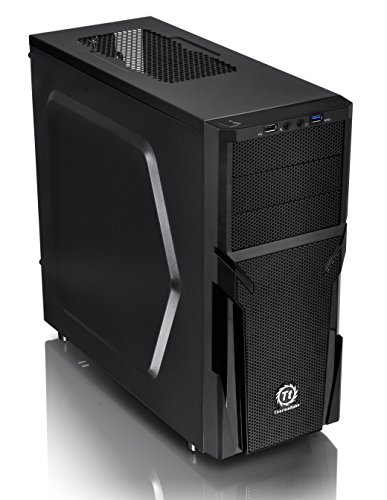
Thermaltake Versa H21 SPCC ATX Mid Tower Chassis

MUSETEX Y6 PC Case, 4 Non-LED Fans

DARKROCK EC2 ATX Mid Tower Gaming Case

Lian Li V100-ATX Mid-Tower PC Case V100RX

CORSAIR 3500X RS ARGB Panoramic Mid-Tower PC Case

MUSETEX Y6 PC Case, 7 Infinity Mirror ARGB Fans

Vetroo Pink AL800 Mid Tower ATX Gaming PC Case
HYXN leans hard into airflow, with eight pre-installed fans and a dual-chamber layout that separates the main hardware bay from the cable and power side. That split usually makes a busy gaming build feel less cramped, especially when you’re routing thicker cables or planning a large radiator. The trade-off is simple, this kind of case asks for a roomy desk or floor spot.
Its 420mm radiator support gives you room for serious cooling hardware, and the USB Type-C 3.2 front connection is a welcome touch for newer peripherals. Compared with the more restrained Thermaltake Versa H21, this one is built for a more ambitious build from day one. It suits you best when cooling priority outranks minimalist styling.
Strong Points
- Eight fans already in place, so you start with a strong cooling base.
- Dual-chamber construction helps keep cabling and power hardware out of the main view.
- 420mm radiator support gives you serious liquid-cooling headroom.
- Type-C 3.2 front access fits newer accessories without dongles.
- The layout suits long gaming sessions where heat management matters more than a small footprint.
Things To Consider
- The larger internal split can feel bulky on a tight desk or in a narrow nook.
- Eight fans also mean more dusting over time, so easy access to filters or panels matters.
- The style is very performance-forward, not subtle.
Feature Rundown
Who It Suits Best
You’ll like this most for a high-airflow gaming tower, especially with a stronger GPU and a cooling plan that goes beyond basics.
A Better Fit Elsewhere
For a cleaner showcase look with a more restrained fan count, the Lian Li V100-ATX Mid-Tower PC Case V100RX suits style-first desks better.
The Versa H21 takes a more old-school route, which can be a relief for anyone who wants a straightforward ATX shell without a lot of visual extras. SPCC steel, short for steel plate coated with a thin cold-rolled finish, usually means a sturdier feel than very light panels, though it can also add a little weight. Compared with HYXN’s fan-heavy setup, this one is about simplicity and familiar hardware fit.
That makes it sensible for a no-drama work PC or a first build where you’d rather focus on part compatibility than lighting. You may find the styling plain next to the MUSETEX and Lian Li options, but plain also means less to clean and fewer bits to fiddle with. It’s the safe, steady choice in this group.
Upsides
- SPCC steel gives the chassis a practical, everyday feel.
- ATX mid-tower sizing keeps it broadly compatible with standard desktop parts.
- The plain black finish suits office spaces and low-key gaming setups.
- Fewer decorative elements can make dusting and upkeep less involved.
Small Caveats
- The design is conservative, so it won’t satisfy anyone chasing a showcase look.
- You may want to double-check expansion plans before choosing it for a future-heavy build.
- Compared with newer cases here, it offers less of a modern visual statement.
Core Details
Made For
You’re in the right place here for a straightforward desktop build, especially one that needs to stay unfussy and familiar.
Swap It Out When
For a more modern glass-forward presentation, the MUSETEX Y6 PC Case with 4 Non-LED Fans makes a better visual fit.
MUSETEX gives you a 270-degree tempered glass view, so the interior becomes part of the room instead of hiding in the corner. Tempered glass is heat-treated glass made to improve strength and appearance, and it matters here because the case is clearly meant to be seen. Compared with the Thermaltake Versa H21, this one is for people who want hardware display as much as hardware housing.
The four pre-installed non-LED fans keep the look calmer than the flashier models in this roundup, which some desks benefit from. The Type-C front port helps modern builds feel less dated, and the black finish keeps the presentation neat. For a showpiece PC in a home office or gaming den, that balance works nicely.
Highlights
- 270-degree tempered glass gives you a wide view of the interior.
- Four included fans reduce the number of parts you need to source separately.
- Type-C front access suits newer phones, drives, and accessories.
- The non-LED fan setup keeps the visual tone more restrained than RGB-heavy cases.
Areas To Watch
- Glass panels look sharp, but they usually ask for more careful cleaning.
- The display-first style can feel too open for anyone who prefers a hidden-build look.
- Compared with HYXN’s high-fan layout, airflow emphasis is less aggressive here.
Details At A Glance
The Right Fit
You’ll get the most from this case in a display-focused gaming build or a desk setup where the interior lighting and parts are meant to be visible.
Where A Sibling Pick Shines
For a heavier cooling focus, the MUSETEX Y6 PC Case with 7 Infinity Mirror ARGB Fans suits hotter, busier builds better.
DARKROCK feels like the middle ground that many gaming towers should hit, with a tempered-glass side panel, Type-C readiness, and room for larger modern graphics cards. The support for up to eight 120mm fans plus a 360mm radiator tells you the frame is built with cooling flexibility in mind. Compared with MUSETEX’s glass-heavy showpiece style, this one leans a bit more toward practical gaming hardware.
The single pre-installed fan is modest, so you’re starting from a cleaner baseline rather than a fully loaded cooling package. That gives you freedom, but it also means you’ll be planning your airflow instead of relying on a bundled setup. For a current-gen gaming rig that may grow over time, the honest read is that it leaves you room to tune the build your way.
What We Like
- Tempered glass side panel gives the build a modern look.
- Type-C readiness suits newer cases of peripherals and front-panel needs.
- Space for larger graphics cards helps future-focused gaming builds.
- Support for eight 120mm fans offers flexible airflow planning.
- 360mm radiator support gives liquid-cooling room without forcing it.
Worth Noting
- Only one fan comes pre-installed, so extra cooling hardware is still part of the plan.
- Glass panels collect fingerprints, so upkeep can be a little more frequent.
- The look is more practical than ornamental.
Feature Snapshot
Best Suited To
You’ll appreciate this most for a gaming tower that needs current hardware room without going all-in on extras from the start.
Another Choice May Suit
For a fuller fan package straight out of the box, the HYXN H2 (2026) ATX PC Case, 8 Fans is the more loaded option.
Lian Li’s V100RX aims for a cleaner showcase feel, with four pre-installed 120mm ARGB PWM fans, an LED strip, tempered glass, and a display platform. ARGB means addressable RGB lighting, which lets compatible motherboard software control lighting effects in zones instead of one uniform color. Compared with DARKROCK’s more utilitarian setup, this one is built to look deliberate from the first power-on.
That display platform is a small but useful touch for a figurine or a favorite part, though it does ask you to keep the interior tidy. The overall presentation works best on a desk where the case stays visible, not tucked behind furniture. For style-conscious builds, it lands in a nice middle point between showy and polished.
Bright Spots
- Four ARGB PWM fans give you lighting plus controlled fan behavior.
- LED strip accents help the case feel finished without extra add-ons.
- Tempered glass and the display platform make the interior part of the decor.
- The layout suits users who want a presentable PC for an office or gaming room.
Points To Note
- The showcase style rewards tidy cable work and regular dusting.
- Lighting-heavy cases can feel unnecessary in a purely office-focused setup.
- Compared with the Thermaltake Versa H21, this one asks for more attention to presentation.
Quick Facts
Who Should Grab It
You’re a strong match here if you want your PC to look finished and presentable from across the room.
Look Elsewhere When
For a more restrained look with less lighting emphasis, the Thermaltake Versa H21 SPCC ATX Mid Tower Chassis is the calmer route.
Corsair’s 3500X RS takes a panoramic approach, so the interior gets a broad stage rather than a narrow window. The spacious layout, GPU anti-sag support, and reverse connection motherboard compatibility point to a case that expects a serious build inside it. Compared with Lian Li’s V100RX, this one is less about decorative accents and more about structure around bigger parts.
Three pre-installed fans give you a practical cooling start, and the airflow focus should appeal to anyone running a stronger graphics card. GPU anti-sag support matters because modern cards can be long and heavy, and that added support helps reduce droop over time. For a high-end desk build, the case feels purposeful without getting cluttered.
Best Bits
- Panoramic layout gives the build a broad, open presentation.
- Spacious interior helps with cable work and larger hardware.
- GPU anti-sag support adds a practical touch for heavier graphics cards.
- Reverse connection motherboard compatibility helps with newer board layouts.
- Three included fans provide a usable cooling base.
Softer Spots
- The open layout looks great, but it leaves less room for visual hiding spots.
- Premium construction usually asks for a bigger budget than simpler towers.
- Dust control matters more in cases with broad glass exposure.
Technical Sheet
Built With In Mind
You’re in the right lane here for a high-value desktop build with a large graphics card and a clean interior presentation.
Reach For A Different Pick When
For a more affordable, simpler path, the Thermaltake Versa H21 SPCC ATX Mid Tower Chassis is easier to keep understated.
This MUSETEX version shifts hard toward visual energy, with seven infinity mirror ARGB fans, a 270-degree tempered glass view, and a Type-C front port. Infinity mirror lighting creates a layered light effect that bounces through the fan area, so the case looks lively even from across the room. Compared with the four-fan MUSETEX Y6, this one clearly gives cooling and lighting more presence.
That added fan count can be a nice fit for a hotter gaming rig, though it also means more moving parts to keep clean. The black finish helps the lighting stand out instead of fighting with the shell. For a setup where the case itself is part of the room’s personality, it’s a lively choice.
Reasons To Buy
- Seven pre-installed ARGB fans create a very complete cooling base.
- Infinity mirror effect gives the front and interior a layered look.
- 270-degree tempered glass keeps the hardware visible from multiple angles.
- Type-C front access works well with newer accessories.
- The case suits a strong gaming tower that needs visual impact.
Minor Gripes
- Seven fans increase the amount of dust maintenance you’ll need to stay on top of.
- The lighting-heavy style may feel busy in a quiet office.
- Compared with DARKROCK EC2, the visual priority is much stronger than the minimalist route.
Feature Card
Whose Shelf It Belongs On
You’re a strong match for this one if your gaming build leans into lighting, airflow, and a visible interior.
Skip It When
For a calmer, less luminous setup, the Thermaltake Versa H21 SPCC ATX Mid Tower Chassis is the quieter alternative.
Vetroo’s AL800 goes its own way with a pink finish, a door-opening tempered glass side panel, and an ARGB LED strip that can sync with the motherboard through a 5V 3-pin interface. The door-style panel can make access feel more convenient than a fixed side pane, especially during cable changes or cleanup. Compared with every black case here, this is the one that clearly wants attention.
The pre-installed ARGB and PWM FDB fan adds another layer of lighting and control, while support for 50-series GPUs keeps it aimed at current hardware sizes. PWM means pulse-width modulation, a fan-control method that adjusts speed more precisely than a simple on-off setup. For a style-first desk, the color and glass pairing give it a strong identity without needing extra accessories.
Standout Traits
- The pink finish gives the case a distinct look right away.
- Door-opening glass can make access simpler than a fixed panel.
- ARGB strip sync support helps lighting match the rest of the system.
- Pre-installed ARGB and PWM FDB fan adds a helpful starting point.
- Support for 50-series GPUs keeps it relevant for newer builds.
Honest Caveats
- The color choice is specific, so it won’t suit every room or theme.
- Glass and bright finishes need a little more wiping to stay clean.
- Style-first design may matter less than airflow counts for some gaming towers.
Core Details
Built For
You’ll get the most from this case if you want a colorful gaming tower that still feels practical to open and maintain.
Where Another Pick Suits Better
For a more neutral finish and a higher cooling fan count, the MUSETEX Y6 PC Case with 7 Infinity Mirror ARGB Fans fits a busier gaming setup better.
How To Choose The Right Computer Tower Cases
Start With Your Parts, Not The Photos
Case shopping gets easier once you work backward from the parts you already want to install. ATX mid-tower models usually fit mainstream boards, but the real check is clearance for your graphics card, CPU cooler, and radiator plan. A roomy shell like the HYXN or CORSAIR gives you more flexibility, while a simpler frame like the Thermaltake keeps the build lean.
Think about the heaviest component first, then the cooling path around it. Large GPUs, thick front radiators, and tall air coolers can crowd each other fast.
Match The Case To The Room
A tower case sits in the room as much as it holds parts, so the visual style matters more than many people expect. Glass-heavy picks like the MUSETEX Y6 and Lian Li V100RX show off lighting and cable work, while the Thermaltake Versa H21 disappears quietly beside a monitor stand. A pink finish, like the Vetroo AL800, makes a clear style statement, which is great in a personal desk setup and less suited to a plain office.
Dust care matters here too. Open glass panels and fan-dense cases look sharp, but they reward regular cleaning more than closed, minimal shells.
Cooling Features Need A Real Plan
Fan count matters, but airflow only works well when intake and exhaust paths make sense. A case with eight pre-installed fans sounds impressive, yet it also creates more wiring and more surfaces to clean. Cases such as the DARKROCK EC2 offer room to design your own cooling layout, which suits builders who already know the difference between a radiator and a standard fan.
For hotter gaming hardware, prioritize space for a larger radiator or several fans over flashy trim. That choice usually pays off more than extra lighting.
Think About Upgrades You May Add Later
Some towers feel finished on day one, while others leave room for future changes. Support for larger GPUs, front Type-C, and reverse connection motherboard compatibility all help a case stay useful longer. The CORSAIR 3500X and HYXN H2 stand out here because they leave more room for a bigger plan.
That flexibility helps if you upgrade graphics cards, storage, or cooling over time. A tighter, simpler shell can still be the right call for a basic office PC, but future-friendly cases age more gracefully.
A Quick Reality Check Before You Choose
Common Shopping Slip Ups
Many people focus on lighting before checking fit. That’s how a case ends up looking great in photos but awkward around a long GPU or a front radiator.
Another easy miss is cooling count without thinking about airflow direction. Seven or eight fans sound useful, but a messy layout can work against you.
The Upgrade Payoff
Higher-tier cases usually cost more because of stronger materials, cleaner paneling, and more thoughtful internal layouts. You also tend to get extras such as GPU support brackets, wider glass coverage, or more complete fan bundles.
That extra spend makes sense for a main gaming PC or a visible desk build. For a simple office tower, the practical Thermaltake route can be the smarter use of space and money.
Frequently Asked Questions
What Size Case Fits Most Desktop Builds?
ATX mid-tower cases fit a wide range of common builds without demanding a huge footprint. They usually give you enough space for standard boards, several drives, and a fair amount of cooling hardware.
Do More Fans Always Mean Better Cooling?
Not automatically, because airflow direction and internal clearance matter just as much. A case with fewer fans can still cool well when the layout is clean and unobstructed.
Why Does Tempered Glass Matter?
Tempered glass is stronger than plain panel material and lets you show the interior more clearly. It also makes the case feel more like a display piece, which suits visible desk setups.
Is Type-C Worth Having On The Front Panel?
Type-C is useful for newer phones, drives, and accessories that use that shape of connector. It helps the case feel current without depending on adapters.
What’s The Easiest Case Style To Keep Tidy?
A plain steel tower with fewer lighting parts usually takes less upkeep. The simpler the paneling and fan count, the easier it is to wipe dust and keep the build calm.
Final Thoughts
The right tower case should make your parts easier to build around, not harder. That’s why the best match depends on how much cooling you need, how visible you want the interior to be, and whether your desk can handle a bigger frame. HYXN and CORSAIR favor ambitious gaming builds, Thermaltake keeps things simple, and Vetroo or Lian Li put style front and center. Choose the shape that fits your parts and your space, and the rest of the build starts to feel a lot more straightforward.
