
Desktop guitar amps make sense when you want sound close at hand without turning a room into a stage. You get a practical mix of volume, tone shaping, headphone use, and, on some models, Bluetooth or battery power for easier everyday practice.
This roundup focuses on small-space playing, home recording, and late-night sessions. You’ll see where each amp feels strongest, where the compromises show up, and which model fits your style of playing best.
The Shortlist At A Glance
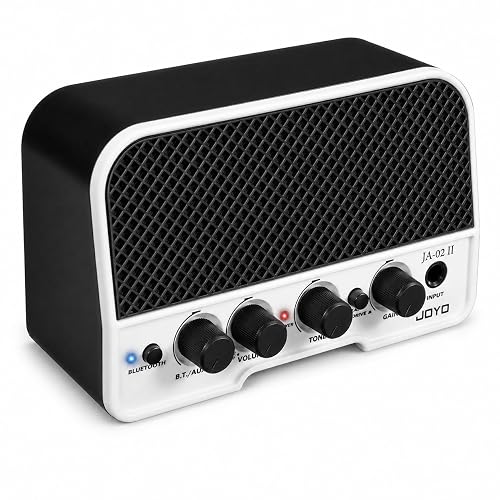
JOYO 5W Mini Guitar Amp (JA-02 II Black)
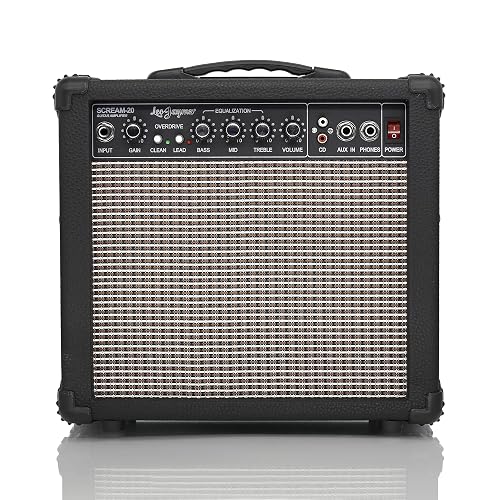
Leo Jaymz 20W Electric Guitar Amplifier 6.5" Black
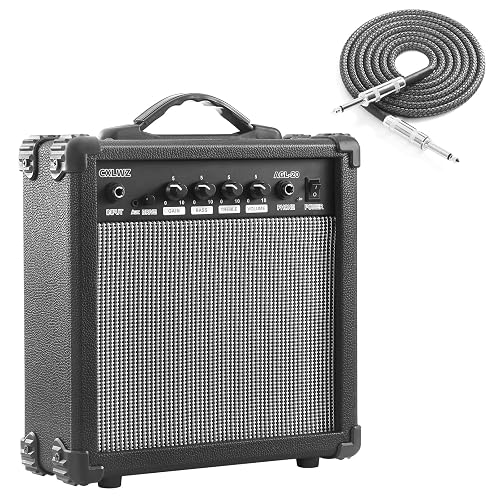
CXLWZ 20 Watt Electric Guitar Amp with Headphone Input
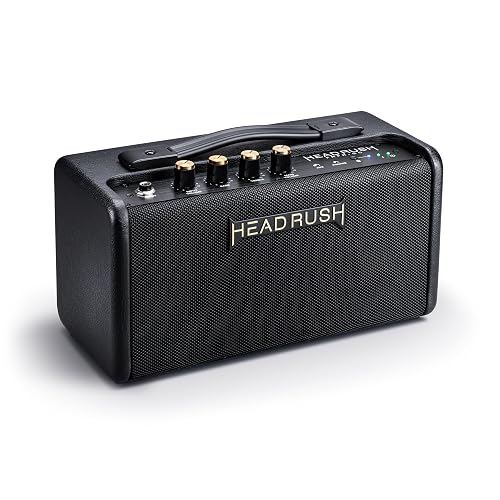
HeadRush FRFR-GO 30W Portable Electric Guitar Amplifier
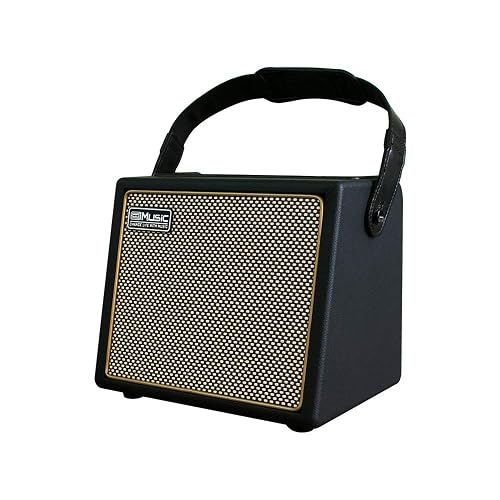
COOLMUSIC Acoustic Guitar Amplifier 30 Watt Black
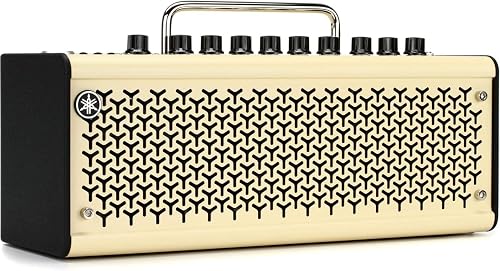
Yamaha THR10II Wired Desktop Guitar Amp 10W
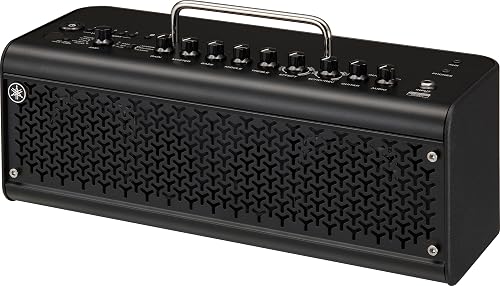
Yamaha THR30II Wireless Desktop Guitar Amp Black
More Details On Our Top Picks
The JOYO JA-02 II makes the most sense in tight spaces, where a small amp still needs to feel like a real instrument rig. Dual 5W speakers, Bluetooth 5.0, and a rechargeable battery give you a flexible practice setup without asking for much desk space.
The honest trade-off is power, because this is built for rooms and casual play, not a loud band situation. For bedroom players, students, and anyone who wants clean and overdrive channels in a portable shell, it keeps things simple and easy to live with.
Strong Points
- Dual speakers help the amp feel fuller than many tiny practice units.
- Bluetooth 5.0 adds a convenient way to play along with tracks.
- Rechargeable power suits a desk, dorm, or short outdoor practice session.
- Clean and overdrive voices give you basic tone variety without extra gear.
- Headphone output makes quiet sessions easier in shared spaces.
Things To Consider
- The 5W class keeps expectations modest for volume and low-end weight.
- The compact format leaves less room for deep tone shaping than larger amps.
- Battery charging adds one more thing to remember before longer practice blocks.
Feature Snapshot
Who It Suits Best
You’ll get the most from this one in a bedroom, dorm, or small home office where portability matters more than raw volume.
A Better Fit Elsewhere
Yamaha THR10II Wired Desktop Guitar Amp 10W suits players who want a more polished desktop tone and a more developed feature set.
Compared with the tiny JOYO, the Leo Jaymz gives you a roomier 20W format and a more traditional amp feel. The leather-look exterior and carry handle make it easier to move around a practice room, while the clean and distortion channels keep setup simple for everyday playing.
The 3-band EQ, which means separate controls for bass, middle, and treble, matters more than it sounds, because it lets you correct a bright room or a muddy guitar with a few turns. For home practice, small studios, or a quiet courtyard, that kind of direct control is useful, though you’ll still feel its limits in a bigger space.
What We Like
- 20W output gives you more headroom than pocket-sized practice amps.
- Clean and distortion channels cover two common practice tones.
- Three-band EQ helps you shape the sound for the room.
- CD line input adds a simple way to play along with outside audio.
- The handled cabinet format feels familiar and easy to place beside a desk or stand.
Room For Improvement
- The larger cabinet takes more shelf space than the JOYO or CXLWZ picks.
- It is still a home-oriented amp, so huge-room projection is outside its lane.
- The 110 to 130V input range means placement should match your local power setup.
Core Details
Who Should Grab It
You’ll appreciate this amp most in a home practice room or small studio where a simple control layout and a bit more output matter.
Look Elsewhere When
Yamaha THR30II Wireless Desktop Guitar Amp Black fits better for players who want a more premium desktop setup with wireless freedom.
This CXLWZ amp leans into quiet, controlled practice, which is a good fit for apartments and shared homes. The headline feature is the headphone input, and the included noise-reduction cable points to a setup built for cleaner signal flow rather than flashy extras.
That makes it especially handy for late sessions or focused practice where you want the guitar to stay present without bothering everyone else. The trade-off is that it reads more as a utility amp than a feature-rich one, so players chasing lots of tone-shaping options may want to look higher up the list.
Upsides
- Headphone input keeps practice private in shared spaces.
- 20W output gives enough room for ordinary home playing.
- The included shielded cable helps support a cleaner signal path.
- The simple layout should feel approachable for newer players.
Softer Spots
- Feature depth looks modest beside the Yamaha and HeadRush picks.
- The styling is straightforward, so the amp is more about function than flair.
- You may want extra care with cable storage to keep the setup tidy over time.
Details At A Glance
Made For
You’ll get the most value from this amp if you practice at night, share walls, or want a no-drama desktop setup.
Another Choice May Suit
Leo Jaymz 20W Electric Guitar Amplifier 6.5" Black works better for players who want more onboard tone shaping and a more traditional cabinet feel.
The HeadRush FRFR-GO stands apart because it’s built for modelers and multi-FX rigs, not just a plain guitar cable-in experience. FRFR means full-range, flat-response, so the speaker aims to reproduce what your processor sends with less coloring of its own, which matters a lot for amp modeling pedals.
Dual 3-inch speakers, Bluetooth, and a rechargeable battery make it feel like a mobile desktop monitor with real flexibility. You may find it especially useful in a small studio, rehearsal corner, or travel setup, though players wanting classic amp coloration should remember that this is a different kind of tool from the Yamaha THR models.
Bright Spots
- FRFR tuning suits amp modelers and multi-effects rigs.
- Dual 3-inch speakers help with clarity in a compact cabinet.
- Bluetooth playback gives you easy access to backing tracks.
- The rechargeable battery helps reduce outlet dependence.
- Its portable shape works well beside pedalboards and compact desks.
Minor Gripes
- Players seeking traditional amp warmth may prefer a more colored voice.
- The FRFR approach makes the fit more specific than with general-purpose practice amps.
- Battery charging and cable management still matter for mobile use.
Quick Facts
Best Suited To
You’ll get the most from this amp if your setup already includes a modeler, profiler, or multi-effects pedal.
Where A Sibling Pick Shines
Yamaha THR30II Wireless Desktop Guitar Amp Black is the better all-round desktop choice for players who want classic amp-style voices in one unit.
This COOLMUSIC pick is the most acoustic-focused amp in the group, so it fits players who want a small room speaker that also respects the natural guitar voice. The 30W output, 6.5-inch speaker, reverb, chorus, and Bluetooth support make it a flexible desk or patio companion for strumming, vocal practice, or backing tracks.
The useful part is the extra input flexibility, since it can handle more than one source at a time. The compromise is that acoustic amp voicing will not appeal as much to electric players chasing crunchy drive tones, so the match depends on what you plug in most.
Reasons To Buy
- 30W output gives it more room than the smallest practice amps.
- Reverb and chorus add useful space and movement to acoustic parts.
- Bluetooth support makes backing playback easy for home sessions.
- Three inputs create more room for voice, guitar, or another source.
- The 6.5-inch speaker helps the amp feel fuller for acoustic work.
Points To Note
- Its voice is aimed at acoustic use, so electric tones are not the main story.
- The larger cabinet takes more room than the compact JOYO or CXLWZ picks.
- Effects are useful, though still more basic than a dedicated processor setup.
Feature Rundown
Built With In Mind
You’ll like this most if your time is split between acoustic guitar, light singing, and casual playback.
Skip It When
Leo Jaymz 20W Electric Guitar Amplifier 6.5" Black suits electric players better, especially those who want a more classic practice amp feel.
The THR10II feels like the polished middle ground in this list, especially for a desk where tone quality matters as much as convenience. Yamaha pairs wired desktop use with Bluetooth support, USB connectivity, a remote editor app, and amp models for guitar, bass, and acoustic-electric parts, so the feature set stretches well beyond simple practice.
Compared with the smaller JOYO and the more utilitarian Leo Jaymz, this one is clearly aimed at players who spend serious time at home. The price of that flexibility is a less stripped-down setup, but for recording, quiet practice, and daily use, it reads as a thoughtful fit.
Highlights
- A wide set of amp voices gives you room to cover many styles.
- Bluetooth playback adds convenience for practicing over songs or loops.
- USB connectivity makes home recording and playback more straightforward.
- The remote editor app gives you deeper control from a desktop or phone.
- Its desktop shape fits neatly near a workstation or practice table.
Areas To Watch
- The extra features mean more setup than the simplest practice amps.
- Players who only want raw volume may find the format more polished than blunt.
- Cable organization matters more once Bluetooth, USB, and editing tools enter the picture.
Technical Sheet
Whose Shelf It Belongs On
You’ll get the best use from this amp if you want one desktop unit for daily practice, tone shaping, and casual recording.
Reach For A Different Pick When
HeadRush FRFR-GO 30W Portable Electric Guitar Amplifier is the stronger match for modeler users who need a flatter, more transparent response.
This is the most complete desktop-style option in the group, and it shows in the way Yamaha combines wireless playback, a built-in rechargeable battery, amp models, mic models, and flat voicings for broader use. The THR30II Wireless is especially appealing for players who want a tidy desk setup but still expect the amp to handle electric guitar, bass, and acoustic-electric work without much fuss.
Compared with the THR10II, you’re paying for more freedom from cables and a larger 30W platform, which matters in a room that gets used for more than one thing. The setup feels less like a practice box and more like a small hub, though the extra capability also means you’ll want to spend a little time learning the controls.
Best Bits
- Wireless operation reduces cable clutter around the desk.
- Rechargeable power adds mobility beyond a fixed outlet.
- Multiple voice types help it cover several instruments and styles.
- 30W output gives it more room than the smaller THR10II.
- The desktop shape still fits neatly in a home studio or practice corner.
Small Caveats
- The more advanced feature set asks for a little setup time.
- Players who only need a basic practice amp may find it more than necessary.
- Cable-free use is convenient, but charging still becomes part of the routine.
Core Details
Right Fit For
You’ll appreciate this most if you want one desktop amp that can stay useful as your setup grows.
Swap It Out When
Yamaha THR10II Wired Desktop Guitar Amp 10W is the simpler choice for players who want a smaller, wired desktop unit.
How To Choose The Right Desktop Guitar Amps
Match Output To Your Space
Desktop amps live or die by how well they fit the room. A 5W mini amp like the JOYO works for close practice, while 20W and 30W options give you more headroom for a living room, studio corner, or casual jam area.
Higher output does not automatically mean better tone, but it usually means less strain at moderate volume. For a shared apartment or desk setup, that balance matters more than raw loudness.
Look Past Volume And Check The Feature Mix
Bluetooth, headphone output, AUX or line input, and rechargeable power all change how often you’ll actually use an amp. The CXLWZ and JOYO are handy for quiet daily play, while the Yamaha models add deeper control and, in the THR30II’s case, wireless freedom.
Think about your practice habits, not just the spec list. A simple amp with the right input options often gets used more than a feature-heavy unit that feels fussy.
Choose The Right Voice For Your Gear
Electric players, acoustic players, and modeler users need different things from a desktop amp. The HeadRush FRFR-GO is built for amp modelers and pedal rigs, because its flat-response design aims to pass through your tone more honestly.
The Yamaha THR models lean toward polished amp voices and broader instrument support, which suits players who want a more complete home setup. Acoustic-focused amps such as the COOLMUSIC make more sense for singers and strummers than for heavy electric tone shaping.
Don’t Ignore Size, Controls, And Daily Handling
A compact cabinet is easier to stash on a shelf, but a bigger box can give you better reach and simpler controls. Leather-look finishes, handles, battery packs, and wired-only layouts all affect how painless the amp feels after the first week.
Maintenance is usually straightforward, though portable amps reward tidy cable storage and regular charging. That kind of practical detail sounds small, yet it’s often what separates a good desk companion from one that ends up in a closet.
A Quick Reality Check
Mistakes Worth Dodging
One common miss is buying for wattage alone. A 30W unit can still feel wrong in a bedroom if you mainly want headphone practice, while a tiny amp can be plenty for close-range use.
Another slip is overlooking the input types you actually need. Backing tracks, a phone, a modeler, or a microphone each point you toward a different kind of amp.
The Upgrade Payoff
Higher-tier desktop amps usually cost more because they pack in better speaker design, more voice options, app control, wireless support, or more flexible power handling. Those extras matter most when the amp is part of your daily routine rather than an occasional practice tool.
That extra spend makes sense for home recording, multi-instrument use, or a tidy desk setup that needs to do more than one job. For basic late-night practice, simpler models can be the calmer choice.
Final Thoughts
The right desktop guitar amp depends on how you play at home and how much control you want at arm’s reach. The JOYO and CXLWZ keep things light and practical, the Leo Jaymz and COOLMUSIC bring more room to grow, and the Yamaha and HeadRush picks cover more serious setups with more polish. Match the amp to your space, your instrument, and your routine, and you’ll end up with something you actually keep plugged in.
