
Hdmi 4k Wires matter most when your screen setup has no room for sloppy connections. A short run behind a TV, a 50-foot link to a projector, or a gaming desk with a high-refresh monitor all ask for a different kind of cable. The picks below focus on bandwidth, build style, length, and real use cases, so you can match the wire to the room instead of guessing.
Quick Look At Our Top Hdmi 4k Wires

Acer HDMI 2.1 Cable 6.6FT
FIBBR Fiber Optic HDMI Cable 50 ft 2.1 8K
Kirei V Wire 4K HDMI Cable 50 ft 2.0
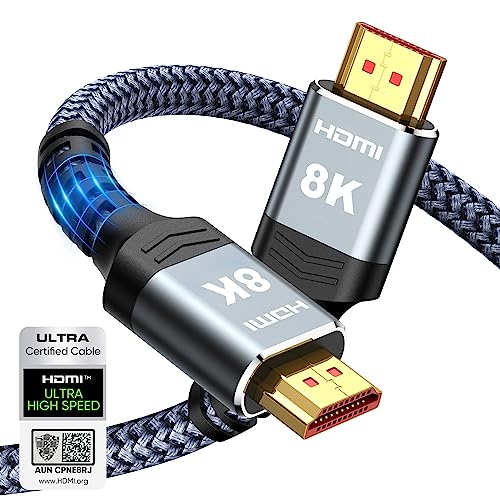
Highwings 8K 10K 4K HDMI Cable 48Gbps 6.6FT

Ubluker 10K 8K 4K HDMI Cable 48Gbps 6.6 FT

PowerBear 4K HDMI Cable 10 ft

Highwings 10K 8K 4K HDMI Cable 48Gbps 5FT
Ubluker 10K 8K 4K HDMI to HDMI Cable 5FT
More Details On Our Top Picks
A short braided run like this makes sense beside a console or a desk monitor, where you want a tidy cable with enough headroom for modern video formats. The 48Gbps bandwidth, HDMI 2.1 support, and backward compatibility with older HDMI versions give it broad range without forcing you into a full equipment swap.
Gaming setups benefit most because the cable is built for 4K at high refresh rates and 8K at 60Hz, and VRR helps smooth out compatible screens by reducing visible tearing. The honest trade-off is that a 6.6-foot cable fits best in close quarters, so longer furniture runs call for a different pick.
Strong Points
- 48Gbps bandwidth leaves room for demanding video and audio signals.
- 4K high refresh support suits modern consoles and gaming monitors.
- Braided outer build handles desk use and frequent repositioning well.
- ARC and eARC support help simplify soundbar connections in living rooms.
- Backward compatibility keeps it useful with older gear in mixed setups.
Things To Consider
- Six and a half feet is a tight fit for wider TV stands.
- The spec set is overkill for basic streaming boxes.
- Braided cable jackets can feel a bit stiffer in cramped corners.
Feature Snapshot
Who It Suits Best
Console gamers and desk users who want a short, high-bandwidth cable fit this Acer well.
A Better Fit Elsewhere
FIBBR Fiber Optic HDMI Cable 50 ft 2.1 8K suits projector rooms and wall-run installs better, since the longer reach matters more than the Acer’s compact size.
Fifty feet changes the conversation completely, because cable thickness and signal stability start mattering as much as picture support. This FIBBR model uses fiber optic construction, which makes the run lighter and easier to route through walls or conduits than a thick copper cable.
The directional layout matters too, since the source and display ends have to be connected the right way for the link to work as intended. In a home theater or projector room, that kind of clear labeling helps more than flashy extras, though you do give up some casual plug-and-play simplicity.
Upsides
- Fifty-foot reach suits projector rooms and larger media spaces.
- Fiber optic construction keeps the cable lighter than many copper runs.
- 8K at 60Hz and 4K at 120Hz cover modern display gear.
- VRR, ALLM, and eARC fit current gaming and theater setups.
- Thinner profile can make in-wall routing less awkward.
- High bandwidth helps the cable stay relevant in mixed AV systems.
Small Caveats
- The directional ends mean setup needs a little more attention.
- Long fiber runs are less forgiving than short desk cables.
- The length makes cable management important, especially behind racks.
- It is far more cable than a basic TV box usually needs.
Core Details
Who Will Love This
Home theater owners and projector users who need a long, light cable will get the most from this FIBBR run.
Look Elsewhere When
Highwings 8K 10K 4K HDMI Cable 48Gbps 6.6FT fits much better for console stands and near-range TV setups where a long cable would just add clutter.
This Kirei V Wire option takes a simpler route than the FIBBR fiber model, because it leans on HDMI 2.0 rather than the newest 2.1 feature set. That makes it easier to place as a long cable for a projector or older 4K display without paying for features you may not need.
Its nylon braid and gold plated connectors point toward everyday durability and a stable physical connection, which matters in a rack, media cabinet, or guest room setup. The limitation is plain, though, since 4K is listed at 30Hz, so fast gaming and high-refresh displays should look elsewhere.
Best Bits
- Fifty-foot reach works for room-spanning TV and projector setups.
- HDMI 2.0 compatibility fits older 4K gear cleanly.
- Nylon braid helps the cable hold up in regular use.
- Gold plated connectors support a more reliable physical connection.
- ARC support helps with basic soundbar or receiver routing.
Areas To Watch
- 4K at 30Hz is fine for movies, not for fast gameplay.
- It lacks the higher-end HDMI 2.1 feature set.
- Long cable runs need tidy storage to avoid tangles behind gear.
Details At A Glance
Built With In Mind
Long-run home theater and basic 4K streaming setups suit this cable best.
Another Choice May Suit
FIBBR Fiber Optic HDMI Cable 50 ft 2.1 8K fits better for you than the Kirei V Wire model when you want long distance plus newer HDMI 2.1 features.
Compared with the Acer short cable, this Highwings model lands in the same close-range sweet spot but adds a different mix of video and audio support. The 6.6-foot length suits a console under the TV, a soundbar beside it, or a monitor on a desk where neat routing matters more than reach.
The 48Gbps rating, 8K at 60Hz support, and 4K at 120Hz make it a sensible match for fast consoles and modern displays. The trade-off is familiar: you get plenty of headroom, but only in a compact run, so it is not the one for a wall-spanning setup.
Highlights
- Short length keeps desk and TV stands tidy.
- 48Gbps bandwidth suits demanding video and audio chains.
- 4K at 120Hz works well for fast console play.
- Backward compatibility helps with mixed HDMI gear.
- Braided jacket adds a sturdy feel for daily handling.
Worth Noting
- The compact length will not solve distance problems.
- Some setups will not need this much bandwidth.
- The braided finish can feel less flexible than plain PVC.
Feature Card
The Right Fit
Gamers and living room setups with short cable runs will get the most out of this Highwings cable.
Where A Sibling Pick Shines
PowerBear 4K HDMI Cable 10 ft fits better for people who need a little extra slack between a console, a monitor, or a media cabinet.
Ubluker pushes harder into the enthusiast lane than the simpler cables above, and that shows in its broad feature list. For a gaming PC, high-end monitor, or console display that can actually use 4K at very high refresh rates, the cable gives you a lot of room to grow.
The official certification label adds peace of mind for people who want a cable that is built around the HDMI Forum’s compliance rules, not just a long feature list. The catch is that many household setups will never tap every feature here, so the extra capability makes the most sense in a more demanding rig.
Reasons To Buy
- Certified status gives the cable a more formal feature profile.
- 4K at 240Hz and 144Hz suits high-refresh displays.
- 8K at 60Hz keeps it current for advanced screen hardware.
- Dynamic HDR and VRR help with vivid, responsive viewing.
- eARC and HDCP 2.3 support fit modern AV chains.
- Short 6.6-foot length keeps the setup neat on a desk or stand.
Room For Improvement
- Most everyday streamers will not need this much capability.
- The spec sheet can feel crowded for simple TV hookups.
- Premium features make the cable most useful in demanding setups.
Technical Sheet
Whose Shelf It Belongs On
Serious gaming desks and premium monitor setups fit this Ubluker cable best.
Skip It When
PowerBear 4K HDMI Cable 10 ft makes more sense for everyday TV or console use that does not need the Ubluker’s higher-spec feature stack.
PowerBear lands in the useful middle ground, because ten feet is long enough for a desk, a media console, or a wall-mounted TV without turning the cable into clutter. That extra reach also helps when your devices do not sit perfectly aligned, which is common in real rooms.
The build details are straightforward: braided nylon on the outside, gold connectors at the ends, and 18Gbps support for 4K at 60Hz, 2K, and 1080p. The honest read is that this is a sensible everyday cable, not a feature hoarder, so it suits people who want stable basics more than cutting-edge gaming specs.
Positives
- Ten feet gives you room to place gear naturally.
- 4K at 60Hz suits streaming, movies, and casual console play.
- Braided nylon adds a sturdier feel in daily handling.
- Gold connectors support a more durable plug surface.
- ARC and Ethernet expand what the cable can handle.
- Backwards compatibility helps in mixed HDMI setups.
Minor Gripes
- It is not meant for 8K use.
- High-refresh gaming fans will want a newer HDMI 2.1 cable.
- Some desks may find ten feet longer than needed.
Core Details
Perfect Match For
Casual streamers, console owners, and desk setups that need a dependable mid-length cable fit this PowerBear well.
Reach For A Different Pick When
Acer HDMI 2.1 Cable 6.6FT suits you better for compact gaming setups where shorter cable runs matter more than the extra slack.
Five feet is a neat fit for compact entertainment centers, and this Highwings cable leans into that clean, close-range role. Compared with the ten-foot PowerBear, it keeps excess slack out of the way, which helps behind wall-mounted displays or tight desk setups.
The 48Gbps rating and support for 4K at 120Hz and 8K at 60Hz mean the cable still has the kind of headroom many short-run gaming setups want. One thing worth considering is that the short length is a feature only when your devices sit close together, otherwise it can feel limiting fast.
Bright Spots
- Five-foot length keeps short-distance setups neat.
- 48Gbps bandwidth supports current high-data video chains.
- 4K at 120Hz works well for fast console and PC play.
- Braided cord construction gives the cable a firmer feel.
- Backward compatibility helps in mixed device environments.
Areas To Watch
- Short length leaves little room for layout mistakes.
- It is not practical for across-room routing.
- Some setups will want more slack for easier cable management.
Quick Facts
Best Suited To
Console owners and desk setups with little extra space will appreciate this Highwings cable most.
Where A Sibling Pick Shines
FIBBR Fiber Optic HDMI Cable 50 ft 2.1 8K is the better match for projector rooms, since it solves distance instead of keeping things compact.
This Ubluker cable stands out for how many display modes it covers in a short 5-foot run. That makes it appealing for a desk, monitor arm, or compact media space where you want a lot of feature headroom without much cable slack.
It also lists a wide set of HDMI version compatibility, plus 48Gbps bandwidth and support for features like VRR, ALLM, and eARC. The trade-off is simple, since this kind of cable makes the most sense for advanced setups that can actually use the added modes.
Standout Traits
- Short five-foot length keeps near-range setups neat.
- Wide HDMI version support helps with mixed equipment.
- 4K at 240Hz and 8K at 60Hz suit advanced displays.
- VRR and ALLM are useful for gaming-focused systems.
- 48Gbps bandwidth gives the cable strong data headroom.
Softer Spots
- The short length will not help in larger rooms.
- Many basic TVs will never use every listed feature.
- Feature density makes it more cable than some setups need.
Feature Rundown
Who Should Grab It
Advanced desk setups and feature-heavy display chains suit this Ubluker cable best.
Swap It Out When
PowerBear 4K HDMI Cable 10 ft makes more sense for everyday TV layouts that need a little extra reach and less spec density.
How To Choose The Right Hdmi 4k Wires
Length And Room Layout
The first question is distance, because a cable that is too short creates placement stress and a cable that is too long adds clutter. A 5- to 6.6-foot cable fits consoles, soundbars, and monitors sitting close together, while 10 feet gives you more breathing room on a desk or media console. Long projector rooms are a different story, and that is where 50-foot runs start making sense.
Think about the actual path, not just the straight-line gap. A wall mount, corner turn, or cabinet door can eat up slack fast, so the number on the listing needs a little real-world buffer. That small planning step saves a lot of awkward rerouting later.
Bandwidth And Refresh Rate
Bandwidth is the amount of data the cable can carry each second, and it shapes whether you can use high resolution with fast motion at the same time. 18Gbps is enough for standard 4K at 60Hz use, while 48Gbps opens the door to 4K at higher refresh rates and 8K support. In plain terms, more bandwidth gives you more room for newer TVs, monitors, and consoles.
Match the cable to the screen you actually own, not the one you plan to own someday. A streaming box on a 4K TV does fine with a simpler cable, while a PS5 or Xbox Series X setup usually benefits from the higher-bandwidth group. That keeps you from paying for headroom you may never use.
Build Style And Installation
Braided jackets feel sturdier and usually hold up well in visible, high-touch spots behind a TV or desk. Fiber optic cables are lighter and easier to route through walls or conduit, which matters in home theater installs where bend radius and cable bulk can become annoying. Plainly put, the best build style depends on where the wire has to live.
Directional cables need more care because the source and display ends have specific jobs. That is not a flaw, just a setup detail that rewards attention during installation. For tight cabinets and long wall runs, clear labeling can be worth more than a softer jacket.
Feature Fit For Your Devices
ARC and eARC help send TV sound back to a receiver or soundbar, so they matter most in living room setups with external audio. VRR, ALLM, and high-refresh support matter more for gaming, especially on consoles and monitors that can actually use them. HDR support can also matter, but only alongside a display that already handles it well.
Older HDMI gear can still benefit from backward compatibility, which keeps mixed setups simpler. That makes a cable like the Acer or PowerBear easier to slot into a house with a few generations of devices. The right cable is the one that fits your room, your screen, and your habits without excess.
Things Worth Knowing First
Mistakes Worth Dodging
One common mistake is buying for a feature list instead of a setup. A 50-foot cable with 8K support makes little sense beside a compact desk TV, and a 4K 30Hz cable falls short for fast console play. Start with the device layout, then choose the specs that actually line up.
Another miss is overlooking cable direction on fiber optic models. Source and display ends are not interchangeable, so a rushed install can create a head-scratching problem that looks bigger than it is.
What The Higher Tier Buys
More expensive cables usually bring higher bandwidth, tighter feature support, and better construction for difficult routes. In this category, that often means 48Gbps capability, higher refresh-rate support, stronger jackets, or a fiber optic core that handles long distances more cleanly.
That upgrade is worth it when your gear is demanding, your room is large, or your setup changes often. For basic streaming or a spare TV connection, simpler cable can already cover the job without extra complexity.
Frequently Asked Questions
Do Hdmi 4k Wires Need To Be The Same Length For Every Setup?
No, the right length depends on the room and the devices. Short runs work best near a TV or monitor, while larger rooms need more slack and cleaner routing.
Is 48Gbps Always Better Than 18Gbps?
Not always, because the useful choice depends on your display and source. 48Gbps matters most for high-refresh gaming and newer TV features, while 18Gbps covers standard 4K use well.
Does A Braided Cable Last Longer Than A Plain One?
A braided jacket often feels sturdier in daily handling and can resist scuffs better. The real benefit shows up behind entertainment centers where cables get moved, bent, or seen.
Why Do Some Long Cables Use Fiber Optic Construction?
Fiber optic cables are lighter and easier to route over long distances. That helps in projector rooms, wall runs, and conduit installs where bulk becomes a problem.
Should You Choose HDMI 2.1 For Every 4K TV?
No, because many 4K TVs work well with HDMI 2.0 cables for everyday viewing. HDMI 2.1 becomes more useful when you want higher refresh rates, newer gaming features, or extra bandwidth headroom.
Closing Thoughts
The right Hdmi 4k Wires are the ones that match your room first and your device list second. A short braided cable makes sense beside a console, a ten-foot cable fits most living rooms, and a long fiber optic run belongs in projector spaces or wall-mounted installs. Once you separate everyday viewing from high-refresh gaming, the choice gets much clearer. Pick the wire that fits the path, the screen, and the way you actually use the setup.
