
Graphics-card setups can get messy fast, especially once you mix monitors, consoles, capture gear, mini HDMI devices, and older display ports. The right cable keeps that part simple, so your desk, media shelf, or travel kit stays cleaner and less frustrating. You’ll see a mix here, from straightforward HDMI runs to adapters for DVI, DisplayPort, and mini HDMI, which matters because the port on your gear decides the fit long before picture quality does.
This roundup keeps the focus on real connection needs, like a desktop with an older monitor, a gaming rig that needs 4K bandwidth, or a camera workflow that still leans on mini HDMI. Each pick earns its place by solving a different compatibility problem without padding the list with near-duplicates. The point is to help you match the cable to the port, the room, and the way you actually use the setup.
Quick Shortlist For Graphics Card Setups

CableCreation HDMI to DVI 5ft Bi-Directional Cable

StarTech 6ft High Speed HDMI Cable 4K 60Hz

Ureegle DisplayPort to HDMI Cable 2 Pack 6.6ft

UANTIN Mini HDMI to HDMI Cable 6FT 4K 60Hz

Alvin’s Cables 8K Mini HDMI to HDMI Coiled Cable

ZeniKon 8K Thin HDMI Cable 6.6FT 2-Pack
AVACON 4K DisplayPort to HDMI 6 Feet Cable
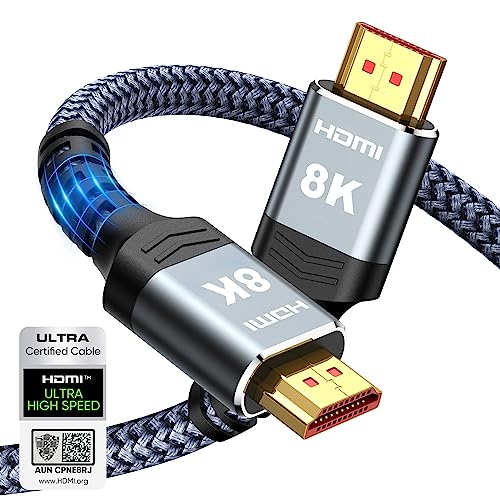
Highwings 8K 10K 4K HDMI Cable 48Gbps 6.6FT
More Details On Our Top Picks
This CableCreation lead solves the old-monitor problem cleanly, since it bridges HDMI and DVI in either direction and uses a 5-foot reach that suits a desk or media cabinet. The DVI-D 24+1 detail matters because that pin layout is the common digital type for many older displays, and the nylon braid adds some protection without making the cord feel stiff.
You may find it especially useful beside a graphics card that still needs to feed a legacy screen, a Raspberry Pi desk setup, or a console tucked near a second display. The trade-off is simple: DVI does not carry the newer audio-heavy and high-bandwidth perks you get from the pure HDMI options later in this list, so this is about compatibility first.
Strong Points
- Bi-directional support gives you more placement options around older PCs and displays.
- 5 feet works well for close-range desk links without excess slack.
- Nylon braiding helps the cord hold up better in a busy setup.
- DVI-D 24+1 compatibility fits many digital-only legacy monitors.
Things To Consider
- It suits older display hardware, not modern HDMI-only picture features.
- Five feet can feel tight in a large room with a wall-mounted screen.
- The cable is less flexible than the slim HDMI options later in the roundup.
Feature Snapshot
Who It Suits Best
You’ll get the most out of this cable in a mixed-age setup where an HDMI graphics card still has to serve a DVI monitor.
Where A Sibling Pick Shines
Highwings 8K 10K 4K HDMI Cable 48Gbps 6.6FT is the better fit for newer 4K gaming displays that need a straight HDMI run.
StarTech takes a more polished route than the first pick, with HDMI 2.0 bandwidth rated at 18Gbps and connector markings that make it easier to sort in a drawer full of cords. That helps in a desktop setup where you want a tidy cable that can handle 4K at 60Hz without making you guess which lead goes where.
Owners commonly prefer TPE jackets for their softer feel, and that usually makes desk routing less fussy than a stiffer sleeve. The honest trade-off is that the feature set is narrower than the ultra high speed cables later in the list, so it suits solid 4K use more than cutting-edge gaming displays.
What We Like
- 18Gbps bandwidth supports smooth 4K 60Hz signal delivery.
- Connector markings save time during setup and cable swaps.
- The TPE jacket usually bends more easily than a harder outer layer.
- Backward compatibility makes it friendlier to older HDMI gear.
- Six feet gives you a useful middle ground for most desk layouts.
Areas To Watch
- It is built around HDMI 2.0, not the newer HDMI 2.1 feature set.
- A 6-foot run may still feel short in a living-room setup.
- The cable focuses on picture transfer, so it offers no special flexibility tricks beyond the jacket material.
Core Details
Who Will Love This
You’ll appreciate this most for a dependable desktop or media-room HDMI connection where neat handling matters as much as the picture.
A Better Fit Elsewhere
Highwings 8K 10K 4K HDMI Cable 48Gbps 6.6FT suits you better when your display and graphics card both support newer HDMI 2.1 features.
This two-pack stands out because it solves a common graphics-card problem without making you shop twice. DisplayPort to HDMI is a one-way path here, and that matters in offices or home desks where the GPU has DisplayPort output but the monitor still expects HDMI.
Gold-plated connectors and shielding are the parts that usually matter most in a crowded workspace, since they help the signal stay steady around other cables and power bricks. It’s a sensible fit for presentations, a second monitor, or a casual gaming station, though the 1080p focus keeps it behind the sharper HDMI 2.1 options later on.
Upsides
- Two cables in the package make it handy for dual-screen setups.
- DisplayPort to HDMI routing is clear and useful for many desktop graphics cards.
- Gold-plated connectors help with long-term contact stability.
- Shielding is a practical touch for office desks with lots of nearby electronics.
- Plug-and-play use keeps setup straightforward, with no driver step.
Softer Spots
- It only works from DisplayPort source to HDMI display, not both ways.
- The 1080p target makes it a poorer match for higher-end 4K monitoring.
- 6.6 feet is useful, though some multi-monitor desks need a longer run.
- The latch-style connector asks for a little extra care during removal.
Details At A Glance
Best Suited To
You’ll get the most value from this pack in a PC desk setup where your graphics card has DisplayPort and your monitor still uses HDMI.
Swap It Out When
StarTech 6ft High Speed HDMI Cable 4K 60Hz is the cleaner pick for a direct HDMI-to-HDMI run between newer components.
Mini HDMI is the niche connector that catches people off guard, and this UANTIN cable handles that gap with a 6-foot run and bi-directional support. That makes it handy for cameras, compact tablets, or a graphics-card-connected device that needs a mini HDMI link instead of a standard full-size port.
The 18Gbps HDMI 2.0 rating and 4K 60Hz support give it enough headroom for crisp video in portable setups. The trade-off shows up in the device check, though, because mini HDMI is easy to confuse with micro HDMI, and the wrong port choice will stop the cable from fitting at all.
Reasons To Buy
- Bi-directional support broadens how you can route the connection.
- 4K 60Hz output keeps portable viewing sharp and current.
- 18Gbps bandwidth gives the cable room for high-quality video transfer.
- Works with a wide mix of cameras, tablets, and small-form devices.
- Six feet is a comfortable length for travel bags and mobile workstations.
Small Caveats
- You need a true mini HDMI port, not micro HDMI or micro USB.
- It is aimed at compact gear, so it is less relevant for a simple full-size desktop run.
- Port labels matter here, and a quick double-check saves a lot of hassle.
Feature Rundown
Who Should Grab It
You’ll like this most for portable gear, camera bags, and compact devices that specifically use mini HDMI.
Look Elsewhere When
AVACON 4K DisplayPort to HDMI 6 Feet Cable fits better for a desktop graphics card that needs to feed a normal HDMI monitor.
Alvin’s Cables leans into a more specialized setup, with a coiled body that keeps slack under control while still supporting both mini HDMI to HDMI and HDMI to mini HDMI routing. That is a neat fit beside a cramped bench, a portable projector bag, or gear that moves around a lot and needs the cable to stay tucked in.
The high-bandwidth spec set goes far beyond basic video transfer, and that’s the point of this pick. You get 8K at 60Hz, 4K at 240Hz, and backward support for older HDMI versions, though the premium feature set only matters when the rest of the chain can actually use it.
Best Bits
- Coiled construction helps keep cable slack under control in tight spaces.
- Bi-directional mini HDMI support gives it flexible use across devices.
- 8K and high-refresh 4K support fit advanced display gear.
- Backward compatibility makes it easier to keep in a mixed-kit setup.
- Useful for travel cases where a loose cable would be annoying.
Trade Offs
- The feature set makes the cable more specialized than a basic HDMI lead.
- It works best when your source device truly uses mini HDMI.
- Coiled cabling is tidy, though some desks prefer a straight run.
Quick Facts
The Right Fit
You’ll get the most from this cable in compact rigs, camera gear, and portable display setups where a coiled lead keeps things tidy.
Reach For A Different Pick When
UANTIN Mini HDMI to HDMI Cable 6FT 4K 60Hz makes more sense for a simpler portable setup that does not need the coiled form.
ZeniKon is the neat-freak option in this group, with a 3.3 mm diameter that’s much slimmer than a standard cable and a 2-pack layout that helps with matching multiple devices. The thin build matters most in crowded desks or entertainment stands, where a bulky cord can bend awkwardly behind a monitor or console.
It still carries serious bandwidth, so this isn’t a flimsy cord in disguise. You get HDMI 2.1 support, 48Gbps, 8K at 60Hz, and gaming features like VRR and ALLM, which makes the cable feel better suited to a modern graphics-card setup than the legacy adapters above it.
Positives
- The slim 3.3 mm profile helps reduce cable clutter behind your gear.
- Two cables in the pack make it useful for matching nearby devices.
- 48Gbps bandwidth supports demanding video and gaming chains.
- VRR and ALLM are useful extras for smoother play on compatible hardware.
- The lightweight feel makes it easy to pack for office or travel use.
Points To Note
- The thin build is tidy, though it may feel less substantial than a braided cord.
- Some setups need the extra stiffness of a thicker cable for routing.
- The feature set only shines fully with HDMI 2.1-capable equipment.
Key Specs
Whose Shelf It Belongs On
You’ll value this most in a clean desk setup where slim routing matters as much as picture quality.
Another Choice May Suit
Highwings 8K 10K 4K HDMI Cable 48Gbps 6.6FT is a stronger fit when you want a braided feel and a more classic cable body.
AVACON keeps things straightforward with a one-way DisplayPort to HDMI connection, which is exactly what many desktop graphics-card users need. That direct path helps when your GPU uses DisplayPort and the screen only accepts HDMI, especially in a simple office setup with no need for conversion in the other direction.
Six feet is enough for most tower-to-monitor runs, and the gold-plated cord finish gives the cable a more durable feel than the no-frills adapters you sometimes find in this class. The trade-off is equally clear, though, because the link is limited to DisplayPort 1.2 to HDMI 1.4 style use, so this is about basic screen output rather than a feature-packed gaming upgrade.
What We Like
- One-way conversion keeps the purpose easy to understand.
- It fits many desktop GPUs that still rely on DisplayPort.
- Gold plating helps the connectors feel more durable in everyday handling.
- Six feet is a comfortable length for standard monitor spacing.
Worth Noting
- It only runs from DisplayPort source to HDMI display.
- The design is aimed at basic output, not premium gaming features.
- Because the cable is specialized, it is less versatile than a standard HDMI lead.
Feature Card
Made For
You’ll like this most for a simple office monitor hookup where the graphics card outputs DisplayPort and the screen uses HDMI.
Where A Sibling Pick Shines
Ureegle DisplayPort to HDMI Cable 2 Pack 6.6ft is the better choice for anyone who wants two cables and a little more setup flexibility.
Highwings is the most bandwidth-heavy pick here, and that matters for newer graphics-card setups that push 4K at 120Hz or head toward 8K-capable hardware. The braided cable body gives it a more substantial feel than the ultra-thin ZeniKon option, while the 6.6-foot length stays practical for most desks and consoles.
It also covers HDMI 2.1 features like VRR, and the backwards compatibility helps it slot into older gear without feeling stranded. The honest catch is that its best traits only show up on equipment that can actually use them, so a basic office screen will not reveal what this cable is really built to do.
Highlights
- 48Gbps bandwidth gives the cable room for demanding video chains.
- 4K 120Hz support suits modern gaming displays very well.
- Braided construction usually feels tougher for daily handling.
- Backward support helps the cable work with older HDMI gear.
- Six-point-six-foot reach works across desks, consoles, and TV stands.
Room For Improvement
- Its best features are most useful only with HDMI 2.1 hardware.
- The braided build is sturdy, though it can be less soft than a TPE jacket.
- Most office setups will not need the full bandwidth this cable offers.
Technical Sheet
Built With In Mind
You’ll get the most from this cable in a modern gaming room or media setup where the graphics card can push HDMI 2.1 signals.
Not Your Match When
AVACON 4K DisplayPort to HDMI 6 Feet Cable makes more sense for a straightforward office monitor connection without high-refresh ambitions.
How To Choose The Right Hdmi Cables For Graphics Card
Match The Port Before Anything Else
The port on your graphics card decides most of the story. HDMI, DisplayPort, DVI, and mini HDMI each solve different connection jobs, and the wrong plug style is the fastest way to end up with a cable that looks right but does nothing useful.
Direct HDMI runs suit modern monitors and consoles. DisplayPort-to-HDMI options help a desktop card reach an HDMI display, while HDMI-to-DVI cables bridge older panels that still have digital DVI inputs.
Bandwidth Matters More Than Fluff
Bandwidth is the amount of data a cable can move at once. In plain terms, higher bandwidth gives you more room for higher resolution and faster refresh rates, which matters a lot for gaming or a sharp desktop display.
A simple office screen may be perfectly happy with a 1080p or 4K 60Hz cable. A newer gaming monitor pairs better with HDMI 2.1 features such as 48Gbps support, VRR, and 4K 120Hz, because that combination leaves less room for dropped detail or a choppy feel.
Length, Build, And Desk Layout
Length is more than a convenience detail. A 5-foot cable can be perfect beside a monitor arm, while 6 to 6.6 feet gives you more routing freedom behind a tower, TV stand, or capture setup.
Build also changes daily use. Braided jackets often feel better for frequent handling, TPE jackets are usually softer to route, and slim cables are easier to hide in tight spaces, though they may feel less substantial in the hand.
Pick For The Way You Use It
A spare cable for a moving camera rig calls for different traits than a permanent gaming desk. Portable setups favor compact, flexible, or coiled designs, while fixed monitor runs usually benefit from standard straight cables with clear connector labeling.
That’s why a list like this includes more than one kind of HDMI solution. A graphics-card user with an older screen, a traveling creator, and a 4K gamer each need a different answer, even though all three are shopping for HDMI cables.
Things Worth Knowing First
Hidden Buying Traps
Port confusion causes more headaches than most people expect. Mini HDMI, micro HDMI, full-size HDMI, DisplayPort, and DVI do not cross over without the right cable type, so the connector shape matters before the spec sheet ever does.
Another common miss is buying more bandwidth than your display chain can use. That does no harm, but it can waste money and leave you with a cable that is physically fine yet more capable than your setup needs.
The Upgrade Payoff
Higher-tier cables usually cost more because they use stronger jackets, better shielding, tighter manufacturing, or HDMI 2.1 support. Those upgrades help most in long gaming sessions, dense desk setups, or rooms where the cable needs to bend, move, or stay out of sight.
It makes sense to spend up when your display, console, or graphics card can actually use 4K 120Hz, VRR, or 8K-capable output. For a basic office monitor, a simpler cable often does the job without adding extras you will never notice.
Frequently Asked Questions
Can A Graphics Card Use HDMI And DisplayPort Together?
Yes, many modern graphics cards include both ports. The right cable depends on the monitor input, not just the GPU output.
What Does Bi-Directional Mean On A Cable?
Bi-directional means the cable can work in either direction between the listed connector types. That matters on HDMI-to-DVI and mini HDMI-to-HDMI options where routing can vary by setup.
Do You Need HDMI 2.1 For Gaming?
You need it only when your display and graphics card are built to use the higher bandwidth features. A 4K 60Hz screen can still do fine with a simpler HDMI 2.0 cable.
How Long Should An HDMI Cable Be For A Desk?
Five to six and a half feet covers many desk setups without leaving too much slack. Longer runs make sense for wall mounts, larger rooms, or hidden routing behind furniture.
Why Does Connector Type Matter So Much?
Because the cable must physically match the port before any video signal can travel. A great cable still fails the job when the plug shape does not fit the device.
Closing Remarks
The best cable for your graphics card is the one that matches your port, your display, and the way your desk or room is laid out. That can mean a simple HDMI lead, a DisplayPort adapter, or a more specialized mini HDMI option. Once you line up the connector and the bandwidth with your actual screen, the rest gets much easier. Pick the path that fits your setup, and you’ll avoid most of the usual cable headaches.
